NCERT Emergency chapter draws political fire as Congress and BJP trade barbs: 'Attempt to divert India's history'

&imwidth=600&imheight=450&format=webp&quality=medium "NCERT Emergency chapter draws political fire as Congress and BJP trade barbs: 'Attempt to divert India's history'")
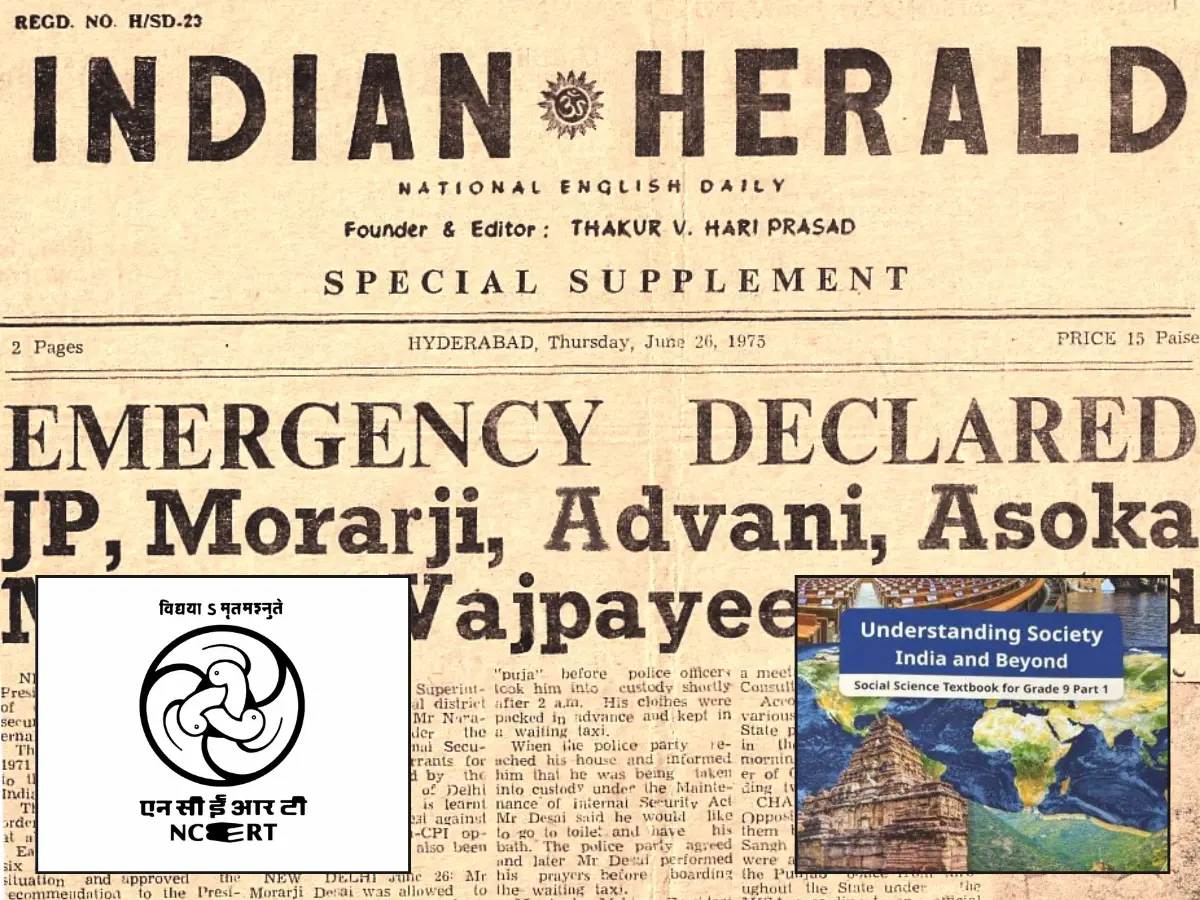
Emergency chapter in NCERT Class 9 textbooks triggers fresh Congress-BJP showdown Photograph: (Combination created using images from ANI and Wikimedia Commons)
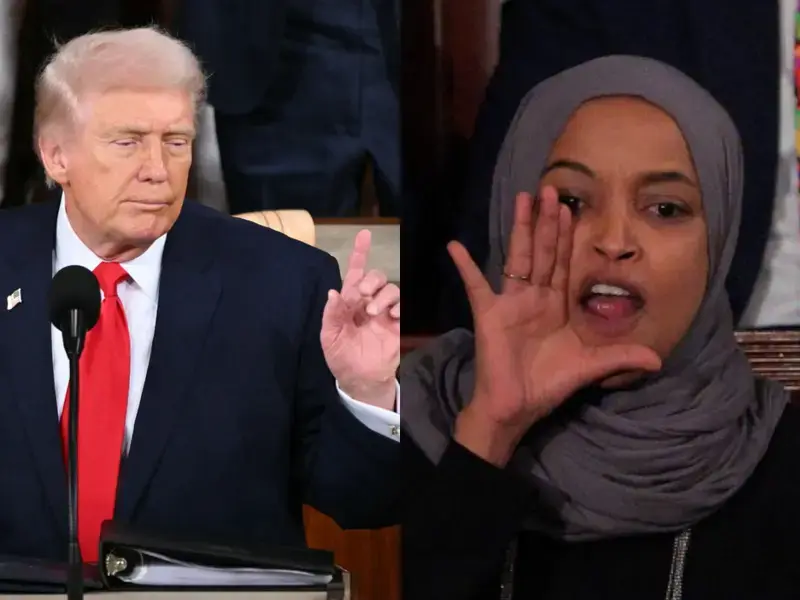
NCERT's decision to include the Emergency in a Class 9 textbook has triggered a war of words between Congress and the BJP. The opposition alleges an attempt to rewrite history, while the Centre argues that students should understand one of the most controversial chapters in Indian democracy.
NCERT's (National Council of Educational Research and Training) decision to include a section on the Emergency in the Class 9 Social Science textbook has triggered a fresh political row, with the Congress accusing the BJP of pushing "divisive politics" and the government defending the move as an important lesson for future generations.
Attempt to divert India's history?
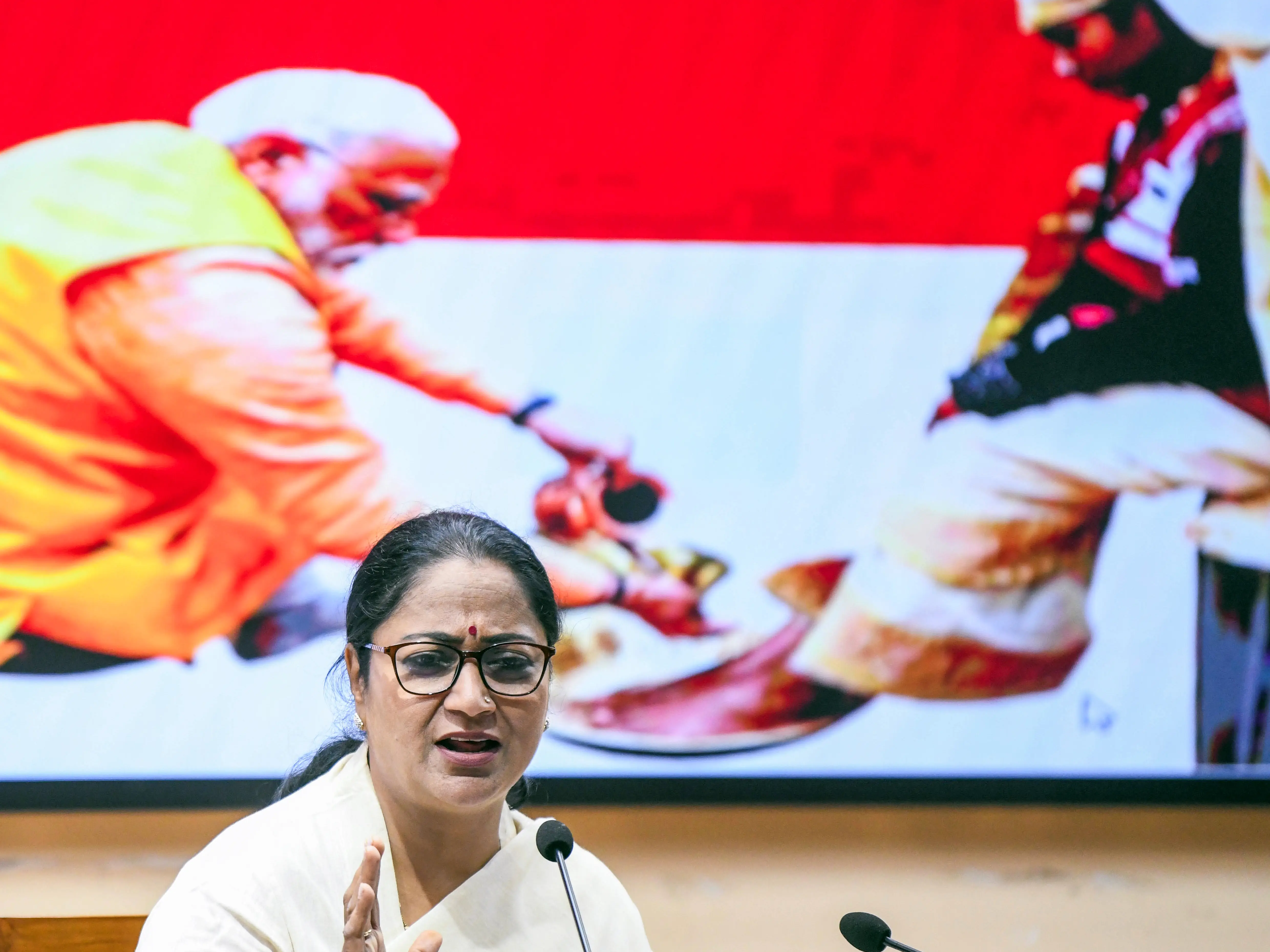
Congress MP KC Venugopal on Thursday (Jun 25) alleged that the new NCERT chapter was part of an attempt to "divert the history of India" and alter the curriculum for political reasons.
"They (BJP) are interested only in this type of divisive politics. They are trying to divert the history of India and are trying to change the curriculum. This is not at all acceptable. This is an attack on constitutional values, and we are fighting against that," Venugopal said.
Also read | 'Challenges to democracy in India': For first time, NCERT to teach Class 9 students about Emergency
Congress leader Salman Khurshid meanwhile said there was no objection to the Emergency being taught, but it should be presented with proper context. "Fifty years later, this government is once again recalling the Emergency. They can say whatever they want about it, but they should mention the context, its result, and provide complete facts," Khurshid said.
Trending Stories
)
)
)
)
)
)
)
)
)
)
)
)
)
&im=FitAndFill=(700,400))
)
)
)
)
)
)
)
)
&im=FitAndFill=(700,400))
)
)
)
)
)
)
)
)
)
)
)
)
)
)
)
)
)
He added that any discussion on the Emergency should also note that actions taken during that period were backed by the Constitution and accepted by the Supreme Court's constitutional bench at the time.
BJP welcomes NCERT's new chapter
The Union government, however, welcomed the textbook change. Education Minister Dharmendra Pradhan, who is currently embroiled in a major controversy with a student-led movement and the Cockroach Janata Party demanding his resignation over the NEET-UG paper leak, said students should learn about the Emergency so that the country does not repeat the mistakes of the past.
"This is correct. NCERT has done the right thing. Future generations should know and understand the dark deeds of the Emergency so that such a situation does not arise again," Pradhan told reporters.
Also read | NCERT Mohenjodaro Dancing Girl controversy: Is India's obsession with modesty threatening its culture?
NCERT's new chapter on Emergency
The Emergency has been included for the first time in a Class 9 NCERT textbook, 'Understanding Society: India and Beyond'. The chapter poses it as one of the major challenges to Indian democracy, noting that several fundamental rights were suspended after the Emergency was imposed in 1975.
According to the textbook, public dissatisfaction with the government was rising in the early 1970s amid unemployment, inflation and allegations of misgovernance. It says a National Emergency was declared by the then PM Indira Gandhi in June 1975 on the grounds of internal disturbance, following which the press was censored, political leaders and activists were arrested, and democratic institutions came under strain.

