Navi Mumbai international airport to welcome first passengers on Christmas

&imwidth=600&imheight=450&format=webp&quality=medium "Navi Mumbai international airport to welcome first passengers on Christmas")
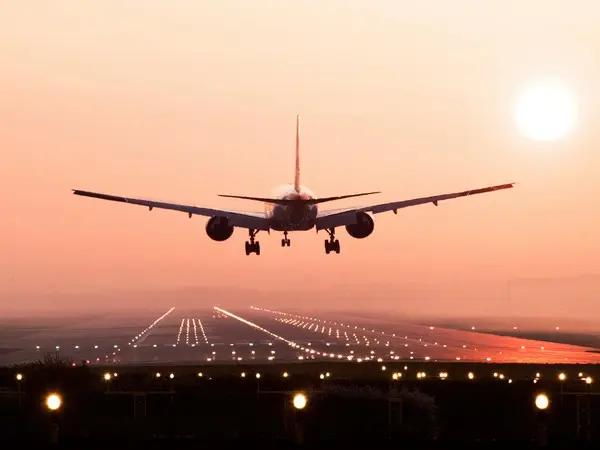
Navi Mumbai international airport to welcome first passengers on Christmas Photograph: (Credit: ANI)
Mumbai’s long wait for a second airport will end this December. The first arrival and departure flights to be operated by IndiGo, followed by Air India Express and Akasa Air and will connect to 16 major domestic destinations.
The Navi Mumbai International Airport (NMIA), India’s newest greenfield airport to begin commercial operations on 25 December 2025. With the Navi Mumbai airport, Mumbai enters the league of international big cities like London, Paris, New York that are served by more than one airport. In the first month, the new airport will operate for 12 hours between 08:00 hrs and 20:00 hrs, handling 23 scheduled daily departures with one runway. Approximately 120 air traffic movements (ATMs) daily in the initial phase. The first arrival and departure flights to be operated by IndiGo, followed by Air India Express and Akasa Air and will connect to 16 major domestic destinations.
Here's the list:
• Ahmedabad (AMD)
• Aurangabad (IXU)
• Bengaluru (BLR)
• Chennai (MAA)
Trending Stories
&imwidth=280&imheight=210&format=webp&quality=medium)
&im=FitAndFill=(700,400)&imwidth=280&imheight=210&format=webp&quality=medium)
&imwidth=280&imheight=210&format=webp&quality=medium)
&imwidth=280&imheight=210&format=webp&quality=medium)
&imwidth=280&imheight=210&format=webp&quality=medium)
&im=FitAndFill=(700,400)&imwidth=280&imheight=210&format=webp&quality=medium)
&imwidth=280&imheight=210&format=webp&quality=medium)
&imwidth=280&imheight=210&format=webp&quality=medium)
&imwidth=280&imheight=210&format=webp&quality=medium)
&imwidth=280&imheight=210&format=webp&quality=medium)
&imwidth=280&imheight=210&format=webp&quality=medium)
&imwidth=280&imheight=210&format=webp&quality=medium)
&imwidth=280&imheight=210&format=webp&quality=medium)
&imwidth=280&imheight=210&format=webp&quality=medium)
&imwidth=280&imheight=210&format=webp&quality=medium)
&imwidth=280&imheight=210&format=webp&quality=medium)
&imwidth=280&imheight=210&format=webp&quality=medium)
&imwidth=280&imheight=210&format=webp&quality=medium)
&imwidth=280&imheight=210&format=webp&quality=medium)
&imwidth=280&imheight=210&format=webp&quality=medium)
&imwidth=280&imheight=210&format=webp&quality=medium)
&imwidth=280&imheight=210&format=webp&quality=medium)
&imwidth=280&imheight=210&format=webp&quality=medium)
&imwidth=280&imheight=210&format=webp&quality=medium)
&im=FitAndFill=(700,400)&imwidth=280&imheight=210&format=webp&quality=medium)
&imwidth=280&imheight=210&format=webp&quality=medium)
&imwidth=280&imheight=210&format=webp&quality=medium)
&imwidth=280&imheight=210&format=webp&quality=medium)
&imwidth=280&imheight=210&format=webp&quality=medium)
&imwidth=280&imheight=210&format=webp&quality=medium)
&imwidth=280&imheight=210&format=webp&quality=medium)
&imwidth=280&imheight=210&format=webp&quality=medium)
&imwidth=280&imheight=210&format=webp&quality=medium)
&imwidth=280&imheight=210&format=webp&quality=medium)
&imwidth=280&imheight=210&format=webp&quality=medium)
• Kochin (COK)
• Coimbatore (CJB)
• Delhi (DEL)
• Goa (GOI & GOX)
• Hyderabad (HYD)
• Jaipur (JAI)
• Jammu (IXJ)
• Kolkata (CCU)
• Lucknow (LKO)
• Mangaluru (IXE)
• Nagpur (NAG)
• Vadodara (BDQ)
Starting February 2026, the airport will transition to round-the-clock operations, expanding to 34 daily departures to meet the increasing needs of the Mumbai Metropolitan Region (MMR). It is also twice the size of Chhatrapati Shivaji Maharaj International Airport. It is being developed in phases by Navi Mumbai International Airport Ltd, a joint venture where the Adani Group owns 74% and the remaining 26% is held by CIDCO, Maharashtra’s urban development authority. Navi Mumbai International Airport will be the first aerodrome in the country to be connected by expressways, highways, metros, suburban rails, and even water taxi. Spanning over 1,160 hectares (2,866 acres), on completion, NMIA is designed to handle 90 million passenger per annum (MPPA).
Why there was a need of a second airport?
Mumbai’s current Chhatrapati Shivaji Maharaj International Airport (CSMIA) handles about 55 million passengers a year but cannot grow further. Despite having two runways, their intersection limits operations to one at a time. On peak days, the airport manages more than 1,000 flights in 24 hours, well above its designed capacity. Hence, by 2030, both airports are expected to handle 50-60 million passengers each. One, the NMIA gets operational, then these two airports together will cater to the almost 150 million passengers per annum, making the two airports a big aviation hub globally.

