Kashmir administration taps religious leaders to fight drug abuse among youth

&imwidth=600&imheight=450&format=webp&quality=medium "Kashmir administration taps religious leaders to fight drug abuse among youth")
Kashmir administration taps religious leaders to fight drug abuse among youth
Although the administration has been working continuously to combat the menace, officials believe that bringing local imams on board will significantly enhance efforts to rein in drug addiction, particularly among the youth.
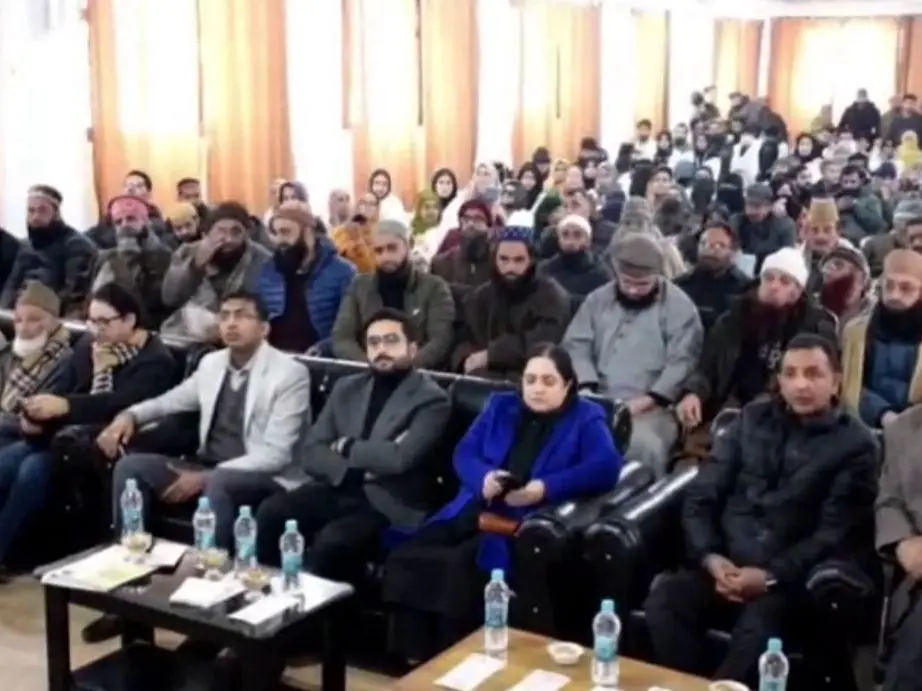
For the first time, the Jammu and Kashmir government has enlisted local clerics in Srinagar district to raise awareness about the growing problem of drug addiction in the Valley. The Kashmir administration has reached out to around 100 mosque imams in the district to launch the initiative. These imams will use their Friday prayer sermons as a platform to educate people about the dangers of drug abuse and encourage community action.
Although the administration has been working continuously to combat the menace, officials believe that bringing local imams on board will significantly enhance efforts to rein in drug addiction, particularly among the youth. According to the Jammu and Kashmir administration, faith-based outreach has consistently proven effective in engaging larger sections of society and ensuring tangible impact at the grassroots level.
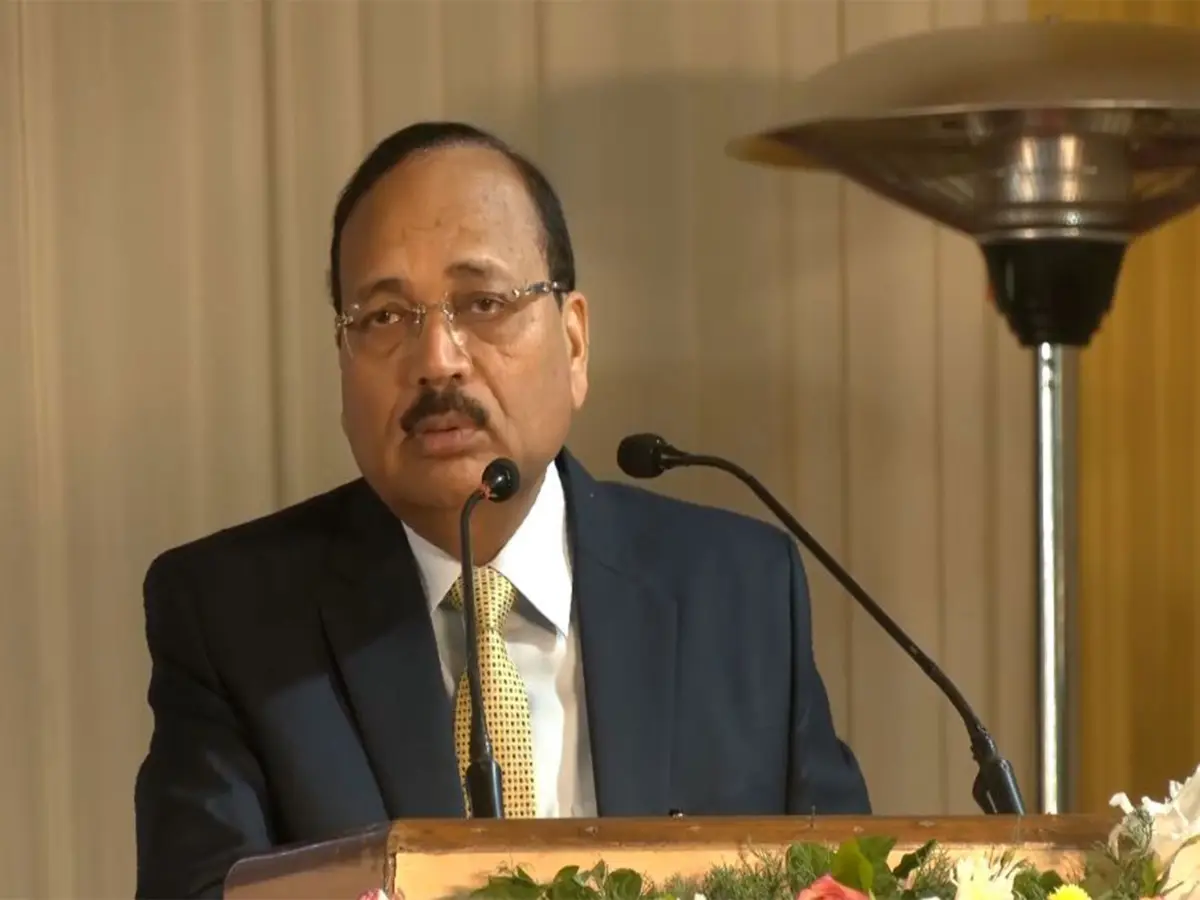
“At the divisional level, we decided to involve religious leaders as part of our strategy. As a first step, we organised a workshop on Saturday, coordinated by the district administration, where we engaged with mosque imams and religious leaders associated with various shrines. The idea is that during religious occasions and sermons, these leaders can reach a much wider audience and help raise awareness about drug addiction, '' said Anshul Garg, Divisional Commissioner, Kashmir.
He further added, '' This initiative aims to address the issue head-on by reaching the largest possible section of society and making people aware of the dangers of substance abuse. This is just the beginning, we have started with around 80 to 85 imams, and we plan to expand the programme to other districts across the Kashmir Valley, with district administrations engaging religious leaders locally. At the same time, we are reaching out to coaching centres across the Valley to further amplify the message. We are also covering all 72 colleges in the Kashmir division, along with higher secondary schools, with the goal of reaching nearly one million students and ensuring they are well-informed about this serious issue.”
According to official data, around 1.3 million people in the Union Territory of Jammu and Kashmir are affected by drug abuse. This figure has nearly doubled over the past three years, rising from about 0.6 million in 2022. Authorities say their primary concern is the growing number of heroin users across the Valley, as heroin has emerged as the most commonly used substance, with a dependency rate of nearly 95 percent among users.
The data further reveals that most heroin users in Jammu and Kashmir fall within the 15–30 age group. The report also indicates that nearly 85 percent of drug abusers in the region prefer heroin. Reflecting this alarming trend, Srinagar’s rehabilitation centre has witnessed a sharp surge in patient numbers, with around 350 to 400 people visiting its outpatient department daily, most of them heroin users.
Trending Stories
&imwidth=280&imheight=210&format=webp&quality=medium)
&imwidth=280&imheight=210&format=webp&quality=medium)
&imwidth=280&imheight=210&format=webp&quality=medium)
&imwidth=280&imheight=210&format=webp&quality=medium)
&imwidth=280&imheight=210&format=webp&quality=medium)
&imwidth=280&imheight=210&format=webp&quality=medium)
&imwidth=280&imheight=210&format=webp&quality=medium)
&imwidth=280&imheight=210&format=webp&quality=medium)
&imwidth=280&imheight=210&format=webp&quality=medium)
&imwidth=280&imheight=210&format=webp&quality=medium)
&imwidth=280&imheight=210&format=webp&quality=medium)
&im=FitAndFill=(700,400)&imwidth=280&imheight=210&format=webp&quality=medium)
&imwidth=280&imheight=210&format=webp&quality=medium)
&imwidth=280&imheight=210&format=webp&quality=medium)
&imwidth=280&imheight=210&format=webp&quality=medium)
&imwidth=280&imheight=210&format=webp&quality=medium)
&imwidth=280&imheight=210&format=webp&quality=medium)
&imwidth=280&imheight=210&format=webp&quality=medium)
&imwidth=280&imheight=210&format=webp&quality=medium)
&imwidth=280&imheight=210&format=webp&quality=medium)
&imwidth=280&imheight=210&format=webp&quality=medium)
&imwidth=280&imheight=210&format=webp&quality=medium)
&imwidth=280&imheight=210&format=webp&quality=medium)
&imwidth=280&imheight=210&format=webp&quality=medium)
&imwidth=280&imheight=210&format=webp&quality=medium)
&imwidth=280&imheight=210&format=webp&quality=medium)
&imwidth=280&imheight=210&format=webp&quality=medium)
&imwidth=280&imheight=210&format=webp&quality=medium)
&imwidth=280&imheight=210&format=webp&quality=medium)
&im=FitAndFill=(700,400)&imwidth=280&imheight=210&format=webp&quality=medium)
&im=FitAndFill=(700,400)&imwidth=280&imheight=210&format=webp&quality=medium)
&imwidth=280&imheight=210&format=webp&quality=medium)
&imwidth=280&imheight=210&format=webp&quality=medium)
&imwidth=280&imheight=210&format=webp&quality=medium)
Reports also estimate that nearly 33,000 syringes are used every day by drug abusers across Jammu and Kashmir, underlining the scale and severity of the crisis.
''Islam categorically rejects such practices, and we fully support the administration in its efforts. We use the Friday prayer platform to address this issue and commend the administration for taking steps to eradicate it. The Quran clearly states that all forms of intoxication, including drugs and alcohol, are prohibited. We will ensure that this message is conveyed not only during Friday prayers but through every prayer, so that people truly understand the seriousness of the issue.” said Peer Muhammad Hussain, Imam.
Security forces across Jammu and Kashmir have intensified operations against narco-terrorism, stepping up enforcement and surveillance. The Jammu and Kashmir Police have made hundreds of arrests, attached properties linked to drug dealers, and strengthened monitoring along border areas to disrupt trafficking networks.
In 2025, the police invoked the Prevention of Illicit Traffic in Narcotic Drugs and Psychotropic Substances (PIT-NDPS) Act against several notorious drug traffickers. As part of a major crackdown, around 1,000 cases have been registered under the NDPS Act, leading to the arrest of nearly 1,400 individuals.
Authorities have also taken firm action against assets linked to the drug trade. Properties worth over 70 crores have been attached in NDPS cases. More than 120 such properties were identified during the operations, of which around 40 have already been permanently seized.
“Our religion clearly distinguishes between what is good and what is harmful. The Quran categorically prohibits involvement in drug addiction, and our Prophet has entrusted us with the responsibility to guide people away from wrongdoing. Whether through sermons or public outreach, we must uphold and follow the teachings of Islam. If such harmful practices are taking place in our society, our faith requires us to speak about them openly. Along with sermons, we must also use platforms like social media to reach more people and make them aware of the serious harm caused by drugs.” said Altaf Hussain, Imam.
While security forces continue efforts to address the problem, Pakistan remains the primary source of drug trafficking into the Kashmir region. This shift became evident following a decline in active terrorism and a complete halt in local recruitment. Frustrated by these setbacks, terror handlers across the border increasingly turned to pushing narcotics among the youth of the Valley. The proceeds generated from this drug trade are used to finance narco-terrorism, and substance abuse makes young people more vulnerable to manipulation and exploitation for terror-related activities.
