ITR deadline is July 31. Still haven't filed? Here's how to pick the right tax regime before it's too late

&imwidth=600&imheight=450&format=webp&quality=medium "ITR deadline is July 31. Still haven't filed? Here's how to pick the right tax regime before it's too late")
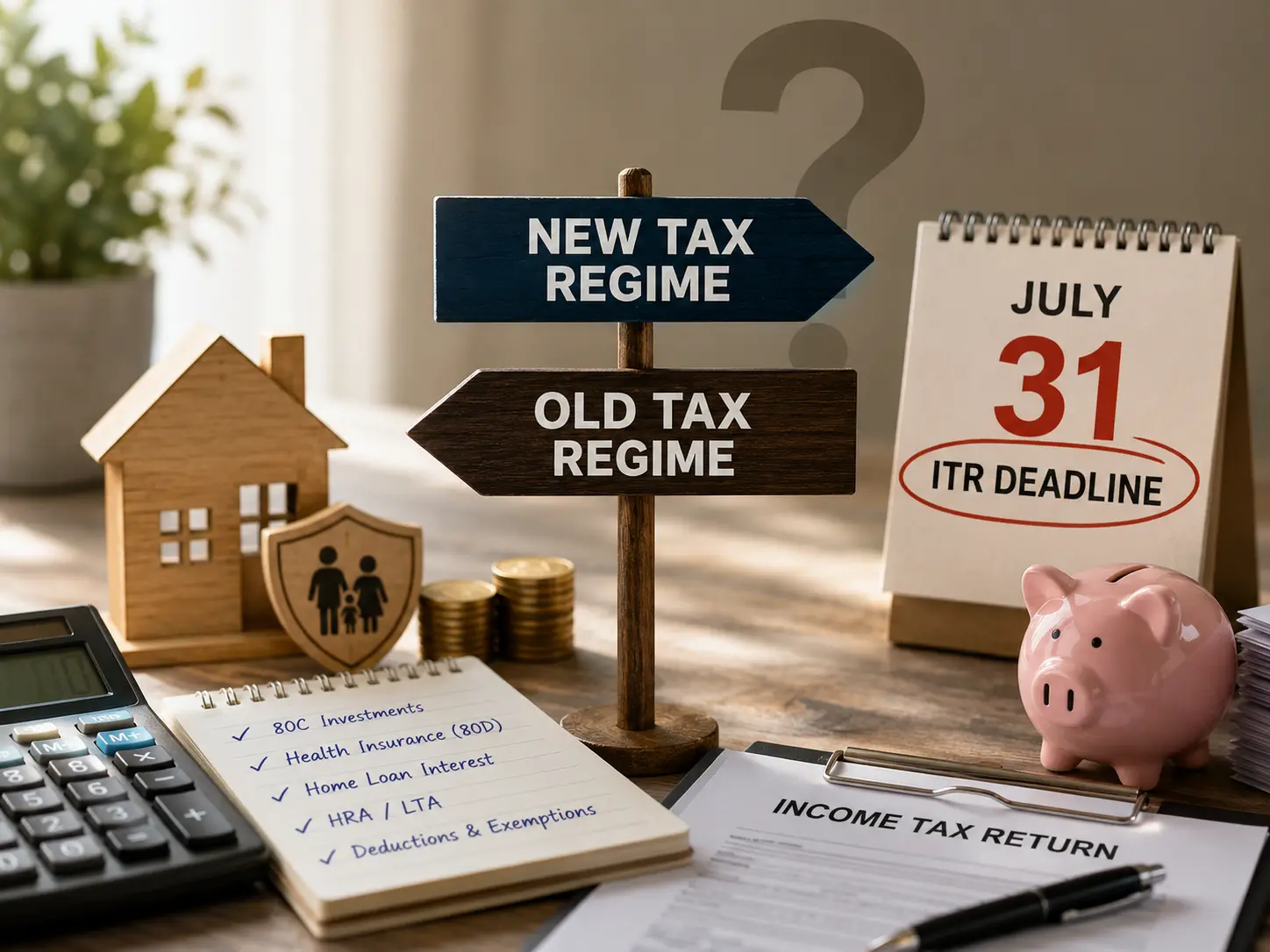
July 31 ITR deadline: The one decision that could lower your tax bill Photograph: (AI-Generated image)
With the July 31 income tax return deadline approaching, taxpayers need to decide whether to file under the old or new tax regime. Here's a last-minute comparison before you submit your 2026 ITR.
With just two days left before the July 31 income tax return (ITR) deadline, many taxpayers are still stuck on one question: Should you file under the old tax regime or the new one? It's a decision that can directly affect how much tax you pay, and unlike previous years, the answer isn't the same for everyone. With the July 31 deadline fast approaching, taking a few extra minutes to compare both regimes could save you money and prevent an expensive filing mistake.
Notably, the new tax regime is now the default option. But that doesn't automatically mean it's the better choice. Here's a last-minute guide to help you decide before you hit "Submit".
Also read | India Income Tax Return 2026: Filing ITR this year? Here's how AI could save, or sink, your return
New regime vs old regime: The biggest differences
The choice boils down to a simple trade-off.
The old tax regime lets you reduce your taxable income by claiming deductions and exemptions. These include popular benefits such as Section 80C investments, health insurance under Section 80D, home loan interest, HRA and Leave Travel Allowance (LTA).
Trending Stories
&imwidth=280&imheight=210&format=webp&quality=medium)
&im=FitAndFill=(700,400)&imwidth=280&imheight=210&format=webp&quality=medium)
&im=FitAndFill=(700,400)&imwidth=280&imheight=210&format=webp&quality=medium)
&imwidth=280&imheight=210&format=webp&quality=medium)
&imwidth=280&imheight=210&format=webp&quality=medium)
&imwidth=280&imheight=210&format=webp&quality=medium)
&imwidth=280&imheight=210&format=webp&quality=medium)
&imwidth=280&imheight=210&format=webp&quality=medium)
&imwidth=280&imheight=210&format=webp&quality=medium)
&imwidth=280&imheight=210&format=webp&quality=medium)
&imwidth=280&imheight=210&format=webp&quality=medium)
&imwidth=280&imheight=210&format=webp&quality=medium)
&imwidth=280&imheight=210&format=webp&quality=medium)
&imwidth=280&imheight=210&format=webp&quality=medium)
&imwidth=280&imheight=210&format=webp&quality=medium)
&imwidth=280&imheight=210&format=webp&quality=medium)
&imwidth=280&imheight=210&format=webp&quality=medium)
&imwidth=280&imheight=210&format=webp&quality=medium)
&imwidth=280&imheight=210&format=webp&quality=medium)
&imwidth=280&imheight=210&format=webp&quality=medium)
&imwidth=280&imheight=210&format=webp&quality=medium)
&imwidth=280&imheight=210&format=webp&quality=medium)
&imwidth=280&imheight=210&format=webp&quality=medium)
&im=FitAndFill=(700,400)&imwidth=280&imheight=210&format=webp&quality=medium)
&imwidth=280&imheight=210&format=webp&quality=medium)
&imwidth=280&imheight=210&format=webp&quality=medium)
&imwidth=280&imheight=210&format=webp&quality=medium)
&imwidth=280&imheight=210&format=webp&quality=medium)
&imwidth=280&imheight=210&format=webp&quality=medium)
&imwidth=280&imheight=210&format=webp&quality=medium)
&imwidth=280&imheight=210&format=webp&quality=medium)
&imwidth=280&imheight=210&format=webp&quality=medium)
&imwidth=280&imheight=210&format=webp&quality=medium)
&imwidth=280&imheight=210&format=webp&quality=medium)
The new tax regime, on the other hand, offers lower tax rates but removes most of these exemptions and deductions.
So the question isn't which regime has lower tax rates. It's whether your deductions are large enough to make the old regime worthwhile.
The old regime may work better for you if...
You could save more tax under the old regime if you:
- Claim the full Section 80C deduction through EPF, PPF, ELSS or life insurance
- Pay significant health insurance premiums
- Receive House Rent Allowance (HRA)
- Have a home loan with substantial interest payments
- Regularly claim deductions under multiple sections of the Income Tax Act
For many salaried employees who maximise these benefits every year, the old regime can still result in a lower tax bill.
The new regime may suit you if...
The new regime is often the simpler choice if you:
- Don't claim many deductions
- Have recently started working
- Don't have a home loan
- Live in your own house or don't receive HRA
- Prefer straightforward tax filing without maintaining investment proofs
Many young professionals fall into this category, making the new regime financially attractive as well as easier to manage.
Can't I just use the same tax regime I used last year?
One of the biggest mistakes taxpayers make is assuming the same regime that worked last year will also work this year. A salary hike, a new home loan, changes in investments, or even switching jobs can alter the calculation significantly.
If your employer already deducted TDS under one regime, don't panic. While filing your return, you can still choose the regime you're eligible for, subject to the applicable tax rules.
A few things to check before filing
Before submitting your ITR, make sure you have:
- Verified your Annual Information Statement (AIS) and Form 26AS
- Checked that salary, bank interest and capital gains are correctly reflected
- Claimed all eligible deductions, if opting for the old regime
- Selected the correct tax regime before filing
- E-verified your return after submission
The bottom line
There's no universal winner in the old-versus-new tax debate. To sum it up, if you've spent the year investing, paying insurance premiums or servicing a home loan, the old regime may still leave you with a lower tax outgo. If you have few deductions and want a hassle-free filing experience, the new regime could be the better option.

