Indian Supreme Court slams freebies before elections, and it's not the first time. But can anything be done about it?

&imwidth=600&imheight=450&format=webp&quality=medium "Indian Supreme Court slams freebies before elections, and it's not the first time. But can anything be done about it?")
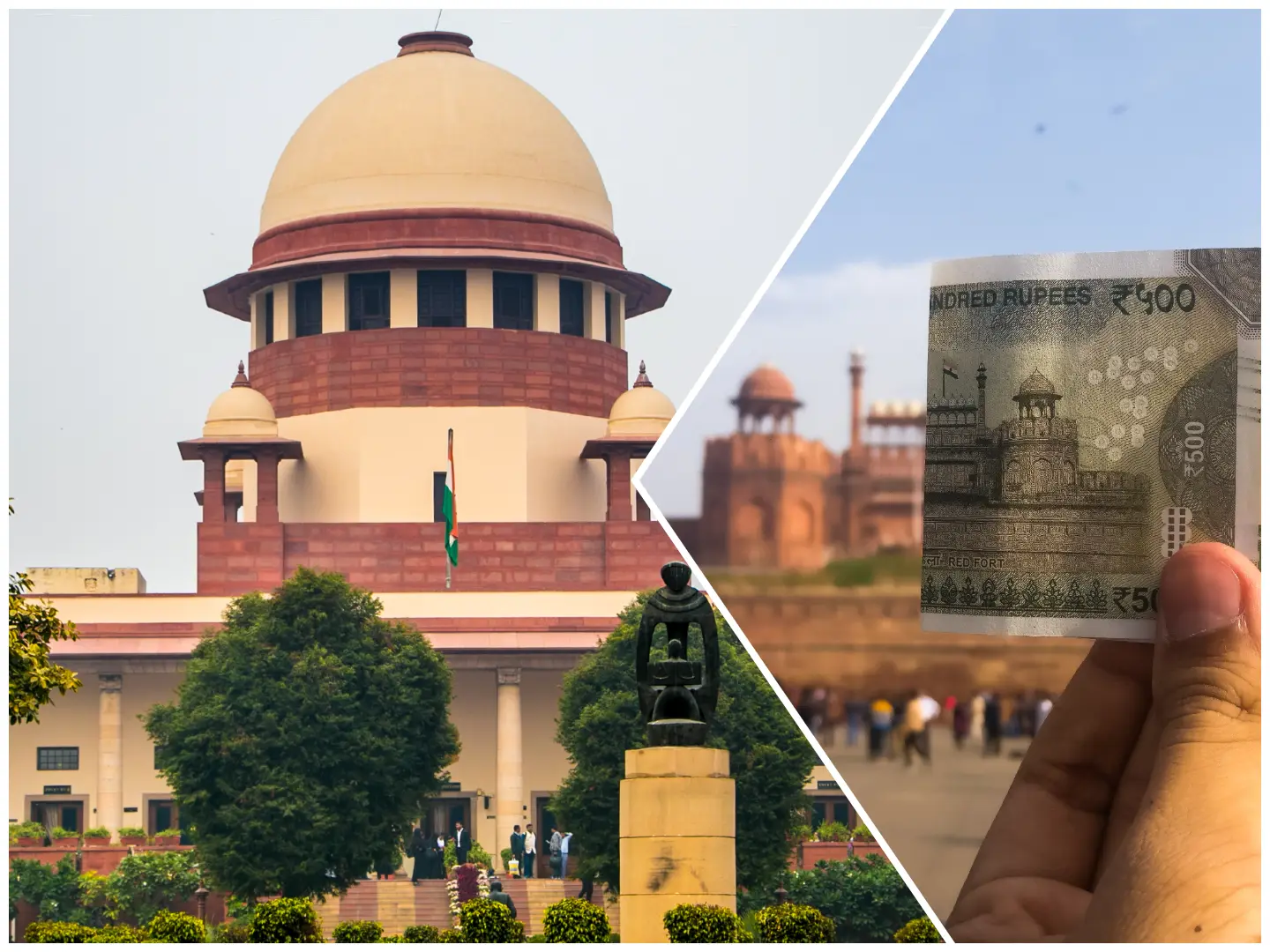
Indian Supreme Court has often criticised pre-election freebies offered by those in power in various states Photograph: (Others)
India's Supreme Court slammed pre-election freebies, this time in a case on free electricity in Tamil Nadu. The top court has targeted such schemes in cash or kind, warning they harm fiscal discipline, economic development and work culture
India's Supreme Court has once again criticised pre-poll freebies, this time taking issue with plans to provide free electricity ahead of the Tamil Nadu state elections. In its observations on Thursday (Feb 19), the court said that even states that are not financially doing well are offering such freebies. It slammed indiscriminate free electricity and other benefits by revenue-deficient states, warning that such largesse harms economic development and work culture. But we have been here before. The apex court has often been reluctant to make any specific ruling to regulate the matter, leaving it to the election body and parliament. It leaves a grey area that often allows pre-election freebies to thrive, possibly affecting election outcomes for years now. Here is an analysis.
What the Indian Supreme Court said on pre-election freebies
The court agreed that freebies might be appropriate for poor people, but said that when they are given to everyone, it amounts to appeasement. It called for a re-examination of policies that are affecting progress.
“Most of the states in the country are revenue deficit states and yet they are offering such freebies,” said the court.
“The economic development of the nation will be hampered by this kind of largesse distribution. It is the state’s duty to provide welfare, but those who are enjoying freebies, is that not something which needs to be examined?,” it added.
Trending Stories
)
)
)
)
)
)
)
)
)
)
)
)
)
)
&im=FitAndFill=(700,400))
&im=FitAndFill=(700,400))
&im=FitAndFill=(700,400))
)
)
)
)
)
)
)
)
)
)
)
)
)
)
)
)
)
)
)
)
)
)
Why Indian Supreme Court made observation on freebies during elections
Over the years, it has become very common in Indian states to offer various freebies — services and products — ahead of elections, including direct cash transfers into people's bank accounts. The court said that, as a welfare state, it is acceptable to give concessions to poor people, but even states without adequate income are offering universal freebies.
The Supreme Court bench, chaired by Chief Justice Surya Kant, was hearing a plea filed by the Tamil Nadu Power Distribution Corporation. The company had challenged the 2024 central electricity reforms, which mandate strict financial discipline for power-distribution firms.
Issuing notice to the Centre in the case, the Supreme Court expressed its displeasure that such freebies are being offered not only in Tamil Nadu, but across the nation.
Chief Justice Surya Kant said the court is aware of what happened in the recent state elections, including direct money transfer programmes.
The court observed that, instead of spending money on development projects, states are using funds for large-scale freebies and salaries.
Who will work if government gives freebies? Supreme Court's sharp rebuke
If food, bicycles and electricity are given free of cost, who will go to work, the court asked.
"If you start giving free food from morning to evening, then free cycles, then free electricity, who will work? And what will happen to the work culture?”
It is fine if people who cannot afford to pay are given some concessions in electricity rates. But if it is given to everyone, what culture are we creating, asked the court, adding that those who can pay should be made to pay.
Also read: ‘This is tax money’: Supreme Court slams poll-eve freebie culture, questions fiscal logic
The court said: It is understandable that you want to provide, as part of a welfare system, for those who cannot pay electricity charges. But without drawing a distinction between those who can afford and those who cannot, if you start distributing… will it not amount kind of an appeasing policy?”
Freebies politics: This is not the first time that the Indian top court took up the matter
The Chief Justice also reminded that the various political parties offering freebies ahead of elections are currently under its examination.
Pre-poll largesse has become a malice in Indian politics, and the Supreme Court has been cognizant of the matter in the past few years.
In February 2025, the apex court criticised election-time free rations and cash transfers, saying they discourage people from working and risk creating dependency. During the hearing, the court questioned whether schemes like 'Ladli Behna' announced around elections were fostering a culture where people are unwilling to work.
In January this year, it said the issue of pre-poll freebies, including the distribution of cash and other goods, is an important matter requiring serious examination.
In January, 2022 the Supreme Court described the promise of freebies during election campaigns as a serious issue. At the time, it sought responses from the Centre and the Election Commission on regulating the practice.
In the Subramaniam Balaji case of 2013, the court declined to strike down welfare schemes involving distribution of goods like televisions and laptops. But it acknowledged concerns about freebies. It left the regulation of such promises to the Election Commission and Parliament.