India's rainfall plunges to 24-year low, drought fears return, kharif crops in danger | Gravitas

&imwidth=600&imheight=450&format=webp&quality=medium "India's rainfall plunges to 24-year low, drought fears return, kharif crops in danger | Gravitas")
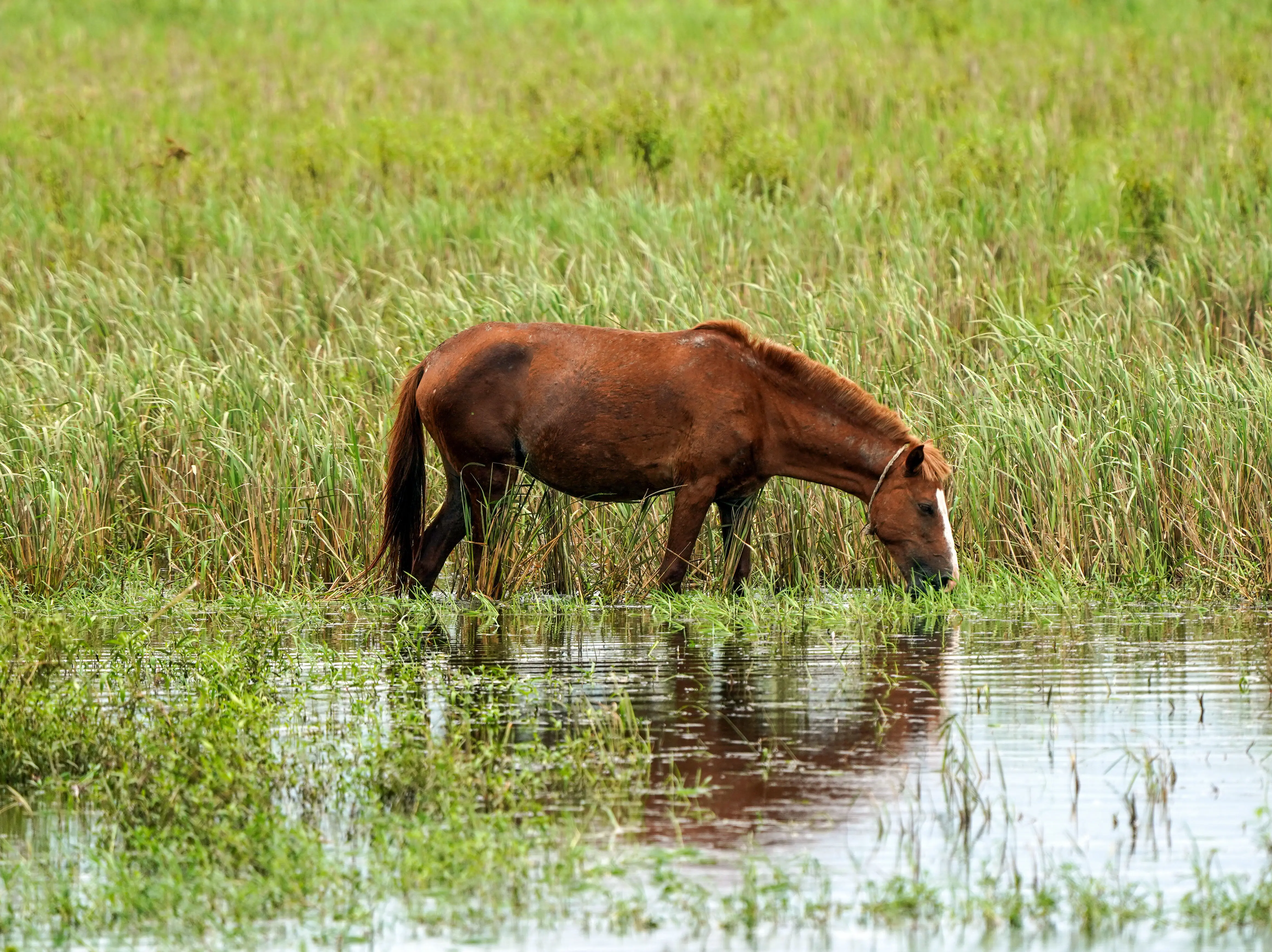
A horse searches for food at a flooded field following a heavy rainfall, in Morigaon on July 14. Photograph: (ANI)
India is witnessing its weakest monsoon start in nearly 24 years, with a widening rainfall deficit raising concerns over drought, reduced kharif sowing and the impact on agriculture and food production.
India is witnessing its weakest start to the southwest monsoon in nearly a quarter of a century, raising concerns over crop output, farmers' livelihoods, food production and the growing risk of drought.
According to the India Meteorological Department (IMD), the monsoon briefly revived earlier this month but has once again lost momentum.
The monsoon covered the entire country on July 9, just one day behind schedule. The rainfall deficit, which had crossed 30 per cent in June, began narrowing after the revival. However, that improvement has proved short-lived.
The IMD said India recorded a rainfall deficit of around 23 per cent between June 1 and July 16 compared with the seasonal average. Rainfall during the week from July 9 to July 15 alone was 51 per cent below normal.
The current shortfall is significant. By the middle of July, India's rainfall deficit had reportedly exceeded the full-season deficit recorded during the devastating 2002 drought, when the country eventually ended the monsoon season with rainfall 19 per cent below normal.
Also Read: Andy Burnham set to become UK PM, replacing Starmer as Britain gets its seventh premier in a decade
Trending Stories
)
)
)
)
&im=FitAndFill=(700,400))
)
)
)
)
)
)
)
)
)
)
)
)
)
)
)
&im=FitAndFill=(700,400))
)
)
)
)
)
)
)
)
)
)
)
)
&im=FitAndFill=(700,400))
)
However, the comparison is not exact as the southwest monsoon continues until September, and additional rainfall in the coming weeks could still reduce the deficit.
Meteorologists say El Niño is the primary reason behind the weak monsoon this year. The warming of sea surface temperatures in the central and eastern Pacific disrupts global wind patterns, weakening the moisture-laden winds that bring rainfall to India and typically suppressing monsoon activity.
El Niño was also a major factor behind the severe drought of 2002, and forecasts suggest the weather pattern is expected to strengthen further during the current monsoon season.
Despite the rainfall deficit, India has not officially entered a meteorological drought. The IMD declares a drought only when seasonal rainfall falls below 75 per cent of the Long Period Average, the benchmark based on rainfall data recorded between 1971 and 2020.
The weak monsoon has already started affecting kharif sowing.
According to the Ministry of Agriculture and Farmers' Welfare, as of July 10, rice sowing was down by nearly 11 per cent compared with the same period last year. Pulses sowing had declined by around 17 per cent, oilseed sowing by nearly 31 percent and cotton sowing by more than 15 per cent.
The decline in sowing reflects the increasing pressure the weak monsoon is placing on India's agriculture sector, even as farmers wait for rainfall to improve during the remainder of the season.