Lost civilisations and Sun worship: Ancient festivals from around the world that resemble Chhath Puja

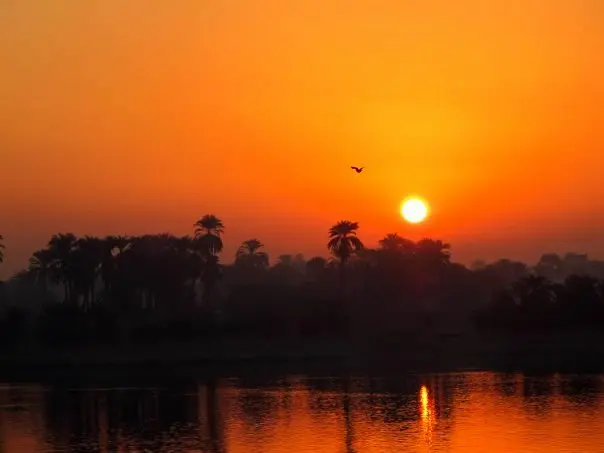
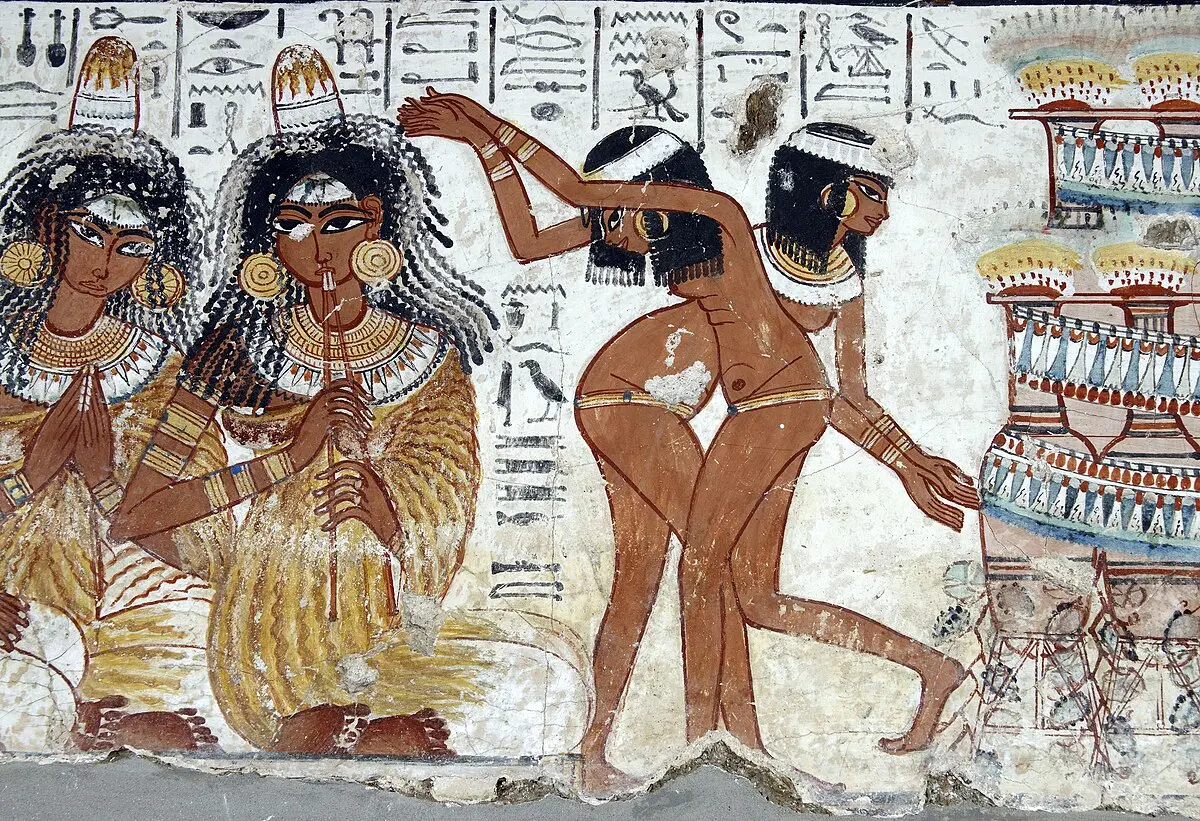
Festivals aligned with solar cycles celebrated Ra’s journey across the sky. Offerings, prayers, and temple rituals sought to sustain the sun’s life-giving force and protect the Nile’s fertility.
Introduction
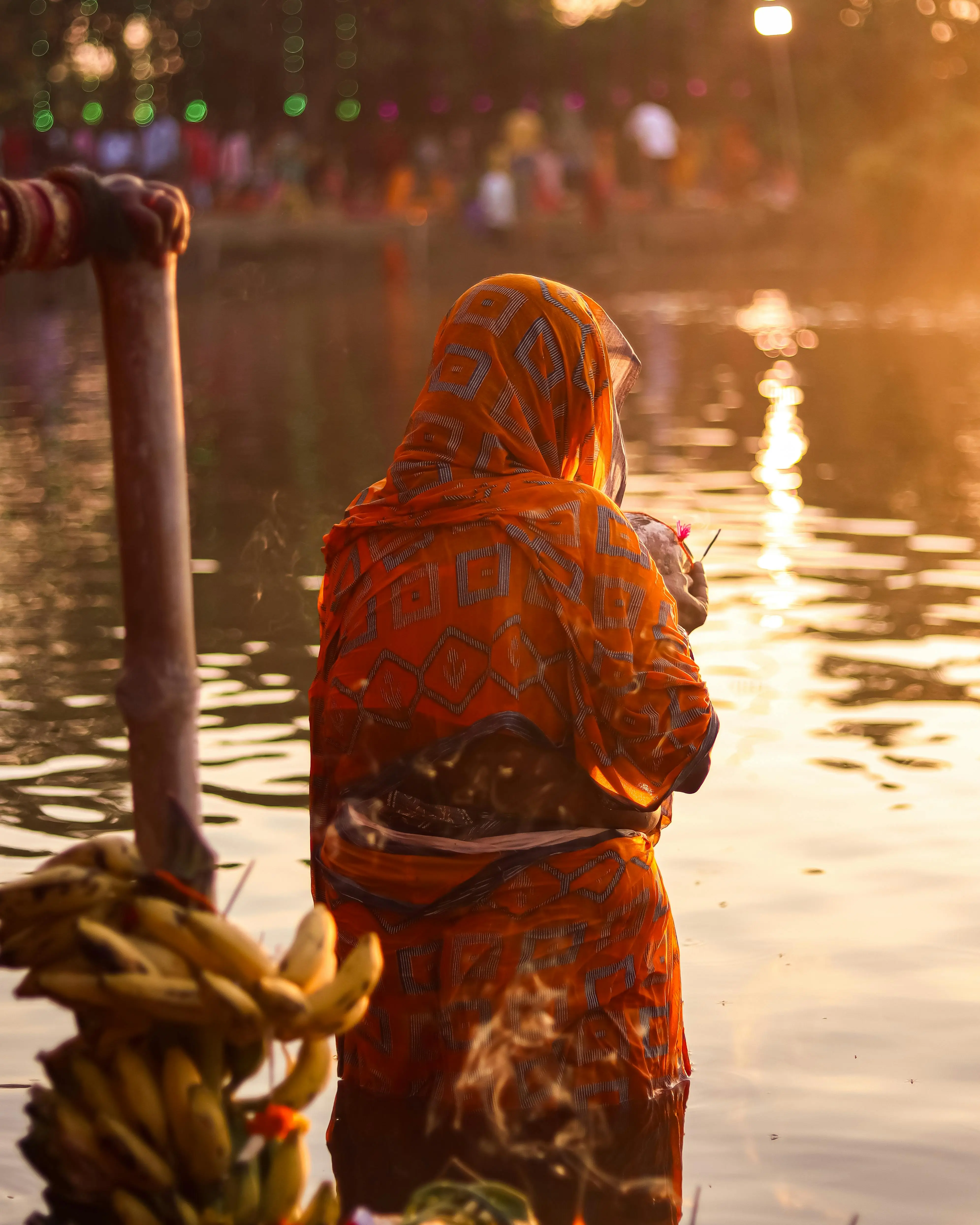
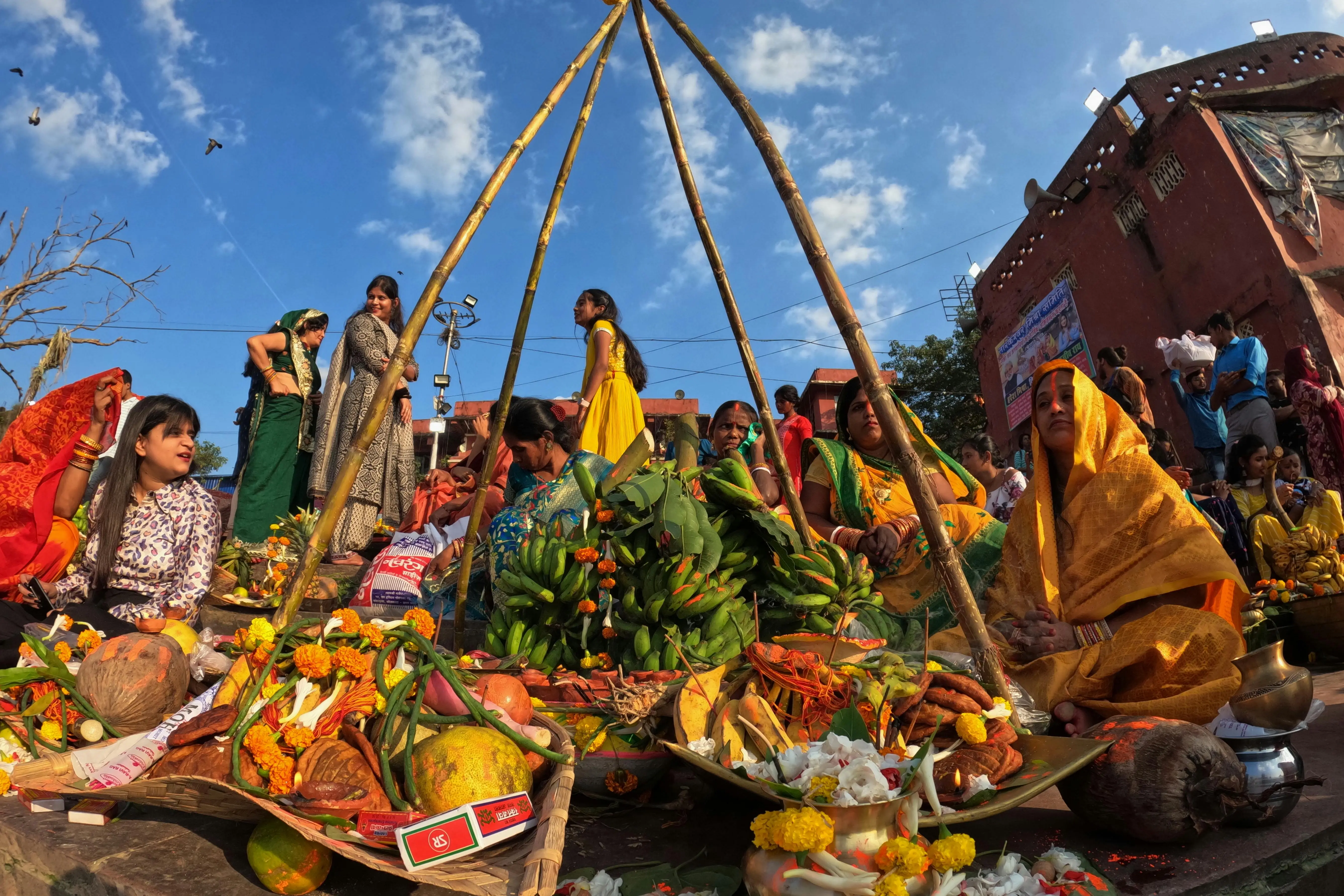
Chhath Puja, predominantly celebrated in Bihar, Jharkhand, and parts of Nepal, is a four-day festival dedicated to the Sun God, Surya. Devotees perform rituals including fasting, river bathing, and offering prayers to both the rising and setting sun. While its roots are deeply embedded in Indian culture, the veneration of the sun is a universal phenomenon. Ancient and even lost civilizations across the world developed solar festivals reflecting the sun’s vital role in agriculture, survival, and spiritual life.
Inti Raymi: The Incan Sun Festival
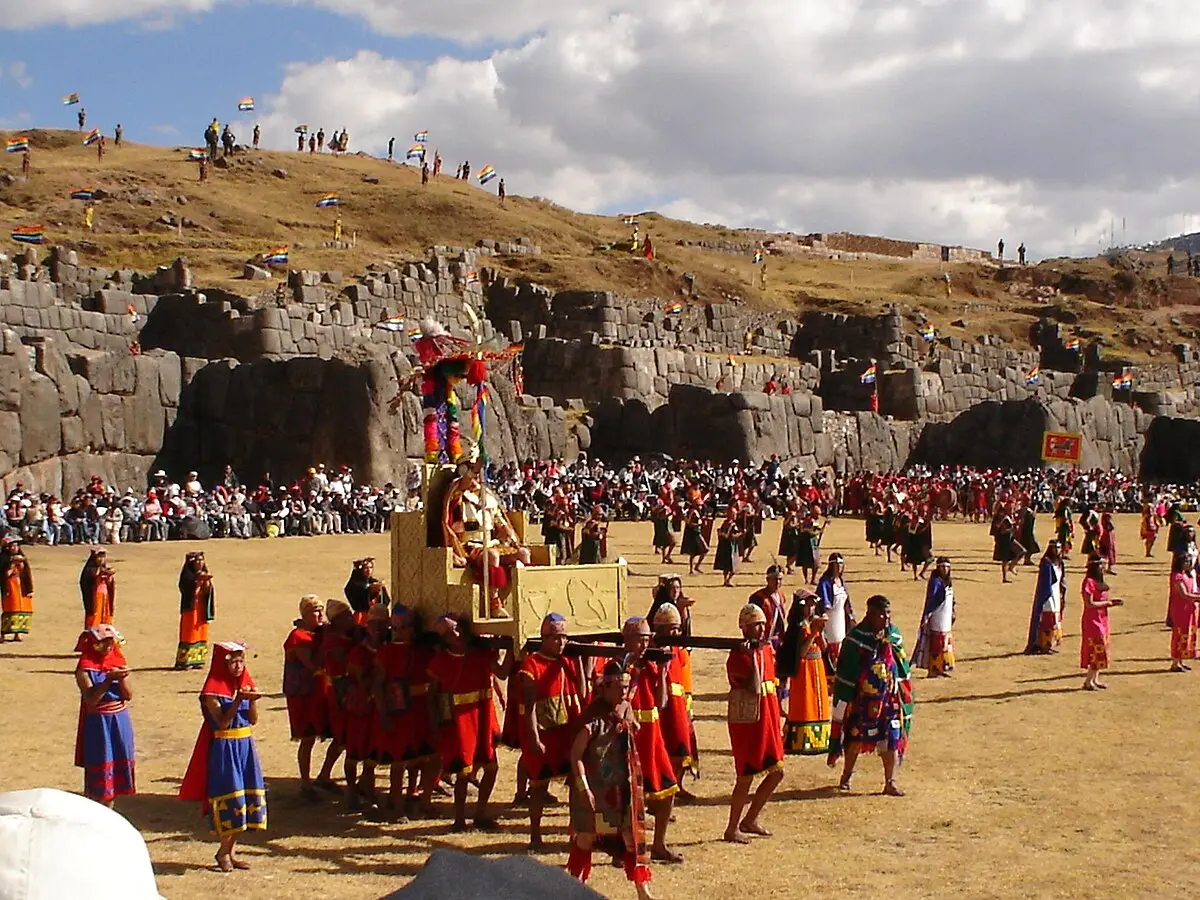
In the 15th-century Incan Empire of Peru, Inti Raymi was held during the winter solstice to honour Inti, the Sun God. The festival marked the beginning of the Andean New Year, ensuring agricultural fertility and communal prosperity. Ceremonies included offerings, processions, and dances, echoing themes of gratitude and reverence for the sun similar to Chhath Puja. Today, Cusco hosts a modern-day celebration, attracting thousands of participants and preserving the Incan tradition.
Dongzhi Festival: Winter Solstice in China
The Dongzhi Festival, celebrated in China and East Asia, marks the winter solstice. Its origins lie in ancient Chinese cosmology and solar worship, recognising the sun’s rebirth as days gradually lengthen. Families prepare and share traditional foods such as tangyuan (sweet rice balls) symbolising harmony and renewal. The festival reflects humanity’s enduring desire to honour the sun and its cyclical influence on life, paralleling Chhath Puja’s themes of gratitude and hope.
Mesoamerican Solar Worship
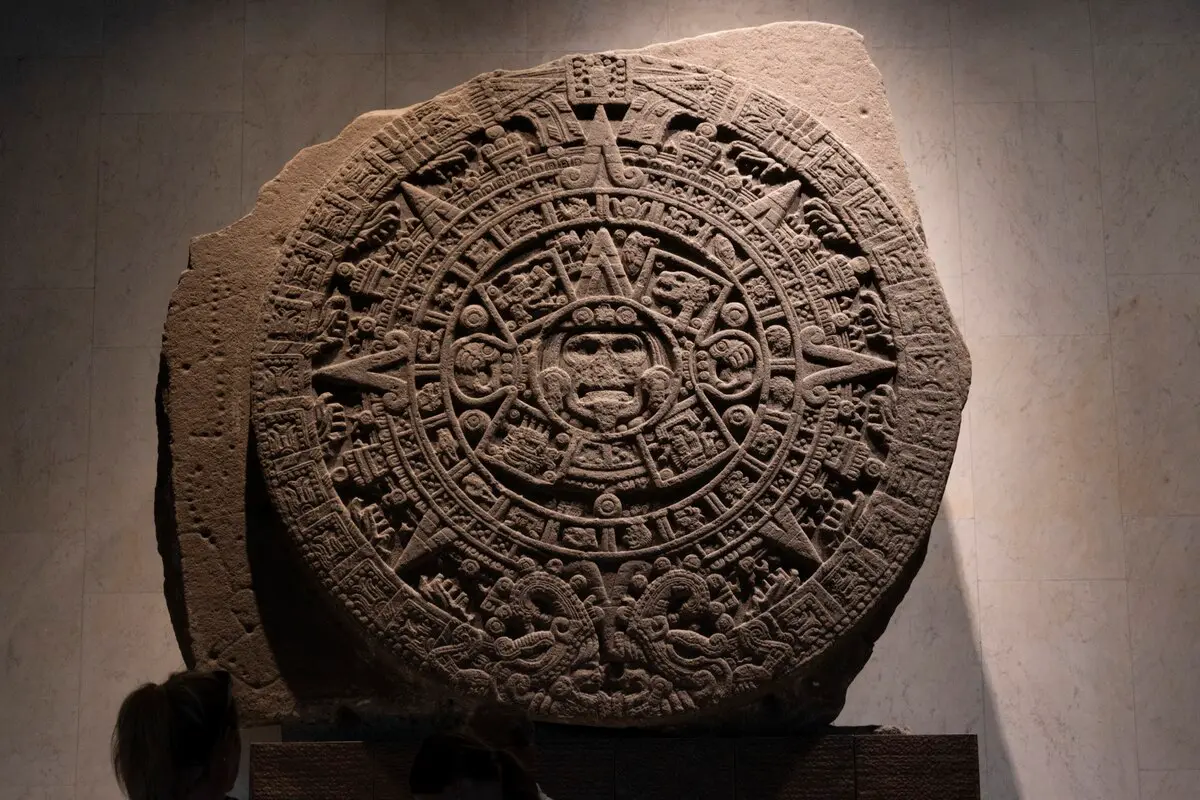
Civilisations such as the Maya and Aztec in Central America placed the sun at the centre of cosmology and daily life. They constructed temples aligned with solstices and equinoxes, performing sacrifices and ceremonies to maintain cosmic balance. The Aztec festival of Tonatiuh dedicated to the sun involved offerings to ensure warmth and crops, demonstrating ritual practices that mirror Chhath Puja’s focus on sustenance and solar reverence.
Ancient Egyptian Sun Festivals
In ancient Egypt, the worship of Ra, the sun deity, dominated religious life. Festivals aligned with solar cycles celebrated Ra’s journey across the sky. Offerings, prayers, and temple rituals sought to sustain the sun’s life-giving force and protect the Nile’s fertility. The Egyptians’ recognition of the sun’s centrality in human and ecological systems parallels the principles observed in Chhath Puja.
Conclusion
From lost civilisations like the Incas and Aztecs to ancient Egypt and East Asia, solar festivals across time and geography share key elements with Chhath Puja: reverence for the sun, rituals linked to sustenance and agriculture, and communal participation. These observances show humanity’s enduring connection to the sun, highlighting a universal understanding of its vital role in life, culture, and spirituality. Chhath Puja stands as a living continuation of this global heritage of solar worship.
)
)
)
)
)