India’s new 40% GST hits luxury and sin goods: What counts as a sin good, and is alcohol included? | Full list inside

&imwidth=600&imheight=450&format=webp&quality=medium "India’s new 40% GST hits luxury and sin goods: What counts as a sin good, and is alcohol included? | Full list inside")
India’s new 40% GST hits luxury and sin goods: What counts as a sin good, and is alcohol included? | Full list inside Photograph: (PTI, WION)
India will overhaul its GST system on 22 September, introducing a new 40% slab for luxury and sin goods, while scrapping 12% and 28% rates to simplify the tax structure.
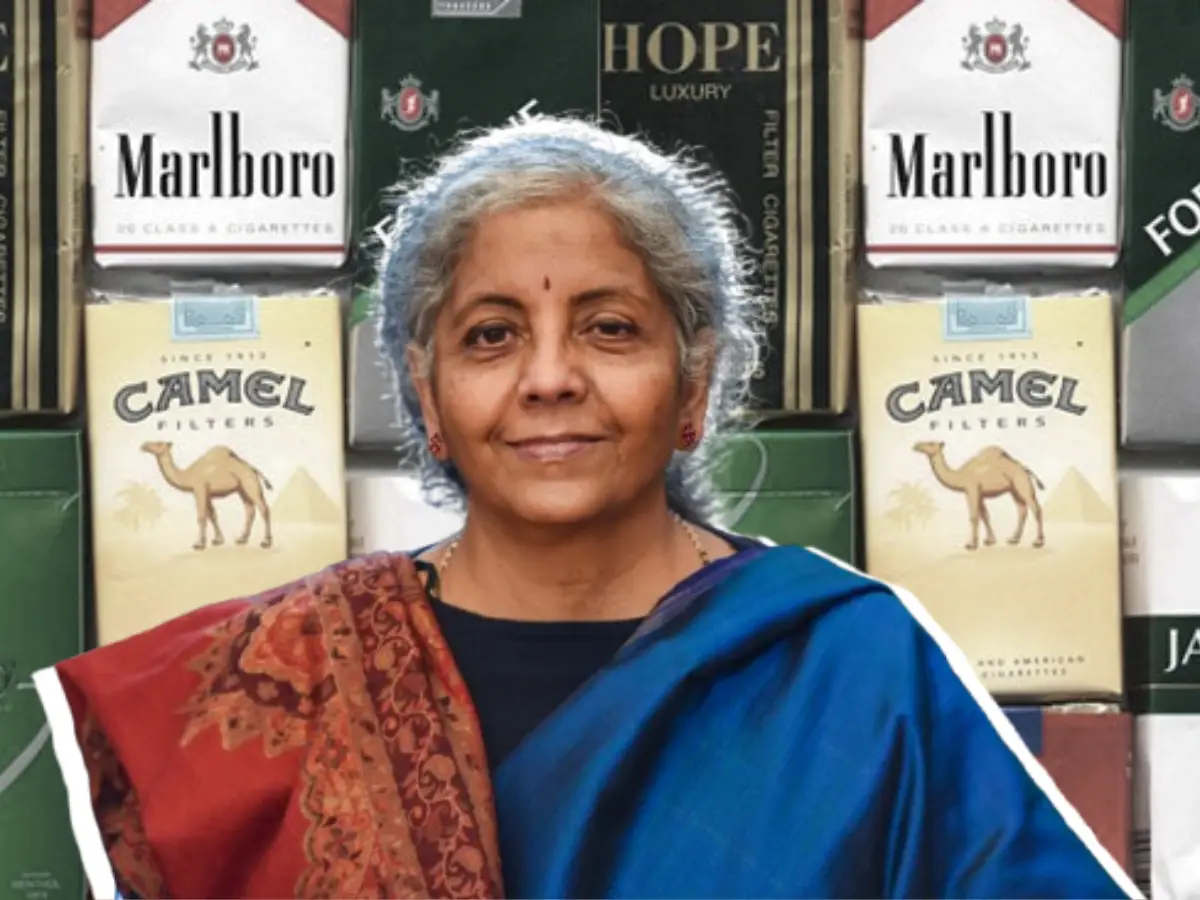
India’s indirect tax system is set for a major overhaul on 22 September, when a new 40% GST slab comes into effect. This move simplifies the current structure, scrapping the 12% and 28% brackets and leaving just three brackets, including, 5%, 18% and 40%. The new highest slab is aimed at luxury and sin goods, items considered harmful to health or non-essential for daily life. These include high-end vehicles, sugary drinks and tobacco products.
What are sin goods?
Sin goods are items such as tobacco, alcohol, sugary drinks and luxury products. Governments impose higher “sin taxes” on them both to discourage excessive use and to raise extra revenue. These taxes are seen as tools to curb social and health costs, while also boosting the state’s coffers.
Also read: New GST Rates 2025: What’s cheaper, what’s costlier after GST revamp? Check full list here
Full list of products under 40% GST
Here’s what will now fall into the top GST slab:
Trending Stories
&im=FitAndFill=(700,400)&imwidth=280&imheight=210&format=webp&quality=medium)
&imwidth=280&imheight=210&format=webp&quality=medium)
&imwidth=280&imheight=210&format=webp&quality=medium)
&imwidth=280&imheight=210&format=webp&quality=medium)
&imwidth=280&imheight=210&format=webp&quality=medium)
&imwidth=280&imheight=210&format=webp&quality=medium)
&imwidth=280&imheight=210&format=webp&quality=medium)
&imwidth=280&imheight=210&format=webp&quality=medium)
&imwidth=280&imheight=210&format=webp&quality=medium)
&imwidth=280&imheight=210&format=webp&quality=medium)
&imwidth=280&imheight=210&format=webp&quality=medium)
&imwidth=280&imheight=210&format=webp&quality=medium)
&imwidth=280&imheight=210&format=webp&quality=medium)
&imwidth=280&imheight=210&format=webp&quality=medium)
&imwidth=280&imheight=210&format=webp&quality=medium)
&imwidth=280&imheight=210&format=webp&quality=medium)
&imwidth=280&imheight=210&format=webp&quality=medium)
&imwidth=280&imheight=210&format=webp&quality=medium)
&imwidth=280&imheight=210&format=webp&quality=medium)
&imwidth=280&imheight=210&format=webp&quality=medium)
&imwidth=280&imheight=210&format=webp&quality=medium)
&imwidth=280&imheight=210&format=webp&quality=medium)
&imwidth=280&imheight=210&format=webp&quality=medium)
&imwidth=280&imheight=210&format=webp&quality=medium)
&imwidth=280&imheight=210&format=webp&quality=medium)
&im=FitAndFill=(700,400)&imwidth=280&imheight=210&format=webp&quality=medium)
&imwidth=280&imheight=210&format=webp&quality=medium)
&imwidth=280&imheight=210&format=webp&quality=medium)
&imwidth=280&imheight=210&format=webp&quality=medium)
&imwidth=280&imheight=210&format=webp&quality=medium)
&imwidth=280&imheight=210&format=webp&quality=medium)
&imwidth=280&imheight=210&format=webp&quality=medium)
&imwidth=280&imheight=210&format=webp&quality=medium)
&imwidth=280&imheight=210&format=webp&quality=medium)
&imwidth=280&imheight=210&format=webp&quality=medium)
1. Tobacco and Pan Masala (Sin Goods)
• Pan masala
• Gutka
• Chewing tobacco
• Unmanufactured tobacco and refuse (excluding leaves)
• Cigarettes
• Cigars, cheroots, cigarillos, and substitutes
2. Aerated and Sugary Beverages
• Carbonated drinks
• Sugary cold drinks
• Caffeinated fizzy beverages
3. Luxury Cars
• Petrol cars above 1200cc
• Diesel cars above 1500cc
4. High-End Motorcycles
• Bikes above 350cc engine capacity
5. Super-Luxury Marine and Aircraft
• Yachts
• Personal aircraft, including helicopters
6. Other Sin or Luxury Items
• Coal, lignite, peat
• Online gambling and gaming services
What about alcohol?
Alcohol has always been kept outside the GST framework. Instead, it continues to be taxed separately by states through excise duties, VAT and surcharges. This is deliberate for two reasons:
1. Revenue for states: Liquor duties bring in 15%–25% of state tax income, funding welfare and development schemes.
2. Price control: Keeping alcohol out of GST allows states to keep prices high, discouraging excessive drinking.
Tax experts warn that if alcohol were brought into GST, states would lose a key and dependable revenue stream. Since GST began in 2017, the Council has avoided touching this issue, knowing it would face strong political resistance.
While alcohol itself is outside GST, many services linked to it are taxed. Bottling, packaging, transport, advertising and equipment purchases all attract GST, creating a dual system where the product is state-taxed but the value chain falls under GST.
