‘I have no interest in politics,’ says former Reserve Bank of India Governor Raghuram Rajan

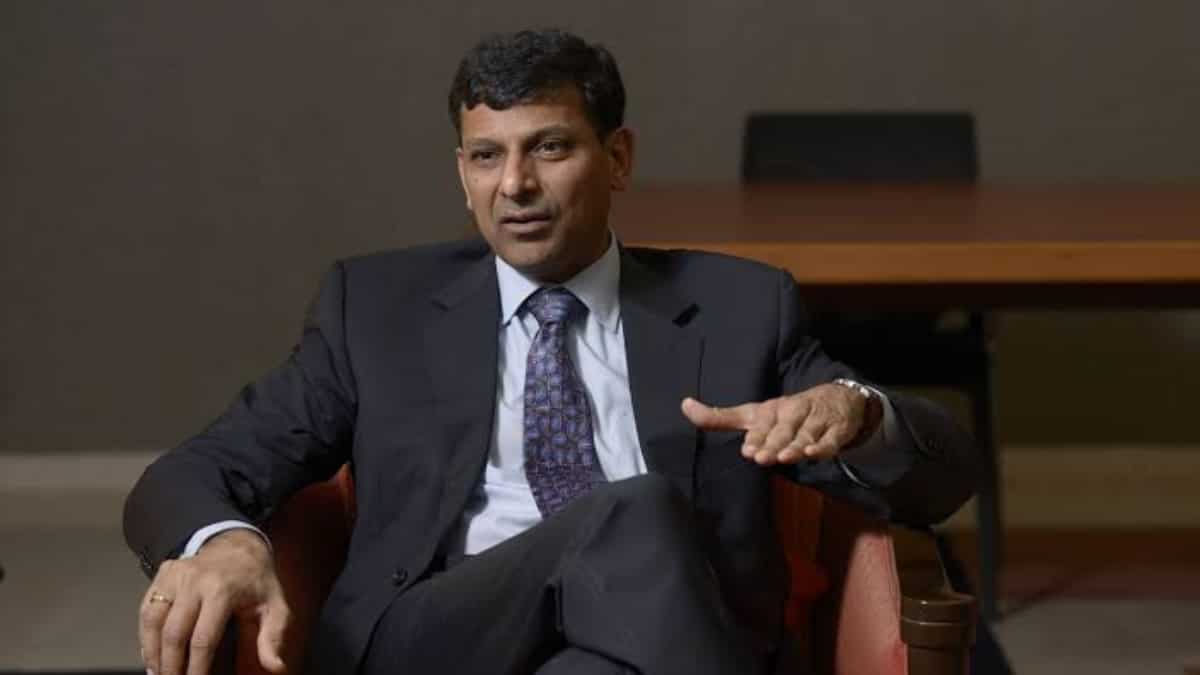
Raghuram Rajan
Raghuram Rajan, the former Governor of the Reserved Bank of India (RBI), opened up about his engineering days in IIT-Delhi and shared his viewpoints on politics and protests.
Rajan, who is in India to promote his bookBreaking The Mould, once contested an election in the premier engineering college, he said in a recent interview with The Lallantop.

"Election in IIT does not happen on a party basis. It happens on an individual basis," the economist said. "I became the Secretary of the English Debating Society. Then. I became General Secretary of the Students Affairs Council. We also protested against the institute authority because they were not giving scholarships to PhD students. So we shut the IIT for a day." However, he recalled the incident as "not my proudest moment."
"The ability to protest has to be protected"
Raghuram Rajan shared his opinion on political protests. He said, "Sometimes political protest is good because that changes the environment. The civil rights protest against racism in the US changed the society for the good. Political protests should be encouraged. However, non-violence is important."
&imwidth=180&imheight=135&format=webp&quality=medium)
India-US ties: Marco Rubio seeks India's oil & energy co-operation Ad Ad options Learn more
&imwidth=180&imheight=135&format=webp&quality=medium)
Dandiya Nite ’26: Indian High Commissioner hails diaspora as bridge between India and Nigeria
&imwidth=180&imheight=135&format=webp&quality=medium)
Iran rejects US talks until demands are met, rules out moving enriched uranium out of the country
&imwidth=180&imheight=135&format=webp&quality=medium)
Trump approval ratings hit record low | Is public support crumbling?
&imwidth=180&imheight=135&format=webp&quality=medium)
US midterms 2026: With Republicans spending big, Bloomberg opens his wallet for Democrats. Here's how much he is pouring
&imwidth=180&imheight=135&format=webp&quality=medium)
Cattle-feed bran in biscuits, detergent in milk: FSSAI acts against 3 companies
&imwidth=180&imheight=135&format=webp&quality=medium)
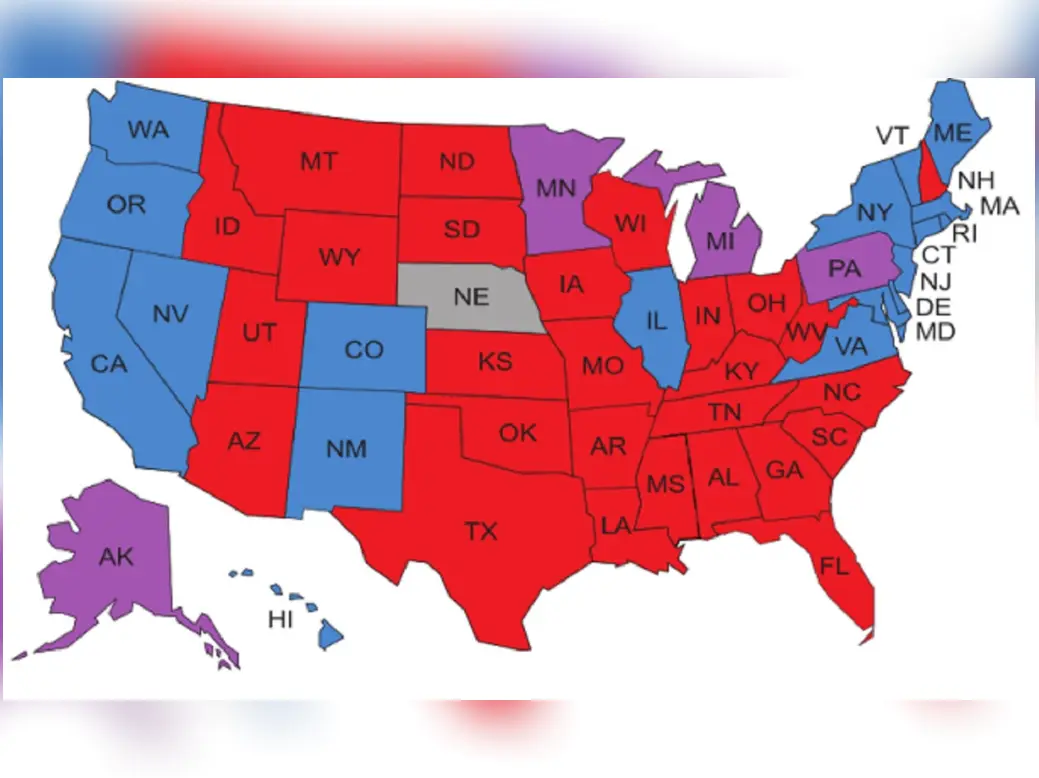
US midterms 2026: Red seats once deemed safe now appear shaky as Republicans spend big on ads
&imwidth=180&imheight=135&format=webp&quality=medium)
'US will never part with niche technology' former IAF assistant chief on India's fighter jet ambitions
&im=FitAndFill=(700,400)&imwidth=180&imheight=135&format=webp&quality=medium)
New OTT releases this week (October 19-25, 2026): Gajab Raat to Chaar Yaar-8 titles to watch during Dussehra week on Netflix, Prime Video and more
&imwidth=180&imheight=135&format=webp&quality=medium)
The Verdict | Trump, Putin and Xi: A superpower triangle that could reshape global diplomacy
&imwidth=180&imheight=135&format=webp&quality=medium)
India vs New Zealand T20I Series 2026: Complete schedule, match timings, squads and live streaming details
&im=FitAndFill=(700,400)&imwidth=180&imheight=135&format=webp&quality=medium)
What is the real meaning behind Pete Hegseth's tattoos?
&imwidth=180&imheight=135&format=webp&quality=medium)
Ukrainian drone airlifts wounded soldier in what is likely a world first
&imwidth=180&imheight=135&format=webp&quality=medium)
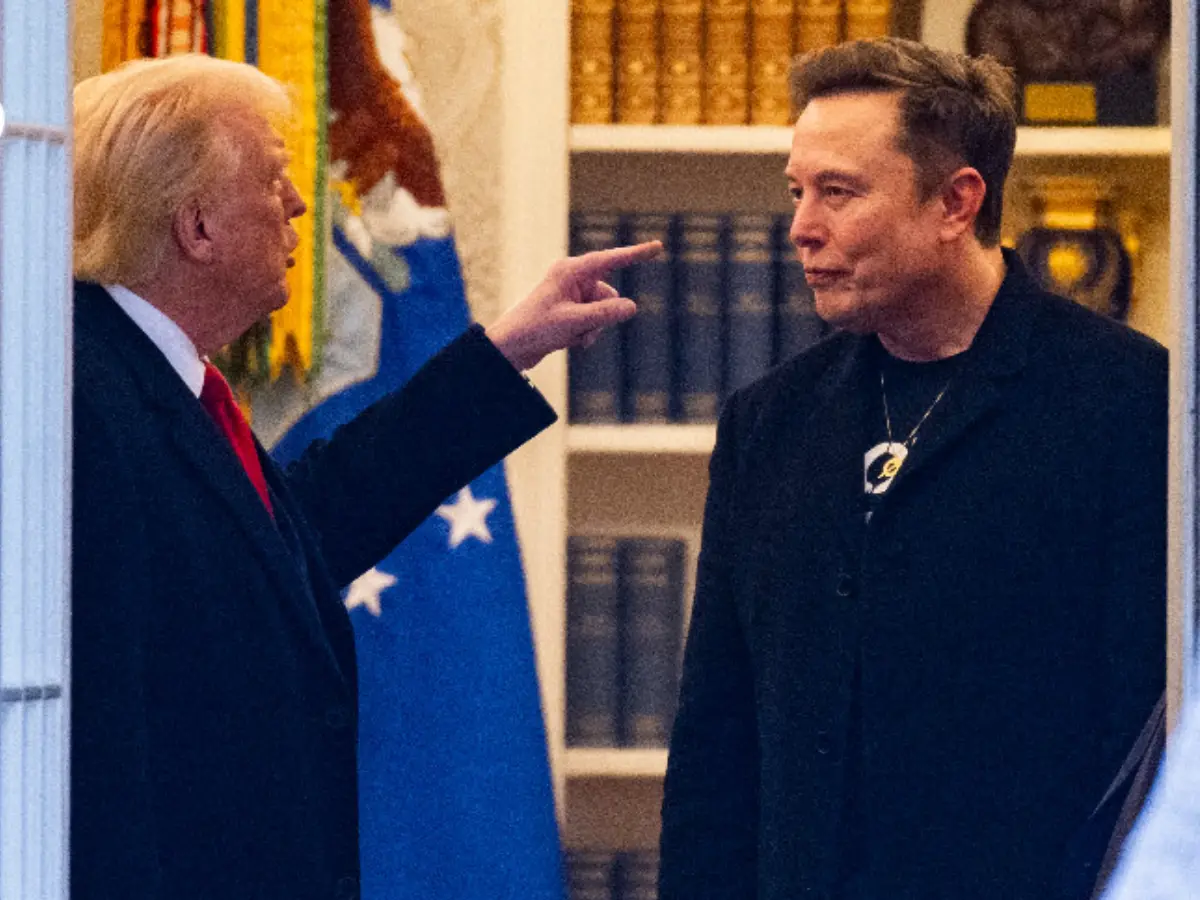
Musk ordered Starlink restrictions that caught Ukraine off guard amid escalating tensions: Report
&imwidth=180&imheight=135&format=webp&quality=medium)
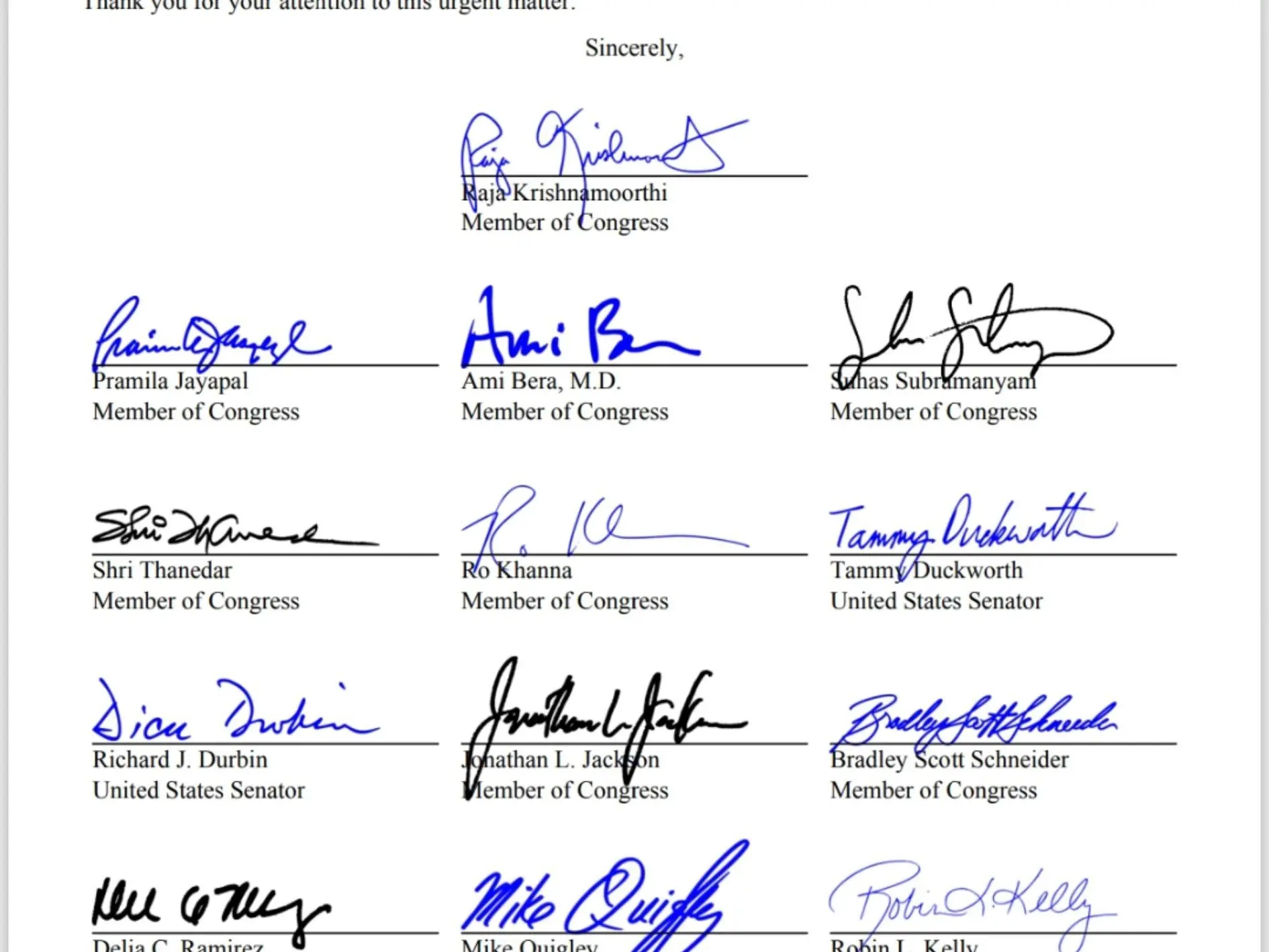
Over 100 US lawmakers urge FBI to probe foiled Hindu temple shooting as hate crime
&im=FitAndFill=(700,400)&imwidth=180&imheight=135&format=webp&quality=medium)
Priyanka Chopra to Shilpa Shetty: 6 Bollywood actresses and their fitness secrets
&imwidth=180&imheight=135&format=webp&quality=medium)
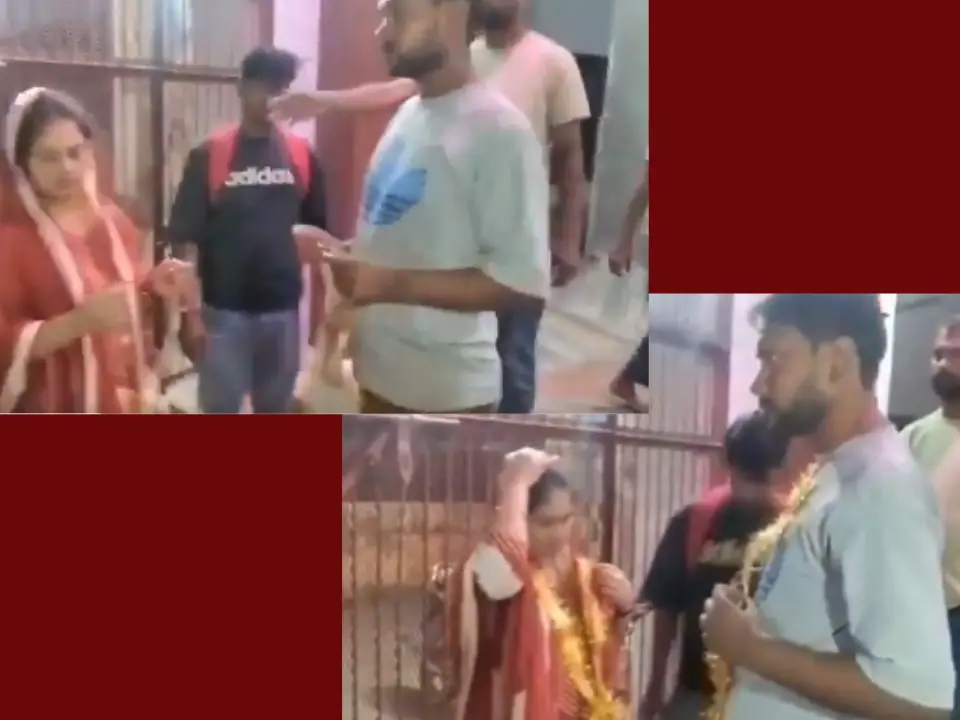
Man marries off wife of 17 years to her lover in Uttar Pradesh
&imwidth=180&imheight=135&format=webp&quality=medium)
'They are not even telling us' - Mysterious metallic object discovered in Minnesota field
&imwidth=180&imheight=135&format=webp&quality=medium)
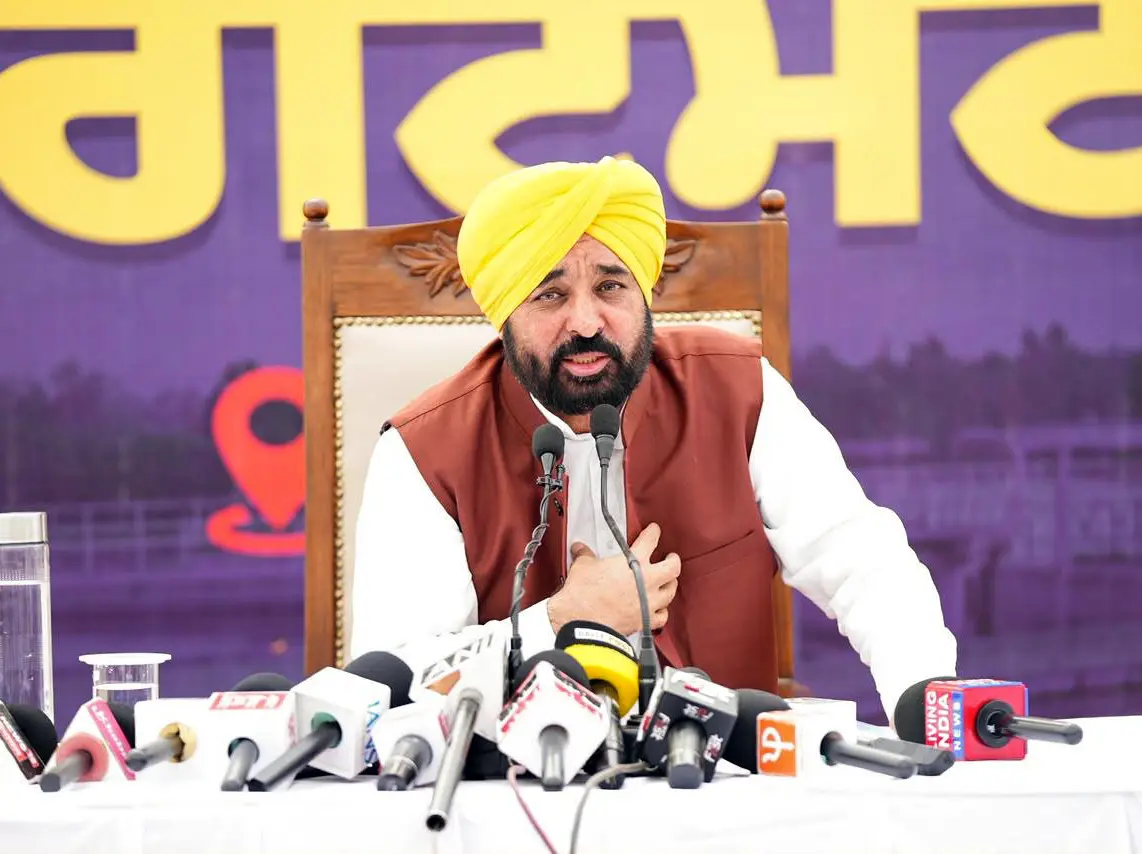
Punjab CM Bhagwant Mann allegedly detained for three hours at Delhi airport, fined ₹50,000: AAP
&imwidth=180&imheight=135&format=webp&quality=medium)
Feds obtain DNA evidence that could prove Ilhan Omar married her brother: Report
&imwidth=180&imheight=135&format=webp&quality=medium)
India moves to buy 10,000 more AI chips for a national compute pool open to startups
&imwidth=180&imheight=135&format=webp&quality=medium)
Shastri backs Shami comeback; lauds Bhuvi and warns Bumrah on format workload ahead of World Cup
&imwidth=180&imheight=135&format=webp&quality=medium)
'What's wrong with you? Are you a sick person?': Trump at it again as he snaps at reporters, faces backlash
&imwidth=180&imheight=135&format=webp&quality=medium)
Trump says he wants Zelensky to 'make a deal' with Russia, asks Putin to release American prisoner Stephen Hubbard
&imwidth=180&imheight=135&format=webp&quality=medium)
Trump says Ilhan Omar 'could go to jail' amid federal probe, calls Somalia a 's***house'
&imwidth=180&imheight=135&format=webp&quality=medium)
Trump calls Le Pen France’s ‘conservative voice’ after riots, but holds back on endorsement
&imwidth=180&imheight=135&format=webp&quality=medium)
Ramayana advance booking: Ranbir Kapoor, Yash's film cross $500K ahead of Diwali release
&imwidth=180&imheight=135&format=webp&quality=medium)
Zohran Mamdani's Garba dance goes viral as he joins Indian community's Navratri celebrations | WATCH
&imwidth=180&imheight=135&format=webp&quality=medium)
Pujara says 'Samson and Vaibhav cannot be in Playing XI' for India on NZ tour
&imwidth=180&imheight=135&format=webp&quality=medium)
Trump considers removing White House press corps to restore historic indoor swimming pool
&imwidth=180&imheight=135&format=webp&quality=medium)
Ukrainian soldier rescued by a drone chopped off own leg while hiding for 491 days
&imwidth=180&imheight=135&format=webp&quality=medium)
What the Mecca Joint Defence Agreement says about withdrawal and military support. Read full text of the pact here
&imwidth=180&imheight=135&format=webp&quality=medium)
US-Iran war | Tehran: Must end port blockade, oil sanctions and regional attacks
&imwidth=180&imheight=135&format=webp&quality=medium)
'Tap dancing through a minefield': Musk backs SpaceX-Tesla merger as AI boom fuels rocket firm's first profit
&imwidth=180&imheight=135&format=webp&quality=medium)
SBI confirms data breach: 3,897 records flagged on dark web. Is your money safe?
&imwidth=180&imheight=135&format=webp&quality=medium)
Boeing 737 MAX10 gets FAA certification, deliveries expected to begin in 2027
ALSO READ |Dawood Ibrahim, India’s most wanted criminal, poisoned in Pakistan: Report
The economist continued by saying that not all protests are constructive. However, Rajan believes that one must have the freedom to protest. When asked about his views on protests and their impact on economic activity, Rajan was clear that "the ability to protest has to be protected."
'I have no interest in politics'
Rajan recalled the time when he contested in the college elections and said, "I was involved in politics. Fortunately, I got out of it also."
When asked whether he would join politics, the former RBI Governor said, "I have no interest in politics."
ALSO READ |Delhi Metro: Woman dies after her saree gets stuck in closing doors, enquiry launched
Rajan mentioned he wanted India to adopt the right policies so that the nation could become developed by 2047. In his new book, which he has co-authored with Rohit Lamba, an assistant professor at Pennsylvania University, he highlights the weaknesses and strengths of India. The book also talks about how there should be a debate on what policies India needs to adopt.
On Saturday, Rajan said at another event that India will remain a lower-middle-income country if the potential growth rate stays at six per cent annually without any rise in population by 2047.
(With inputs from agencies)