From tomatoes to jewellery: 10 things that got costlier in June, 5 that became cheaper, and which states were hit hardest by retail inflation

&imwidth=600&imheight=450&format=webp&quality=medium "From tomatoes to jewellery: 10 things that got costlier in June, 5 that became cheaper, and which states were hit hardest by retail inflation")
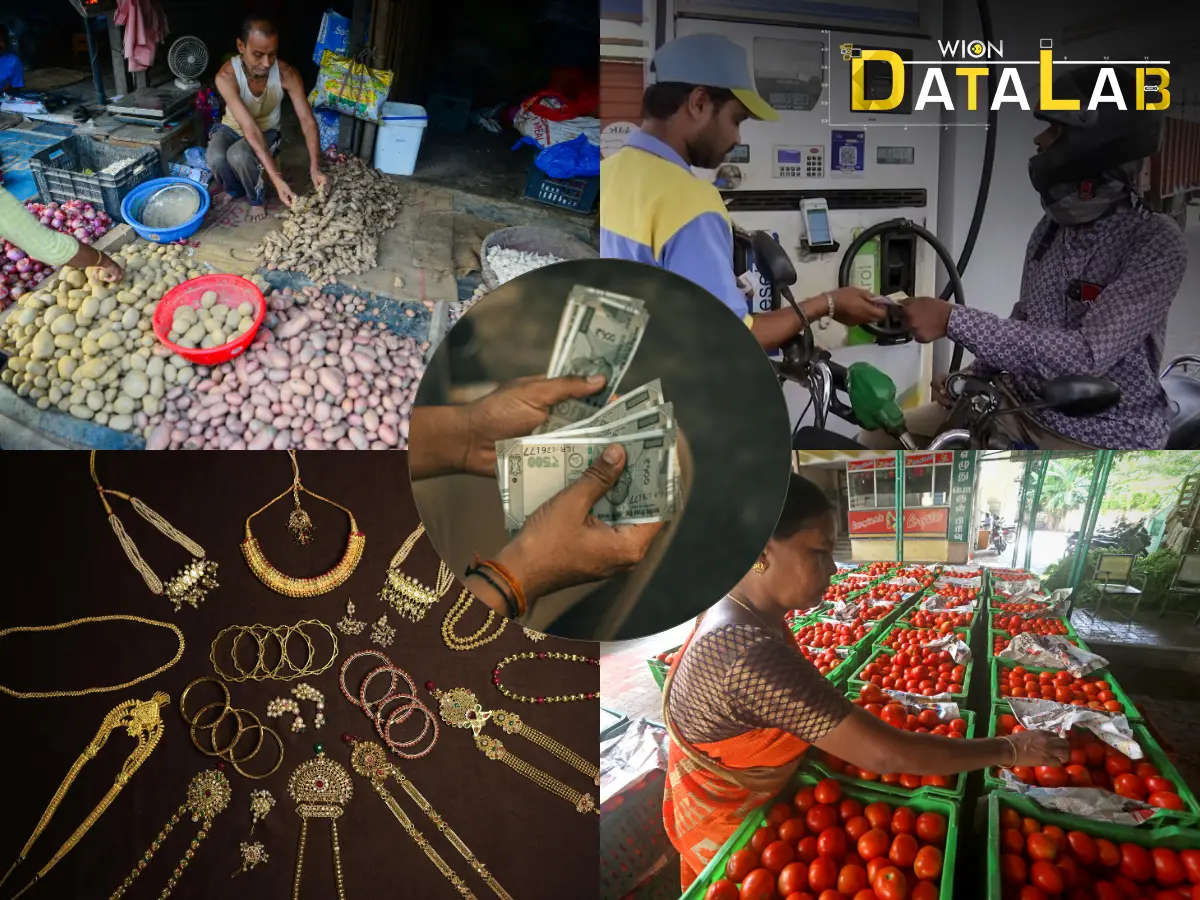
India inflation crosses RBI target: 10 things that got more expensive, 5 that became cheaper Photograph: (Combination created using images from ANI and Canva)
India's inflation has climbed above the RBI's 4% target again. Tomatoes, ginger, gold and even silver jewellery have become significantly more expensive, while only a handful of items have got cheaper. Scroll down to see the full winners and losers.
India's retail inflation climbed to 4.38 per cent in June 2026, crossing the Reserve Bank of India's (RBI) 4 per cent target for the first time in months. While the overall inflation rate remains within the RBI's 2 to 6 per cent tolerance band, the latest data shows households are once again paying noticeably more for several everyday essentials, especially food.
Here's a breakdown of which things got more expensive and what got cheaper.
10 things that became more expensive
1. Silver jewellery (+133.21%)
In June 2026, Silver witnessed the biggest jump. Surging global precious metal prices pushed silver jewellery inflation above 133 per cent.
2. Ginger (+50.41%)
Trending Stories
)
)
)
)
)
)
)
)
)
)
)
)
)
)
)
)
)
)
&im=FitAndFill=(700,400))
)
)
)
&im=FitAndFill=(700,400))
)
&im=FitAndFill=(700,400))
&im=FitAndFill=(700,400))
)
Ginger recorded one of the sharpest food price increases. The increase in price was driven by seasonal supply constraints.
3. Gold, diamond and platinum jewellery (+36.82%)
Higher international bullion prices continued to feed into domestic jewellery costs, jacking up the price of Gold, diamond and platinum by 36.82 per cent.
4. Tomatoes (+31.92%)
Monsoon-related supply disruptions once again made tomatoes one of the costliest vegetables. According to Crisil, the increase in price of this Indian household staple was caused by a delayed and lower summer crop planting caused by high temperatures in February and March.
5. Raisins - Kishmish/Monacca (+20.52%)
Dry fruits also witnessed significant price pressure, with prices going up by 20.52 per cent.
6. Personal care products (+16.72%)
Another notable increase was recorded in the prices of personal care and miscellaneous services. These recorded one of the fastest-growing inflation categories.
7. Restaurants and accommodation (+6.91%)
While home-cooked meals became more expensive, dining out and hotel stays also grew costlier due to rising operating expenses.
8. Food and beverages (+5.05%)
The overall food basket remained the biggest contributor to headline inflation.
9. Transport (+4.31%)
Higher fuel costs following disruptions in global oil markets pushed transport costs upward.
10. Clothing and footwear (+3.23%)
Apparel prices also continued their steady upward climb.
5 things that actually became cheaper
Despite the overall rise in prices, some products surprisingly bucked the trend and saw a reduction in prices.
Potatoes: -20.34%
Peas: -9.67%
Cumin (Jeera): -3.75%
Motor car and jeep: -6.89
Motor cycle and scooter: -3.49
Housing inflation remained relatively subdued at 2.10%, helping cushion the overall CPI.
Some manufactured goods also showed limited price increases compared with food items.
Item
Inflation (%)
May, 2026
Inflation (%)
June, 2026
Peas
-11.47
Which states recorded the highest inflation?
| Rank | State/UT | Retail inflation |
| 1 | Telangana | 6.36% |
| 2 | Andhra Pradesh | 5.39% |
| 3 | Puducherry | 5.39% |
| 4 | Madhya Pradesh | 5.09% |
| 5 | Karnataka | 4.80% |
Lowest inflation: State-wise
| State | Inflation |
| Mizoram | 1.63% |
| Tripura | 1.65% |
| Arunachal Pradesh | 2.47% |
Why did inflation rise in June 2026?
A perfect storm of local crop shortages and global tension drove a sharp rise in grocery prices last month, pushing food inflation up to 5.32 per cent.
The price hikes hit families in rural areas the hardest, where food inflation reached 5.45 per cent compared to 5.09 per cent in cities. The main cause was a massive jump in the cost of basic kitchen staples, led by a sudden rally in tomato and ginger prices, along with a steep rise in gold and precious metals that pushed jewellery prices up.
At the same time, ongoing shipping and supply chain troubles caused by the West Asia conflict kept international fuel and transport costs high, passing the extra burden straight down to everyday consumers.
What does it mean for consumers?
Inflation above the RBI's target does not automatically mean interest rates will rise, but it reduces the central bank's room to cut rates. If elevated prices persist, borrowers could eventually face higher loan costs, while households may have to spend more on essentials and trim discretionary purchases.
The RBI's next monetary policy decision, due on August 5, will now be closely watched for clues on whether the June inflation spike is temporary or the start of a broader trend.

