From Kargil to Op Sindoor: How 1999’s tactical lessons transformed India’s defence posture and border strategy

&imwidth=600&imheight=450&format=webp&quality=medium "From Kargil to Op Sindoor: How 1999’s tactical lessons transformed India’s defence posture and border strategy")
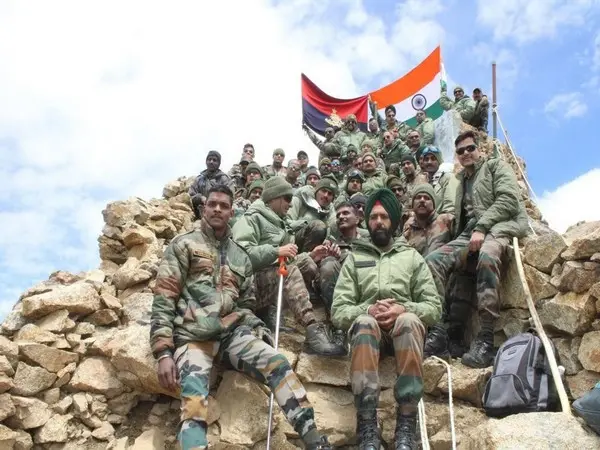
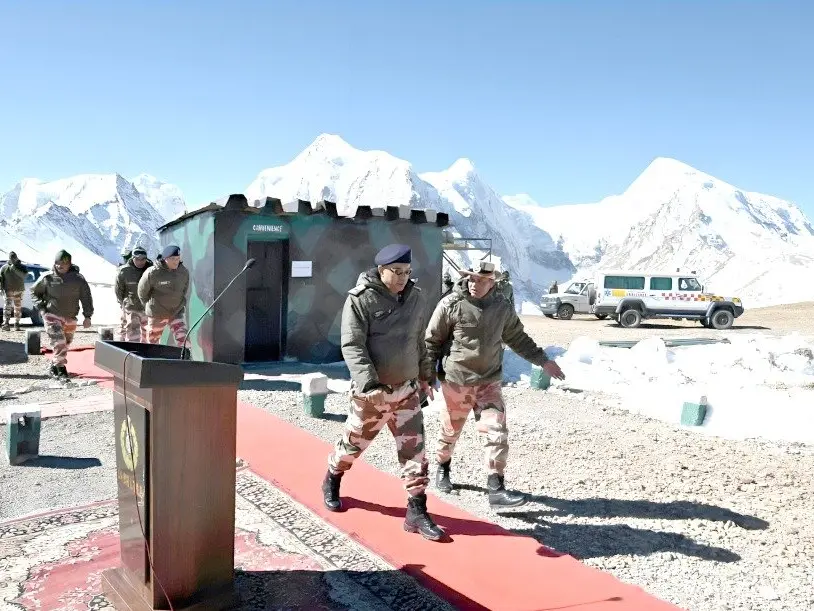
India recently celebrated Kargil War Vijay Diwas (File photo) Photograph: (Indian Army)
India’s defence strategy evolved from Kargil's defensive stance to active deterrence, as seen in Op Sindoor. Modern focus on joint operations, tech, and firm response deters border misadventures.
India recently celebrated Kargil War Vijay Diwas (Victory Day) on July 26. The year 2026 was the 27th anniversary of the Indian-Pakistan war fought in 1999 in the high-altitude region of Jammu and Kashmir. India was at a disadvantage in the war, as the enemy had occupied peaks vacated by the Indian Army, as per the Shimla Agreement, during winters. The enemy had crossed the Line of Control (LoC) to occupy the empty peaks and had National Highway 1, which connects Srinagar to Delhi, in their sight, making it highly difficult for the Indian forces to recapture them, but India won eventually, despite the high cost.
Last year, India and Pakistan were at loggerheads once again during Operation Sindoor - a three-day conflict in May 2025, which happened after the Pakistan-based terrorists killed more than 20 Indian tourists in Jammu and Kashmir's Pahalgam. The three-day conflict was fought in a very different way than Kargil.
WION's Prashant Talreja recently spoke to Major (retired) Lovendra Singh Chaudhary of the Army Service Corps (ASC), who had also served two full tenures in the Kashmir Valley, in counterterrorism and counter-insurgency operations, about what ideas were taken from Kargil by the Indian defence forces.
Also read: Pakistan targeted Delhi with high-speed missile during Operation Sindoor: Discovery documentary
"We have to make sure that all the posts, not just the LoC, but across all the borders that India shares with other countries. We have to monitor them using the best of the electronic means, best of the human electronic intelligence, and utilize our intelligence agencies. Everybody has to come together, come in sync and start working. And, these kinds of things were brought out by the AV Singh committee also."
Remembering the role of the Indian Air Force and the Army in the Kargil war, Singh noted: "Initially, the Air Force was not employed, and as I have heard from people, the coordination was missing."
Trending Stories
&imwidth=280&imheight=210&format=webp&quality=medium)
&imwidth=280&imheight=210&format=webp&quality=medium)
&imwidth=280&imheight=210&format=webp&quality=medium)
&imwidth=280&imheight=210&format=webp&quality=medium)
&imwidth=280&imheight=210&format=webp&quality=medium)
&imwidth=280&imheight=210&format=webp&quality=medium)
&imwidth=280&imheight=210&format=webp&quality=medium)
&imwidth=280&imheight=210&format=webp&quality=medium)
&imwidth=280&imheight=210&format=webp&quality=medium)
&imwidth=280&imheight=210&format=webp&quality=medium)
&imwidth=280&imheight=210&format=webp&quality=medium)
&imwidth=280&imheight=210&format=webp&quality=medium)
&imwidth=280&imheight=210&format=webp&quality=medium)
&imwidth=280&imheight=210&format=webp&quality=medium)
&imwidth=280&imheight=210&format=webp&quality=medium)
&imwidth=280&imheight=210&format=webp&quality=medium)
&imwidth=280&imheight=210&format=webp&quality=medium)
&imwidth=280&imheight=210&format=webp&quality=medium)
&imwidth=280&imheight=210&format=webp&quality=medium)
&imwidth=280&imheight=210&format=webp&quality=medium)
&imwidth=280&imheight=210&format=webp&quality=medium)
&imwidth=280&imheight=210&format=webp&quality=medium)
&imwidth=280&imheight=210&format=webp&quality=medium)
&imwidth=280&imheight=210&format=webp&quality=medium)
&imwidth=280&imheight=210&format=webp&quality=medium)
&imwidth=280&imheight=210&format=webp&quality=medium)
&im=FitAndFill=(700,400)&imwidth=280&imheight=210&format=webp&quality=medium)
&im=FitAndFill=(700,400)&imwidth=280&imheight=210&format=webp&quality=medium)
&imwidth=280&imheight=210&format=webp&quality=medium)
&imwidth=280&imheight=210&format=webp&quality=medium)
&imwidth=280&imheight=210&format=webp&quality=medium)
&imwidth=280&imheight=210&format=webp&quality=medium)
&imwidth=280&imheight=210&format=webp&quality=medium)
&imwidth=280&imheight=210&format=webp&quality=medium)
"After Kargil, the Army, the Air Force and the Navy started working alongside each other on a lot of things. When I got commissioned in the early 2000s, that time we could also see those changes (reorganisation) were there. The need was realised by everybody, including the AV Singh Committee as well as the top leadership in the three armed forces. Now we have Marcos, Marine Commandos operating with us in Kashmir and all other parts and Garun Commandos are operating with us well.
"The realisation had come in that the leadership has to be looking forward like 20 years and 50 years. And when we got commissioned, we were told, you are not just a warrior, you're a scholar warrior. We have to be very thoughtful, and we have to look forward. Fighting and going into a battle is one aspect, but planning and preparing for battle today and in the future- that's even more important, and hence there is a lot of focus on academics, especially for officers.
"Also nowadays, since technological advancements are so high, even troops and Javans, we want them to be like tech-savvy and very tech-friendly."
On the question of how the stance of India has changed towards the enemy's misadventures post Kargil, Singh noted: "We are openly saying, you do this, we will go (cross LoC) and punish."
"During the Kargil operations, we never crossed the line of control. Now, the aim is that armed forces should be so potent and so strong that any neighbour cannot look at us with an eye for misadventure.
"The armed forces have always been capable as seen in surgical strikes and Balakot strikes. But we got to understand something more - at one point when there is a change in the stance that India takes, that is, if you do something, we will come and hunt you down over there. We will not then respect the border and LoC. I think this is a very good and positive step that we are taking and it's important that we make it a policy."
On what more is needed to keep the borders secured, Singh said, "We got to be very independent and very dominant in technology, man-power and warfare. Everything has to be better than the rest of the countries."
"We can always go ahead and keep killing terrorists, but unless we cut that process of manufacturing more terrorists, it is not going to help ever and we have to be in that direction."

