French Connection: 6 reasons why France is India's top partner in Europe

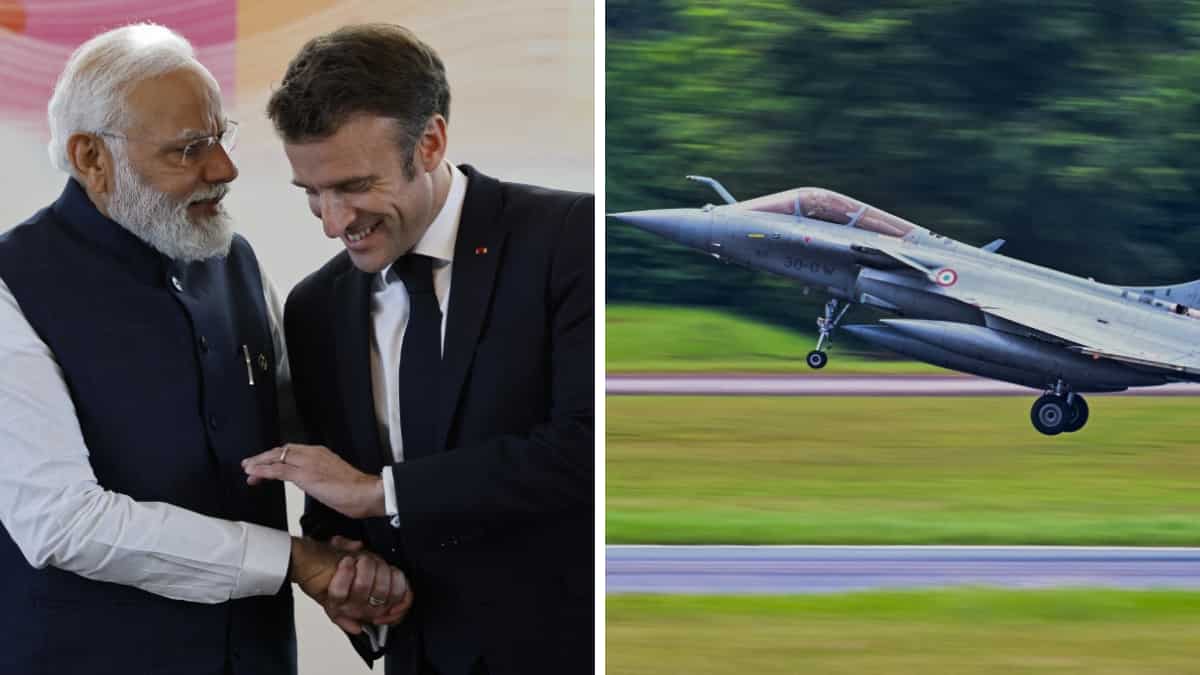
Modi and Macron
Indian Prime Minister Narendra Modi's two-day visit to France to attend the Bastille Day parade marks a significant milestone in the strengthening relationship between India and France. This is the second time that an Indian leader has been invited as the 'Guest of Honour' to the parade, which is a major event in the French national calendar.
While the visit is an opportunity for PM Narendra Modi and French President Emmanuel Macron to discuss a range of bilateral issues including defence, trade, and investment, it also celebrates the historical and cultural ties shared by the two countries.
The India-France relationship, which has been steadily strengthening in the recent years, has a long and rich history. From defence cooperation to trade ties and climate action, India and France have worked together on a host of global issues.

Prime Minister Narendra Modi's visit also coincides with the celebration of 25 years of the strategic partnership between India and France. In 1998, the then-French president Jacques Chirac visited India, and the two nations agreed to develop their respective strategic independence by drawing on concrete bilateral cooperation.
One of the key things that bind these two democracies together is also their commitment to promote a multipolar world and defend multilateralism and international law.
As the two countries write a new chapter in strategic partnership, here are six reasons that make France India's top partner in Europe:
&im=FitAndFill=(700,400)&imwidth=180&imheight=135&format=webp&quality=medium)
What is the real meaning behind Pete Hegseth's tattoos?
&imwidth=180&imheight=135&format=webp&quality=medium)
Zohran Mamdani's Garba dance goes viral as he joins Indian community's Navratri celebrations | WATCH
&imwidth=180&imheight=135&format=webp&quality=medium)
Rafale Marine fighter begins flight trials in Goa ahead of Indian Navy induction
&imwidth=180&imheight=135&format=webp&quality=medium)
SBI confirms data breach: 3,897 records flagged on dark web. Is your money safe?
&imwidth=180&imheight=135&format=webp&quality=medium)
India to develop first indigenous aviation gun for Prachand, Rudra attack helicopters, SSS Defence CEO confirms
&imwidth=180&imheight=135&format=webp&quality=medium)
Man marries off wife of 17 years to her lover in Uttar Pradesh
&imwidth=180&imheight=135&format=webp&quality=medium)
Boeing 737 MAX10 gets FAA certification, deliveries expected to begin in 2027
&imwidth=180&imheight=135&format=webp&quality=medium)
Shastri backs Shami comeback; lauds Bhuvi and warns Bumrah on format workload ahead of World Cup
&imwidth=180&imheight=135&format=webp&quality=medium)
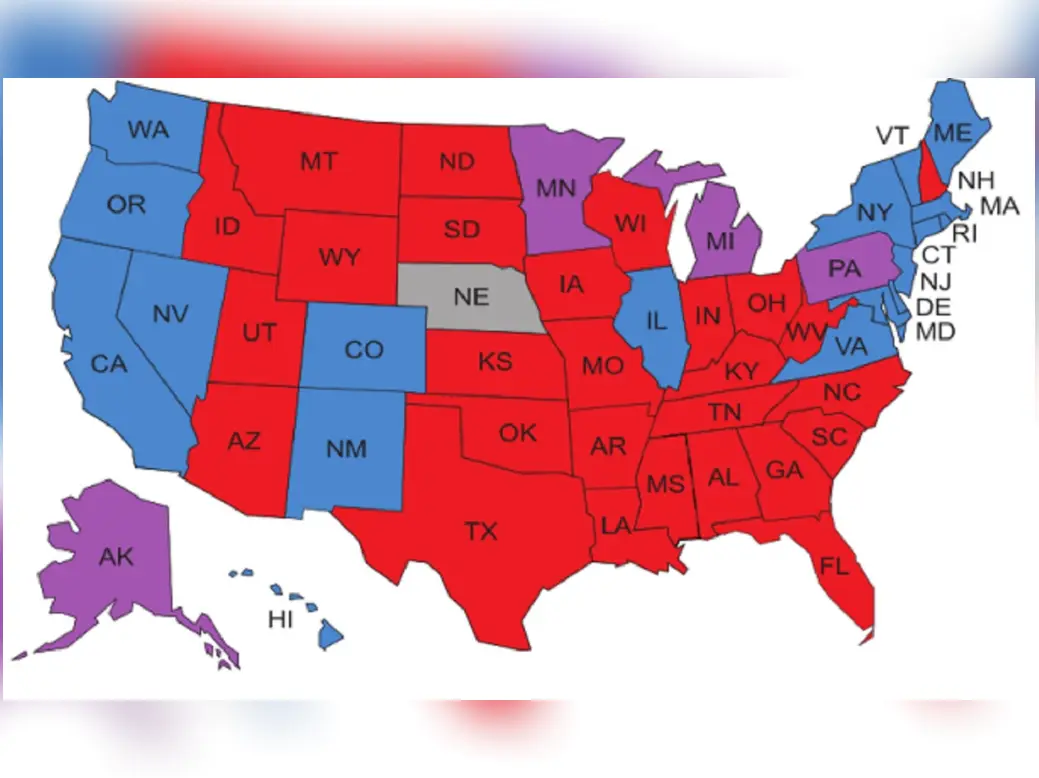
US midterms 2026: Red seats once deemed safe now appear shaky as Republicans spend big on ads
&imwidth=180&imheight=135&format=webp&quality=medium)
'Tap dancing through a minefield': Musk backs SpaceX-Tesla merger as AI boom fuels rocket firm's first profit
&imwidth=180&imheight=135&format=webp&quality=medium)
Trump says Ilhan Omar 'could go to jail' amid federal probe, calls Somalia a 's***house'
&imwidth=180&imheight=135&format=webp&quality=medium)
Punjab CM Bhagwant Mann allegedly detained for three hours at Delhi airport, fined ₹50,000: AAP
&imwidth=180&imheight=135&format=webp&quality=medium)
Trump waves at 'empty space' in viral video,' critics claim 'mental decline getting worse' | WATCH
&imwidth=180&imheight=135&format=webp&quality=medium)
What the Mecca Joint Defence Agreement says about withdrawal and military support. Read full text of the pact here
&imwidth=180&imheight=135&format=webp&quality=medium)
IND vs NZ T20Is: Will Sooryavanshi play? Skipper Shreyas Iyer clears the air on Samson vs Vaibhav debate
&imwidth=180&imheight=135&format=webp&quality=medium)
'You are not Gen Z': Delhi HC pulls up CJP's Das, Ranka over bail bond breach after Jantar Mantar trespass
&imwidth=180&imheight=135&format=webp&quality=medium)
India vs New Zealand T20I Series 2026: Complete schedule, match timings, squads and live streaming details
&imwidth=180&imheight=135&format=webp&quality=medium)
Trump considers removing White House press corps to restore historic indoor swimming pool
&imwidth=180&imheight=135&format=webp&quality=medium)
Ukrainian soldier rescued by a drone chopped off own leg while hiding for 491 days
&imwidth=180&imheight=135&format=webp&quality=medium)
US-Iran war | Tehran: Must end port blockade, oil sanctions and regional attacks
&im=FitAndFill=(700,400)&imwidth=180&imheight=135&format=webp&quality=medium)
Priyanka Chopra to Shilpa Shetty: 6 Bollywood actresses and their fitness secrets
&imwidth=180&imheight=135&format=webp&quality=medium)
Pujara says 'Samson and Vaibhav cannot be in Playing XI' for India on NZ tour
&imwidth=180&imheight=135&format=webp&quality=medium)
'What's wrong with you? Are you a sick person?': Trump at it again as he snaps at reporters, faces backlash
&imwidth=180&imheight=135&format=webp&quality=medium)
US Midterms 2026 and money: From Bloomberg to Musk, corporate donors, super PACs and lobbies, it's all about the cash
&imwidth=180&imheight=135&format=webp&quality=medium)
‘Even legends can fall ill’: Badshah, Anupam Kher and other stars defend Daler Mehndi after Uttarakhand stage controversy
&imwidth=180&imheight=135&format=webp&quality=medium)
'UN experts is an oxymoron': Rubio mocks UN over India protests criticism, refuses to comment on India's internal matter
&im=FitAndFill=(700,400)&imwidth=180&imheight=135&format=webp&quality=medium)
New OTT releases this week (October 19-25, 2026): Gajab Raat to Chaar Yaar-8 titles to watch during Dussehra week on Netflix, Prime Video and more
&imwidth=180&imheight=135&format=webp&quality=medium)
Ukrainian drone airlifts wounded soldier in what is likely a world first
&imwidth=180&imheight=135&format=webp&quality=medium)
The Verdict | Trump, Putin and Xi: A superpower triangle that could reshape global diplomacy
&imwidth=180&imheight=135&format=webp&quality=medium)
India moves to buy 10,000 more AI chips for a national compute pool open to startups
&imwidth=180&imheight=135&format=webp&quality=medium)
'They are not even telling us' - Mysterious metallic object discovered in Minnesota field
&imwidth=180&imheight=135&format=webp&quality=medium)
Hunger makes alcohol more appealing, study finds
&imwidth=180&imheight=135&format=webp&quality=medium)
Cattle-feed bran in biscuits, detergent in milk: FSSAI acts against 3 companies
&imwidth=180&imheight=135&format=webp&quality=medium)
US midterms 2026: With Republicans spending big, Bloomberg opens his wallet for Democrats. Here's how much he is pouring
&imwidth=180&imheight=135&format=webp&quality=medium)
Iran rejects US talks until demands are met, rules out moving enriched uranium out of the country
&imwidth=180&imheight=135&format=webp&quality=medium)
Feds obtain DNA evidence that could prove Ilhan Omar married her brother: Report
&imwidth=180&imheight=135&format=webp&quality=medium)
Ramayana advance booking: Ranbir Kapoor, Yash's film cross $500K ahead of Diwali release
&imwidth=180&imheight=135&format=webp&quality=medium)
French military plane crashes in northeast France, one dead
&imwidth=180&imheight=135&format=webp&quality=medium)
Delhi HC agrees to hear Neha Bora's plea against 'maintain peace' directive on 'urgent basis'
1) Historical ties:
The participation of the Indian tri-services contingent at this year's Bastille Day parade is testimony to more than a century-old affiliation and the bond between both the armies. According to India's defence ministry, over 1.3 million Indian soldiers (both from British India and French India) had participated in the World War I. Several of these soldiers fought shoulder-to-shoulder with France's troops in the treacherous trenches on the French soil.
The Indian Memorial at the Neuve Chapelle in northern France, where Prime Minister Narendra Modi paid homage during his visit in 2015, commemorates over 4,700 Indian soldiers and labourers who lost their lives on the Western Front during Great War.
2) Defence partnership:
Although France became India's second-largest defence supplier from2017-2021, it has been a reliable partner for India in the military aircraft domain since the 1950s. From the procurement of the first-generation the Dassault Ouragan fighter, named 'Toofani' in the Indian Air Force (IAF), to the recent submarine and Rafale-M deal — the defence sector has emerged as a crucial pillar of the India-France relationship.
The Dassault Mirage 2000s, which were received in 1985, continue to be India's go-to aircraft whenever it calls for an air strike. The super fighters proved to be a gamechanger as they pounded Pakistani positions on the Kargil hilltops during the 1999 war. The Mirages were also used to carry out airstrikes in Pakistan's Balakot in 2019.
Moreover, France has also been instrumental in assisting India's defence modernisation efforts through technology transfers, enabling indigenous production capabilities, and joint ventures.
PM Modi In France: Indian PM lands in Paris for 2-day visit ahead of Bastille Day
3) Supporting India's interests:
France was one of the first P5 countries to stand firmly with India while the world turned away in the wake of Pokhran nuclear tests of 1998, conducted under the prime ministership of Atal Bihari Vajpayee.
Defying the US-led sanctions, France was also among the first countries to sign a civil nuclear pact with India.
In August 2019, after Article 370 was repealed in Jammu and Kashmir, France maintained its position that the abrogation of the special status was India's internal matter.
Moreover, France has reiterated its support for India's bid for a permanent seat on the United Nations Security Council (UNSC) and for its accession to the Nuclear Suppliers Group (NSG), referring to New Delhi as a "major player" in the global arena.
In addition to publicly condemning terrorism, France and India have also pledged to work with the UN to adopt the Comprehensive Convention on International Terrorism (CCIT).
4) Strategic ties:
The relations between New Delhi and Paris is also cherished by a shared desire for strategic autonomy and respect for sovereignty of nations.
In September 2022, India and France agreed to set up an Indo-Pacific trilateral framework to roll out development projects, and expand strategic cooperation, amid challenges posed by Beijing in the region. During the meeting, French foreign minister Catherine Colonna highlighted how both France and India share the same concerns over China's growing influence and their commitment to ensure there was "no imbalance".
Earlier this year, France led a multilateral exercise 'La Pérouse' with the navies of Quad countries - India, US, Australia , Japan- and the UK in the strategic Indian Ocean region, where China is trying to get foothold after wresting control of the strategic Hambantota port in Sri Lanka.
A recent strategic agreement between France and India also allows both countries' warships access to the other's naval stations across the Indian Ocean. The Indian Navy now has access to significant French ports, including one in Djibouti, the location of China's sole overseas military installation.
5) Economic Cooperation:
France is the 11th largest foreign investor in India, with a total FDI stock of USD 10,389 million from April 2000 to September 2022. With over 1,000 French businesses operating in India and doing business to the tune of USD 20 billion, the two nations' bilateral trade is currently valued at EUR 10.7 billion. In France, more than 200 Indian businesses are operating with a EUR 1 billion investment stock.
According to India Brand Equity Foundation, 39 of 40 companies listed on the French stock exchange are conducting their business operations in India. The signing of the Free Trade Agreement (FTA) would significantly give an impetus to trade.
6) Climate Cooperation:
India and France have forged a strong partnership to tackle climate change and promote renewable energy and international cooperation for a sustainable future. The International Solar Alliance, launched jointly by Prime Minister Narendra Modi of India and former French president François Hollande during COP21, marked a key global milestone in scaling up solar energy, and reducing the cost of solar power generation.
The treaty-based international intergovernmental organisation, which has its secretariat near New Delhi, now has 114 Member and Signatory countries sharing their best practices and mobilising investments for a carbon-neutral future.
WATCH WION LIVE HERE