
&imwidth=800&imheight=600&format=webp&quality=medium "EXPLAINER: What are fuel switches? Air India plane crash probe reveals fuel was CUTOFF just after takeoff")
A chilling revelation in the Air India plane crash investigation has raised an alarming question regarding the deadly attack. The Aircraft Accident Investigation Bureau (AAIM) released the investigation report on Saturday (July 12) regarding the crash in Ahmedabad, saying that the fuel to both engines of the aircraft was cut off within seconds of the takeoff. The conversation recorded in the cockpit voice recording revealed that one of the pilots noticed it and asked the co-pilot, “Why did you cut off?” The other pilot responded that he did not do so. The AI 171 crash in which 260 people were killed, including the medical students of the college where the plane crashed.
The report revealed that the engines' fuel switches shifted from 'RUN' to 'CUTOFF' within seconds of each other after take-off. The CUTOFF angles are the most mysterious puzzle that remains unsolved. If pilots did not cut off the fuel, then how did the fuel supply cut off?
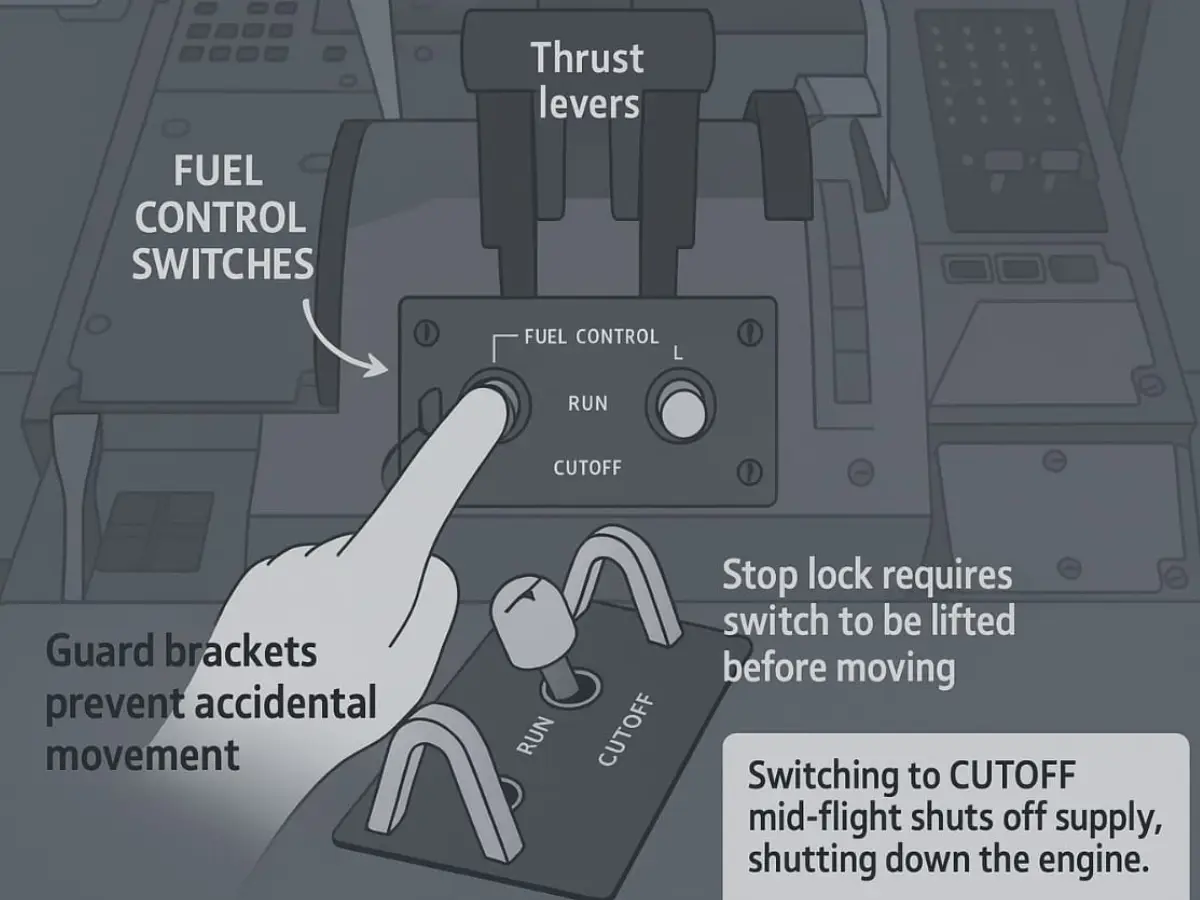
What are fuel switches?

Fuel switches, as the name suggests, are switches that regulate the flow of fuel into an aircraft's engines. Pilots use the switch to start or stop engines. It is used to manually start the engines during an engine failure.
As per the Aviation experts, the fuel switch can not be accidentally moved. But if moved, the effect would be immediate, cutting off engine power.
As per the US aviation safety expert John Cox, quoted by NDTV, the fuel switch is an independent power system and wiring for the fuel cutoff switches and the fuel valves controlled by those switches.
Trending Stories
)
The Early Spring is proof not everyone can talk about their real feelings, and it is perfectly OK
)
UN votes to ‘correct the map’ as India backs fairer world view
)
Nigerian Navy discovers 99,000 litres of suspected stolen, illegally refined products as it intensifies anti-crude oil theft operations
)
Who is Aditi Paudel? 17-year-old becomes Japan's first literacy ambassador
)
Bengaluru: Officials find 40 kg expired chilli at chairman's club
)
Jaishankar rejects trade link to ending Ukraine war
)
Israeli strikes on Lebanon kill three, injure 23 despite truce
)
Alpine glacier was covered with sheep wool sheets to prevent melting. It worked
)
South Korea mulls deploying military assets to Strait of Hormuz
)
World's fifth-largest economy, British army can't afford to train
)
Breaking | Vance takes the podium: First White House briefing since Leavitt's exit
)
Taiwan raises 'concerns' over China's missile test
)
BRICS 2026: $1 trillion sovereign capital set to converge in Delhi for first iBRICS Summit
)
What is Iran's Pickaxe Mountain that Trump has again threatened to bomb?
)
UN votes to correct world map that visually shrank Africa for 450 years
)
Former NewJeans member Danielle launches YouTube channel, hints at new solo journey
)
Bangladesh batter Towhid Hridoy creates history with 350 not out in South Africa
)
Brendan Fraser’s transformation fuels The Mummy 4 excitement as fans welcome back Rick O’Connell
&im=FitAndFill=(700,400))
Krishna Janmashtami 2026: From Dhaniya Panjiri to Makhana Kheer- 5 best sweet dishes perfect for celebrating Lord Krishna’s birth
)
Donald Trump plans to travel to Ireland on Qatari-donated jet amid security concerns
)
Nazi-looted art to return to Jewish heirs
)
Eight killed in Kerala’s Thrissur after car rams into lorry parked on highway
&im=FitAndFill=(700,400))
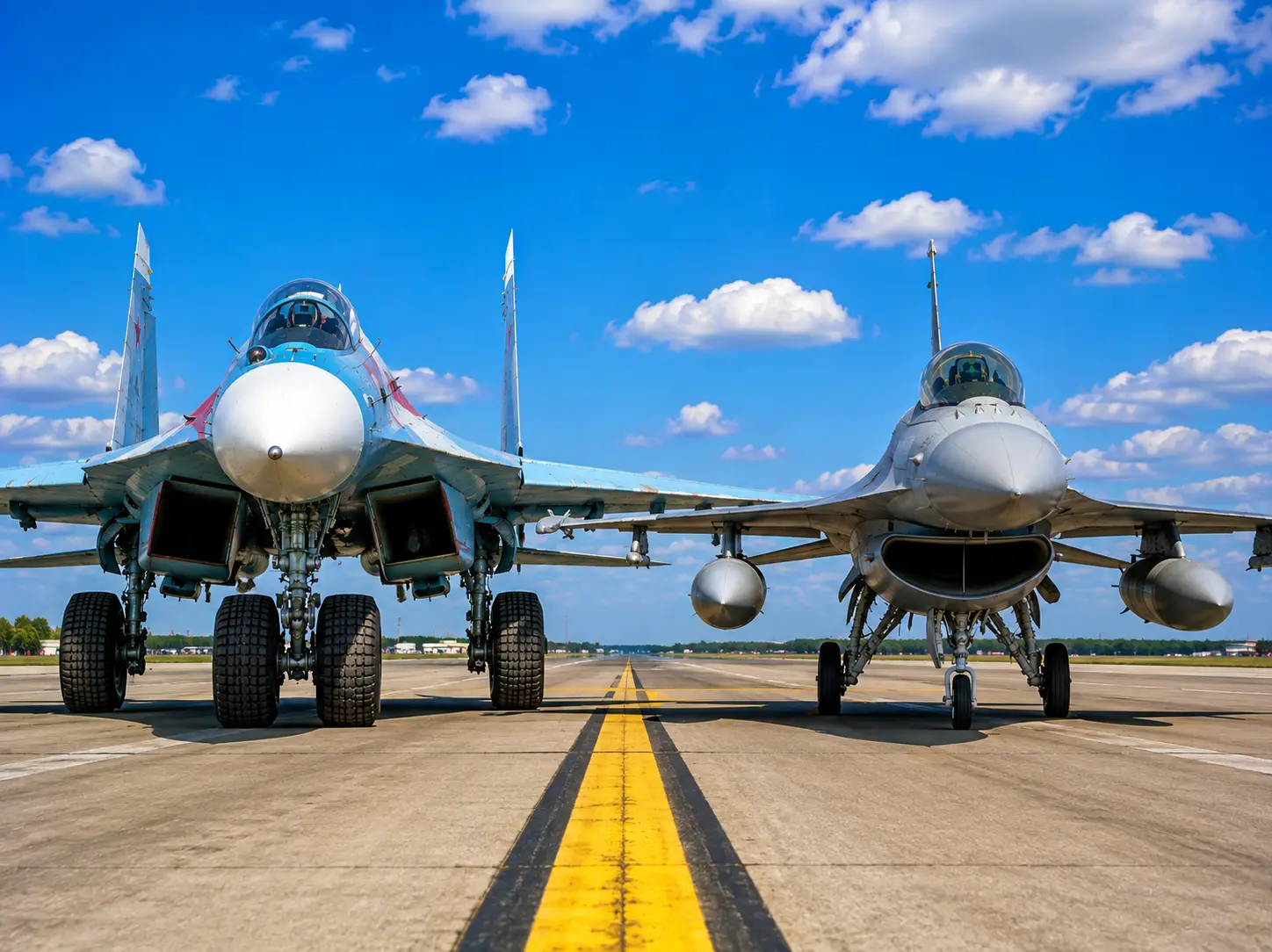
Why Russian fighter jets use bulky, low-pressure tyres compared to US jets
)
FBI-wanted fraud accused arrested in Jalandhar over $600,000 scam
&im=FitAndFill=(700,400))
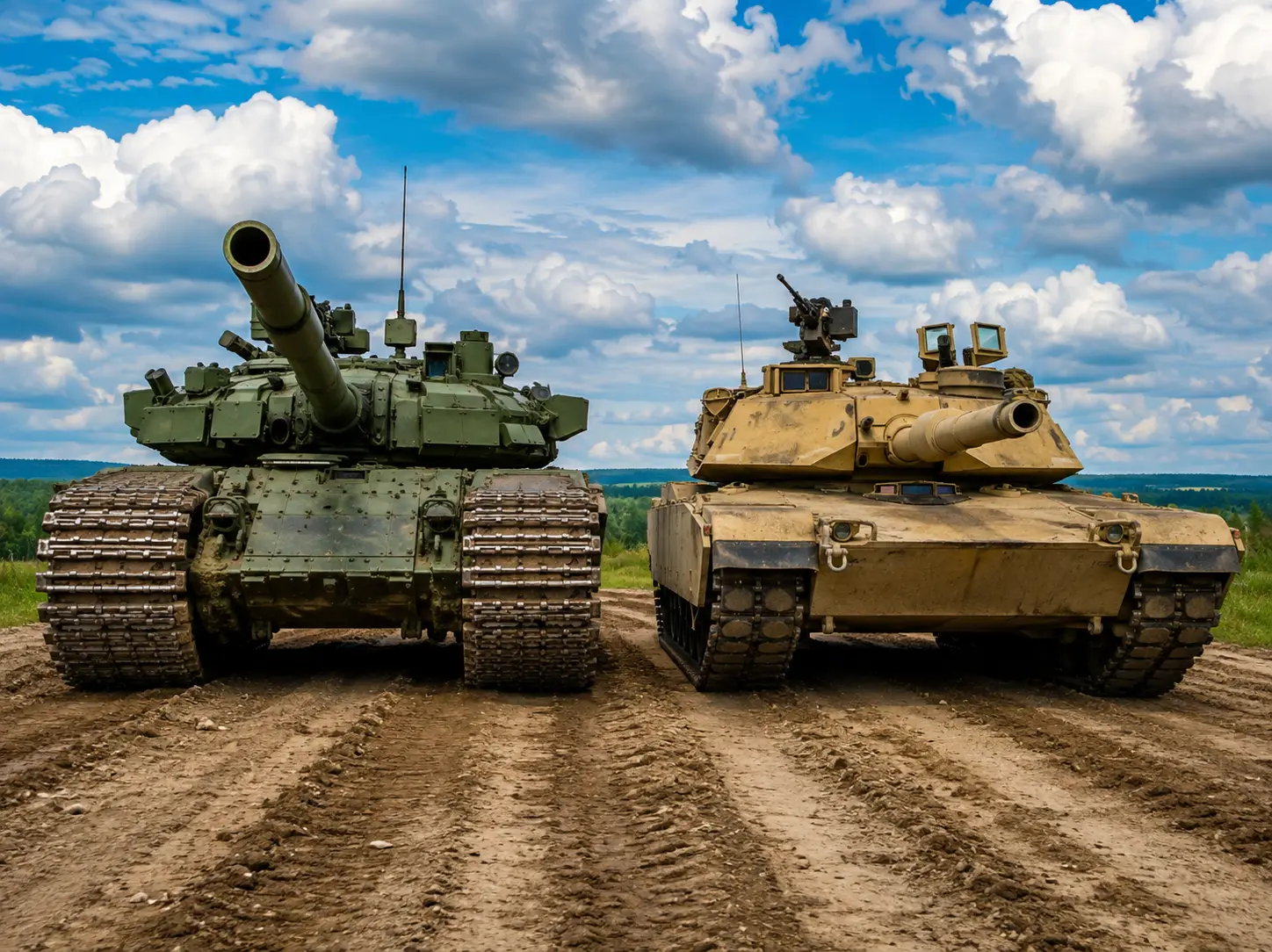
Why US tanks weigh over 20 tons more than Russian tanks
&im=FitAndFill=(700,400))
New Friday OTT releases (September 4, 2026): GDN, Dhamaal 4, Jagamae Sangeetham- Watch 6 new movies and TV shows on Netflix, Prime Video and more
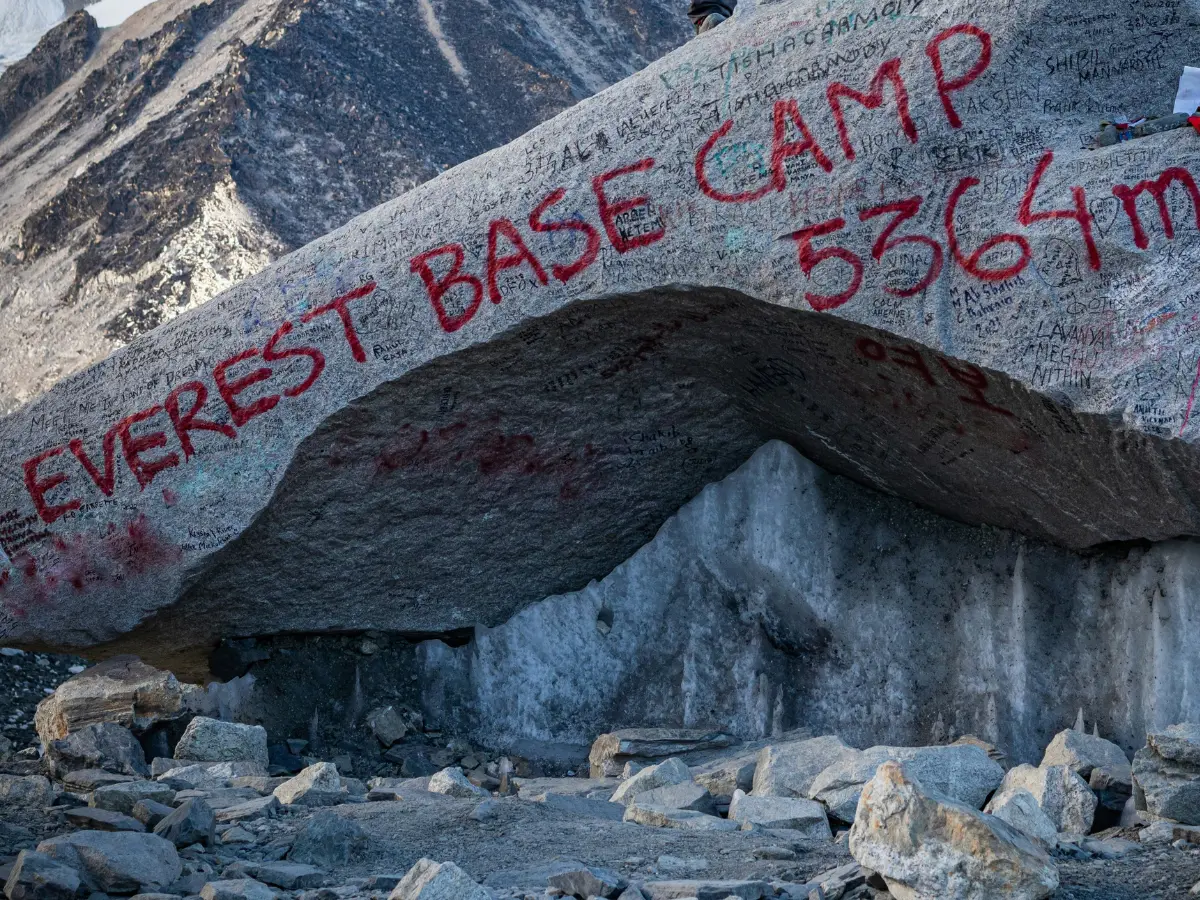)
Killing the Himalayas slowly: Human urine is melting a glacier on Mount Everest
The Boeing 787 has two fuel switches and are located below the thrust levers. The switches are spring-loaded to remain in position. To change one from run to cutoff, a pilot has to first pull the switch up and then move it from run to cutoff or vice versa. There are two modes of the switches: 'CUTOFF' and 'RUN'.
Pilots are not responsible, then who is?
The Boeing 787 aircraft was controlled by Captain Sumeet Sabharwal, a Line Training Captain with 8,200 hours of flying experience, assisted by First Officer Clive Kundar, who had logged 1,100 flying hours. The report said both pilots were medically fit and rested, with adequate experience.
The report said that there was no immediate evidence of sabotage, but pointed to a known Federal Aviation Administration (FAA) advisory on a possible fuel switch flaw. The investigation report also revealed that Boeing had issued an optional advisory on the fuel control switch locking mechanism, but Air India had not carried out the recommended checks.
Ignored warning, confused pilots and fuel cut
The investigation report revealed that the fuel to both engines of the Boeing 787 aircraft was cut-off mid mid-air just three seconds after the plane took off. "The aircraft achieved the maximum recorded airspeed of 180 Knots IAS at about 08:08:42 UTC, and immediately thereafter, the Engine 1 and Engine 2 fuel cutoff switches transitioned from RUN to CUTOFF position one after another with a time gap of 01 sec," the report said.
The Ram Air Turbine (RAT) - an emergency power source deployed in response to a power failure - was activated right after the takeoff. This was a clear indicator that there was a loss of electric power in the system.
The report revealed the aircraft had valid airworthiness certification, and there was no fuel control issue. Moreover, no earlier fuel issue was reported.

