Economic Survey 2022: Key Highlights and summary; India’s economy to grow at highest rate among big economies

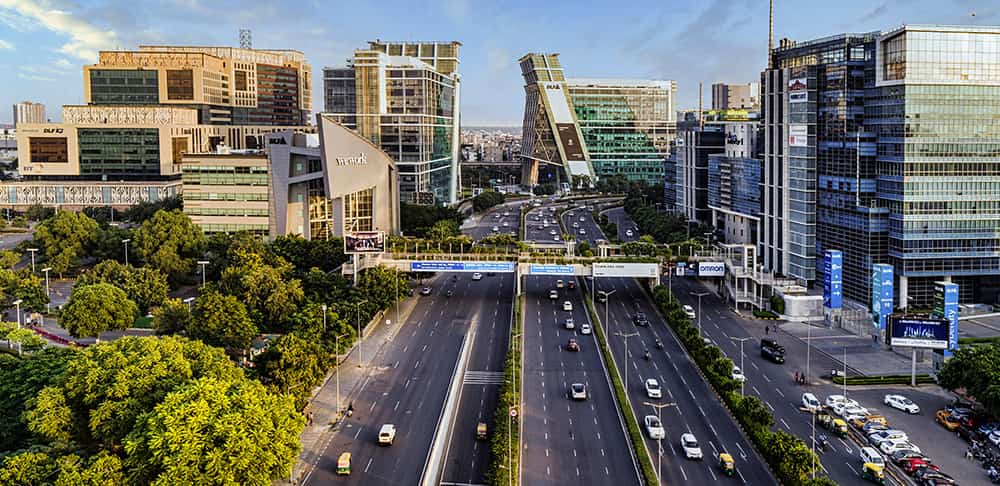
India Economic Survey 2022 key highlights
Indian Finance Minister Nirmala Sitharaman today tabled the Economic Survey 2022 in the Parliament, an annual flagship document that reviews the state of the economy. Every year, the Economic Survey is tabled a day before the presentation of the annual budget by the country’s finance minister. The survey has projected India’s GDP growth in a range of 6-6.8 per cent for the upcoming fiscal year 2023-24. This comes hours after the International Monetary Fund (IMF) projected India’s GDP growth at 6.1 per cent in the fiscal year 2023. Here are the key highlights of the Economic Survey, including projections around GST collection, inflation, pharmaceutical and health sector.
“The Indian economy has nearly ‘recouped’ what was lost, ‘renewed’ what had paused, and ‘reenergised’ what had slowed during the pandemic and since the conflict in Europe,” as per Economic Survey 2022.
GDP growth

In the fiscal year 2023, the Indian economy is expected to grow at 6.5 per cent against 7 per cent in 2022 and 8.7 per cent in 2021. India's economy continues to grow at the highest rate in the world, outpacing that of emerging and developing Asia and economic expectations for China. India has been ranked as the fifth-largest economy in terms of exchange rate and the third-largest economy in terms of purchasing power parity.
Watch:India and China's recovery to help global economy
)
Trump-Xi Summit: Trade, Taiwan and the red lines shaping US-China talks | Race To Power
)
US citizen injured in Illinois after ICE agents mistook him for fugitive, hospitalised
)
US judge questions Trump’s decision to ban CNN, MS NOW and Politico from White House
)
Afghan woman cyclist who disguised herself as a boy to escape Taliban, wins Asian Games medal
)
Italy hit by floods in the north, drought in the south
)
'There will be elections': Venezuela's interim leader Delcy Rodriguez makes big announcement at UN
)
Would you date an AI? South Korea’s My AI Partner: Strange Love sparks buzz on relationship and intimacy
)
'Arrogant parasites': Milei blasts UN over Falklands dispute, warns Argentina will ‘take matters into our own hands’
)
IIT Bombay CCTV footage emerges: Sahil Wakode seen looking at phone in examination hall
)
Cyclone Arnab: Landfall expected before midnight tomorrow as IMD issues orange alerts across six states
)
9 killed, several injured as tourist bus catches fire on Yamuna Expressway
)
NBA player Steven Adams shares hilarious GTA VI theory
)
WION Iconic Tourism Summit 2026: Union Minister Shekhawat on 'experiential travel', peace diplomacy
)
'AI got into my speech': Prince Harry jokes after teleprompter failure at event in New York
)
Scientists detect first radio signals directly from faraway planet
)
China to test supersonic jet that moves at Mach 2, double the speed of sound
)
WION Iconic Tourism Summit: 'Hanuman Ansh' Director on blockbuster success
)
'Partners rather than rivals': Xi Jinping's first message after landing in US for Trump summit
)
WION Iconic Tourism Summit: Is India's travel boom outrunning its airports, airlines and hotels?
)
IIT Bombay student suicide case: CCTV from the exam hall hours before suicide
)
2,000-foot tube, laser tests and more: China builds towns to expand nuclear arsenal, satellite images show
)
French court upholds decision to send PSG and Morocco footballer Hakimi to rape trial
)
WION Iconic Tourism Summit and Awards 2026: Key voices to discuss India’s tourism future
&im=FitAndFill=(700,400))
New OTT releases this week (September 21-27, 2026): Shaque: Trust No One, Hunkkaar, Don’t Be Shy- 5 new titles coming to Netflix, Prime Video and more
)
WATCH | China President Xi Jinping lands in US as Trump greets him ahead of high-stakes summit
)
Australian PM Anthony Albanese calls OpenAI AI incident 'unacceptable' after restricted data access
)
Claude Opus 5.5 is here: Anthropic claims it can finish a 680,000-line code migration in less than a day
)
'What kind of confession is this?': Pakistan PM Shehbaz Sharif’s 'terrorists would be roaming New York' remark goes viral, raises alarm online. Watch
)
WION Iconic Tourism Summit: How local tourism MSMEs must upskill for AI integration
)
Eight USS Abraham Lincoln sailors attempted suicide, Acting Navy Secretary says
)
Trump’s Board of Peace unveils $2.45bn Gaza plan,66 projects: But where’s the money?
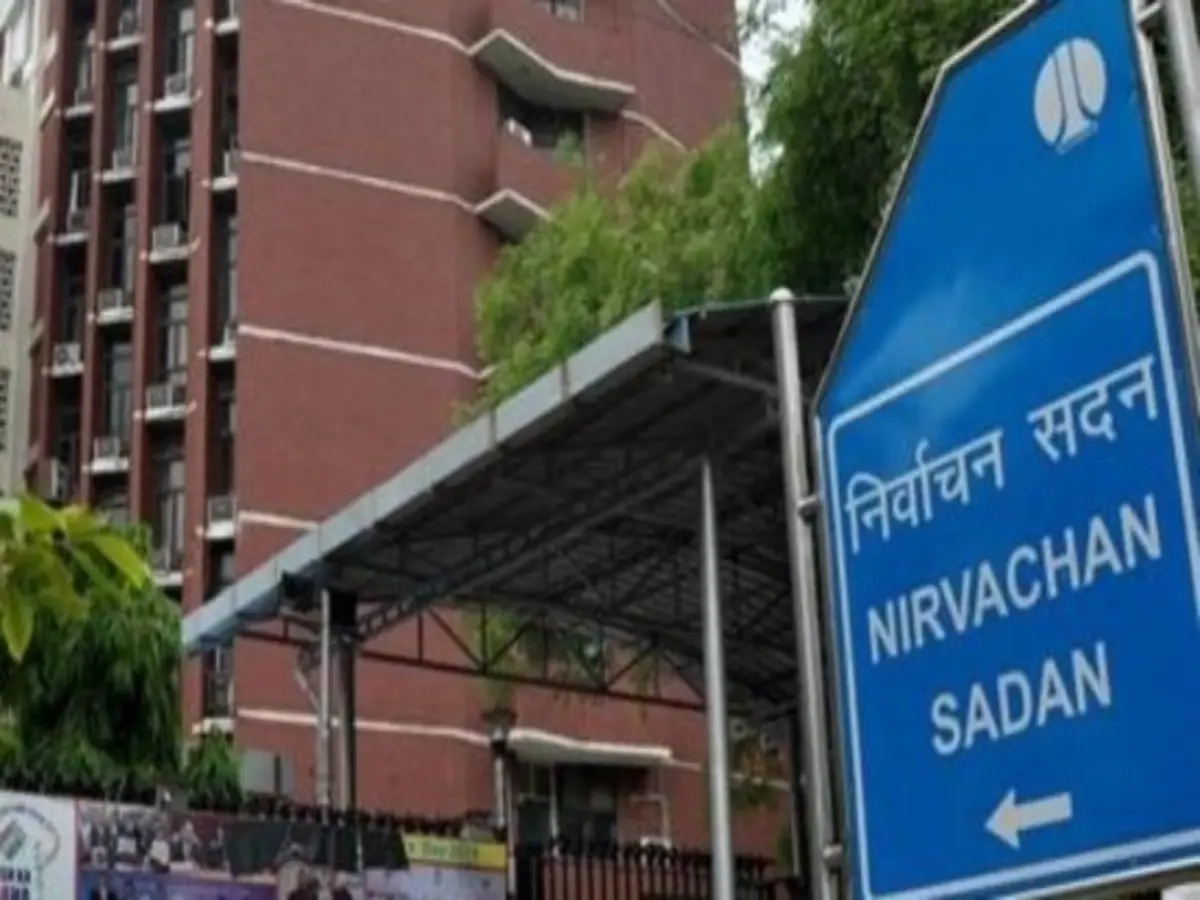)
EC appointment law: Why is the 2023 act controversial, and what happens next? WION explains
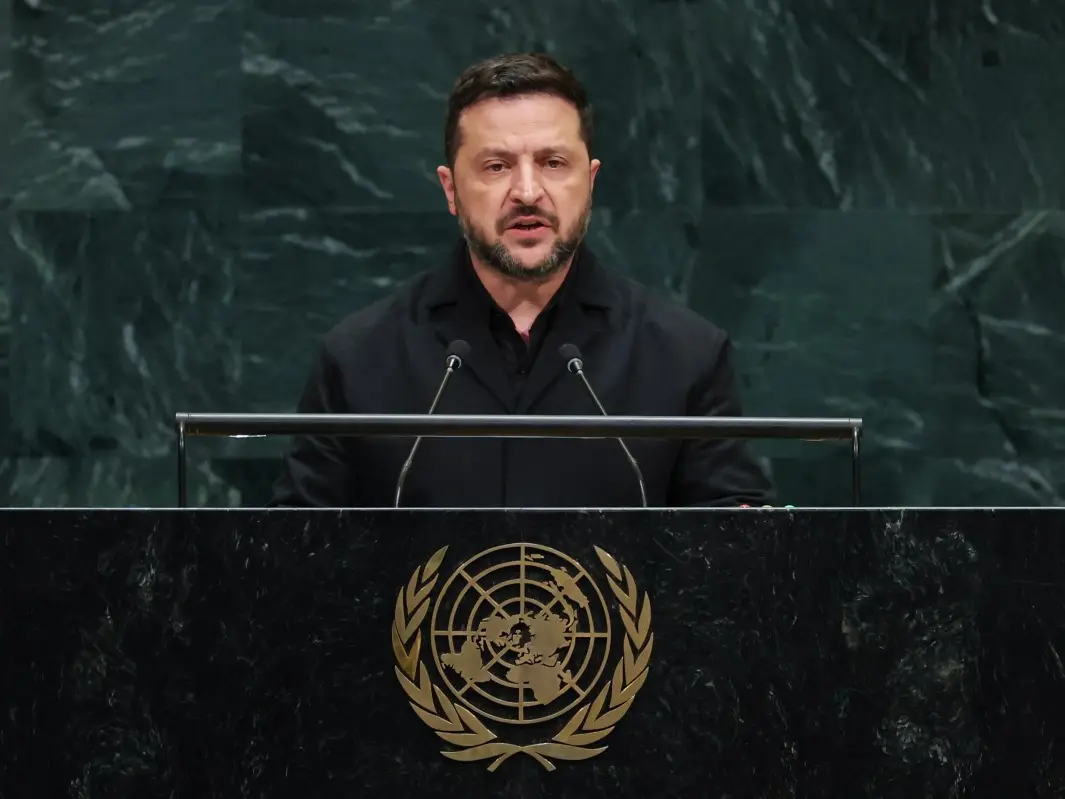)
'Putin is patient zero': Zelensky slams Russian president at UNGA, accuses him of using fighters from 47 countries
&im=FitAndFill=(700,400))
National Film Awards 2026: Kartik Aaryan, Mammootty, Yami Gautam, Randeep Hooda and other key winners
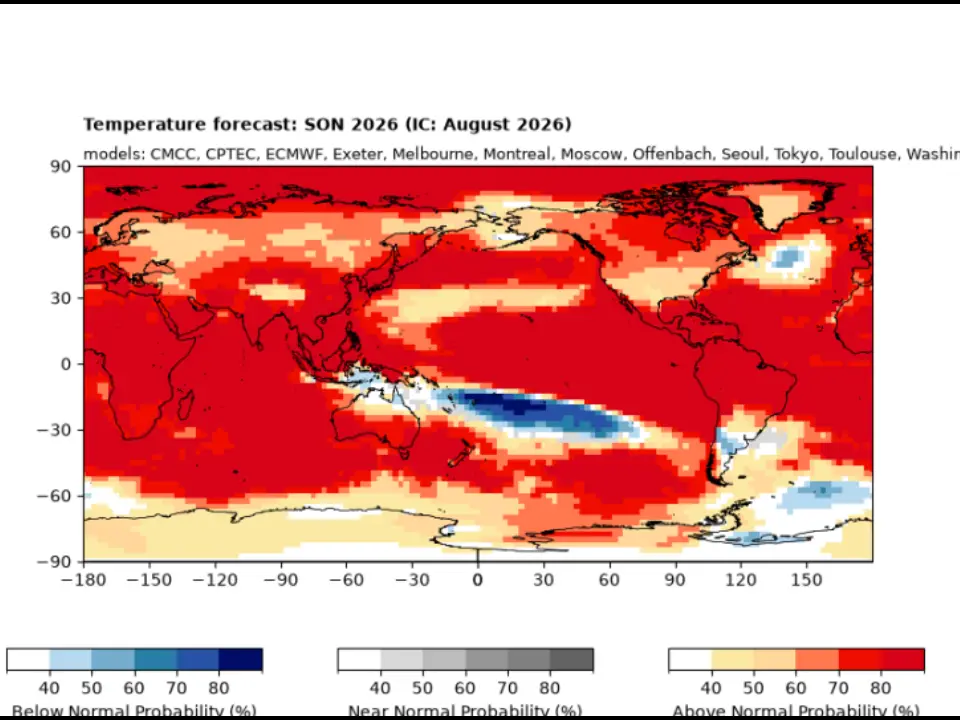)
El Niño 2026 heats up to become strongest in 1,000 years
)
Israeli envoy to US Yechiel Leiter’s son critically injured in West Bank ramming attack
&im=FitAndFill=(700,400))
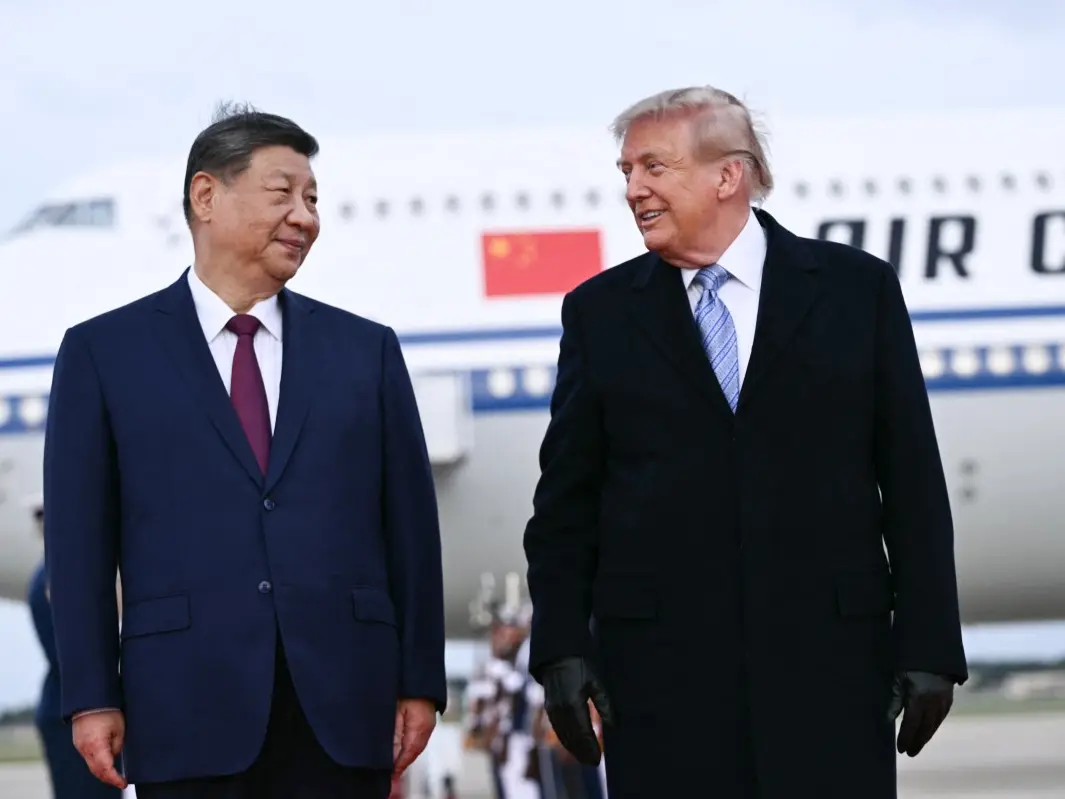
Trump welcomes Xi Jinping in rare airport gesture: Photos from Chinese President's arrival in US
)
Xi-Trump meeting: China’s human rights red line and past protests explained
Steel production
India is now the world’s second-largest producer of crude steel, thus making India truly a global force in the sector. The sector has grown massively over the past years, with cumulative production (finished steel) reaching 88 MT and consumption at 86 MT.
Forex reserves
Regarding the forex reserves, the survey has highlighted that India has enough forex reserves to pay for its CAD and make market interventions, particularly when regulating the rupee. India’s current forex reserves balance is USD 573.727 billion.
Health sector
Budgeted spending on the health sector by the federal and state governments might reach 2.1 per cent of GDP in FY23 (Budget Estimate) against 2.2 per cent in FY22 (Revised Estimate), up from 1.6 per cent in FY21.
Also Read |Economic Survey 2023: Here’s everything you need to know
India’s exports and production
According to the Economic Survey, India's exports continue to be strategically significant at a time when the global supply chains are mired in uncertainties. As a result, the increase in exports has slowed down in the second half of the current fiscal year. The production processes have also changed gears from "moderate acceleration" to "cruise mode" as a result of the sharp increase in growth rates in FY 2021–2022 and the first half of the current fiscal year (FY 2022).
Inflation
In November 2022, retail inflation was once again within the Reserve Bank of India's (RBI) target range. India restrained price increases, while the advanced world experienced substantial inflation in 2022 for the first time in three to four decades. The course of inflation in the nation has been influenced by the RBI's efforts to anchor inflationary expectations through responsive monetary policy and forward guidance.
Pharmaceutical sector
In September 2022, total foreign direct investment (FDI) in the pharmaceutical industry surpassed the $20 billion milestone. Additionally, FDI inflows surged fourfold over five years, reaching $699 million in September 2022. The waning Covid-19 pandemic and an unfavourable base effect have both caused growth in pharmaceutical output to decrease.
GST
GST revenues have increased as a result of the quick economic recovery from Covid-19 induced shock, the fight against phoney bills and GST evaders along with several systemic reforms, and rate rationalisation.
WATCH WION LIVE HERE