Did the government prevent India's next AAP? The politics behind the NEET protests

&imwidth=600&imheight=450&format=webp&quality=medium "Did the government prevent India's next AAP? The politics behind the NEET protests")
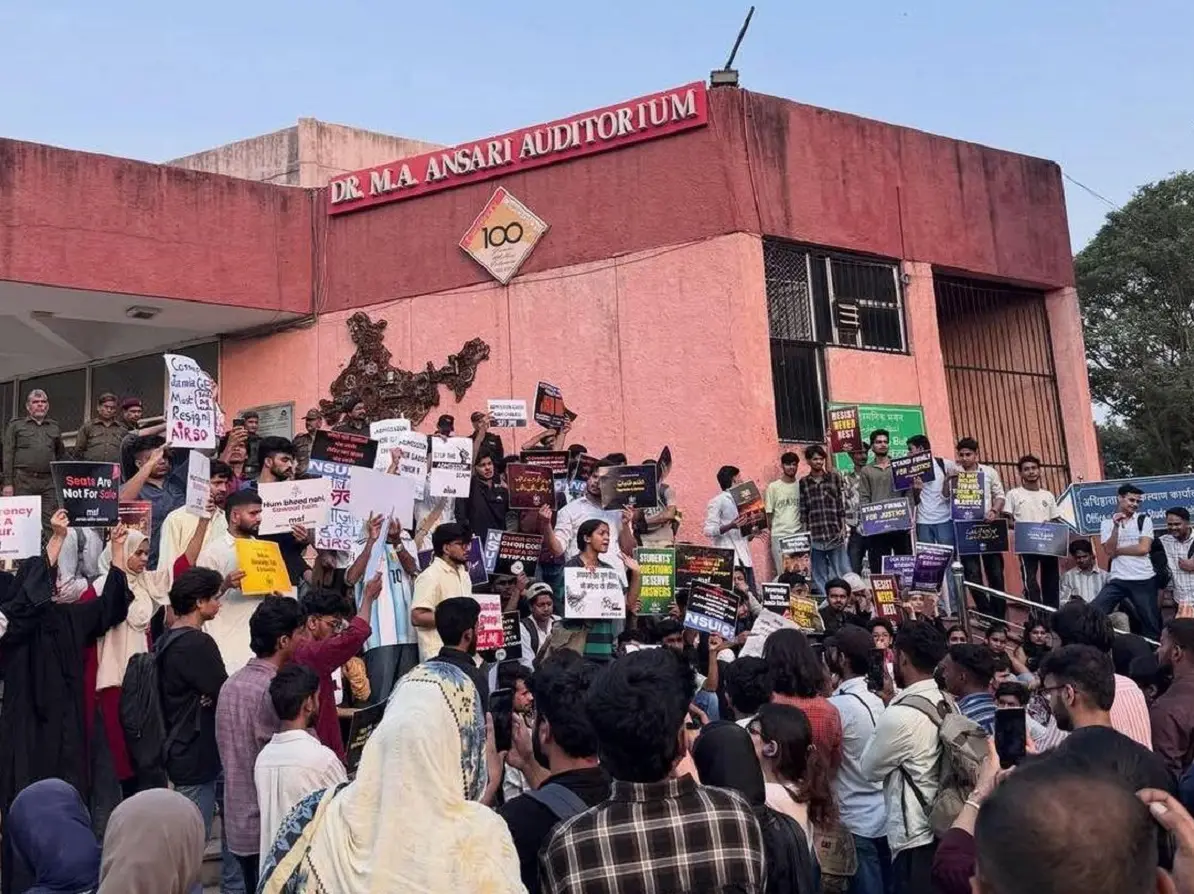
Cockroach Janta Party's Chief Spokesperson Saurav Das and its National Spokesperson Ashutosh Ranka with supporters celebrate at the protest site Photograph: (ANI)
Did the government's response to the NEET protests prevent the rise of an AAP-style youth political movement? An analysis of strategy, politics and what's next
The resignation of the India's Union Education Minister Dharmendra Pradhan following weeks of nationwide NEET protests has altered the political landscape. Combined with the government's decision to initiate talks with student representatives, the move appears designed not only to address public outrage but also to contain a movement that was beginning to acquire national political significance. Whether it succeeds remains uncertain. But one question is increasingly difficult to ignore: did the government prevent the emergence of a new youth-driven political force?
History offers an instructive comparison. The anti-corruption movement led by Anna Hazare in 2011 started as a citizens' protest demanding accountability. Within a few years, it evolved into the Aam Aadmi Party (AAP), fundamentally reshaping politics in Delhi and influencing national discourse. What started as a movement eventually became an electoral force.
The NEET protests, while rooted in concerns over examination integrity and accountability, displayed some early characteristics of a broader mass movement. Thousands of students gathered across the country, social media amplified their message, and public sympathy extended well beyond those directly affected by the examination controversy. Had the protests continued to gather momentum without a meaningful political response, they could have expanded beyond the issue of entrance examinations into a wider campaign focused on governance, transparency and youth representation.
Instead, the government opted for a different strategy. By accepting the education minister's resignation and opening channels of dialogue with protest leaders, it signaled responsiveness at a crucial moment. Politically, such decisions often serve multiple purposes. They help reduce public anger, reassure moderate voices within the movement, shift media attention from confrontation to negotiations, and make it more difficult for protest leaders to argue that the government is unwilling to listen.
This does not necessarily resolve the underlying grievances, but it can significantly weaken the momentum required for a protest movement to evolve into a lasting political platform.
Trending Stories
&im=FitAndFill=(700,400)&imwidth=280&imheight=210&format=webp&quality=medium)
&imwidth=280&imheight=210&format=webp&quality=medium)
&imwidth=280&imheight=210&format=webp&quality=medium)
&im=FitAndFill=(700,400)&imwidth=280&imheight=210&format=webp&quality=medium)
&imwidth=280&imheight=210&format=webp&quality=medium)
&imwidth=280&imheight=210&format=webp&quality=medium)
&imwidth=280&imheight=210&format=webp&quality=medium)
&imwidth=280&imheight=210&format=webp&quality=medium)
&imwidth=280&imheight=210&format=webp&quality=medium)
&imwidth=280&imheight=210&format=webp&quality=medium)
&imwidth=280&imheight=210&format=webp&quality=medium)
&imwidth=280&imheight=210&format=webp&quality=medium)
&imwidth=280&imheight=210&format=webp&quality=medium)
&im=FitAndFill=(700,400)&imwidth=280&imheight=210&format=webp&quality=medium)
&imwidth=280&imheight=210&format=webp&quality=medium)
&imwidth=280&imheight=210&format=webp&quality=medium)
&imwidth=280&imheight=210&format=webp&quality=medium)
&imwidth=280&imheight=210&format=webp&quality=medium)
&imwidth=280&imheight=210&format=webp&quality=medium)
&imwidth=280&imheight=210&format=webp&quality=medium)
&imwidth=280&imheight=210&format=webp&quality=medium)
&imwidth=280&imheight=210&format=webp&quality=medium)
&imwidth=280&imheight=210&format=webp&quality=medium)
&imwidth=280&imheight=210&format=webp&quality=medium)
&imwidth=280&imheight=210&format=webp&quality=medium)
&imwidth=280&imheight=210&format=webp&quality=medium)
&im=FitAndFill=(700,400)&imwidth=280&imheight=210&format=webp&quality=medium)
&imwidth=280&imheight=210&format=webp&quality=medium)
&imwidth=280&imheight=210&format=webp&quality=medium)
&im=FitAndFill=(700,400)&imwidth=280&imheight=210&format=webp&quality=medium)
&imwidth=280&imheight=210&format=webp&quality=medium)
&imwidth=280&imheight=210&format=webp&quality=medium)
&imwidth=280&imheight=210&format=webp&quality=medium)
&imwidth=280&imheight=210&format=webp&quality=medium)
However, declaring the political threat over would be premature. The future of the movement will depend less on symbolic gestures and more on whether students believe meaningful reforms follow. If demands related to examination transparency, institutional accountability and systemic changes remain unresolved, public dissatisfaction could resurface. Equally important is the direction chosen by the movement's leaders. Sustaining protests is one challenge; building a political organisation is another altogether. Electoral politics requires leadership, funding, organisational structure and a long-term vision that extends beyond a single issue.
There are also important differences between the NEET protests and the movement that gave birth to AAP. The anti-corruption campaign resonated across generations, classes and regions because corruption affected virtually every citizen. The NEET protests, although emotionally powerful and nationally visible, remain centred on educational governance. Unless the movement broadens its agenda to encompass wider concerns affecting young Indians, employment, governance, institutional reforms and public accountability, it may struggle to achieve comparable political reach.
Nevertheless, the protests have demonstrated something significant. India's youth have shown an unprecedented ability to organise, mobilise and sustain national attention through both digital platforms and street protests. Even if this particular movement does not transform into a political party, it has created networks, leadership and public awareness that could shape future civic action.
For the government, the minister's resignation may have successfully reduced the immediate political risk. Whether it has prevented the rise of a future youth-driven political force is a question only time can answer. If reforms are implemented and trust is restored, the protests may be remembered as a catalyst for institutional change. If not, this episode could instead become the foundation upon which a larger youth movement eventually emerges. The government may have won the moment. It has not necessarily settled the larger political question.

