Commercial LPG supply rebounds: 30,000 tonnes dispatched since March 14 amid Hormuz crisis

&imwidth=600&imheight=450&format=webp&quality=medium "Commercial LPG supply rebounds: 30,000 tonnes dispatched since March 14 amid Hormuz crisis")
Commercial LPG supply rebounds: 30,000 tonnes dispatched since March 14 amid Hormuz crisis Photograph: (Credit: ANI)
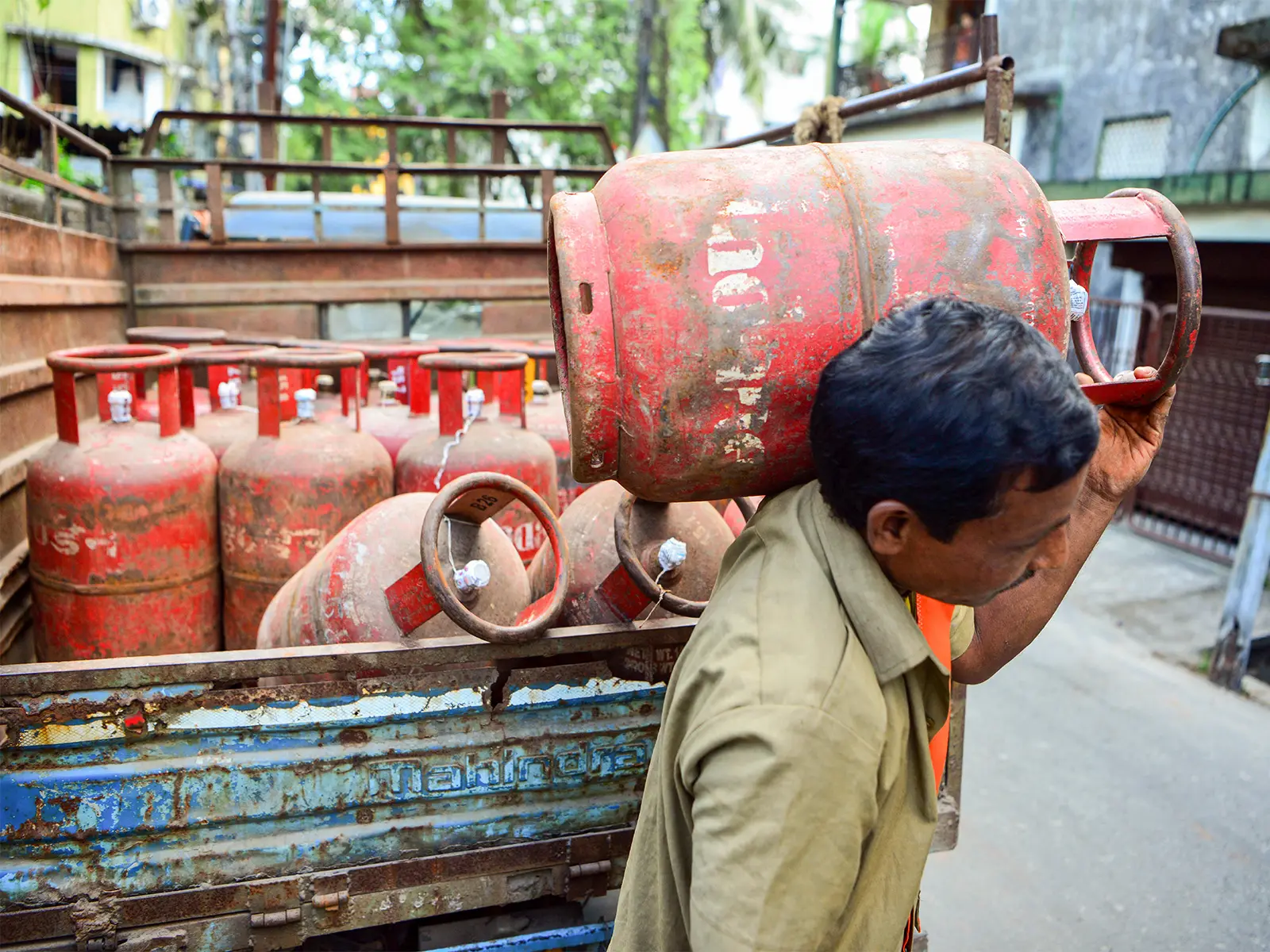
Joint Secretary Sujata Sharma confirmed that exactly 30,000 tonnes of commercial LPG have been dispatched to the market since March 14.
The Strait of Hormuz crisis created a global issue with crude prices skyrocketing; the blockade has also hampered the situation back home on India. In the inter-ministerial press briefing on Friday (Mar 27), Sujata Sharma, Joint Secretary (Marketing & Oil Refinery), Ministry of Petroleum & Natural Gas, highlighted “the conflict in the Middle East has affected India’s supplies of crude oil, LPG, and LNG. Crude prices, along with other petroleum products, have risen in the international market.”
She also reiterated that the government has taken several important decisions at different levels to manage the situation effectively. This includes procuring sufficient crude inventory, with supplies lined up for the next two months.
Also read: 50% of menu slashed: 89-year-old Ambala restaurant retreats to 'bhattis' amid LPG cylinder shortage
Also assuring that the situation is comfortable with respect to LPG and PNG as well. “Our refineries are operating at full or even above capacity, and domestic LPG production has increased by almost 40%. Since India has a high import dependency about 90% of LPG imports came through the Strait of Hormuz, the government decided to prioritise domestic consumers over commercial supply,” Sharma added.
Trending Stories
&imwidth=280&imheight=210&format=webp&quality=medium)
&im=FitAndFill=(700,400)&imwidth=280&imheight=210&format=webp&quality=medium)
&imwidth=280&imheight=210&format=webp&quality=medium)
&imwidth=280&imheight=210&format=webp&quality=medium)
&imwidth=280&imheight=210&format=webp&quality=medium)
&imwidth=280&imheight=210&format=webp&quality=medium)
&imwidth=280&imheight=210&format=webp&quality=medium)
&imwidth=280&imheight=210&format=webp&quality=medium)
&imwidth=280&imheight=210&format=webp&quality=medium)
&imwidth=280&imheight=210&format=webp&quality=medium)
&imwidth=280&imheight=210&format=webp&quality=medium)
&imwidth=280&imheight=210&format=webp&quality=medium)
&imwidth=280&imheight=210&format=webp&quality=medium)
&imwidth=280&imheight=210&format=webp&quality=medium)
&imwidth=280&imheight=210&format=webp&quality=medium)
&imwidth=280&imheight=210&format=webp&quality=medium)
&imwidth=280&imheight=210&format=webp&quality=medium)
&imwidth=280&imheight=210&format=webp&quality=medium)
&imwidth=280&imheight=210&format=webp&quality=medium)
&imwidth=280&imheight=210&format=webp&quality=medium)
&imwidth=280&imheight=210&format=webp&quality=medium)
&imwidth=280&imheight=210&format=webp&quality=medium)
&im=FitAndFill=(700,400)&imwidth=280&imheight=210&format=webp&quality=medium)
&imwidth=280&imheight=210&format=webp&quality=medium)
&im=FitAndFill=(700,400)&imwidth=280&imheight=210&format=webp&quality=medium)
&imwidth=280&imheight=210&format=webp&quality=medium)
&imwidth=280&imheight=210&format=webp&quality=medium)
&imwidth=280&imheight=210&format=webp&quality=medium)
&imwidth=280&imheight=210&format=webp&quality=medium)
&imwidth=280&imheight=210&format=webp&quality=medium)
&imwidth=280&imheight=210&format=webp&quality=medium)
&imwidth=280&imheight=210&format=webp&quality=medium)
&imwidth=280&imheight=210&format=webp&quality=medium)
&imwidth=280&imheight=210&format=webp&quality=medium)
&imwidth=280&imheight=210&format=webp&quality=medium)
As of date, nearly 30,000 tonnes of commercial LPG have been supplied since 14 March. Sharma said, “In making these decisions, the government ensured priority for restaurants, roadside eateries, hotels, industrial canteens, and migrant labour." The supply to restaurants have been increased from 50% to 70%, the ministry announced on Friday. Restaurants have been bearing the brunt of the situation, and many decided to move to induction, firewood and hard coke. Days after the war broke out in West Asia, the government assured that domestic supplies would be prioritised. Despite this, there were reports of LPG shortages, which fanned the black market.

