China backs Pakistan's call for 'impartial' Pahalgam terror attack probe, urges India to show 'restraint': Is China taking sides?

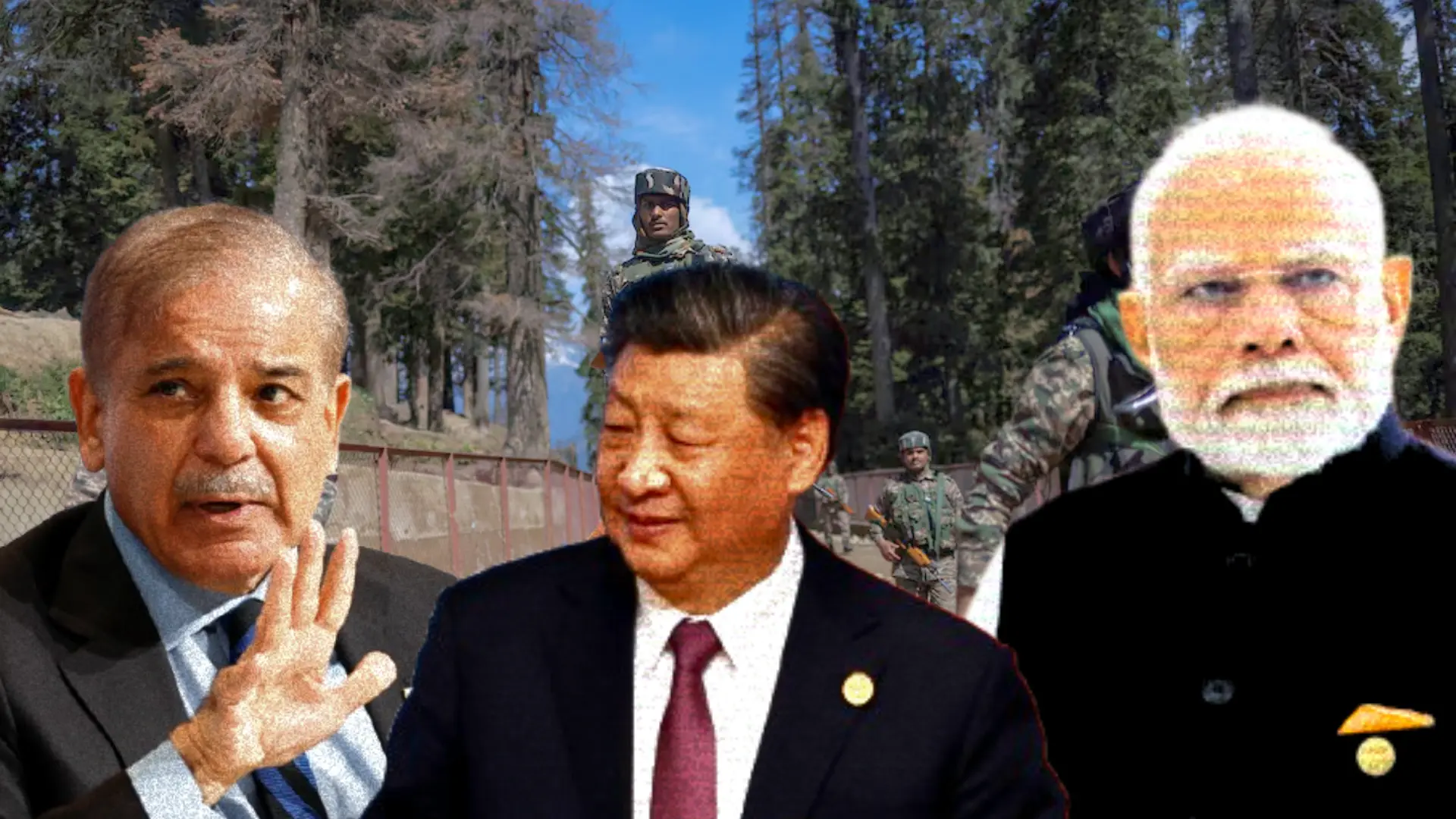
This comes after Pakistan’s Defence Minister, Khawaja Asif, has called for countries like Russia, China, and even Western nations to take part in an independent investigation into the Pahalgam terror attack. India news Pakistan World
Following the horrific attack in India's Pahalgam that killed 26 people, mostly tourists, China has called for restraint from both India and Pakistan, a statement that raises eyebrows, given the circumstances.
Wang Yi, a senior leader of the Communist Party of China and the Chinese foreign minister, spoke with Pakistan’s Deputy Prime Minister and Foreign Minister Mohammad Ishaq Dar on Sunday (April 27). The conversation took place at Pakistan’s request.
During the call, Dar updated Wang on the latest situation between Pakistan and India after the Kashmir terror attack.

Also read: 'To check if Modi is lying': Pakistan wants 'Russia, China' to join Pahalgam terror attack probe
China backs Pakistan, calls for 'impartial' investigation
Wang Yi responded by saying that China is closely watching the situation as it unfolds. He said, “Combating terrorism constitutes a shared responsibility of all nations,” adding that China “consistently supports Pakistan’s firm counter-terrorism actions.”
&imwidth=180&imheight=135&format=webp&quality=medium)
India’s naval priorities: Ex-Navy Chief calls for third aircraft carrier, more warships and submarines
&imwidth=180&imheight=135&format=webp&quality=medium)
Portland stabbing: Multiple people reportedly stabbed hours after deadly Bend school shooting
&imwidth=180&imheight=135&format=webp&quality=medium)
US business activity grows in June, but tariffs and inflation cloud outlook
&im=FitAndFill=(700,400)&imwidth=180&imheight=135&format=webp&quality=medium)
Inside the Peshawar school tragedy: 34 dead, building's condition under scrutiny and owner arrested. Here's what all happened
&imwidth=180&imheight=135&format=webp&quality=medium)
Arijit Singh 9-city India stadium tour to start from January: Check venue and ticket prices
&imwidth=180&imheight=135&format=webp&quality=medium)
Nine former FBI employees fired over investigation into Trump's classified records sue Kash Patel, DOJ over alleged unlawful dismissal
&imwidth=180&imheight=135&format=webp&quality=medium)
Yemen’s govt says PM, cabinet survived Houthi missile attack on presidential palace in Aden
&im=FitAndFill=(700,400)&imwidth=180&imheight=135&format=webp&quality=medium)
World's 7 most innovative countries in 2026 REVEALED: Did India make the list? | In Pics
&imwidth=180&imheight=135&format=webp&quality=medium)
‘False accusations’: Maduro, wife plead not guilty to new US torture charges
&imwidth=180&imheight=135&format=webp&quality=medium)
US midterms 2026: FBI investigates suspicious mailings containing 'unknown substance' sent to election offices
&imwidth=180&imheight=135&format=webp&quality=medium)
Australian woman charged for adding snail poison to lover's curry at work
&imwidth=180&imheight=135&format=webp&quality=medium)
Central Park in Delhi shut on October 16, 17 amid CJP's protest call
&imwidth=180&imheight=135&format=webp&quality=medium)
Russian woman and Bihar boy's love story goes viral after she reaches India to marry him
&imwidth=180&imheight=135&format=webp&quality=medium)
Who is Abu Dhabi royal Mahrah Al Nahyan, found unconscious on London street with toddler after cocaine use
&imwidth=180&imheight=135&format=webp&quality=medium)
Netanyahu defies Trump, blocks Gaza military base for Board of Peace | Gravitas
&imwidth=180&imheight=135&format=webp&quality=medium)
Iranian woman, 23, handed death sentence for ‘blasphemy’ in social media post; appeals for help
&imwidth=180&imheight=135&format=webp&quality=medium)
Ukraine blinded: Musk deflects blame on Trump, Putin sharpens attack | Gravitas
&imwidth=180&imheight=135&format=webp&quality=medium)
'Ukraine must get all it needs to protect civilians and infrastructure': Macron
&imwidth=180&imheight=135&format=webp&quality=medium)
Saudi Arabia executes two Bangladeshi nationals over ‘immoral acts’ inside Mecca mosque
&imwidth=180&imheight=135&format=webp&quality=medium)
Katie Zacharia, White House Press Secretary admits she never passed bar exam amid credentials controversy
&imwidth=180&imheight=135&format=webp&quality=medium)
'Turn approver, resign, we'll forgive you': Rahul Gandhi claims receiving messages from CEC Gyanesh Kumar
&imwidth=180&imheight=135&format=webp&quality=medium)
'White supremacist' terror plot against Illinois Hindu temple foiled by jammed gun: Who is Alexandros Paporakis?
&imwidth=180&imheight=135&format=webp&quality=medium)
US sanctions Cuban state-owned bank BICSA over alleged financial links to Iran
&imwidth=180&imheight=135&format=webp&quality=medium)
Mumbai gears up for Marco Rubio’s visit as US Secretary of State prepares for India trip
&imwidth=180&imheight=135&format=webp&quality=medium)
Girl 'dead' for 8 hours wakes up at her own funeral, dad insists she wasn't breathing

Kashmir scholars oppose Waqf Board’s common 'khutbah' proposal, allege political interference in mosques
&imwidth=180&imheight=135&format=webp&quality=medium)
Trump's tariff strategy faces new test: India wants preferential access and tariff stability
&imwidth=180&imheight=135&format=webp&quality=medium)
Abhishek Sharma sets all-time record for most T20I sixes in a year
&imwidth=180&imheight=135&format=webp&quality=medium)
'Don't ever mess with nature!': Trump’s tiger attack post triggers social media backlash as victim's family issues heartbreaking tribute
&imwidth=180&imheight=135&format=webp&quality=medium)
‘My president, I mean my husband’: Trump's new press secretary Katie Zacharia's first briefing goes off the rails in 14 minutes
&imwidth=180&imheight=135&format=webp&quality=medium)
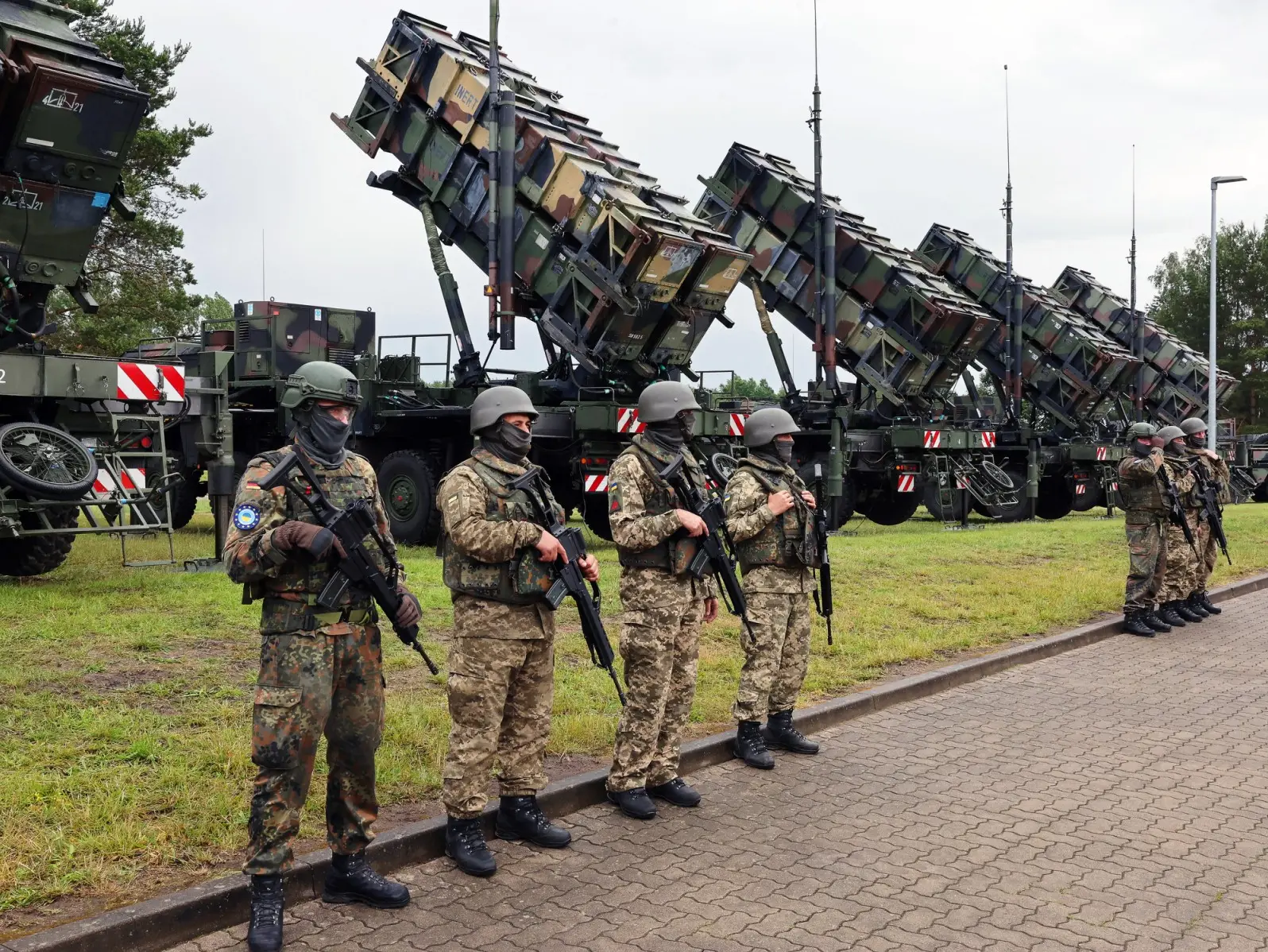
Ukraine running out of patriot missiles as Russian ballistic attacks intensify: Report
&imwidth=180&imheight=135&format=webp&quality=medium)
NASA captures strange structure with tentacle-like formation from space
&imwidth=180&imheight=135&format=webp&quality=medium)
Oregon school shooting: 16-year-old identified as suspect after at least four killed, including three children
&imwidth=180&imheight=135&format=webp&quality=medium)
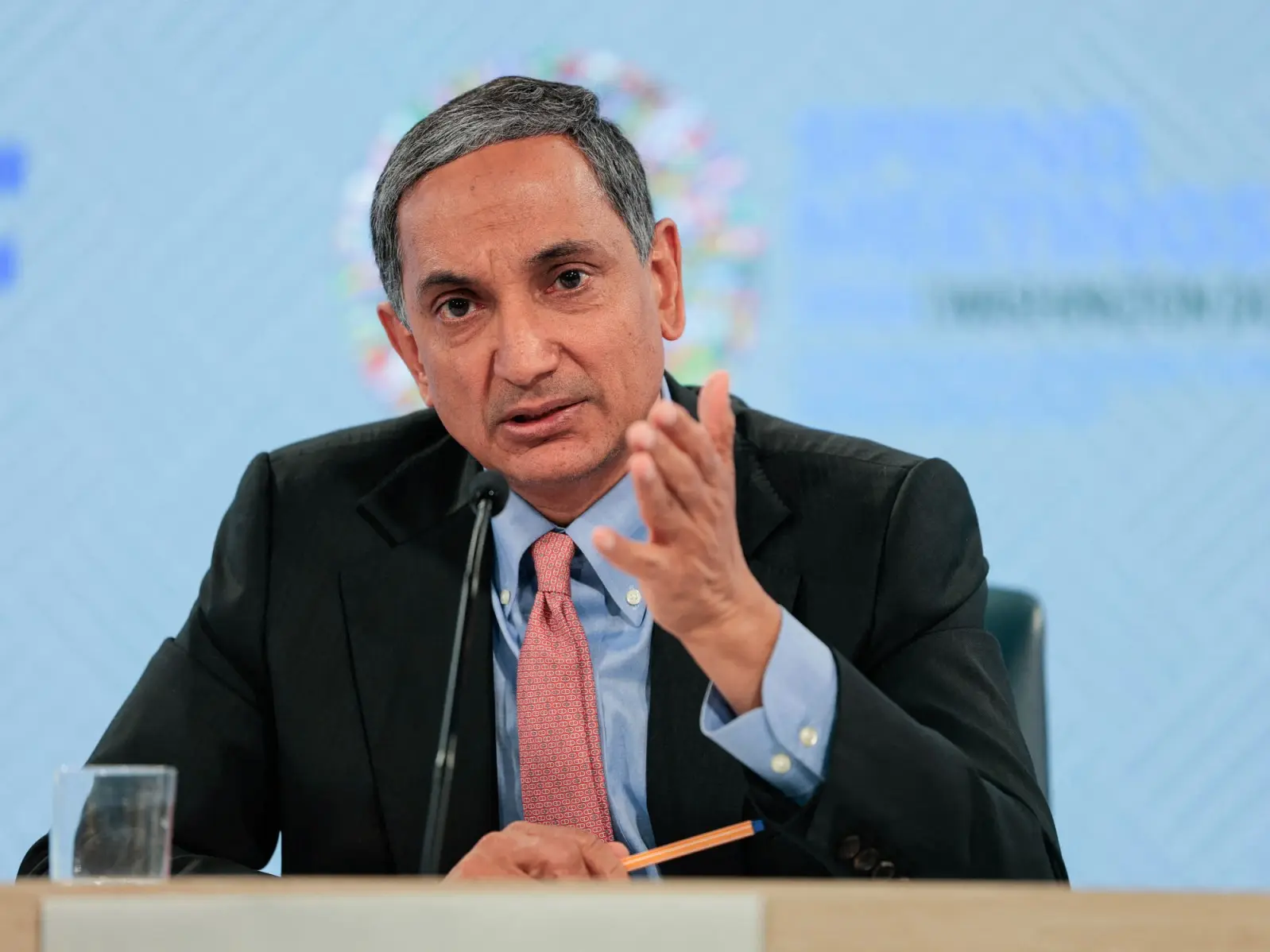
India to overtake Japan, become 4th-largest economy by 2027? What IMF’s latest projection reveals
&imwidth=180&imheight=135&format=webp&quality=medium)
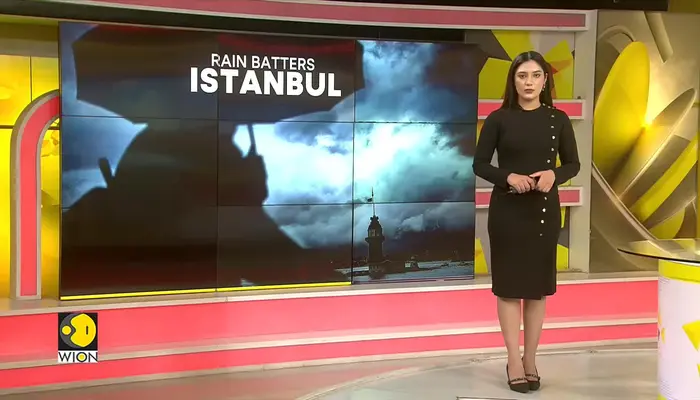
Turkey Floods: Heavy rains flood homes and submerge vehicles in Istanbul
&imwidth=180&imheight=135&format=webp&quality=medium)
Leap second could go by 2027. What it means, as timekeepers gather in Versailles
&imwidth=180&imheight=135&format=webp&quality=medium)
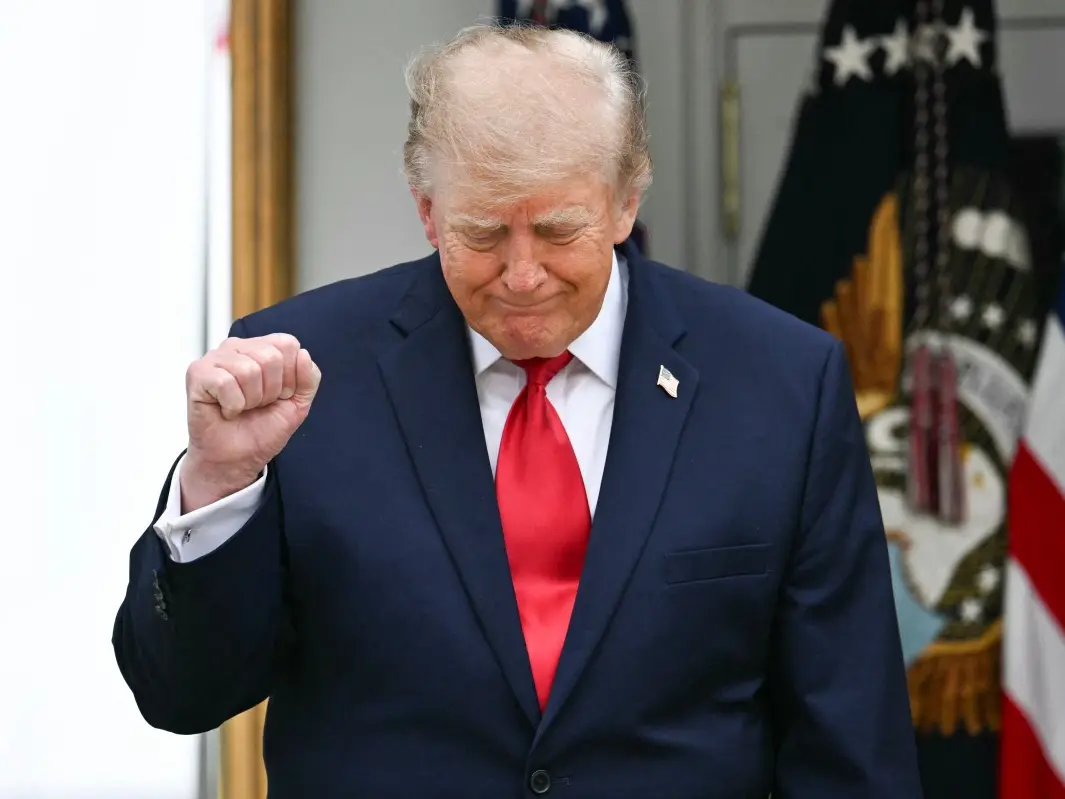
Was Trump in danger at Alaska rally? Viral video shows Secret Service agents reacting
Wang went on to say, “As an ironclad friend and all-weather strategic cooperative partner, China fully understands Pakistan’s legitimate security concerns and supports its efforts to uphold its sovereignty and security interests.”
Wang called for a prompt, impartial investigation and said that conflict would not serve the interests of either India or Pakistan. “Beijing hopes both sides will exercise restraint, move toward each other, and work to de-escalate tensions,” he said.
This comes after Pakistan’s Defence Minister, Khawaja Asif, has called for countries like Russia, China, and even Western nations to take part in an independent investigation into the Pahalgam terror attack in Jammu and Kashmir.
"I think Russia or China or even Western countries can play a very, very positive role in this crisis and they can even set up an investigation team that should be assigned this job to investigate whether India or Modi is lying or he is telling the truth. Let an international team find out," he said.
India responds strongly to terrorism
In response to the deadly attack, India has taken decisive action against Pakistan. Measures include downgrading diplomatic ties, suspending the Indus Water Treaty, and closing the Attari land transit post. These steps come as India seeks to hold Pakistan accountable for the bloodshed, the deadliest such attack since Pulwama in 2019.
Pakistan, on the other hand, has retaliated by suspending the Simla Agreement, cutting off trade links, closing its airspace to Indian flights, and warning that any move by India to divert river waters would be considered an act of war.
