Chandipura virus kills kids in India. Expert reveals details about this deadly virus


Chandipura virus
Eightchildren died reportedly due to the Chandipura virus in India since July 10, with the total number of suspected infections rising to 14. The deaths have been reported in the Aaravalli district in the west Indian state of Gujarat.
State Health Minister Rushikesh Patel on Tuesday (Jul 16) said, "Cases have been reported from Sabarkantha, Aravalli, Mahisagar, Kheda, Mehsana and Rajkot districts. Additionally, two patients from Rajasthan and one from Madhya Pradesh received treatment in Gujarat. Eight deaths have been reported, but confirmation is pending based on sample results."
Patel on Monday said that samples of the patients have been sent to Pune's National Institute of Virology (NIV) for confirmation.

Deaths because of any virus, especially when children are concerned, cause panic among people. Hence, WION reached out to experts to learn more about the Chandipura virus and preventive measures.
What is the Chandipura virus?
The name of the virus, which is also known as Chandipura vesiculovirus (CHPV), is based on a village in Maharashtra state, where the first case of this infection was diagnosed in 1965. It is an RNA virus. The pathogen is a member of the Vesiculovirus genus of the family Rhabdoviridae.
)
Killing the Himalayas slowly: Human urine is melting a glacier on Mount Everest
)
‘I wouldn’t call it a war,’ says JD Vance on ongoing conflict with Iran
&im=FitAndFill=(700,400))
Why US tanks can spin their heavy turrets much faster than Russian tanks
&im=FitAndFill=(700,400))
New Friday OTT releases (September 4, 2026): GDN, Dhamaal 4, Jagamae Sangeetham- Watch 6 new movies and TV shows on Netflix, Prime Video and more
)
NATO troops gather in Arctic, Russia threatens nuclear retaliation
)
US Open 2026: Auger-Aliassime out but Swiatek, Osaka, and Gauff advance into third round
)
Suvendu Adhikari threatens to cut school aid over refusal to sing full Vande Mataram
)
Indian agencies uncover hawala, shell firms and fake trade used to hide illicit money, FATF says
)
The Verdict: Peace for Iran, pressure on Afghanistan: Pakistan’s contradictory diplomacy
)
Influencer shows off what he claims is Apple's first foldable iPhone 18 Ultra
&im=FitAndFill=(700,400))
Krishna Janmashtami 2026: From Dhaniya Panjiri to Makhana Kheer- 5 best sweet dishes perfect for celebrating Lord Krishna’s birth
)
Iran's army conducts drone & missile attack on US bases
)
Man pushes Russian humanoid robot. Watch what happens next
)
Husband uses secret camera to record wife’s affair, wins divorce case, ends up in jail for spying
)
Who is Aditi Paudel? 17-year-old becomes Japan's first literacy ambassador
)
At least 2 killed in Minneapolis shooting, suspect also dead
)
Inside Iran's shadow fleet: How Tehran dodges the US blockade at sea
)
Lollapalooza India 2027: From Olivia Dean to KATSEYE, check full lineup, dates and tickets
)
Manipur violence: 25 houses torched in Manipur’s Kangpokpi a day after 10 homes were burnt along Imphal-Tamenglong road
&im=FitAndFill=(700,400))
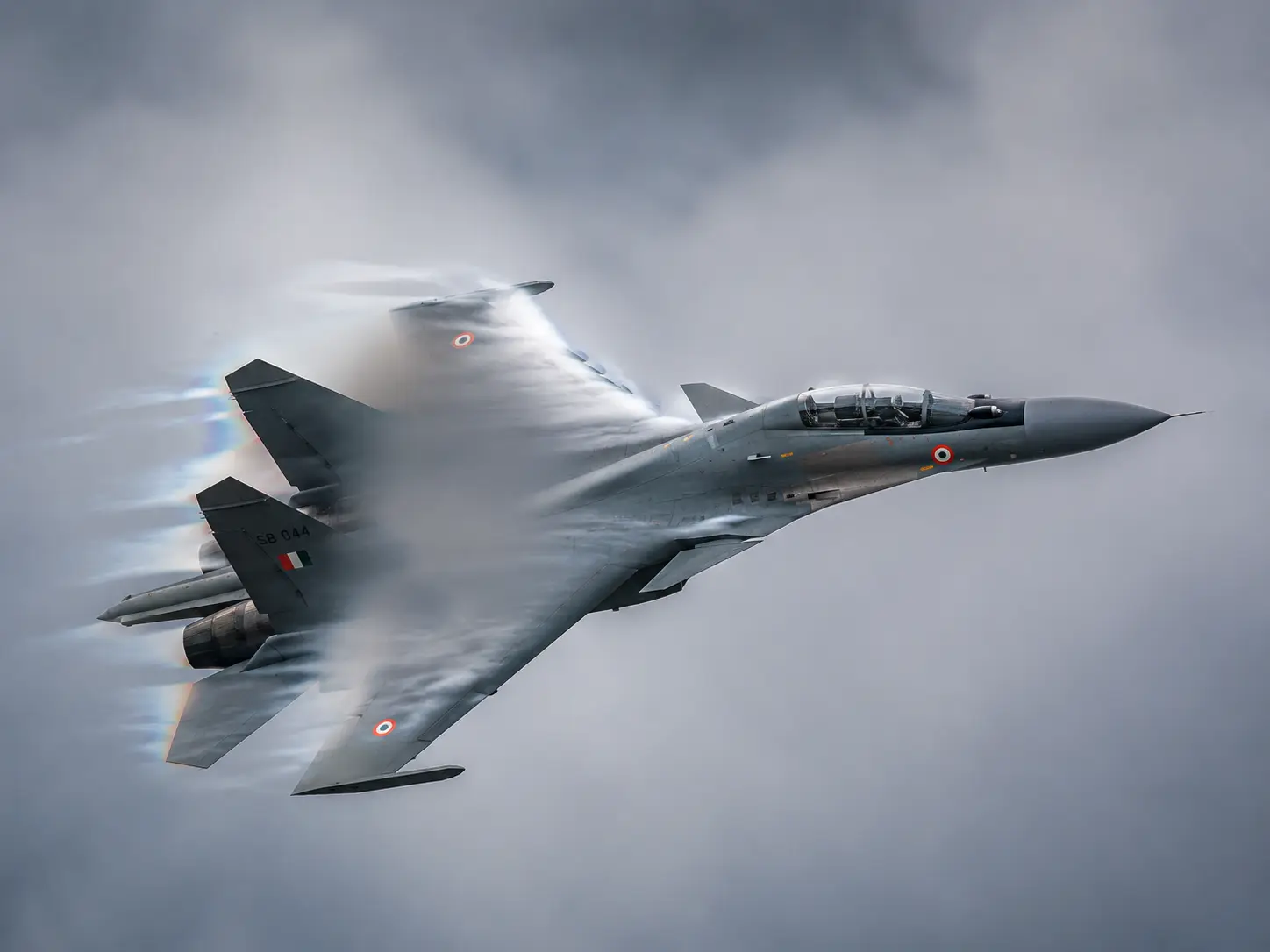
How fast can the Sukhoi Su-30 fighter jet really fly?
)
Nigerian Navy discovers 99,000 litres of suspected stolen, illegally refined products as it intensifies anti-crude oil theft operations
)
Breaking | Vance takes the podium: First White House briefing since Leavitt's exit
)
Kenya vs Tata Chemicals: Why President William Ruto ordered company to stop operations
)
Bangladesh batter Towhid Hridoy creates history with 350 not out in South Africa
)
South Korea plans for military deployment in Strait of Hormuz amid US pressure
&im=FitAndFill=(700,400))
Why US tanks weigh over 20 tons more than Russian tanks
)
ISRO stages comeback with GSLV-F17/EOS-05 success; targets six more launches
)
Nobel laureate Machado says Venezuela’s ‘illegitimate’ regime has no right to strike US oil deal
)
Iran attacks US bases in Kuwait & UAE, supersecret missile project in focus | Gravitas
)
Netherlands shifts 86 tonnes of gold reserve to UK citing geopolitical risks
&im=FitAndFill=(700,400))
Why Russian fighter jets use bulky, low-pressure tyres compared to US jets
)
Happy Krishna Janmashtami 2026 wishes: 30+ messages, quotes, greetings, and WhatsApp status ideas to share
Also read:‘I had a lot of dizziness’: Montreal resident shares his suffering with Long Covid for three years
What are the symptoms?
Chandipura virus causes fever and symptoms that are similar to flu and acute encephalitis (inflammation of the brain). It is transmitted by vectors like mosquitoes, ticks and sandflies. Experts have noted that the primary vectors are sandflies, which can live in cracksin walls and in portions of mud- or sand-built dwellings.
Dr Ankita Baidya, Consultant,Infectious Diseases, Manipal Hospital, Dwarka, Delhi shared details about this virus with WION.
She weighed in on the symptoms and said,"This virus initially causes fever, vomiting, loose motion, and other viral-like symptoms, but in addition, it also causes swelling in the brain called encephalitis, leading toconvulsions, altered sensorium, delusion, unconsciousness episodes and seizures."
"So all these symptoms can be there because of the involvement of the brain with this virus," she explained.Notably, the virusdoes not transfer from person to person and is not contagious.
Who is at risk?
The primary targets of this virus are children between the ages of 9 months and 14 years.Dr Baidya said that children are more susceptible because they play outside, and the disease is acquired through the bite of mosquitoes, sand flies or ticks.
In the rainy season, the chances of spreading the virus are on the higher side because of more mosquito breeding sites.
Also read:Explained: Is forgetfulness a key indicator of Alzheimer's disease? Experts tell when to seek help
Are there any preventive measures?
Dr Baidya revealed that the symptoms are treated as per supportive care as there is no dedicated anti-viral as such for this virus.
Currently, there is no preventive vaccine for this. The only method to prevent this virus spread is using effective mosquito control measures and preventing mosquito bites, she added.
She further said that wearing loose and covered clothes will help. Mosquito repellents must also be used.
Local authorities should focus on sanitisation becauseit is important to prevent mosquito bites by controlling thebreeding sites.
Insecticide spraying, telling kids to wear long sleeves, using bed nets when sleeping, and maintaining a clean environment will help in controlling the infectious disease.