An evening in Kashmir

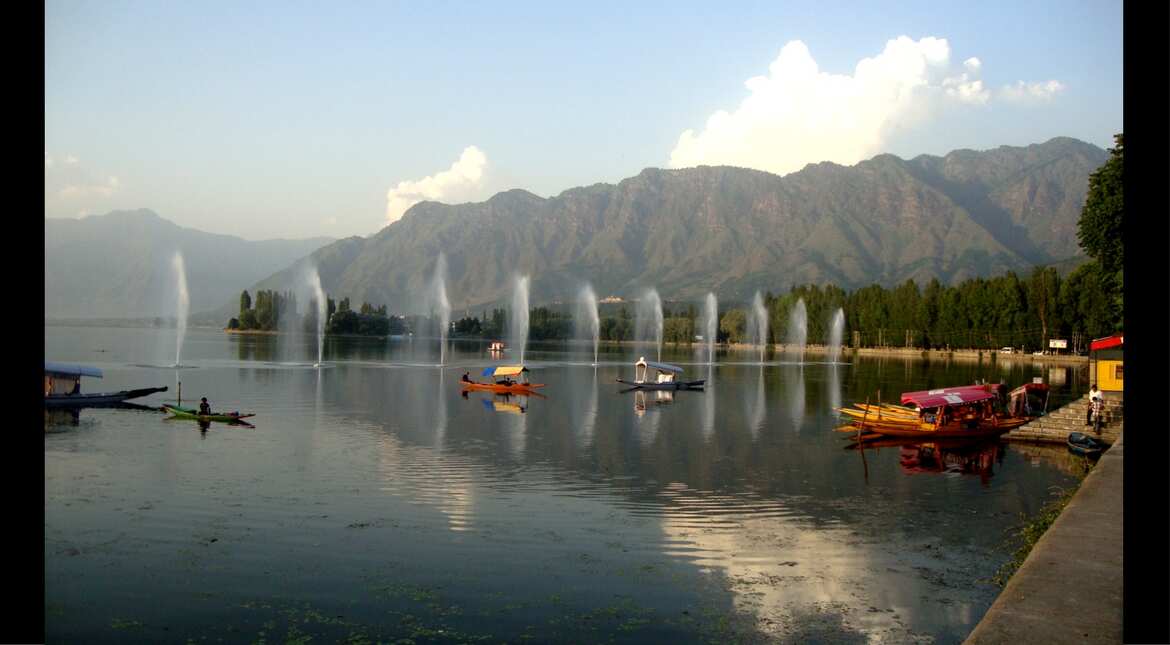
Dal Lake, Srinagar
But I said nothing, for he could just as easily have turned around and said the same thing to me
Shah Faesal, the first Kashmiri to top the Indian civil service examinations, wrote recently of how his father was killed by militants.
They came to the family home one evening, and unlike other guests were allowed to walk in with their boots on.
They asked Shah’s father to accompany them to the next room.

Knowing what was coming, his mother told the militants that whatever needed to be said to her husband could be said in front of her.
So the men stayed and talked.
Finally, when it was time to leave, Shah’s father walked the militants to the door. As is custom, Shah wrote.
)
IND vs JPN one-off T20I: India survive scare from Japan to win five-over a side match by 2 runs
)
‘0% chance’: Nvidia CEO Jensen Huang dismisses AI extinction fears by 2030
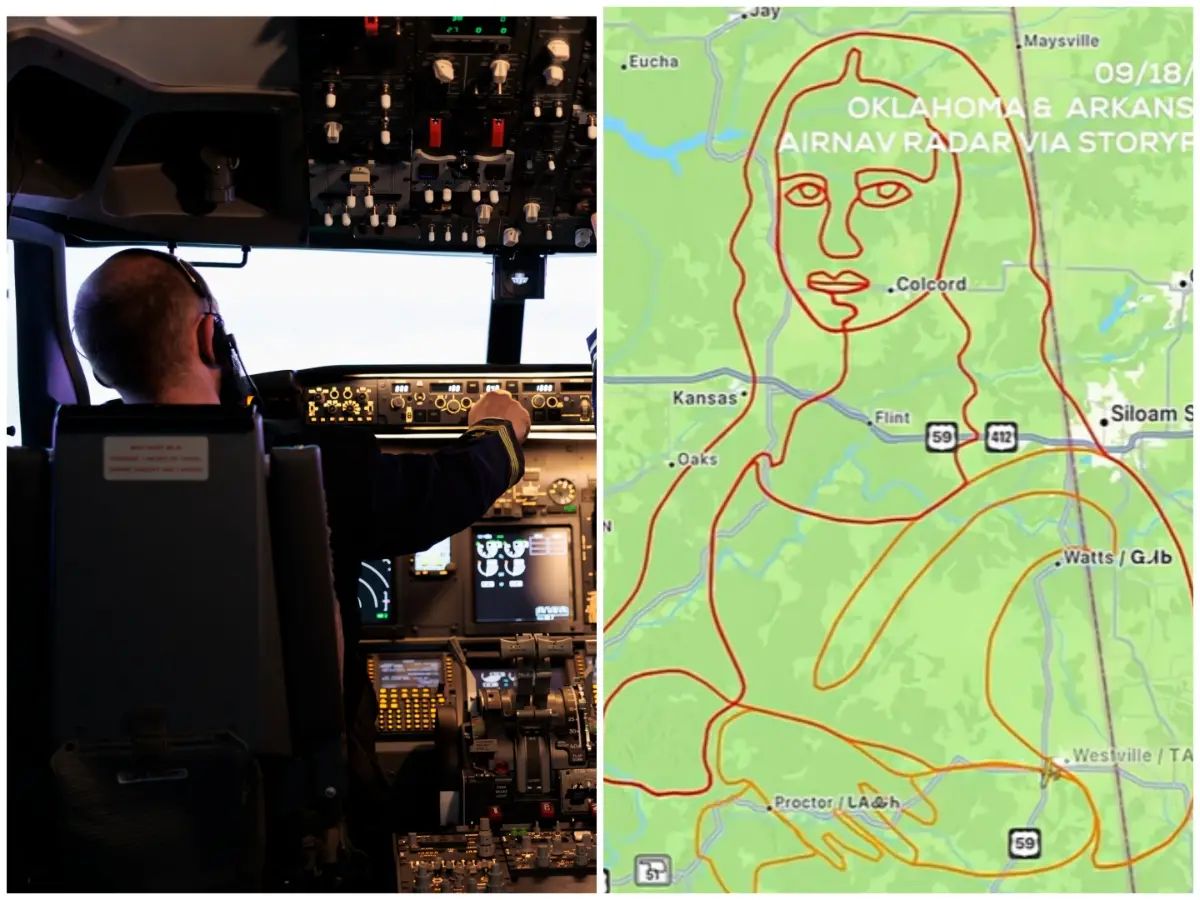)
Pilot recreates Mona Lisa in sky over Oklahoma and Arkansas in four-hour flight: VIDEO
)
Samsung raises Galaxy S26 prices by Rs 20,000: Here’s what each model now costs
)
Two infants die after fire breaks out at RIMS newborn care unit in Telangana's Adilabad
&im=FitAndFill=(700,400))
New OTT releases this week (September 21-27, 2026): Shaque: Trust No One, Hunkkaar, Don’t Be Shy- 5 new titles coming to Netflix, Prime Video and more
)
Glitch in the matrix caught on camera: Woman vanishes after talking to reporter
)
Randeep Hooda arrives in Gujarat for his first National Film Award: ‘Very grateful’
)
US-Iran war, peace deals and more: What to expect from Trump's UNGA 2026 speech
)
J&K Assembly Session begins amid chaos: BJP, ruling alliance clash as statehood demand dominates
)
US and China vie for AI dominance as calls grow for regulation | Gravitas
)
Report: Zelensky meets CIA chief Ratcliffe at Shannon airport, weeks after his secret Moscow trip
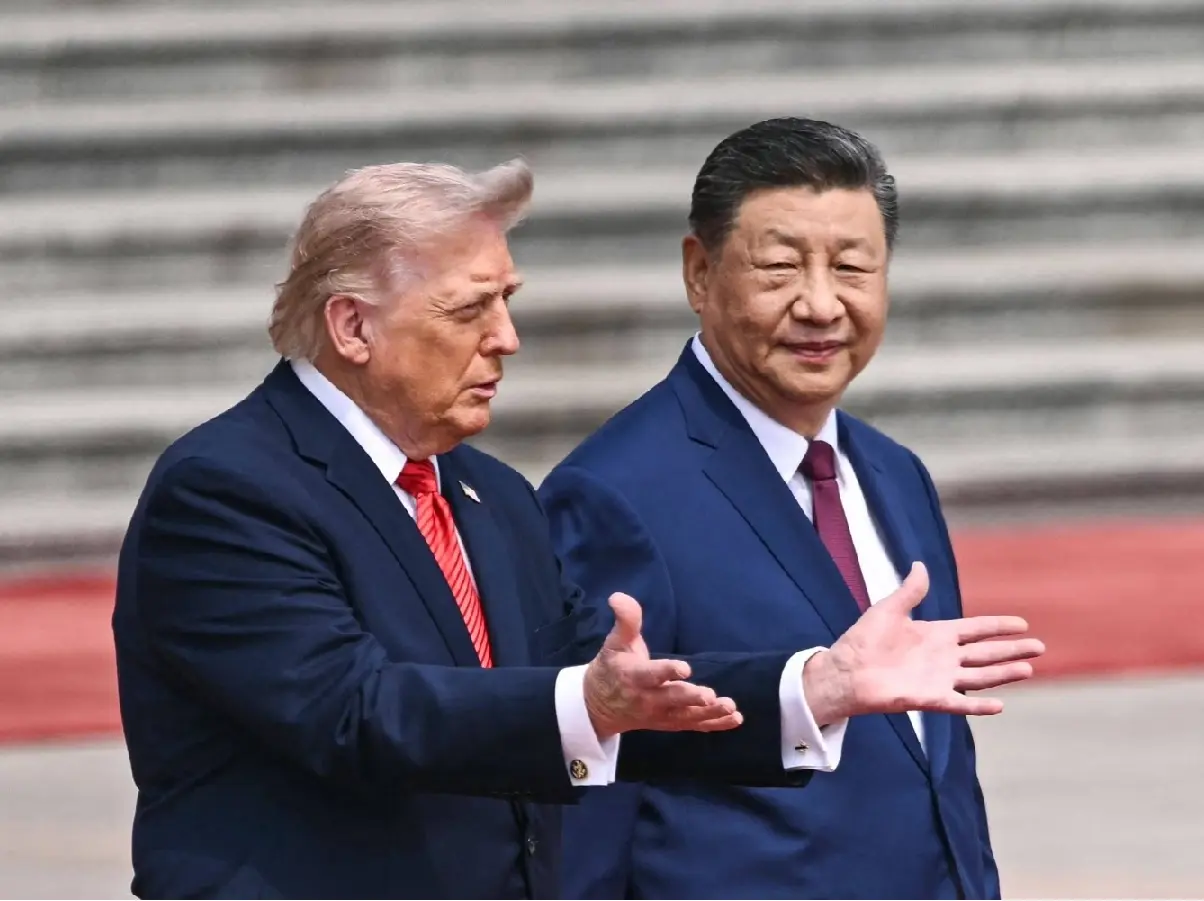)
Explainer: Why rare-earth export licences and Board of Trade are US priorities ahead of Trump-Xi summit
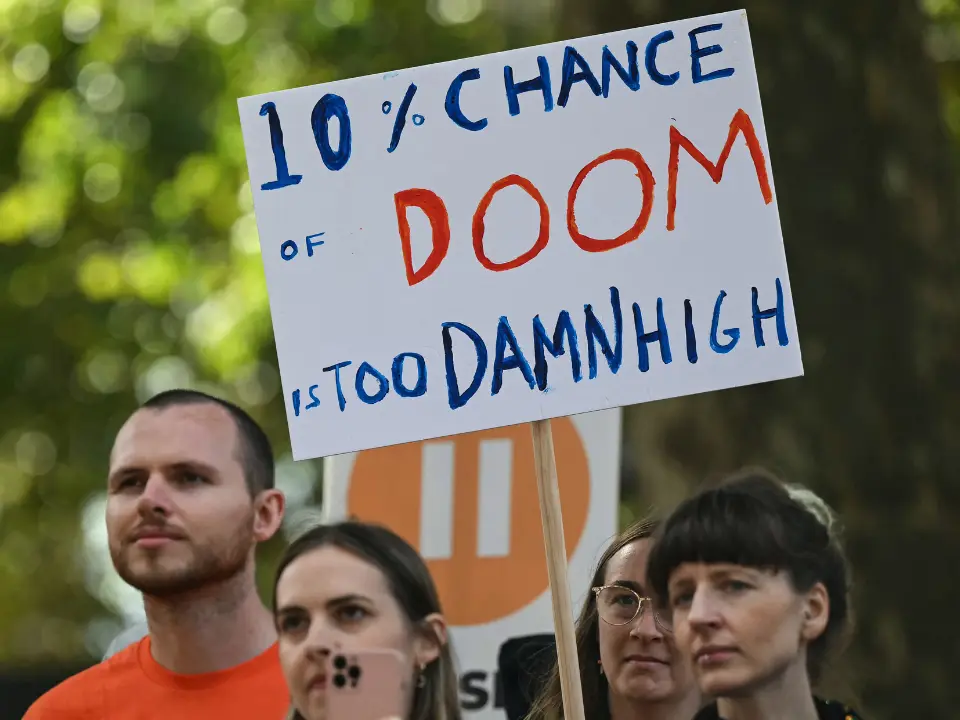)
Anti-AI activists storm summit, say 'incompetent' leaders are leading us into a disaster - 'We need a vote'
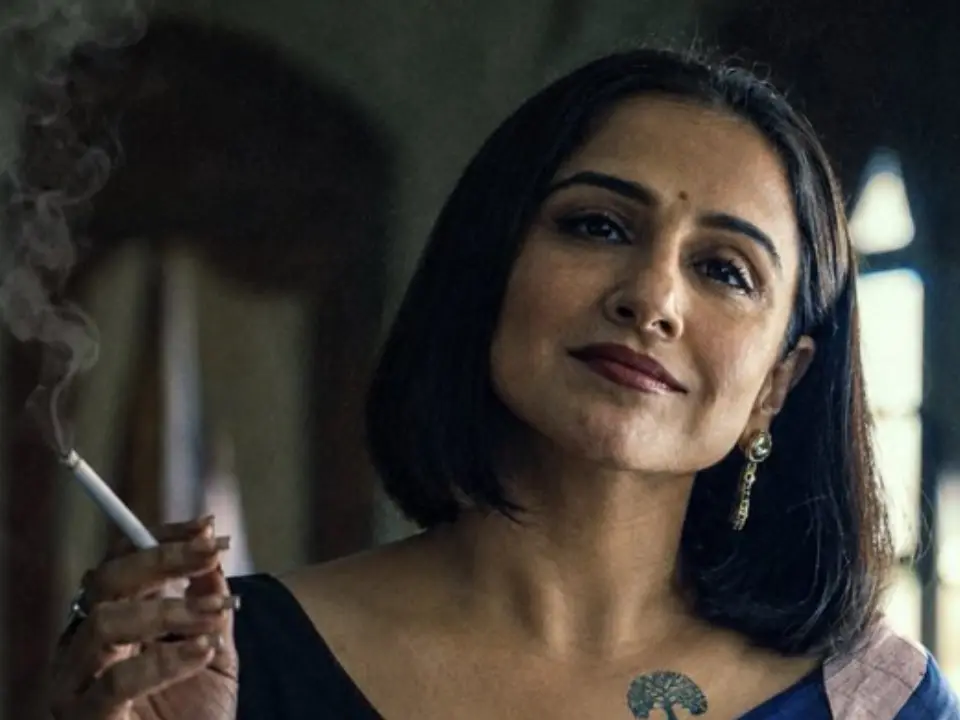)
Jailer 2: Vidya Balan joins Rajinikanth's upcoming film as Kantha | Watch
)
AI models chose to harm humans to stop ‘pain,’ alarming study raises fresh safety questions
)
UK PM Burnham agrees to 'defensive' military support for Saudi Arabia against Houthis
)
40-foot waves crash into cruise ship in dangerous stretch near Antarctica. Watch
)
Saudi Arabia exits China-led mBridge digital currency platform amid Saudi-Houthi conflict
)
BTS fans mock iHeartRadio’s day 2 turnout after short set controversy
)
Russia-Ukraine war: Russian strikes knock out three of Ukraine's largest steel plants
&im=FitAndFill=(700,400))
Anant Nag to recieve Dadasaheb Phalke Award: From Ankur to Nishant- Revisit his best films and iconic performances on OTT
)
FIFA chief Infantino wants to reform governing body with consultation from federations
)
$110 billion Warner Bros merger: Paramount reaches settlement with 12 US states
)
Samay Raina-Mukesh Chhabra controversy explained: What happened over girlfriend joke on India's Got Latent?
)
From ‘communist’ to ‘great mayor’: Trump praises Mamdani after New York meeting, discusses immigration and housing
)
The Verdict | The Mecca Agreement is under scrutiny as Houthis attack Saudis
)
How Zaheer Khan came to be CSK's head coach of IPL 2027
)
'Needs time away from the international scene': England white-ball captain Brook on pacer Brydon Carse's future
)
Raaka creates history! Allu Arjun’s film secures Guinness World Record ahead of release
)
India at UNGA81: Jaishankar warns global order under 'growing stress', pushes for ‘reformed multilateralism’
)
Microsoft executive called AI training the ‘largest theft of labour in human history’
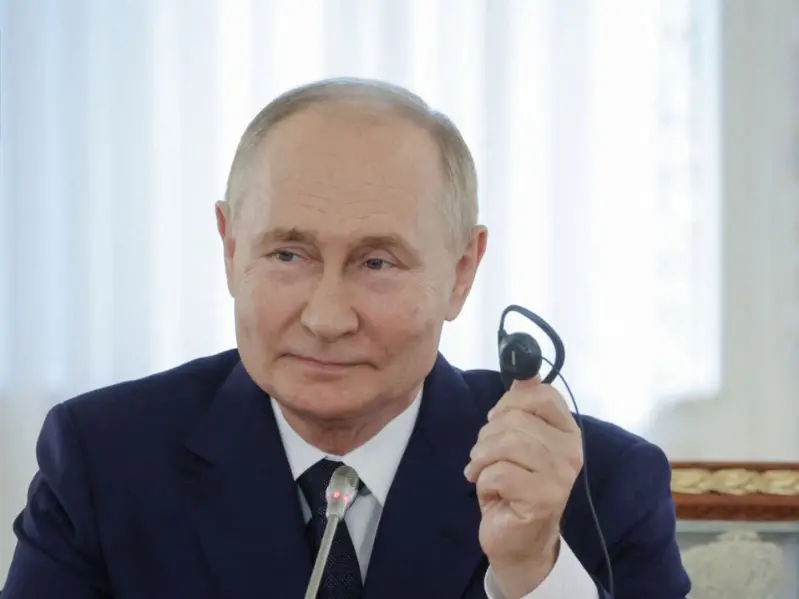)
Putin's United Russia party wins 355 seats in Duma election; 4 other parties cross threshold to enter parliament
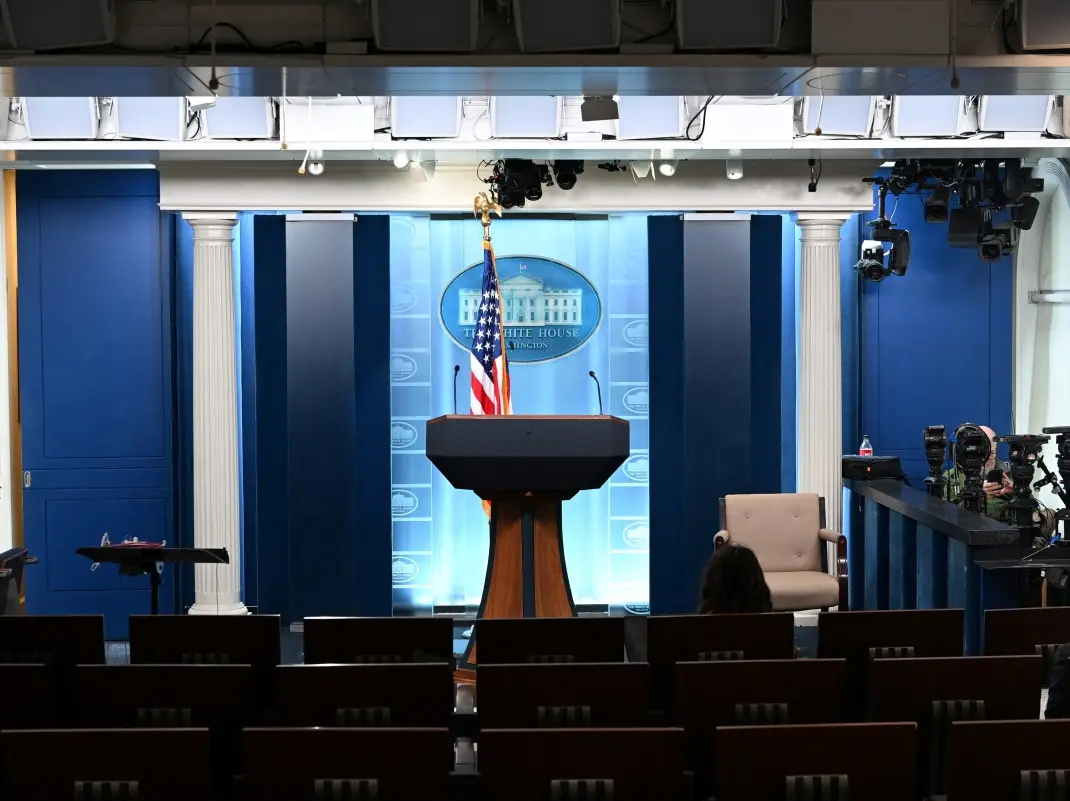)
Trump's helipad event overshadowed by audio failure as major TV networks suspend pool coverage
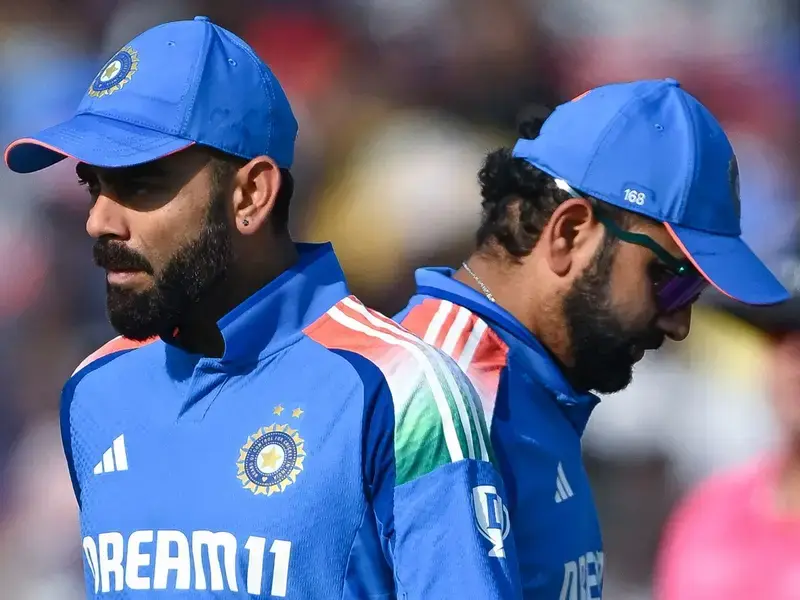)
'Lot of things to learn from experienced players': Jayasuriya backs Rohit, Virat for 2027 ODI World Cup
The men walked out and as Shah’s father bid them goodbye, they poked their guns in through the closing door and shot him.
My father had been killed with “all courtesy”, Shah wrote.
A few days later, another Kashmiri Muslim – Imad Ul Riyaz – wrote in the same paper about what it is like to be those two words and live in mainland India. (Imad lives in Delhi.)
His father, he said, had taken to calling him at least five times a day.
Like all taciturn relationships between fathers and sons the world over, his father, Imad said, talked mostly of trivial matters during the phone calls.
But what he was really trying to say, Imad wrote, was that he was worried by the recent spate of lynchings of Muslim men.
I can understand some of what Shah and Imad were talking about.
I was in Kashmir last year after the killing of the Hizbul Mujahideen commander Burhan Wani.
And as I looked bewildered at what was going on around me, I remember saying one evening to the Kashmiri journalists in my hotel room that I sometimes got the feeling I was in “enemy territory”.
I was speaking half in jest at the time but, surprisingly, one of the Kashmiri journalists replied that he too occasionally got the same feeling. (Like Imad, he also worked in Delhi.)
I had thought then that he was joking but I understand now what he meant.
The schism in Kashmir – between the people who are thought to be pro- and anti-India – is complete.
That is why Shah’s father was killed.
Shah has written in innumerable pieces that all his family tried to do was stay as far away from the conflict as possible, be neutral, but that was not good enough.
You had (have) to choose a side.
That was also why the Deputy Superintendent of Police Ayub Pandith was lynched outside the Jamia mosque in Srinagar.
He was a symbol of the Indian state, part of the “other”.
And we have got to a situation where it is okay to attack the other.
The critics of Not In My Name – the large-scale protests against the lynchings – had at the time used the Srinagar killing to argue that the recent lynchings were not exclusively of Muslim men by the Hindu majority.
That both communities were guilty of lynching.
And that somehow the Srinagar lynching made the others less worse.
There is little that is as terrible as a hate crime.
How do you explain the idea that somebody can be killed just because of who or what they are? A brown man in America, a teenage boy wearing a skull cap in India.
There is no reason for the killing.
It is simply inexplicable.
But I’ve come to understand that the critics were, at least in one way, right.
There is little difference between the killings here and the one in Srinagar.
You drive a wedge between a people, you force them on either side of a divide, and somebody will get killed. Here because you are supposedly “anti-national” and there because you are supposedly “pro-national”.
Close to a 100 people were killed in Kashmir last year in the protests that broke out after Wani’s killing.
The people killed were not militants with guns but protesters. Civilians; men, women, and children.
They followed in a long line of similar killings.
In 2008, Indian security forces killed 60 protesters.
In 2009, they killed 35.
And in 2010, they killed 120.
The youngest child shot and wounded last year in Kashmir while I was there was a four-year-old girl.
She had been shot by a pellet gun. She had lost one eye, and had been shot in the face, the chest, the abdomen, and the vagina.
In a way, we are all responsible for what happened to her.
It is our tax money that funded the guns and ammunition that were used to shoot her.
At some point, we will have to think long and hard about that.
On my last evening in Srinagar, the familiar group of Kashmiri journalists had gathered in my room. (It had become an informal base to meet at after the day’s work.)
Amidst them was a new gentleman.
I had only met him that afternoon.
I had shaken hands with him, but hadn’t said much more. He hadn’t seemed very talkative.
He had walked into my hotel room and sat down in a chair.
Then he plonked himself on my bed, picked up my room phone, turned to me and brusquely asked what the number to room service was.
There were apologetic smiles from one or two of the others.
I told him. He dialled, and asked for cups of tea all around.
The tea came. He drank.
Then he walked into my bathroom.
I heard it flush a few minutes later.
He exited, and walked out of my hotel room.
There was no thank you.
I had wanted to stop him.
To tell him that he had been rude to me in my hotel room, my “home” while I was in Kashmir.
And that you should not be rude to a man in his own home.
But I said nothing. I let him go.
For he could just as easily have turned around and said the same thing to me.