9 years of GST: India's compliance phase starts

&imwidth=600&imheight=450&format=webp&quality=medium "9 years of GST: India's compliance phase starts")
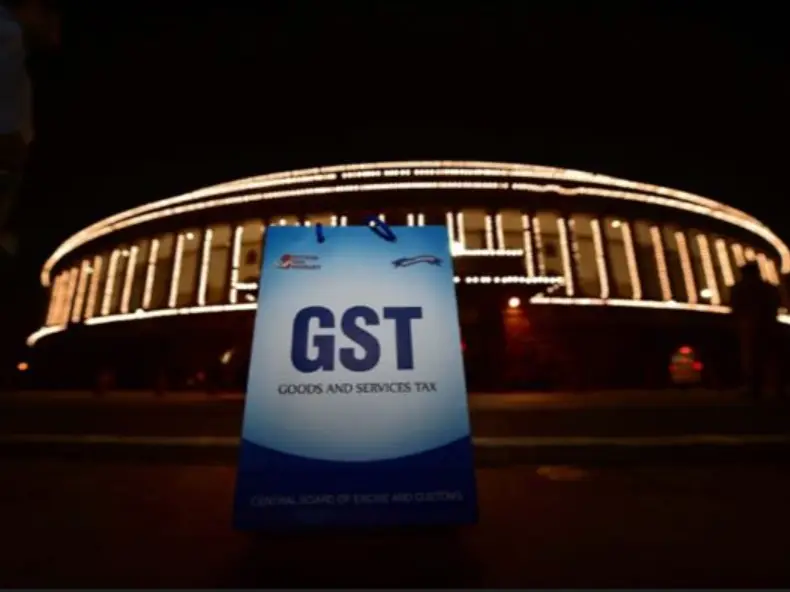
Representative image. Photograph: (Flickr)
April posted a record monthly collection of 2.42 lakh crore rupees, and June's net GST mop-up rose 11.2 per cent year-on-year to Rs 1.62 lakh crore. That trajectory reflects formalisation of the economy as much as revenue growth.
Nine years since India replaced seventeen central and state levies with a single indirect tax, the goods and services tax, or GST, and the numbers tell a story of scale. Registered taxpayers have risen from 66.5 lakh in 2017 to 1.65 crore through to May this year. Gross collections have climbed from Rs 7.4 lakh crore, or about $78 billion, in 2017–18.
To Rs 22.27 lakh crore, or nearly $234 billion, in 2025-26.
April posted a record monthly collection of 2.42 lakh crore rupees, and June's net GST mop-up rose 11.2 per cent year-on-year to Rs 1.62 lakh crore. That trajectory reflects formalisation of the economy as much as revenue growth.
But the real story this year is the pivot.
In September 2025, the government rolled out what it calls next-gen GST. Collapsing the four-slab structure into essentially two principal slabs of 5 per cent and 18 per cent, with luxury and sin goods like tobacco and online gaming pushed into a 40 per cent bracket.
Nearly 90 per cent of goods earlier taxed at 28 per cent moved to 18 per cent. That is a deliberate demand stimulus.
Trending Stories
&im=FitAndFill=(700,400))
)
)
)
)
)
)
)
)
)
)
)
)
)
)
&im=FitAndFill=(700,400))
)
)
&im=FitAndFill=(700,400))
)
)
)
)
)
)
)
&im=FitAndFill=(700,400))
)
)
)
)
)
)
&im=FitAndFill=(700,400))
Timed against a macro backdrop of GDP growth near 7.8 per cent and moderating inflation. Economically, that was a consumption boost bet.
The harder test now is compliance mechanics and not rates. Businesses now face less negotiation room and more automated scrutiny. The next GST council meeting is expected to shift focus from rates to registration, refunds and audit facilitation.
That suggests the rate-cutting phase is largely done. Sentiment backs the country's GST transition. A Deloitte India survey found that over 99 per cent of businesses report positive or neutral experiences with GST.
Negative sentiment near zero, down from 5 per cent in 2025 and 10 per cent in 2022. Nine years in, GST has stopped being a reform story and become an infrastructure story. The question now is administrative delivery and not design anymore.
