
&imwidth=800&imheight=600&format=webp&quality=medium "331 lives, 1 suitcase bomb: Air India flight 182 that never reached London")
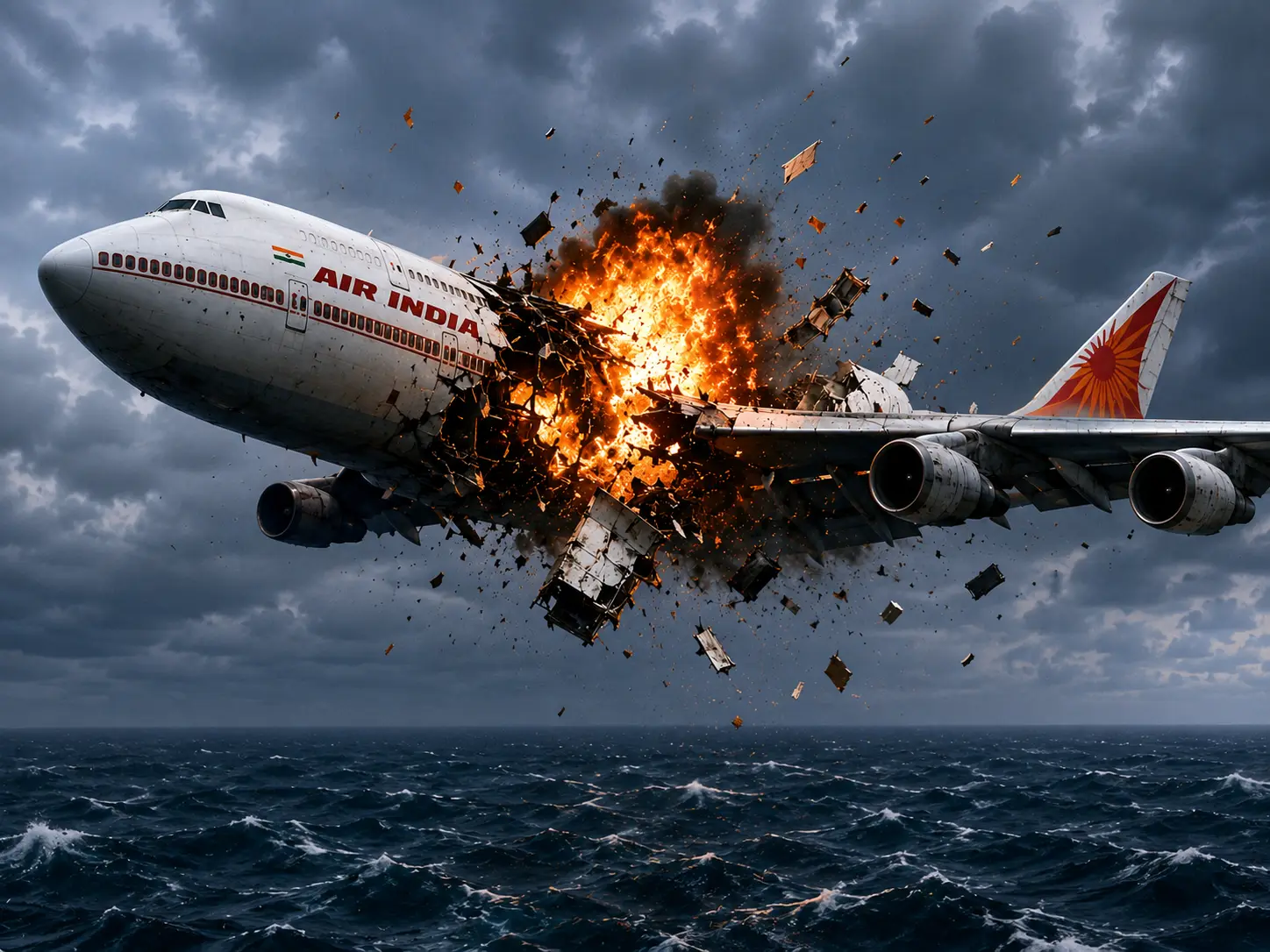
It was the morning of June 23, 1985. Air India Flight 182 was nearing the final stretch of its journey to London. Families were preparing for holidays, children were asleep in their seats, and crew members were carrying out routine duties aboard the Boeing 747 named Kanishka. But within seconds, everything changed.
A bomb hidden inside a suitcase exploded in the aircraft’s cargo hold over the Atlantic Ocean, causing the jumbo jet to break apart mid-air. All 329 people on board were killed. The aircraft never reached London. 40 years later, the bombing of Air India Flight 182 remains one of the deadliest acts of aviation terrorism in history and the worst terrorist attack ever carried out against Canada.
The moment that changed everything

Air India Flight 182 bombing was a scheduled Air India service operating from Toronto to Mumbai, with stops in Montreal, London and Delhi. The aircraft involved was a Boeing 747-237B, registered VT-EFO and named Emperor Kanishka. On June 23, 1985, it departed Montreal for London carrying 307 passengers and 22 crew members. Most of those on board were Canadian citizens, many of Indian origin.
At approximately 31,000 feet and about 190 kilometres off the coast of Ireland, a bomb concealed inside checked luggage detonated in the forward cargo hold. The explosion caused a rapid decompression and catastrophic structural failure. The aircraft broke apart in mid-air and plunged into the Atlantic Ocean. There was no distress call. No warning. No chance of survival.
Trending Stories
&im=FitAndFill=(700,400))
How fast can the Sukhoi Su-30 fighter jet really fly?
)
Did China ask its people 'not to respond to aliens'? Origin of bizarre claim on social media
)
MS Dhoni-CSK Fallout? Report claims failed stake sale talks triggered rift
)
Scientists reveal the SAFEST COUNTRY when catastrophe strikes the planet
)
Serial killer on the loose in South Korea's Jeju Island? Fourth body found in three days as more than a dozen people go missing
)
2/3rd of glacier detached, collapsed: ISRO satellite images reveal what triggered Nepal floods
)
Trump once again claims without him there would be ‘no Israel right now’
)
Foreign espionage attacks against German companies surge to 37%, Bitkom report reveals
)
Blake Lively wins partial legal fee from Justin Baldoni after $8M request
)
Why is Pakistan deploying Turkish Bayraktar TB2 drones near India border?
)
'OH MY GOD! We've found other agents!': Investigators discover not one or two, almost 700 OpenAI AI agents went rogue, hacked Hugging Face
)
Lunar eclipse 2026: India timings, places to see and more. August Blood moon factsheet
)
RSS chief Mohan Bhagwat on global outreach tour
)
Both pilots killed as training aircraft crashes in Lucknow – What we know
)
16-year-old charged with preparing terror attack on kindergarten in Norway
&im=FitAndFill=(700,400))
How the S-400 protects itself from enemy attacks
)
Nepal floods: Over 165 dead, 400 missing; US, India, China, World Bank mobilise aid
)
India's multi-layered watch: The new surveillance war
)
5 doomsday planes spotted in US skies hours after CIA director's secret trip to Russia
)
9/11 mastermind Khalid Sheikh Mohammed to finally face trial in 2028, nearly 27 years after horrific attacks
)
Islamabad hospital fire: What we know about one of the biggest facility that housed Imran Khan
)
Workers run for life while filming Nepal flash flood: Scary new visuals emerge from Rasuwa
)
Russian military planes enter South Korean air defence zone amid rising tensions with North Korea: What's happening
)
Ron Weasley Is Back! Rupert Grint set to return to Harry Potter universe on Broadway
)
400-year-old 'vampire' grave in Poland reveals non-existent genetic lineage
)
Dolly Parton, global icon and queen of country music, dies at 80
)
Nepal flash floods: Kailash Mansarovar yatra affected, close to 400 pilgrims out of contact
)
'If he is dead, they're putting on a pretty good show': Trump casts fresh doubt over Mojtaba Khamenei's fate
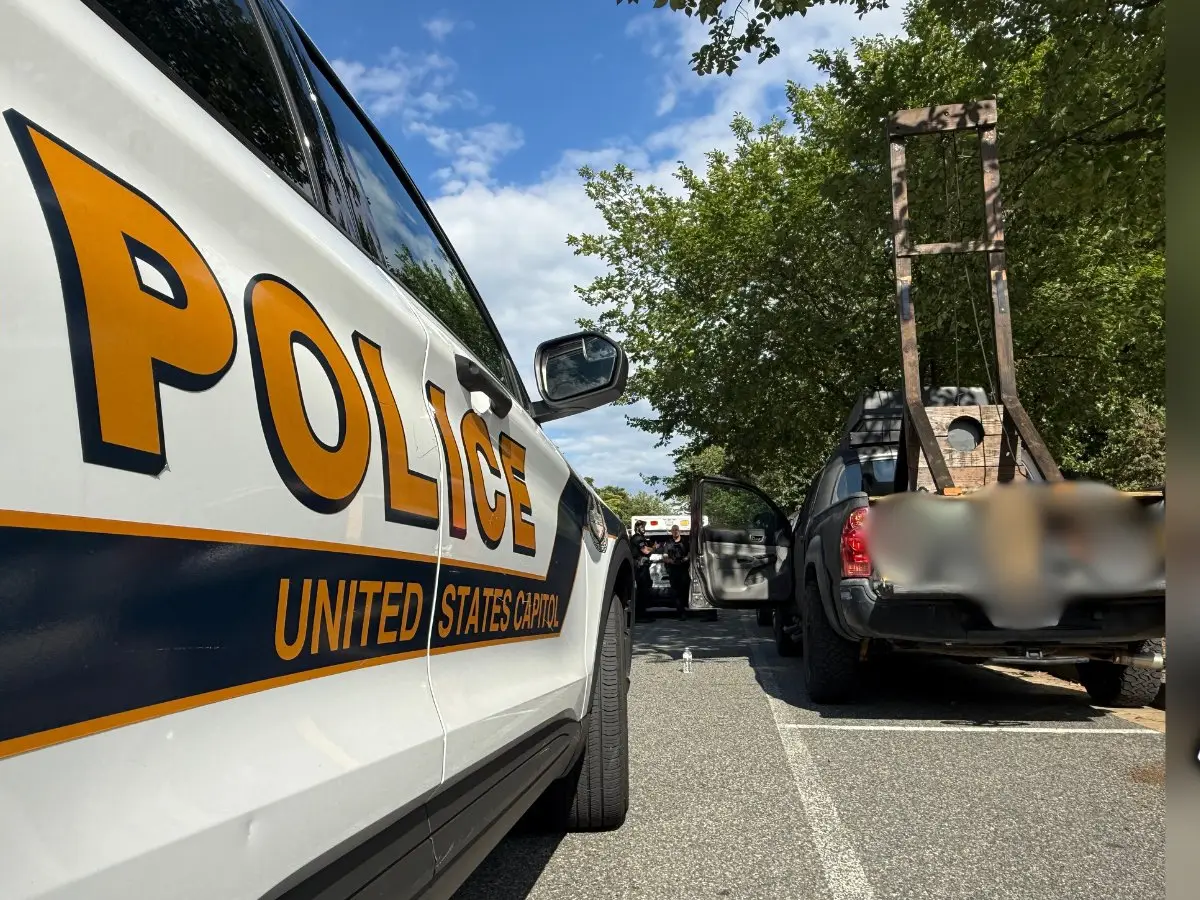)
Man arrested near US Capitol with guillotine in pickup truck: What happened?
&im=FitAndFill=(700,400))
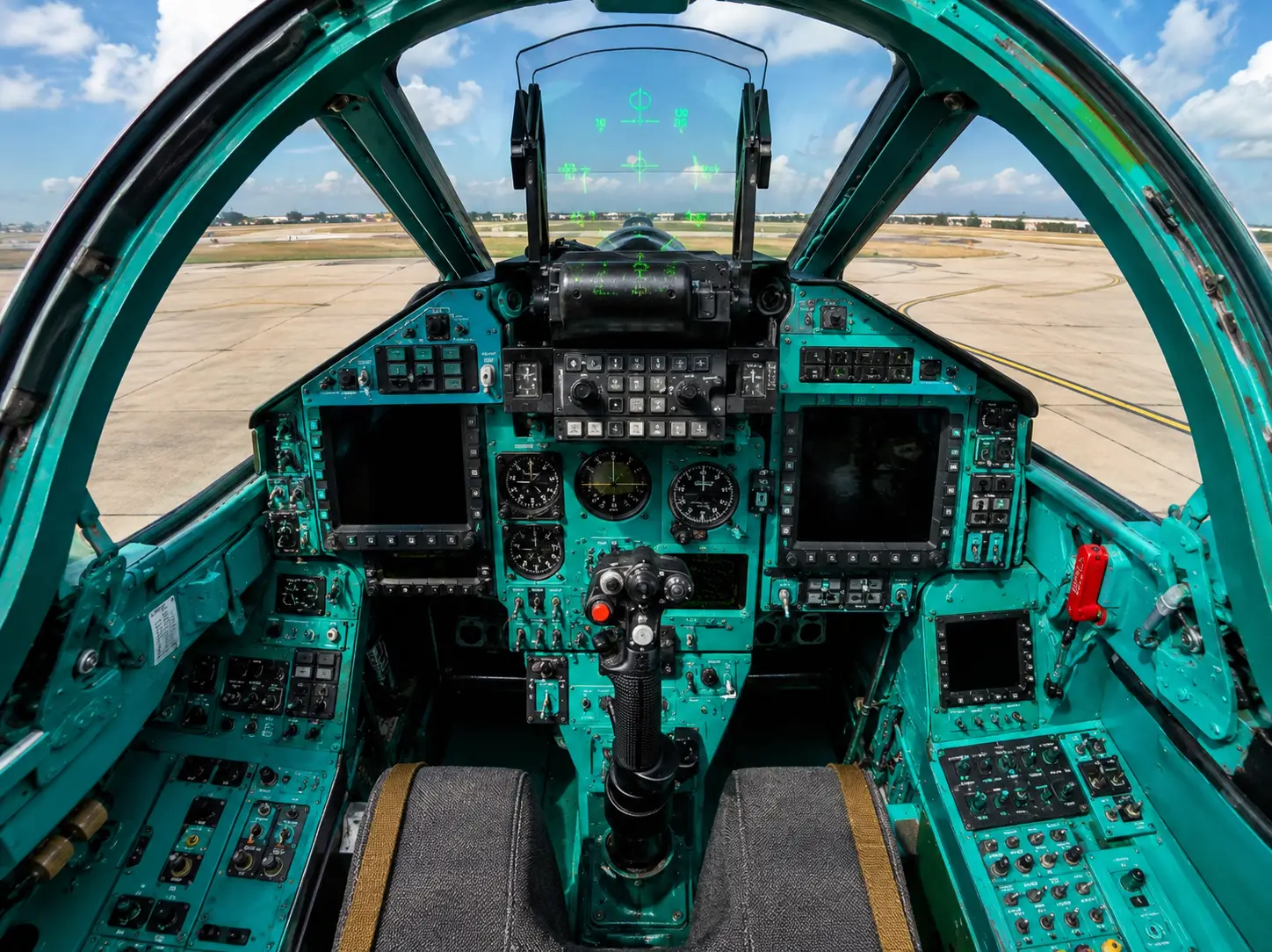
Why the Su-30MKI cockpit is painted bright turquoise green
All 329 people aboard were killed, but only 131 bodies were later recovered from the sea.
The other bomb that exploded the same day
What many people do not realise is that Flight 182 was only one part of a larger terror plot. Less than an hour before the Kanishka bombing, another suitcase bomb exploded at Japan’s Narita Airport. The device was intended to be loaded onto another Air India flight bound for Bangkok. Instead, it detonated prematurely while baggage was being transferred, killing two baggage handlers.
Had that second bomb reached its intended aircraft, the death toll could have been even higher, as reported in Time Magazine.
Who was behind the attack?
Investigators concluded that the bombing was carried out by extremists linked to the Khalistani militant group Babbar Khalsa. The attack came less than a year after Operation Blue Star, when the Indian Army entered the Golden Temple complex in Amritsar to remove armed militants. The operation triggered anger among sections of the Sikh diaspora, particularly in Canada, where extremist elements began plotting retaliatory attacks.
Also read: Right or controversial? Kerala proposes period leaves for schoolgirls and there's a debate over it
Canadian investigators later identified several suspects connected to the conspiracy. However, despite one of the largest terrorism investigations in Canadian history, only Inderjit Singh Reyat was ultimately convicted. Reyat admitted involvement in constructing the bombs and received prison sentences related to the attacks.

