131st Constitution Amendment Bill for women's quota fails to pass Lok Sabha test

&imwidth=600&imheight=450&format=webp&quality=medium "131st Constitution Amendment Bill for women's quota fails to pass Lok Sabha test")
131st Constitution Amendment Bill for women's quota fails to pass Lok Sabha test
131st Constitution Amendment Bill fails in Lok Sabha despite a majority vote, the 33% women's quota and Lok Sabha expansion plan fall short of 2/3rds majority.
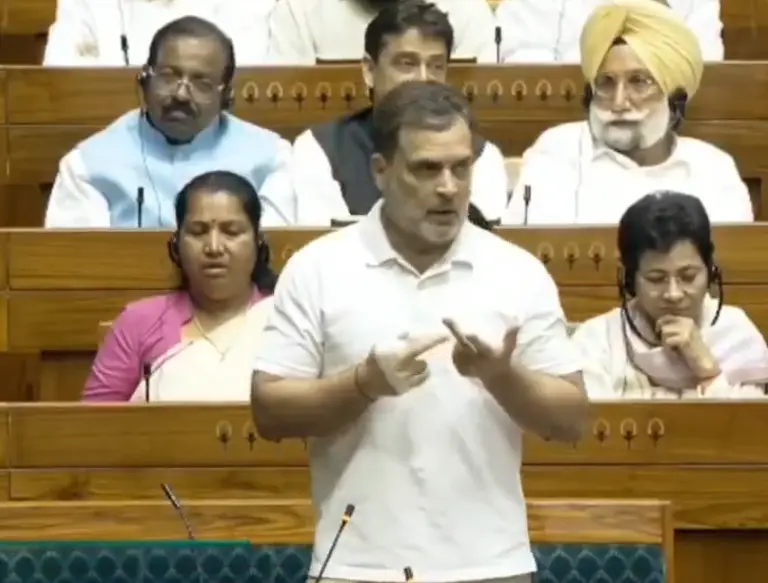
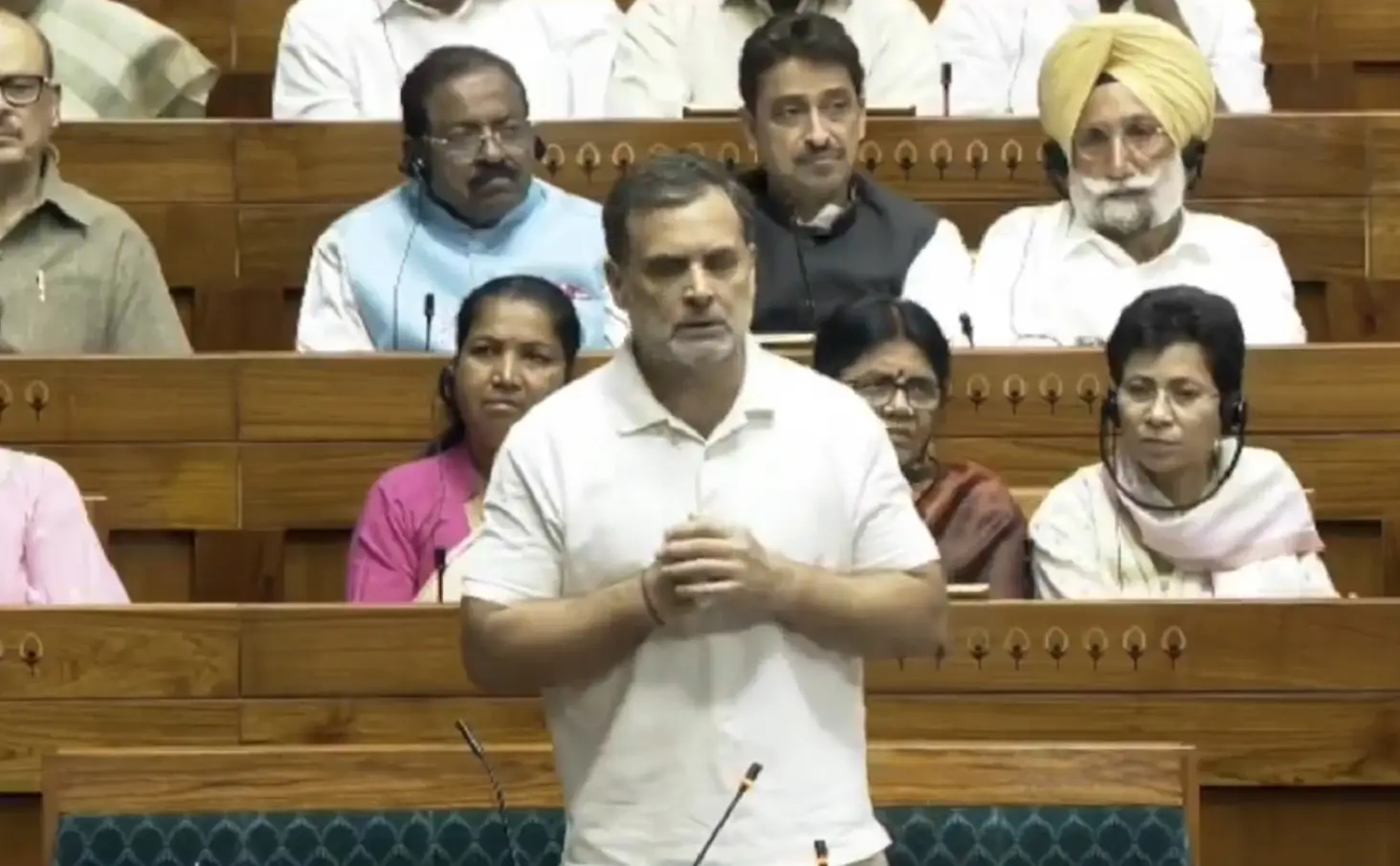
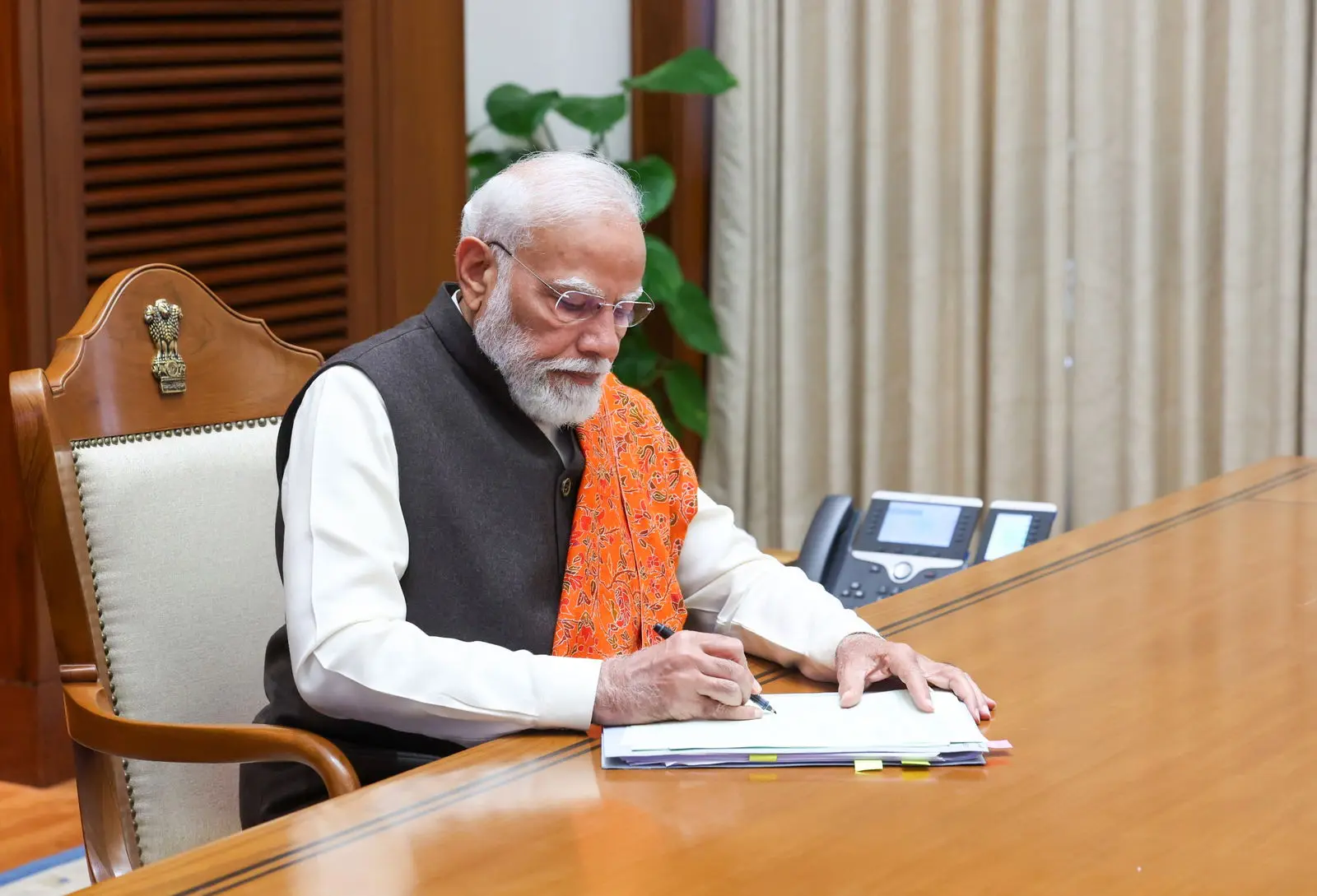
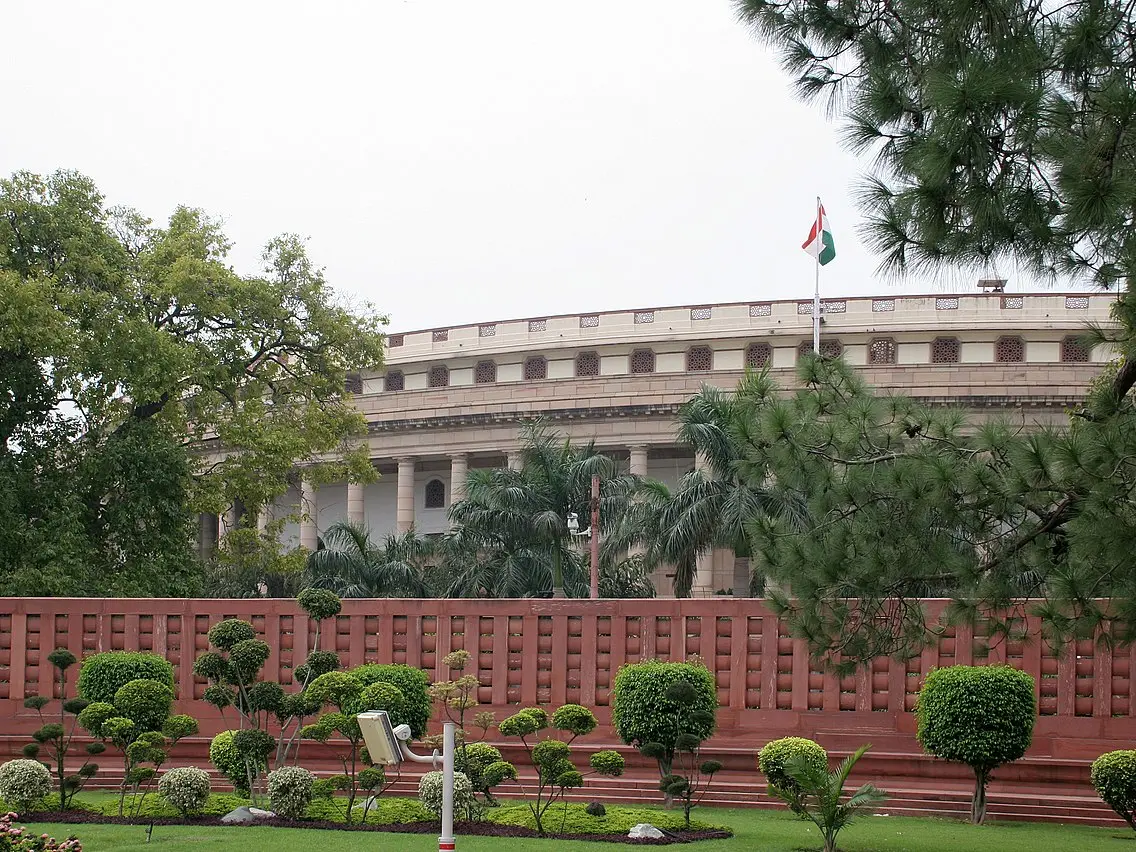
In a major legislative setback for the government, the Constitution (131st Amendment) Bill, 2026, failed to clear the Lok Sabha on Friday (Apr 17). Despite securing a simple majority of votes, the bill fell short of the mandatory two-thirds majority required for a Constitutional amendment. The high-stakes voting followed a heated debate led by Home Minister Amit Shah and Leader of Opposition Rahul Gandhi. When the division of votes was called there were 278 ayes, 211 noes, and zero abstentions.
Under Article 368, a Constitutional amendment requires the support of a majority of the total membership of the House and a majority of not less than two-thirds of the members present and voting. With 489 members participating, the government needed approximately 326 votes to pass the measure. The shortfall of 48 votes represents a significant victory for the unified Opposition bloc.
Also read: What is the Delimitation Bill? Why the Union Government is pegging it to the Women Reservation Law
The 131st Amendment was designed as a "bridge" to enable the immediate implementation of the Women’s Reservation Act, 2023. Its primary proposals included increasing the strength of the House from 543 to a maximum of 850 seats.
The Opposition, led by Rahul Gandhi, labelled the Bill a "panic reaction" and a "nothing short of an anti-national act." This is not about women's empowerment, Gandhi argued during the session. "It is an attempt to change the country's electoral map and silence the voices of smaller states."
Trending Stories
&imwidth=280&imheight=210&format=webp&quality=medium)
&imwidth=280&imheight=210&format=webp&quality=medium)
&imwidth=280&imheight=210&format=webp&quality=medium)
&imwidth=280&imheight=210&format=webp&quality=medium)
&imwidth=280&imheight=210&format=webp&quality=medium)
&imwidth=280&imheight=210&format=webp&quality=medium)
&imwidth=280&imheight=210&format=webp&quality=medium)
&imwidth=280&imheight=210&format=webp&quality=medium)
&imwidth=280&imheight=210&format=webp&quality=medium)
&imwidth=280&imheight=210&format=webp&quality=medium)
&imwidth=280&imheight=210&format=webp&quality=medium)
&imwidth=280&imheight=210&format=webp&quality=medium)
&imwidth=280&imheight=210&format=webp&quality=medium)
&imwidth=280&imheight=210&format=webp&quality=medium)
&imwidth=280&imheight=210&format=webp&quality=medium)
&imwidth=280&imheight=210&format=webp&quality=medium)
&imwidth=280&imheight=210&format=webp&quality=medium)
&imwidth=280&imheight=210&format=webp&quality=medium)
&imwidth=280&imheight=210&format=webp&quality=medium)
&im=FitAndFill=(700,400)&imwidth=280&imheight=210&format=webp&quality=medium)
&im=FitAndFill=(700,400)&imwidth=280&imheight=210&format=webp&quality=medium)
&im=FitAndFill=(700,400)&imwidth=280&imheight=210&format=webp&quality=medium)
&imwidth=280&imheight=210&format=webp&quality=medium)
&imwidth=280&imheight=210&format=webp&quality=medium)
&imwidth=280&imheight=210&format=webp&quality=medium)
&imwidth=280&imheight=210&format=webp&quality=medium)
&imwidth=280&imheight=210&format=webp&quality=medium)
&imwidth=280&imheight=210&format=webp&quality=medium)
&imwidth=280&imheight=210&format=webp&quality=medium)
&imwidth=280&imheight=210&format=webp&quality=medium)
&imwidth=280&imheight=210&format=webp&quality=medium)
&imwidth=280&imheight=210&format=webp&quality=medium)
&imwidth=280&imheight=210&format=webp&quality=medium)
&im=FitAndFill=(700,400)&imwidth=280&imheight=210&format=webp&quality=medium)
&imwidth=280&imheight=210&format=webp&quality=medium)
What next?
The Bill’s failure leaves the implementation of women's reservation in a state of limbo. While the government notified the Constitution (106th Amendment) Act on Wednesday (Apr 16) to bring the 33% women quota into force, that law remains contingent on a post-census delimitation.
Without the 131st Amendment's legal bypass, the government must now either wait for the completion of the 2027 Census or seek a fresh consensus with regional parties to move forward with parliamentary expansion.