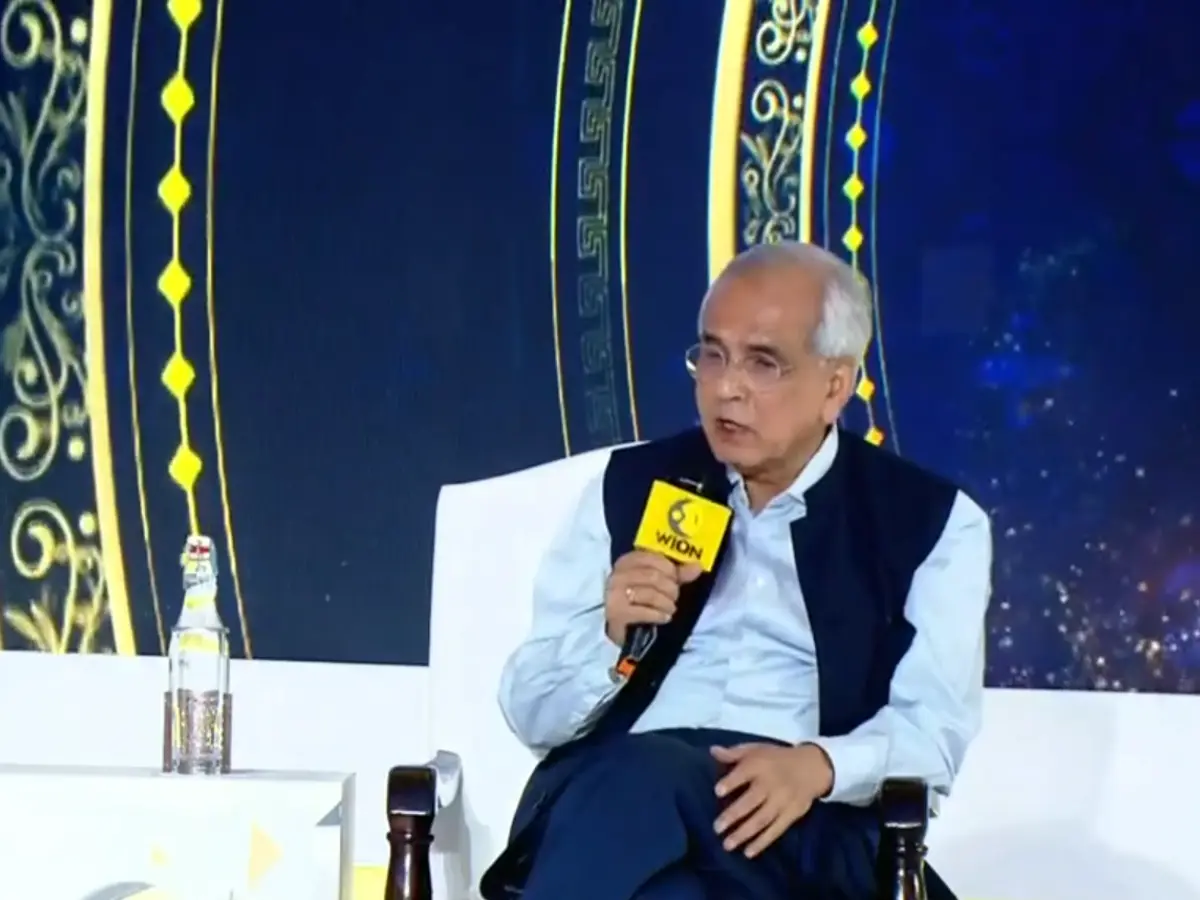
WION World Pulse | ‘India has moved from the backseat to the front seat’: Norwegian expert Erik Solheim on renewable energy boom

&imwidth=600&imheight=450&format=webp&quality=medium "WION World Pulse | ‘India has moved from the backseat to the front seat’: Norwegian expert Erik Solheim on renewable energy boom")
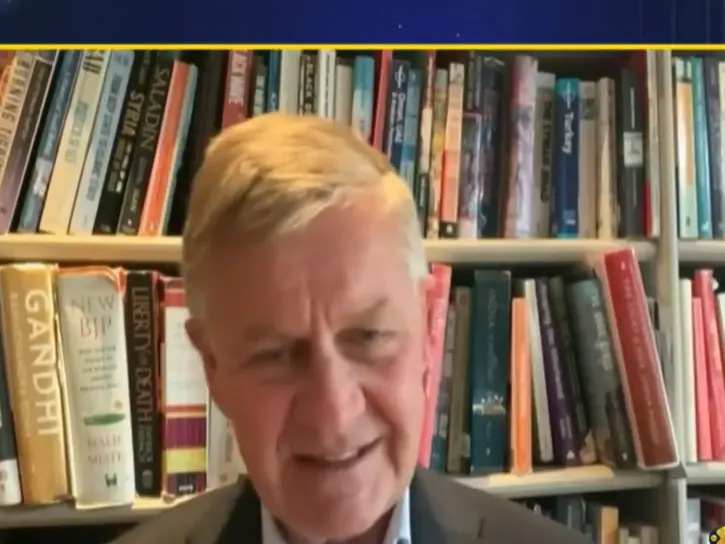
India in the front seat in climate action, says Erik Solheim at WION World Pulse
At the WION World Pulse summit, climate expert Eric Solheim highlighted how the global green transition is becoming scalable, affordable and economically viable. He stressed that solar energy, massive infrastructure and cost savings are now central to modern development.
Speaking at the WION World Pulse summit on Wednesday (Marc 18), Norwegian climate expert Erik Solheim underscored the dramatic shift in the global climate narrative, highlighting how Asia, particularly India and China, is now leading the transition to renewable energy.
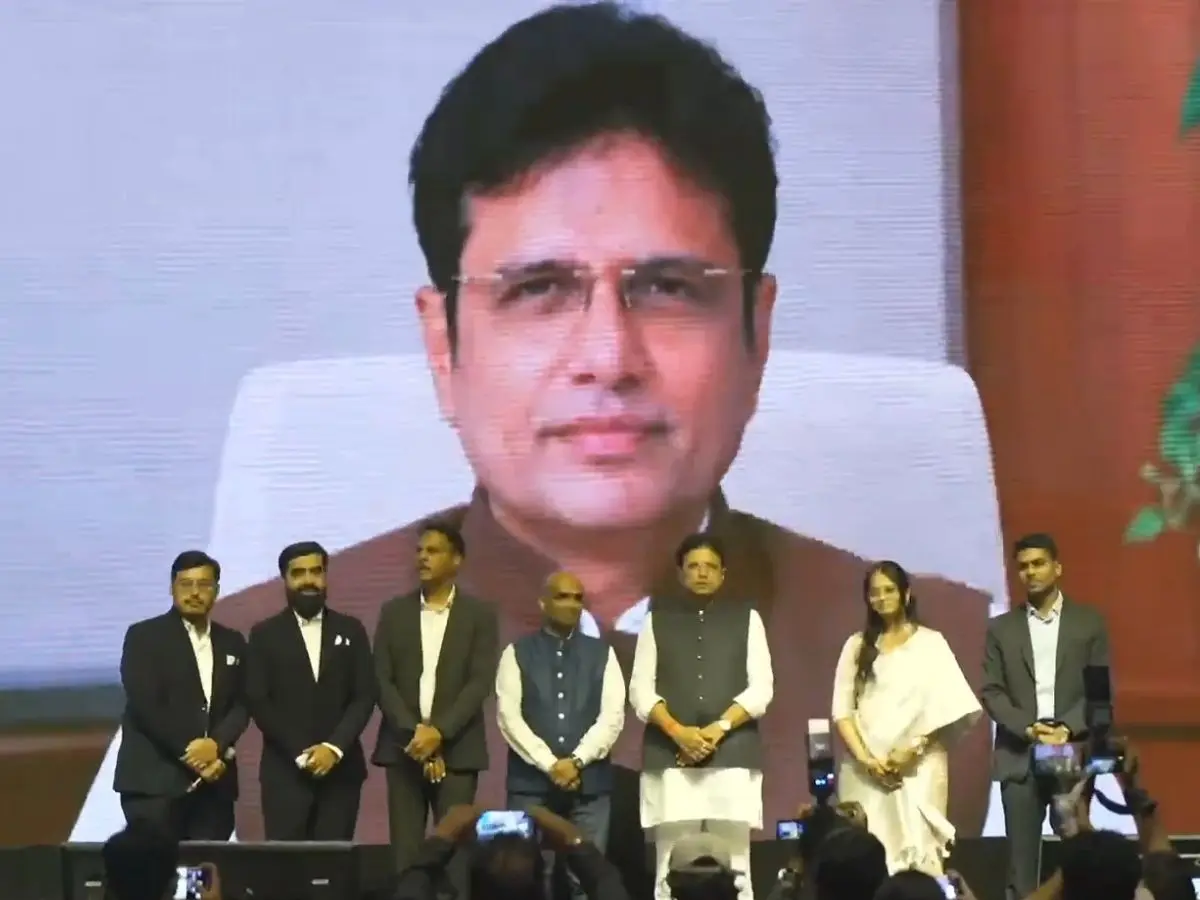
Joining the Planet Pulse session of the summit via video, Solheim noted that climate action is no longer just an environmental crusade but a major economic driver.
‘From diplomacy to business’: The Asian surge
Solheim stressed that the narrative around climate change has completely transformed in recent years. "Earlier, Europe was leading. Now, Asia, especially India and China, is leading," he said.
He explained that climate discussions have moved away from pure diplomacy and are now centred on business and economic growth. To illustrate this scale, he pointed out that China added 315 gigawatts of solar energy in a single year, an amount equal to 12 times Bangladesh’s entire power grid and 10 times Norway’s total hydropower capacity.
India is also seeing massive growth in its green sector. Solheim noted that India is now the third largest renewable energy producer in the world and is likely to soon surpass the United States. Last year, India added 14 gigawatts of renewable energy, roughly six times the entire grid of Sri Lanka.
Trending Stories
&imwidth=280&imheight=210&format=webp&quality=medium)
&im=FitAndFill=(700,400)&imwidth=280&imheight=210&format=webp&quality=medium)
&imwidth=280&imheight=210&format=webp&quality=medium)
&imwidth=280&imheight=210&format=webp&quality=medium)
&imwidth=280&imheight=210&format=webp&quality=medium)
&imwidth=280&imheight=210&format=webp&quality=medium)
&imwidth=280&imheight=210&format=webp&quality=medium)
&imwidth=280&imheight=210&format=webp&quality=medium)
&imwidth=280&imheight=210&format=webp&quality=medium)
&imwidth=280&imheight=210&format=webp&quality=medium)
&imwidth=280&imheight=210&format=webp&quality=medium)
&imwidth=280&imheight=210&format=webp&quality=medium)
&imwidth=280&imheight=210&format=webp&quality=medium)
&imwidth=280&imheight=210&format=webp&quality=medium)
&imwidth=280&imheight=210&format=webp&quality=medium)
&imwidth=280&imheight=210&format=webp&quality=medium)
&imwidth=280&imheight=210&format=webp&quality=medium)
&imwidth=280&imheight=210&format=webp&quality=medium)
&imwidth=280&imheight=210&format=webp&quality=medium)
&imwidth=280&imheight=210&format=webp&quality=medium)
&imwidth=280&imheight=210&format=webp&quality=medium)
&imwidth=280&imheight=210&format=webp&quality=medium)
&im=FitAndFill=(700,400)&imwidth=280&imheight=210&format=webp&quality=medium)
&imwidth=280&imheight=210&format=webp&quality=medium)
&im=FitAndFill=(700,400)&imwidth=280&imheight=210&format=webp&quality=medium)
&imwidth=280&imheight=210&format=webp&quality=medium)
&imwidth=280&imheight=210&format=webp&quality=medium)
&imwidth=280&imheight=210&format=webp&quality=medium)
&imwidth=280&imheight=210&format=webp&quality=medium)
&imwidth=280&imheight=210&format=webp&quality=medium)
&imwidth=280&imheight=210&format=webp&quality=medium)
&imwidth=280&imheight=210&format=webp&quality=medium)
&imwidth=280&imheight=210&format=webp&quality=medium)
&imwidth=280&imheight=210&format=webp&quality=medium)
&imwidth=280&imheight=210&format=webp&quality=medium)
Economy and ecology hand in hand
Highlighting a historic turning point, Solheim explained that economic prosperity and ecological preservation are no longer mutually exclusive.
"For the first time in human history, economy and ecology can go hand in hand," he stated.
While previous models of development heavily relied on fossil fuels like coal, oil, and gas, modern growth is defined by solar, wind, hydropower, and electric vehicles. With solar now being the cheapest energy source in the world, adopting it allows countries to save money, redirect funds to health and education, and achieve energy independence from global oil markets.
Massive green infrastructure projects
Positioning India's role on the global stage, Solheim praised the country's massive renewable infrastructure projects.
He highlighted the Adani Group's ongoing construction of a solar plant of 30 gigawatts, the largest in the world. He also pointed to GreenCo’s facility in Andhra Pradesh, the world’s largest integrated system combining solar, wind, hydropower, and battery storage. During the day, solar energy pumps water to a reservoir, and at night, the water is released to generate electricity, ensuring 24 hours of renewable energy.
Similar advanced projects are already planned across Maharashtra, Karnataka, and Uttar Pradesh, pushing India "from the backseat to the front seat in climate action."
‘Scalable and affordable’ renewable energy and the decline of coal
Addressing the future of fossil fuels, Solheim acknowledged that while some investment in oil and gas remains necessary, the absolute priority has shifted to renewables.
He shared a major milestone: for the first time in modern history, coal emissions have started declining in India and China because renewable options are scalable, affordable, and economically viable.
Giving a practical example from Uttar Pradesh, he noted that switching from diesel to solar power reduced monthly energy costs from ₹40,000 to ₹15,000.
"People are switching not just for the environment, but because it saves money," Solheim concluded, adding that the transition is accelerating because it improves health, reduces pollution, and builds energy independence for the long term.