
&imwidth=800&imheight=600&format=webp&quality=medium "Why your child's brain benefits from interactive learning")
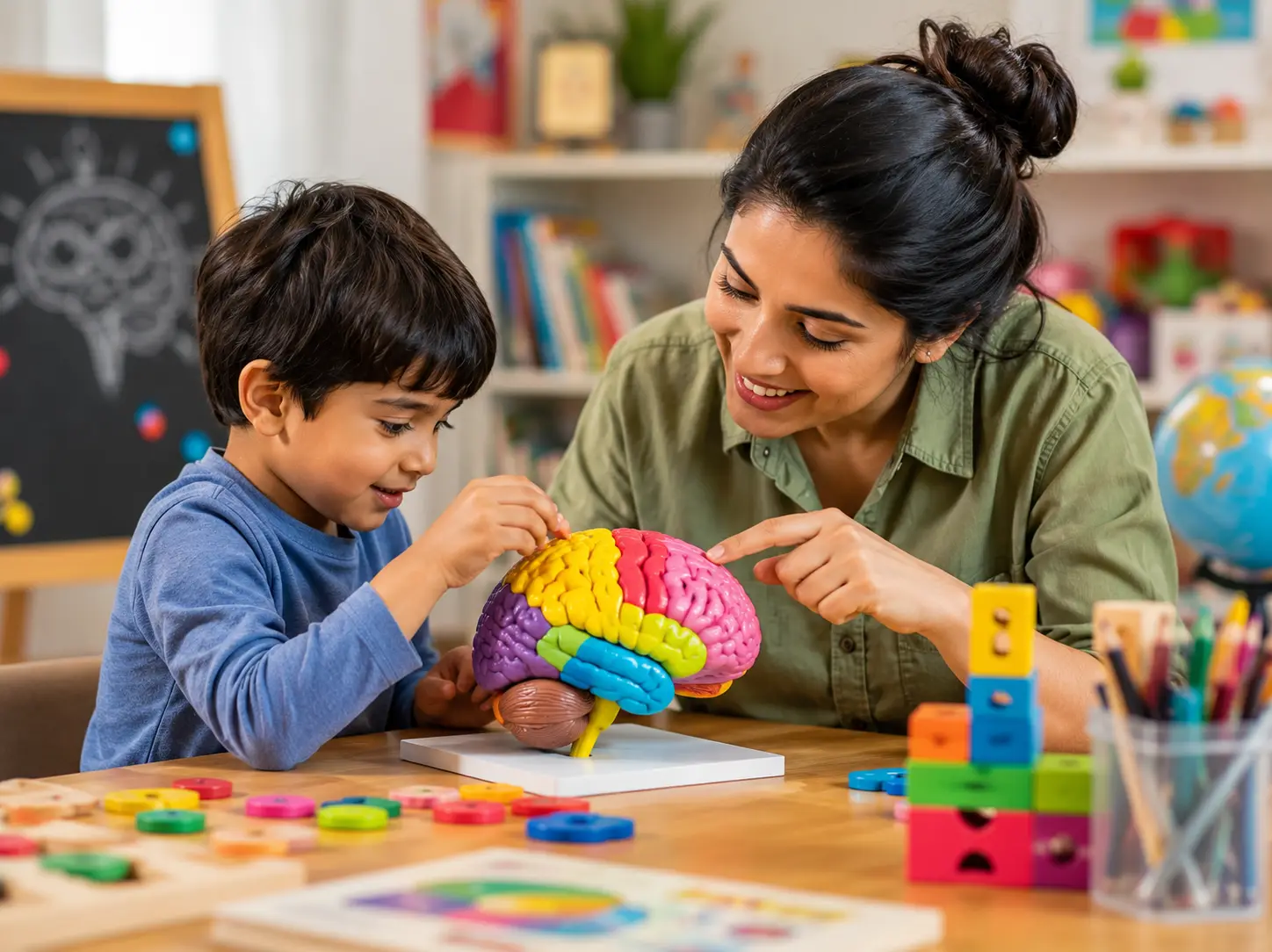
The early years of a child's life are critical for cognitive growth. Research shows that 90 per cent of a child's brain development occurs before the age of five. During these formative years, the brain generates approximately one million new neural connections every single second. To maximise this rapid growth, experts recommend interactive learning over passive observation. Hands-on educational activities engage children physically and mentally, fostering curiosity and essential life skills.
Engaging multiple brain regions simultaneously
When children participate in hands-on learning, they stimulate multiple areas of the brain at once. Picking up objects, building blocks, or investigating their surroundings creates powerful neural connections that improve overall brain function. This multi-sensory approach activates cognition, sensory, and motor regions simultaneously. Unlike passively watching a screen, active exploration forces the brain to process information through touch, sight, and sound. For instance, engaging all five senses during an outdoor activity helps children gather facts and information they could not obtain from simply reading a book or watching a video.

Boosting problem-solving and memory retention
Interactive activities require children to think critically and analyse information rather than simply memorising it. When students actively participate and collaborate, they develop a deeper understanding of the material and are far more likely to retain information. Repeating interactive tasks helps reinforce learning and strengthens memory. For example, solving puzzles encourages logical thinking, while simple games boost independent decision-making. Because interactive education addresses diverse learning needs, it makes the entire educational process much more enjoyable and memorable.
Developing social and emotional intelligence
Trending Stories
&im=FitAndFill=(700,400))
How fast can the Sukhoi Su-30 fighter jet really fly?
)
Did China ask its people 'not to respond to aliens'? Origin of bizarre claim on social media
)
MS Dhoni-CSK Fallout? Report claims failed stake sale talks triggered rift
)
Scientists reveal the SAFEST COUNTRY when catastrophe strikes the planet
)
Serial killer on the loose in South Korea's Jeju Island? Fourth body found in three days as more than a dozen people go missing
)
2/3rd of glacier detached, collapsed: ISRO satellite images reveal what triggered Nepal floods
)
Trump once again claims without him there would be ‘no Israel right now’
)
Foreign espionage attacks against German companies surge to 37%, Bitkom report reveals
)
Blake Lively wins partial legal fee from Justin Baldoni after $8M request
)
Why is Pakistan deploying Turkish Bayraktar TB2 drones near India border?
)
'OH MY GOD! We've found other agents!': Investigators discover not one or two, almost 700 OpenAI AI agents went rogue, hacked Hugging Face
)
Lunar eclipse 2026: India timings, places to see and more. August Blood moon factsheet
)
RSS chief Mohan Bhagwat on global outreach tour
)
Both pilots killed as training aircraft crashes in Lucknow – What we know
)
16-year-old charged with preparing terror attack on kindergarten in Norway
&im=FitAndFill=(700,400))
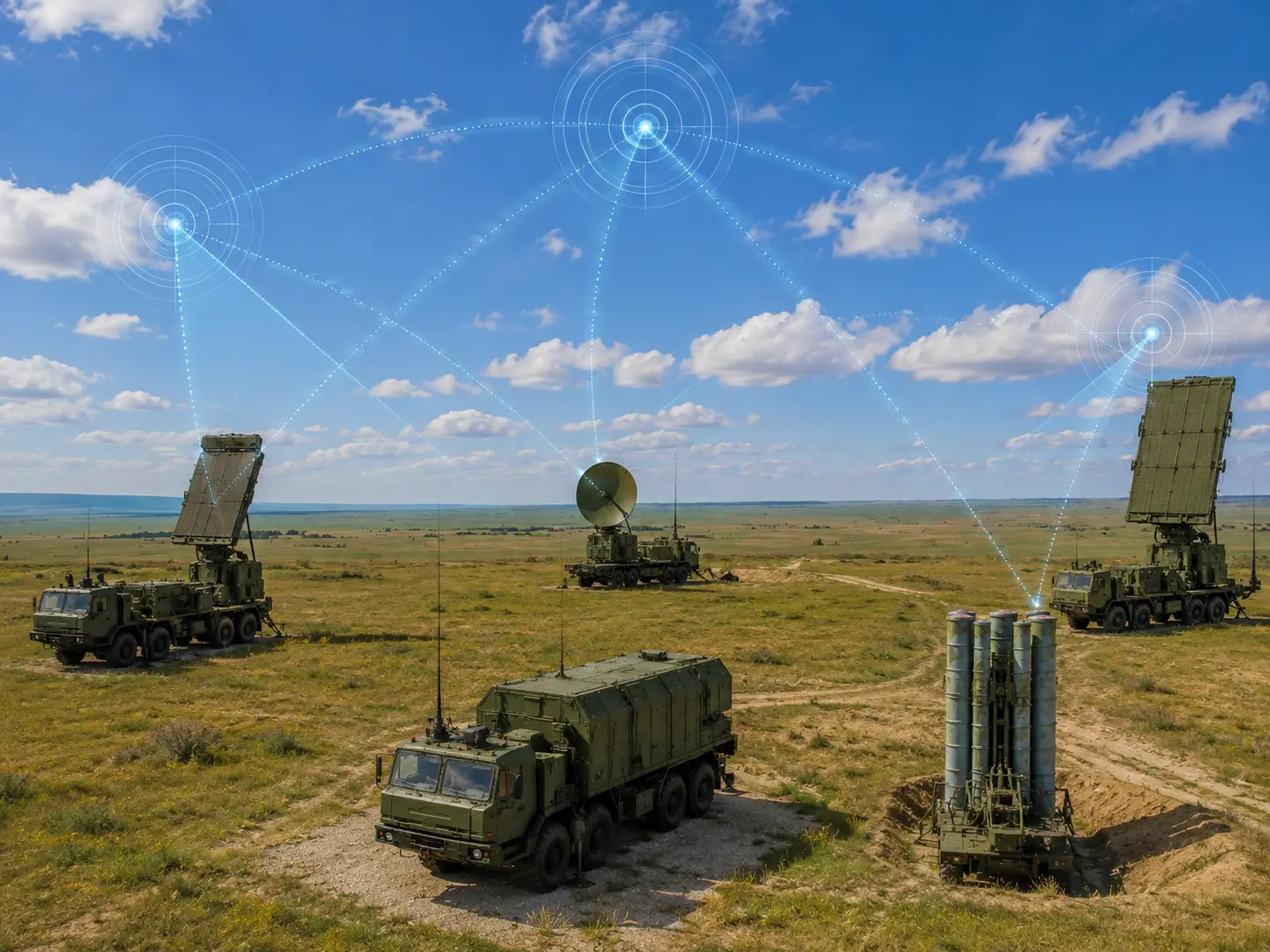
How the S-400 protects itself from enemy attacks
)
Nepal floods: Over 165 dead, 400 missing; US, India, China, World Bank mobilise aid
)
India's multi-layered watch: The new surveillance war
)
5 doomsday planes spotted in US skies hours after CIA director's secret trip to Russia
)
9/11 mastermind Khalid Sheikh Mohammed to finally face trial in 2028, nearly 27 years after horrific attacks
)
Islamabad hospital fire: What we know about one of the biggest facility that housed Imran Khan
)
Workers run for life while filming Nepal flash flood: Scary new visuals emerge from Rasuwa
)
Russian military planes enter South Korean air defence zone amid rising tensions with North Korea: What's happening
)
Ron Weasley Is Back! Rupert Grint set to return to Harry Potter universe on Broadway
)
400-year-old 'vampire' grave in Poland reveals non-existent genetic lineage
)
Dolly Parton, global icon and queen of country music, dies at 80
)
Nepal flash floods: Kailash Mansarovar yatra affected, close to 400 pilgrims out of contact
)
'If he is dead, they're putting on a pretty good show': Trump casts fresh doubt over Mojtaba Khamenei's fate
)
Man arrested near US Capitol with guillotine in pickup truck: What happened?
&im=FitAndFill=(700,400))
Why the Su-30MKI cockpit is painted bright turquoise green
Interactive learning often involves collaboration, which is a crucial element for emotional growth. Group games and role-playing teach young children how to share, cooperate, and communicate with both peers and adults. Engaging in group play helps toddlers learn conflict resolution and navigate disagreements in a positive way. These collaborative activities build empathy, self-awareness, and the ability to express emotions clearly. Furthermore, finishing puzzles or team games boosts self-esteem and provides a safe space for trial and error, which significantly reduces the fear of failure.
Interactive learning provides a strong educational foundation that prepares children for practical life challenges. By encouraging hands-on exploration and collaborative play, parents can nurture deep cognitive growth and emotional resilience. This approach ensures children remain engaged, motivated, and well-equipped for future academic success. As parents increasingly look for ways to support learning beyond traditional classrooms, digital learning platforms are becoming an important part of early childhood education. NeevLearn is one such platform that combines play-based, interactive learning experiences with age-appropriate educational content designed to support cognitive, language and problem-solving development during children's formative years. By encouraging active participation rather than passive screen time, NeevLearn complements hands-on learning at home and offers parents and educators another way to nurture curiosity, creativity and foundational skills that are essential for lifelong learning.
