

&imwidth=800&imheight=600&format=webp&quality=medium "Why taking short study breaks could be good for your health")
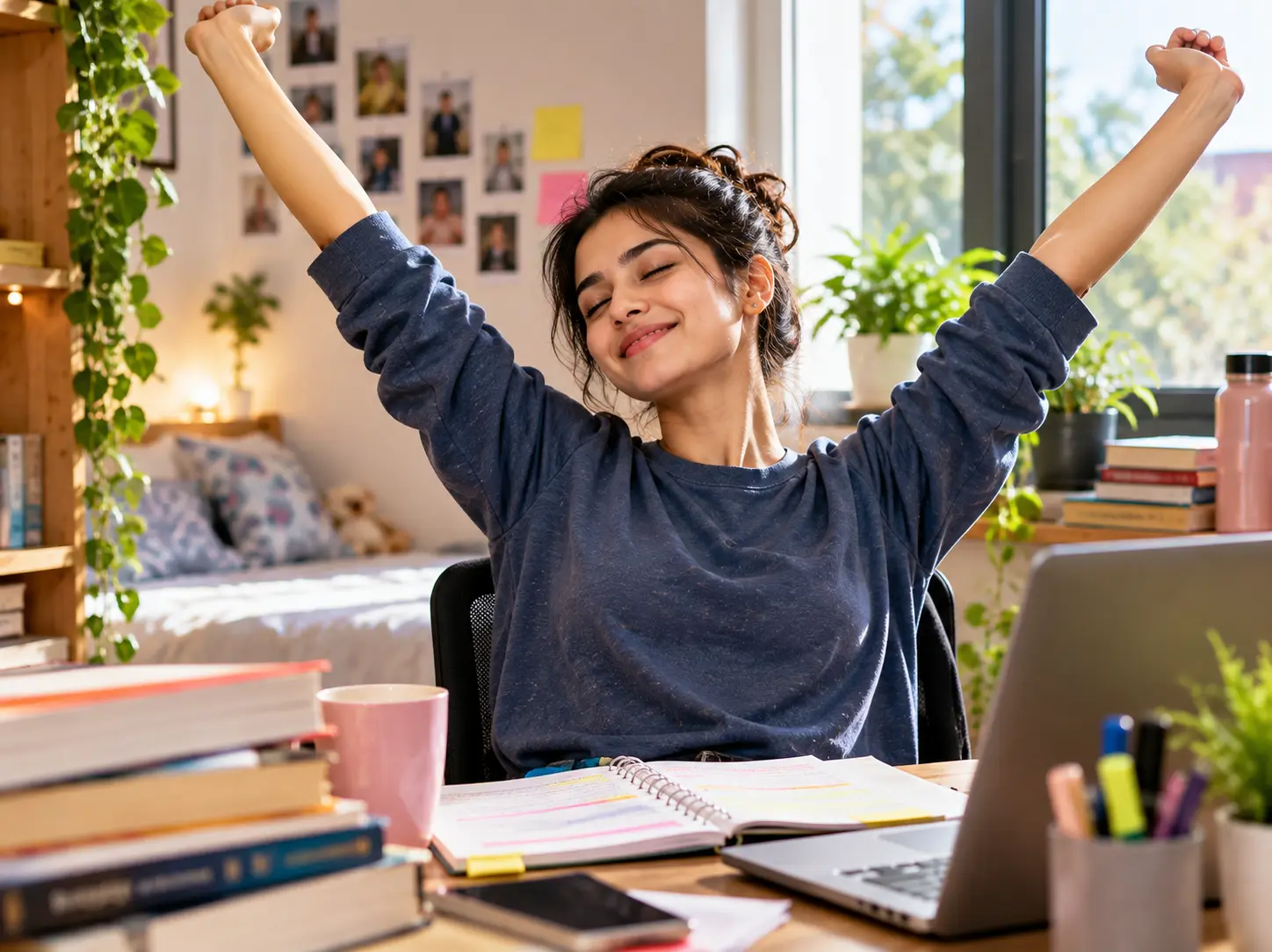
Students around the world often sit for hours with their books, thinking long study sessions yield the best results. However, medical research proves that non-stop studying harms both your body and your academic performance. Taking regular, scheduled breaks is not a waste of time. It is a biological requirement that protects your physical health, sharpens your focus, and significantly reduces exam anxiety.
Combating mental fatigue with the 52-17 rule
The human brain is not designed to maintain strict focus for hours at a time. According to a productivity report by DeskTime, the most effective workers and students follow a specific pattern: they work for 52 minutes and take a break for 17 minutes. Furthermore, a study published by the University of Illinois found that brief diversions vastly improve focus on a single task. When you study without pausing, your brain depletes its oxygen and glucose levels. A short break allows your cognitive functions to reset, preventing mental fatigue and helping you memorise facts faster. Rest periods also lower the production of cortisol, a primary stress hormone, which keeps your anxiety levels in check.
Protecting your vision using the 20-20-20 technique
Staring at a laptop or textbook for prolonged periods causes severe digital eye strain. The American Optometric Association notes that people blink up to 60 per cent less often when looking at screens. This directly leads to dry eyes, blurred vision, and tension headaches. To protect your eye health, experts recommend the 20-20-20 technique. For every 20 minutes of reading, look at an object 20 feet away for exactly 20 seconds. This short pause relaxes the eye muscles and prevents long-term vision damage.
Reducing spinal pressure and joint stiffness
Trending Stories
&imwidth=180&imheight=135&format=webp&quality=medium)
The Royals season 2: Ishaan Khatter's series gets new director after two back-to-back exits- Report
&imwidth=180&imheight=135&format=webp&quality=medium)
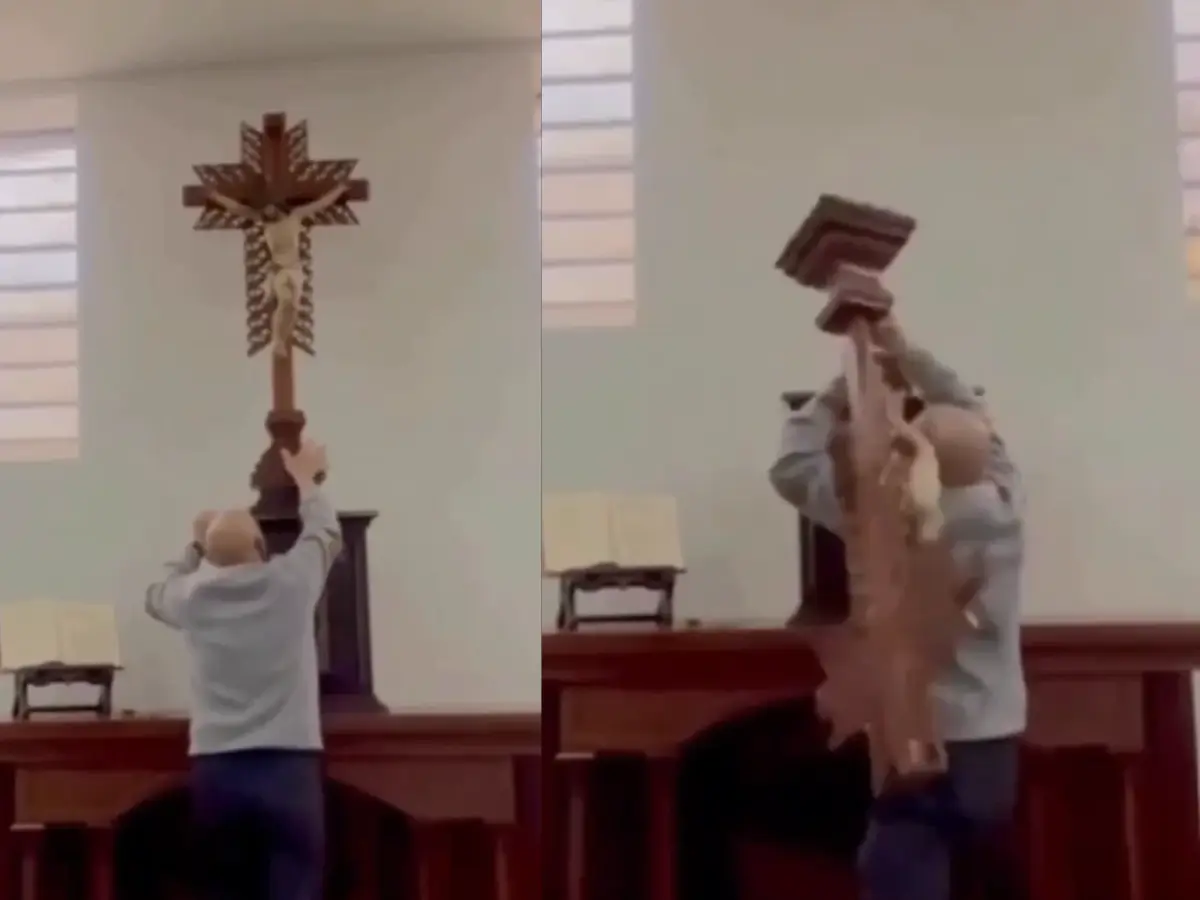
Viral video shows cross falling on Colombia priest, no official confirmation | WATCH
&im=FitAndFill=(700,400)&imwidth=180&imheight=135&format=webp&quality=medium)
What is the real meaning behind Pete Hegseth's tattoos?
&imwidth=180&imheight=135&format=webp&quality=medium)
Trump’s approval ratings hit a new low, Democrats want US president to campaign more
&imwidth=180&imheight=135&format=webp&quality=medium)
France reports first human case of livestock virus Shamonda, patient dies; what we know so far
&imwidth=180&imheight=135&format=webp&quality=medium)
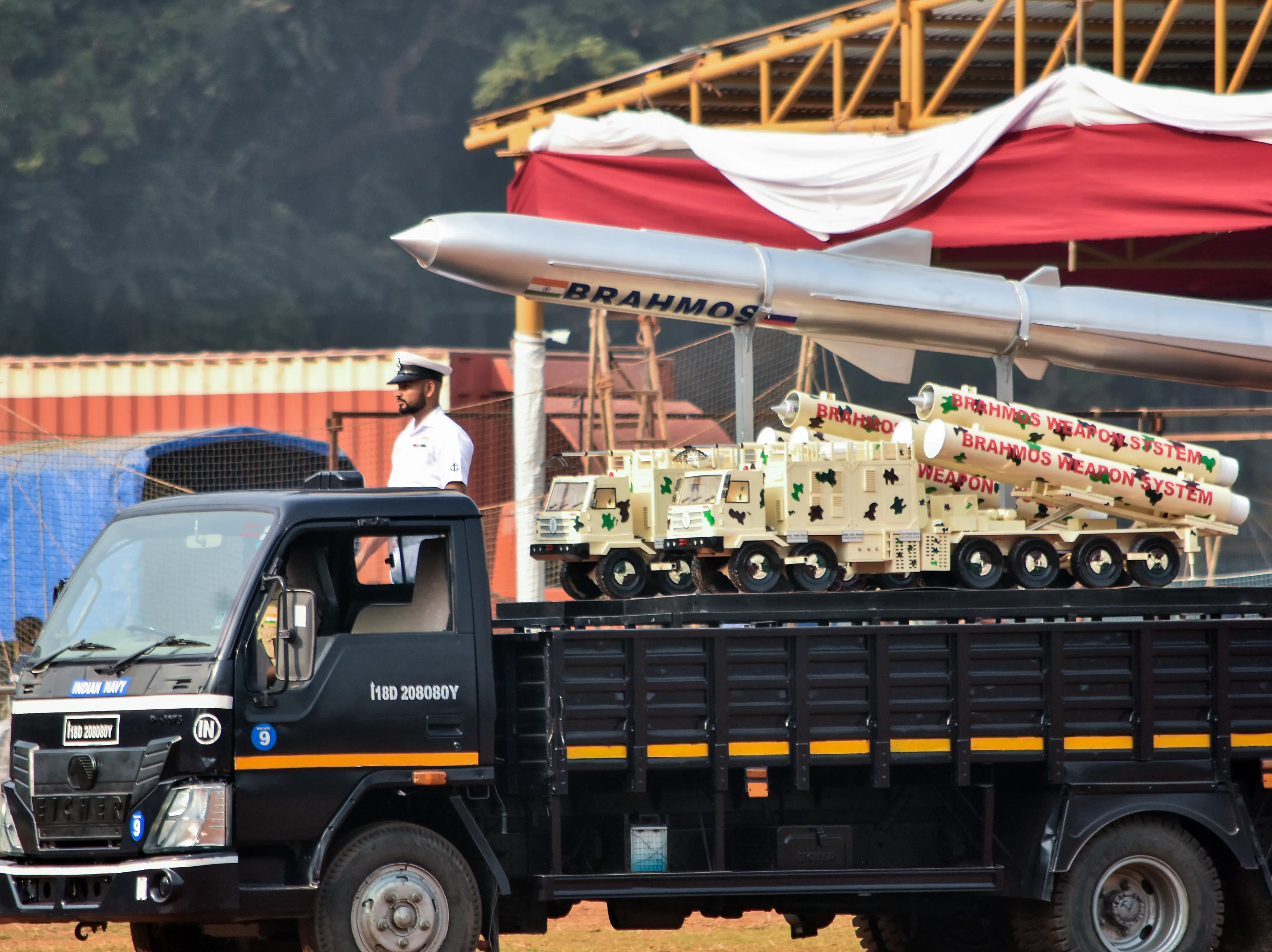
Two BrahMos missiles on Tejas, triple the range and 100% indigenisation, says former BrahMos CEO
&imwidth=180&imheight=135&format=webp&quality=medium)
Ilhan Omar breaks silence over alleged marriage to her brother; Trump thinks it's 'really good answer'
&imwidth=180&imheight=135&format=webp&quality=medium)
Pakistan signs another defence pact even as Makkah Alliance shows no teeth. This time, it's with Qatar, Indonesia, Turkey
&imwidth=180&imheight=135&format=webp&quality=medium)
Netanyahu dials PM Modi, invites him and Capt Smit Machchhar to light torch on Israel’s Independence Day
&imwidth=180&imheight=135&format=webp&quality=medium)
‘Fake hits, mines’ in Hormuz? Trump accuses Iran of driving up oil prices ahead of US midterms
&imwidth=180&imheight=135&format=webp&quality=medium)
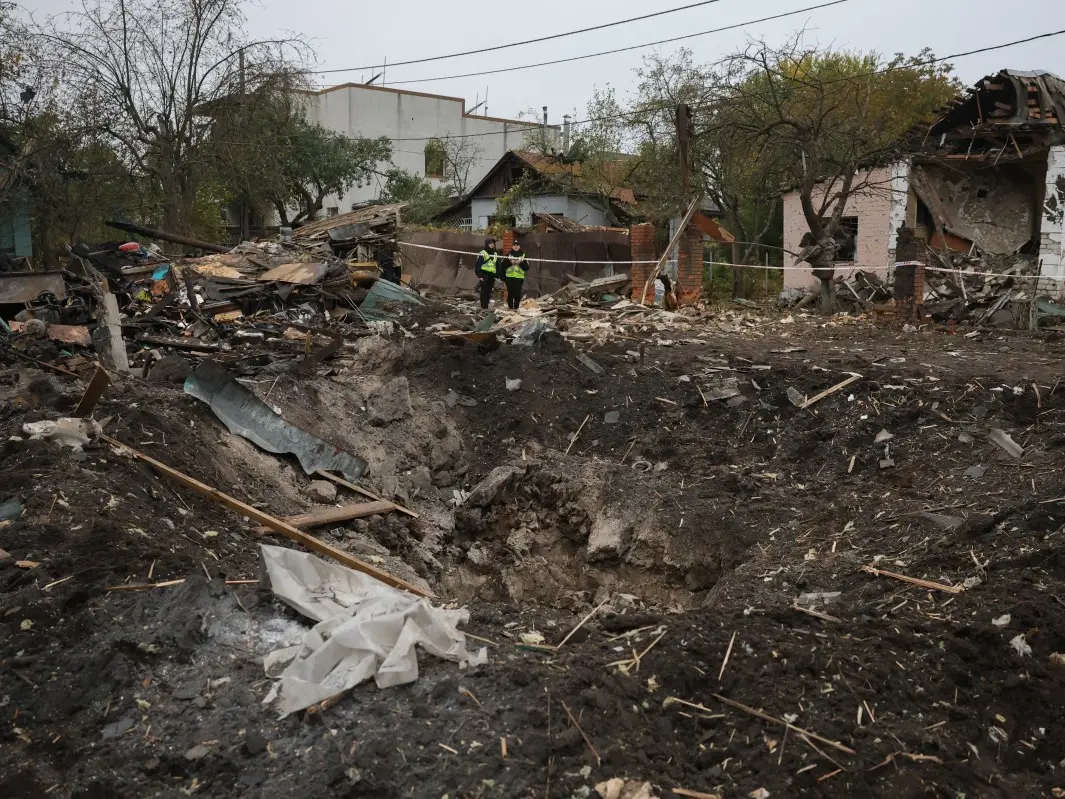
‘Russian humanitarians’ fired missiles at Kyiv: Zelensky takes swipe at Witkoff over Putin praise
&imwidth=180&imheight=135&format=webp&quality=medium)
Putin fires nuclear capable hypersonic missiles, Zelensky ready to surrender 25% territory
&imwidth=180&imheight=135&format=webp&quality=medium)
Trump ordered to answer questions under oath in BBC defamation lawsuit by December 11
&imwidth=180&imheight=135&format=webp&quality=medium)
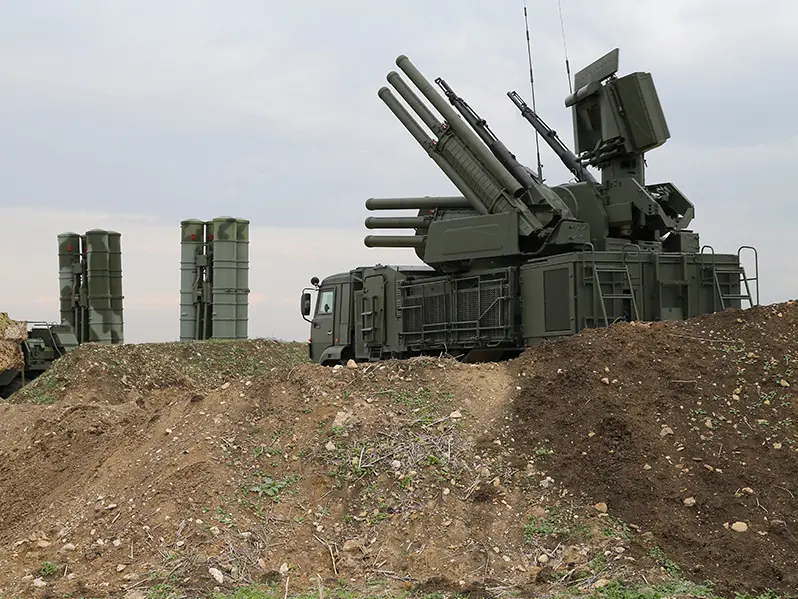
From Agni-V to Project Kusha: How are India’s indigenous missile systems and defence shield reshaping modern warfare
&imwidth=180&imheight=135&format=webp&quality=medium)
'It's a crime not to see this scene': Tehran puts Trump 'behind bars'
&imwidth=180&imheight=135&format=webp&quality=medium)
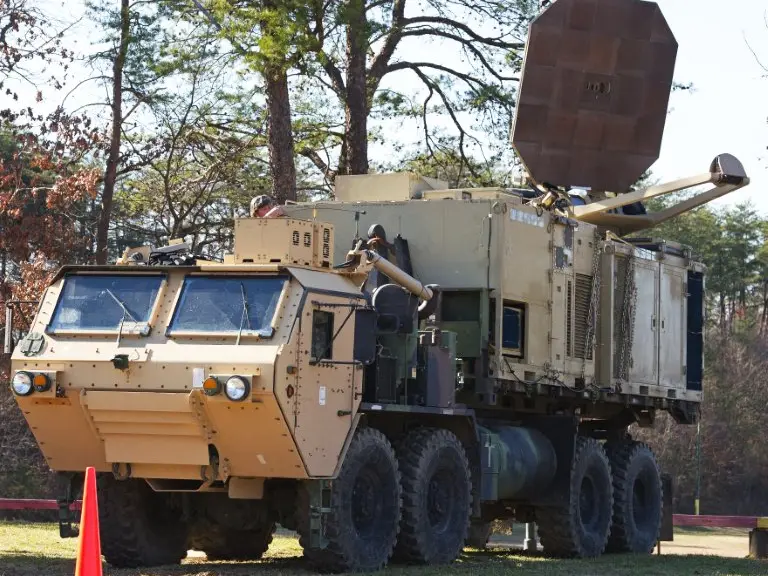
What is the ‘heat ray’ weapon? Pete Hegseth reportedly authorises DHS to test it at US-Mexico border
&imwidth=180&imheight=135&format=webp&quality=medium)
Will Rohit and Kohli play ODI World Cup 2027? BCCI president Manhas says board 'not in a position to comment'
&imwidth=180&imheight=135&format=webp&quality=medium)
Watch: India rejects ‘imprecise and unsupported’ references in UN migrant rights report
&imwidth=180&imheight=135&format=webp&quality=medium)
US to get 850 F-35 stealth fighter jets under 10-year Pentagon-Lockheed deal
&imwidth=180&imheight=135&format=webp&quality=medium)
GRAVITAS | Putin fires nuclear-capable hypersonic missiles, Zelensky ready to surrender 25% territory
&imwidth=180&imheight=135&format=webp&quality=medium)
IIFA 2026: Salman Khan warns paps, kisses little fan and hugs Kareena Kapoor at press conference
&im=FitAndFill=(700,400)&imwidth=180&imheight=135&format=webp&quality=medium)
New OTT releases this week (October 19-25, 2026): Gajab Raat to Chaar Yaar-8 titles to watch during Dussehra week on Netflix, Prime Video and more
&imwidth=180&imheight=135&format=webp&quality=medium)
US business activity grows in June, but tariffs and inflation cloud outlook
&imwidth=180&imheight=135&format=webp&quality=medium)
'That was great, who threw that punch?': Trump asks as protester punched at rally
&imwidth=180&imheight=135&format=webp&quality=medium)
Trump’s bid to put his name on everything: This time, it was Atlantic Ocean; a look at past efforts
&imwidth=180&imheight=135&format=webp&quality=medium)
Diljit Dosanjh's Oct 30 Delhi show hits roadblock, Delhi Police denies permission
&imwidth=180&imheight=135&format=webp&quality=medium)
'This is despicable': Amy Acton hits back at Vivek Ramaswamy over Ohio campaign ad featuring her estranged mother
&imwidth=180&imheight=135&format=webp&quality=medium)
'Misunderstanding should be resolved through dialogue': Uttarakhand CM Dhami intervenes in Daler Mehndi controversy, speaks to brother Mika Singh
&imwidth=180&imheight=135&format=webp&quality=medium)
Finance influencer dies by suicide in Chennai; father accuses tech CEO, who denies charge
&imwidth=180&imheight=135&format=webp&quality=medium)
One man, 8 months of work, and a river dirty again: Why Bittu Tabahi may quit
&imwidth=180&imheight=135&format=webp&quality=medium)
ENG vs SL: Harry Brook’s 202 goes in vain as Sri Lanka pull off second-highest ODI chase
&imwidth=180&imheight=135&format=webp&quality=medium)
ENG vs SL: Harry Brook breaks Shubman Gill’s record for fastest ODI double century
&imwidth=180&imheight=135&format=webp&quality=medium)
Saudi Arabia targeted yacht carrying 14 Indians in Red Sea, rescue underway, Houthis claim
Sitting at a desk for hours places intense pressure on your lower back and slows down your blood circulation. The World Health Organization repeatedly warns about the health risks associated with sedentary behaviour. Taking a five-minute walking break every hour counters these negative effects. Standing up allows oxygen-rich blood to flow naturally to your brain and muscles. Stretching during these short intervals relieves joint stiffness and prevents the chronic posture issues that many students face during exam preparation.
Forcing yourself to study without resting is a dangerous strategy that damages your physical health and ruins your concentration. By incorporating short, active breaks into your routine, you can protect your eyesight, support your spine, and retain information much more effectively.
