WHO's cancer agency says talc 'probably carcinogenic' for humans

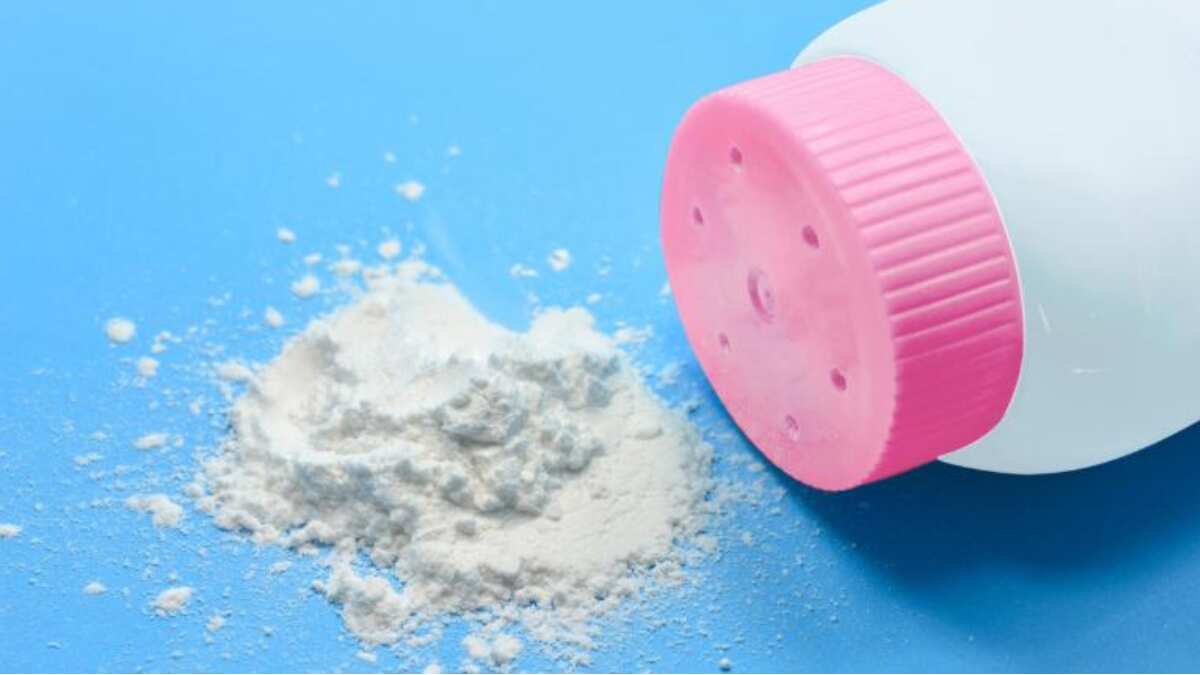
Talcum powder
The cancer agency of the World Health Organization (WHO) on Friday (Jul 5) classified talc as "probably carcinogenic" for humans. This comes a few weeks after a research claimed that it established a link between talcum powder use and ovarian cancer.
In the latest development, WHO's International Agency for Research on Cancer (IARC) said that based on "limited evidence" talc could cause ovarian cancer in humans, while there are "sufficient evidence" it is linked to cancer in rats and "strong mechanistic evidence" that it shows carcinogenic signs in human cells.
The cancer agency admitted that there were numerous studies which consistently showed an increase in the rate of ovarian cancer in women who use talc on their genitals, however, it further added that it previously could not rule out that the talc in some studies was contaminated with cancer-causing asbestos.

"A causal role for talc could not be fully established," according to the agency's findings published in The Lancet Oncology.
Also read:THIS species was healthier and less stressed during first year of COVID-19 pandemic: Study
Facts or misleading claims?
)
The Early Spring is proof not everyone can talk about their real feelings, and it is perfectly OK
)
UN votes to ‘correct the map’ as India backs fairer world view
)
Nigerian Navy discovers 99,000 litres of suspected stolen, illegally refined products as it intensifies anti-crude oil theft operations
)
Who is Aditi Paudel? 17-year-old becomes Japan's first literacy ambassador
)
Bengaluru: Officials find 40 kg expired chilli at chairman's club
)
Jaishankar rejects trade link to ending Ukraine war
)
Israeli strikes on Lebanon kill three, injure 23 despite truce
)
Alpine glacier was covered with sheep wool sheets to prevent melting. It worked
)
South Korea mulls deploying military assets to Strait of Hormuz
)
World's fifth-largest economy, British army can't afford to train
)
Breaking | Vance takes the podium: First White House briefing since Leavitt's exit
)
Taiwan raises 'concerns' over China's missile test
)
BRICS 2026: $1 trillion sovereign capital set to converge in Delhi for first iBRICS Summit
)
What is Iran's Pickaxe Mountain that Trump has again threatened to bomb?
)
UN votes to correct world map that visually shrank Africa for 450 years
)
Former NewJeans member Danielle launches YouTube channel, hints at new solo journey
)
Bangladesh batter Towhid Hridoy creates history with 350 not out in South Africa
)
Brendan Fraser’s transformation fuels The Mummy 4 excitement as fans welcome back Rick O’Connell
&im=FitAndFill=(700,400))
Krishna Janmashtami 2026: From Dhaniya Panjiri to Makhana Kheer- 5 best sweet dishes perfect for celebrating Lord Krishna’s birth
)
Donald Trump plans to travel to Ireland on Qatari-donated jet amid security concerns
)
Nazi-looted art to return to Jewish heirs
)
Eight killed in Kerala’s Thrissur after car rams into lorry parked on highway
&im=FitAndFill=(700,400))
Why Russian fighter jets use bulky, low-pressure tyres compared to US jets
)
FBI-wanted fraud accused arrested in Jalandhar over $600,000 scam
&im=FitAndFill=(700,400))
Why US tanks weigh over 20 tons more than Russian tanks
&im=FitAndFill=(700,400))
New Friday OTT releases (September 4, 2026): GDN, Dhamaal 4, Jagamae Sangeetham- Watch 6 new movies and TV shows on Netflix, Prime Video and more
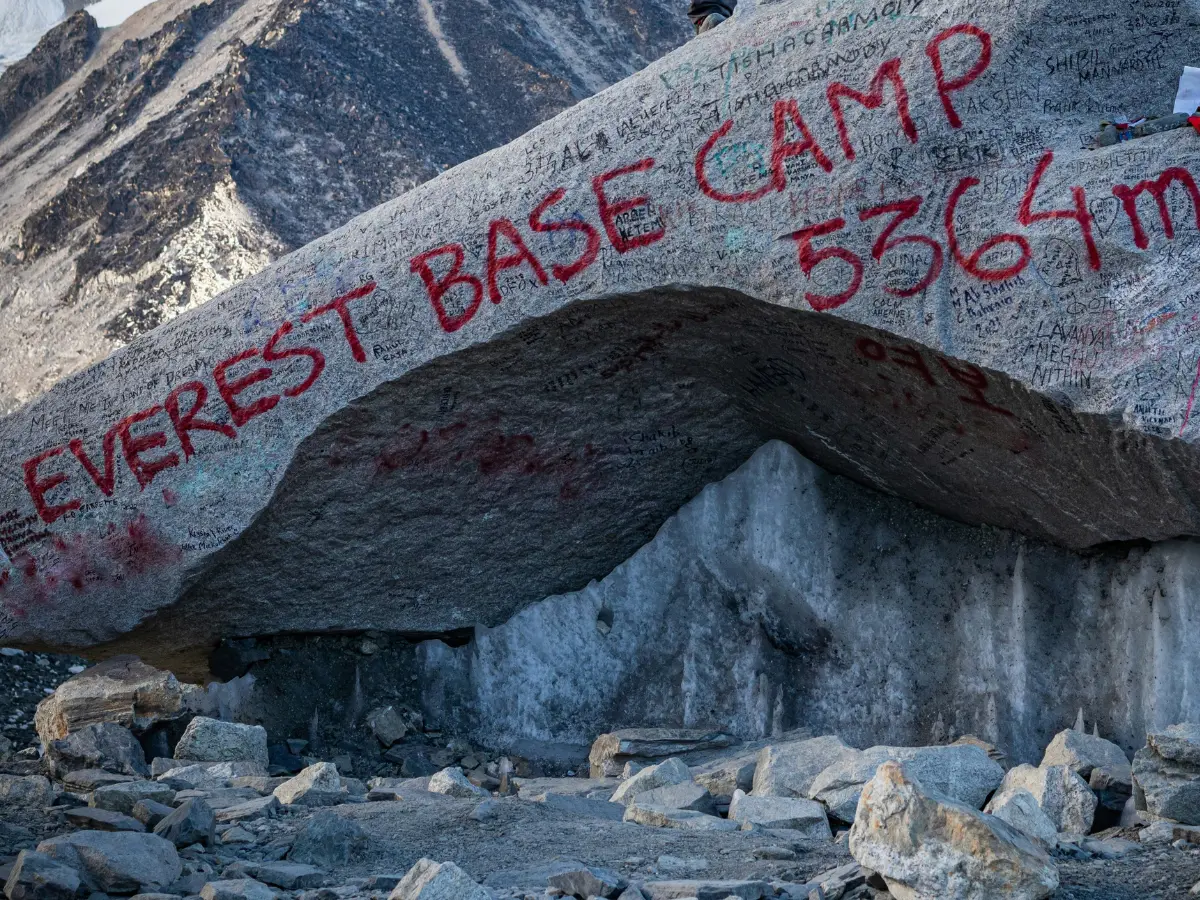)
Killing the Himalayas slowly: Human urine is melting a glacier on Mount Everest
IARC said that most people are exposed to talc in the form of baby powder or cosmetics. The most significant exposure to talc occurs when talc is being mined, processed or used to make products.
Talc is a naturally occurring mineral that is mined across the world and frequently used to manufacture talcum baby powder.
As quoted by the news agency AFP, Kevin McConway, who is a statistician at the UK's Open University not involved in the research, warned that for the IARC's evaluation, the "most obvious interpretation is actually misleading".
Also read:Monsters, Bitter River, No Sun Region: Here's all about mysterious elements in world's oldest map
He said that the agency is only aiming "to answer the question of whether the substance has the potential to cause cancer, under some conditions that IARC do not specify," he said.
McConway added that because the studies were observational it could not prove causation."There isn’t a smoking gun that the talc use causes any increased cancer risk," he said.
Link between talcum powder use and ovarian cancer
A recently published researchin the Journal of Clinical Oncology on May 15, found that usage of talcum powder on the genitals was linked to ovarian cancer, which begins in the female organs that produce eggs (ovaries).
The risk is higher for those who frequently use the powder for long periods of time.
Ovarian cancer often goes undetected until it has progressed to the pelvis and stomach. At this stage, ovarian cancer is more difficult to treat and may be fatal.
Researchers from the National Institutes of Health examined the association between intimate care products and female hormone-related cancers.
(With inputs from agencies)