
&imwidth=800&imheight=600&format=webp&quality=medium "What happens when you do a yoga pose you've always avoided?")
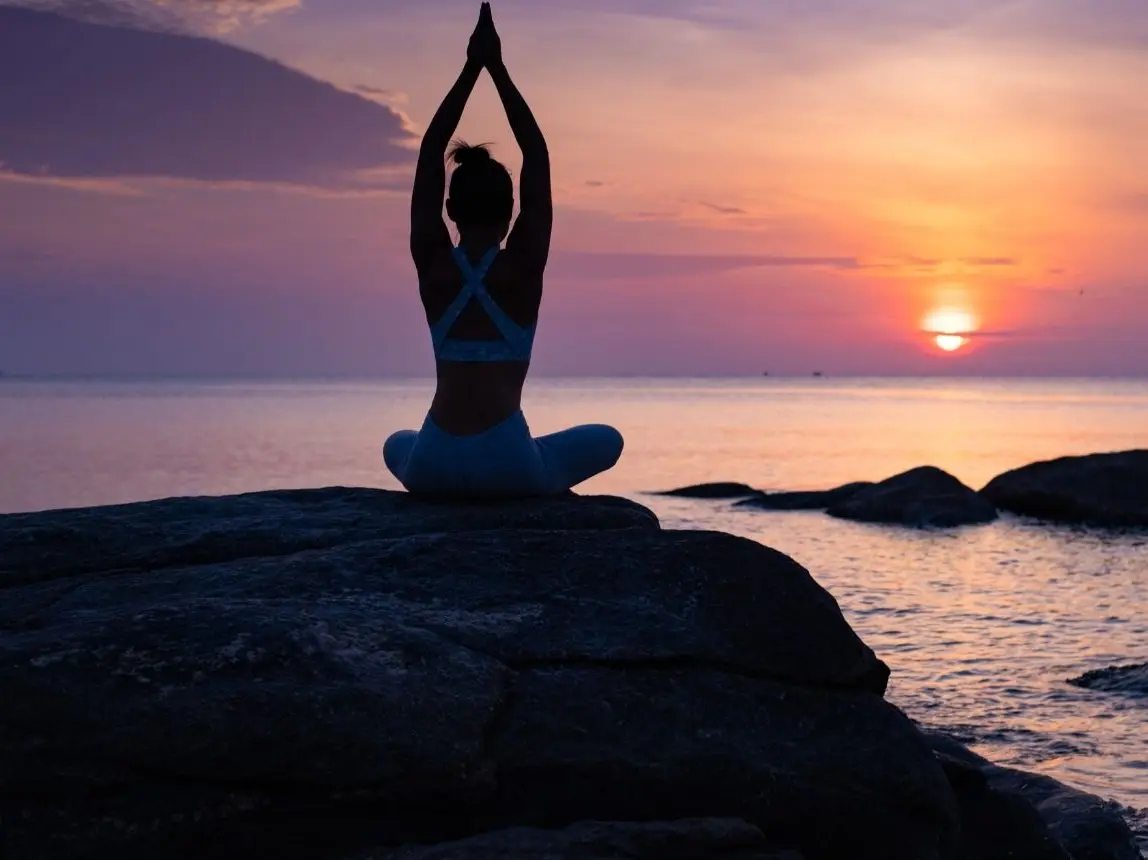
There is a popular phrase in the fitness world that claims the yoga pose you avoid the most is the one you need the most. However, pushing yourself into a dreaded posture is not always the best advice. Confronting a challenging pose can either unlock emotional blockages or lead to physical harm. Here is exactly what happens to your body and mind when you attempt a yoga pose you normally avoid.
Exposing Physical Limitations And Skeletal Variations
Often, you avoid a pose simply because your body is not anatomically built for it. When you finally attempt that skipped posture, it immediately exposes physical limitations such as muscle weakness or skeletal variations. For example, deep knee bends in a chair pose can cause thighs to shake due to intense muscular demands. According to anatomical experts, variations exist from human to human, meaning some individuals can naturally do the splits or deep backbends, while others cannot safely touch their toes. Forcing yourself into a shape you normally avoid can break the core yoga principle of 'Ahimsa', or non-harming, if it leads to injury.

The Science Of Somatic Tension Release
If you avoid hip-opening poses like the Pigeon Pose or Lizard Pose, attempting them gently can trigger a significant somatic release. The hips are a central hub in the body responsible for bearing weight and enabling movement. Mental health professionals and yoga teachers note that the hips can act as storage places for emotional stress and trauma.
When you finally stretch these tight areas, you stimulate blood circulation and encourage the body to release stored emotional blockages. A report by clinical social worker Sarah Herstich notes that this process can ease physical symptoms like lower back discomfort while simultaneously reducing anxiety. You might feel a sudden rush of emotions or a sense of calmness as the tension leaves your muscles.
Trending Stories
)
The Early Spring is proof not everyone can talk about their real feelings, and it is perfectly OK
)
UN votes to ‘correct the map’ as India backs fairer world view
)
Nigerian Navy discovers 99,000 litres of suspected stolen, illegally refined products as it intensifies anti-crude oil theft operations
)
Who is Aditi Paudel? 17-year-old becomes Japan's first literacy ambassador
)
Bengaluru: Officials find 40 kg expired chilli at chairman's club
)
Jaishankar rejects trade link to ending Ukraine war
)
Israeli strikes on Lebanon kill three, injure 23 despite truce
)
Alpine glacier was covered with sheep wool sheets to prevent melting. It worked
)
South Korea mulls deploying military assets to Strait of Hormuz
)
World's fifth-largest economy, British army can't afford to train
)
Breaking | Vance takes the podium: First White House briefing since Leavitt's exit
)
Taiwan raises 'concerns' over China's missile test
)
BRICS 2026: $1 trillion sovereign capital set to converge in Delhi for first iBRICS Summit
)
What is Iran's Pickaxe Mountain that Trump has again threatened to bomb?
)
UN votes to correct world map that visually shrank Africa for 450 years
)
Former NewJeans member Danielle launches YouTube channel, hints at new solo journey
)
Bangladesh batter Towhid Hridoy creates history with 350 not out in South Africa
)
Brendan Fraser’s transformation fuels The Mummy 4 excitement as fans welcome back Rick O’Connell
&im=FitAndFill=(700,400))
Krishna Janmashtami 2026: From Dhaniya Panjiri to Makhana Kheer- 5 best sweet dishes perfect for celebrating Lord Krishna’s birth
)
Donald Trump plans to travel to Ireland on Qatari-donated jet amid security concerns
)
Nazi-looted art to return to Jewish heirs
)
Eight killed in Kerala’s Thrissur after car rams into lorry parked on highway
&im=FitAndFill=(700,400))
Why Russian fighter jets use bulky, low-pressure tyres compared to US jets
)
FBI-wanted fraud accused arrested in Jalandhar over $600,000 scam
&im=FitAndFill=(700,400))
Why US tanks weigh over 20 tons more than Russian tanks
&im=FitAndFill=(700,400))
New Friday OTT releases (September 4, 2026): GDN, Dhamaal 4, Jagamae Sangeetham- Watch 6 new movies and TV shows on Netflix, Prime Video and more
)
Killing the Himalayas slowly: Human urine is melting a glacier on Mount Everest
Regulating The Autonomic Nervous System
The intensity with which you approach an avoided pose completely alters how your nervous system reacts. According to a study published by the National Center for Biotechnology Information, low-intensity stretching increases parasympathetic nervous system activity, which promotes relaxation and rest. However, if you force your body into a high-intensity stretch that causes pain, your sympathetic nervous system takes over, triggering a fight-or-flight stress response.
When Avoiding A Pose Is The Safest Choice
Sometimes, avoiding a pose is your body's intelligent way of preventing injury.
Pregnant women should avoid intense twists and deep backbends to prevent abdominal strain and balance issues.
Individuals with hypertension should skip inversions like headstands, as reversing blood flow can dangerously spike blood pressure.
People with herniated discs or sciatica can worsen their injuries by attempting extreme postures like the wheel or cobra pose.
Those with unhealed emotional trauma might find deep hip openers overwhelming, as they can re-traumatise the nervous system.
Instead of forcing your body into a posture you dislike, approach it with curiosity and modify it using props. Honouring your physical limits is the safest way to practice. A simple modification that calms your nervous system provides far more benefits than an advanced pose that causes pain.
