

&imwidth=800&imheight=600&format=webp&quality=medium "Does repeated exposure to winter air pollution weaken lung capacity and immunity? Doctors reveal SHOCKING truths")
Air pollution is the presence of harmful natural and industrial substances present in the atmosphere, along with emissions from cars, buses, and trucks. It has a severe impact on everyone’s health and well-being in multiple ways. Beyond causing an estimated 4.2 million premature deaths annually, both short- and long-term exposure to air pollutants can trigger a range of health problems, including lung cancer, asthma and cardiovascular disease.
A major contributor is particulate matter (PM), made up of tiny solid and liquid particles released mainly from fuel burning and vehicular emissions. Pollution intensifies during winter because colder, drier air traps pollutants more easily, worsening air quality.
Doctors have warned that continuous exposure to winter air pollution can have a long-term impact on lung health and immunity, with effects that often go unnoticed until major damage has been done to the body. During winter months, polluted air tends to remain trapped closer to the ground due to lower temperatures and limited air circulation. This results in prolonged daily exposure to harmful pollutants, particularly fine particulate matter, which can penetrate deep into the lungs.
Doctors warn exposure to winter air pollution has lasting impact
Explaining the risks, Dr Rakesh Godara, Additional Director, Pulmonology at CK Birla Hospitals, Jaipur, said," Repeated exposure to winter air pollution has a slow but lasting impact on our lungs and immunity. During winter, polluted air stays trapped close to the ground, which means we end up breathing harmful particles every day for several weeks or months."
He added that these particles cause persistent irritation and inflammation in the lungs, gradually reducing lung capacity. "These tiny particles go deep into the lungs and cause ongoing irritation and inflammation. Over time, this can reduce lung capacity, making breathing less efficient and increasing breathlessness even during routine activities," he said.
Trending Stories
&imwidth=180&imheight=135&format=webp&quality=medium)
The Royals season 2: Ishaan Khatter's series gets new director after two back-to-back exits- Report
&imwidth=180&imheight=135&format=webp&quality=medium)
Viral video shows cross falling on Colombia priest, no official confirmation | WATCH
&imwidth=180&imheight=135&format=webp&quality=medium)
Trump’s approval ratings hit a new low, Democrats want US president to campaign more
&imwidth=180&imheight=135&format=webp&quality=medium)
France reports first human case of livestock virus Shamonda, patient dies; what we know so far
&imwidth=180&imheight=135&format=webp&quality=medium)
Trump called Musk to lift Starlink restrictions affecting Ukraine's military operation: Report
&imwidth=180&imheight=135&format=webp&quality=medium)
Two BrahMos missiles on Tejas, triple the range and 100% indigenisation, says former BrahMos CEO
&imwidth=180&imheight=135&format=webp&quality=medium)
Ilhan Omar breaks silence over alleged marriage to her brother; Trump thinks it's 'really good answer'
&imwidth=180&imheight=135&format=webp&quality=medium)
Pakistan signs another defence pact even as Makkah Alliance shows no teeth. This time, it's with Qatar, Indonesia, Turkey
&imwidth=180&imheight=135&format=webp&quality=medium)
Netanyahu dials PM Modi, invites him and Capt Smit Machchhar to light torch on Israel’s Independence Day
&imwidth=180&imheight=135&format=webp&quality=medium)
‘Russian humanitarians’ fired missiles at Kyiv: Zelensky takes swipe at Witkoff over Putin praise
&imwidth=180&imheight=135&format=webp&quality=medium)
Putin fires nuclear capable hypersonic missiles, Zelensky ready to surrender 25% territory
&imwidth=180&imheight=135&format=webp&quality=medium)
From Agni-V to Project Kusha: How are India’s indigenous missile systems and defence shield reshaping modern warfare
&imwidth=180&imheight=135&format=webp&quality=medium)
'It's a crime not to see this scene': Tehran puts Trump 'behind bars'
&imwidth=180&imheight=135&format=webp&quality=medium)
What is the ‘heat ray’ weapon? Pete Hegseth reportedly authorises DHS to test it at US-Mexico border
&imwidth=180&imheight=135&format=webp&quality=medium)
Will Rohit and Kohli play ODI World Cup 2027? BCCI president Manhas says board 'not in a position to comment'
&imwidth=180&imheight=135&format=webp&quality=medium)
Watch: India rejects ‘imprecise and unsupported’ references in UN migrant rights report
&imwidth=180&imheight=135&format=webp&quality=medium)
US to get 850 F-35 stealth fighter jets under 10-year Pentagon-Lockheed deal
&imwidth=180&imheight=135&format=webp&quality=medium)
GRAVITAS | Putin fires nuclear-capable hypersonic missiles, Zelensky ready to surrender 25% territory
&imwidth=180&imheight=135&format=webp&quality=medium)
IIFA 2026: Salman Khan warns paps, kisses little fan and hugs Kareena Kapoor at press conference
&im=FitAndFill=(700,400)&imwidth=180&imheight=135&format=webp&quality=medium)
New OTT releases this week (October 19-25, 2026): Gajab Raat to Chaar Yaar-8 titles to watch during Dussehra week on Netflix, Prime Video and more
&imwidth=180&imheight=135&format=webp&quality=medium)
US business activity grows in June, but tariffs and inflation cloud outlook
&imwidth=180&imheight=135&format=webp&quality=medium)
'That was great, who threw that punch?': Trump asks as protester punched at rally
&imwidth=180&imheight=135&format=webp&quality=medium)
‘I caution the president...’: Trump’s ex-press secretary warns after Zacharia’s exit
&imwidth=180&imheight=135&format=webp&quality=medium)
Trump’s bid to put his name on everything: This time, it was Atlantic Ocean; a look at past efforts
&imwidth=180&imheight=135&format=webp&quality=medium)
Diljit Dosanjh's Oct 30 Delhi show hits roadblock, Delhi Police denies permission
&imwidth=180&imheight=135&format=webp&quality=medium)
'This is despicable': Amy Acton hits back at Vivek Ramaswamy over Ohio campaign ad featuring her estranged mother
&imwidth=180&imheight=135&format=webp&quality=medium)
'Misunderstanding should be resolved through dialogue': Uttarakhand CM Dhami intervenes in Daler Mehndi controversy, speaks to brother Mika Singh
&imwidth=180&imheight=135&format=webp&quality=medium)
Finance influencer dies by suicide in Chennai; father accuses tech CEO, who denies charge
&imwidth=180&imheight=135&format=webp&quality=medium)
One man, 8 months of work, and a river dirty again: Why Bittu Tabahi may quit
&imwidth=180&imheight=135&format=webp&quality=medium)
ENG vs SL: Harry Brook’s 202 goes in vain as Sri Lanka pull off second-highest ODI chase
&imwidth=180&imheight=135&format=webp&quality=medium)
ENG vs SL: Harry Brook breaks Shubman Gill’s record for fastest ODI double century
&imwidth=180&imheight=135&format=webp&quality=medium)
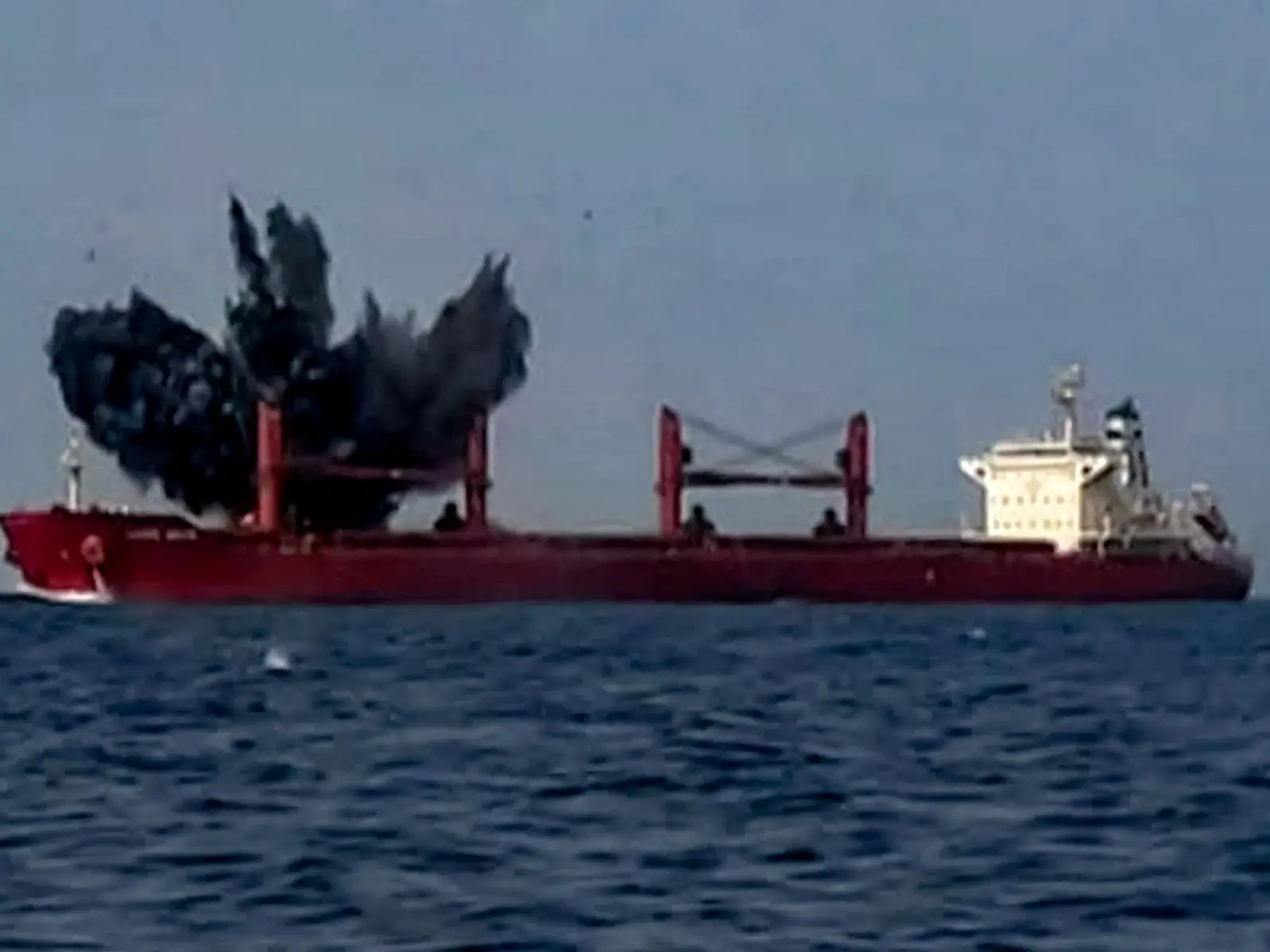
Saudi Arabia targeted yacht carrying 14 Indians in Red Sea, rescue underway, Houthis claim
Dr Rakesh Godara noted that apart from affecting breathing, pollution also weakens the natural defence mechanisms of the body. It damages the respiratory tract’s protective lining, which makes it harder for the body to fight infections. As a result, it led to frequent respiratory illnesses.
"Pollution also weakens the lungs’ natural defence system. Our respiratory tract plays a key role in protecting us from infections, but constant exposure to polluted air damages this protective lining. As a result, the body finds it harder to fight viruses and bacteria, leading to frequent colds, coughs, chest infections, and longer recovery times. Many people also notice worsening of allergies, asthma symptoms, or persistent cough every winter," he added.
"Children, older adults, and people with existing lung or heart conditions are most affected, but even healthy individuals are not immune if exposure continues year after year. The effects may not be obvious immediately, but repeated winter pollution can quietly compromise lung health and immunity over the long term, making prevention and early care extremely important," Dr Godara further said.
Echoing similar concerns, Dr Arup Halder, Pulmonologist at CK Birla Hospitals, CMRI, highlighted the cumulative impact of pollution exposure on urban populations. He also warned that the damage is often subtle and progressive, meaning many individuals may not realise the decline until they experience persistent breathlessness or reduced exercise tolerance.
"Repeated exposure to high levels of winter air pollution can have a lasting impact on both lung capacity and immune health, especially in urban populations. Fine particulate matter, such as PM2.5, penetrates deep into the lungs, causing chronic inflammation, airway narrowing, and gradual loss of lung function over time. This damage is often subtle and progressive, meaning individuals may not realise the decline until they experience persistent breathlessness or reduced exercise tolerance," he said.
"Beyond lung capacity, prolonged pollution exposure weakens the body’s immune defences. Constant irritation of the respiratory tract disrupts its natural protective barriers, making individuals more susceptible to recurrent infections, prolonged cough, and slower recovery from common respiratory illnesses. Children, the elderly, and people with asthma, COPD, or other chronic conditions are particularly vulnerable during winter months when pollution levels remain consistently high," he added.
Dr Halder also noted that protection of lung during winter is not just about short-term relief, it is a serious investment for respiratory and immune resilience in the long term.
"The long-term consequences are not limited to respiratory symptoms alone. Repeated exposure can accelerate the progression of chronic lung diseases and increase the risk of complications, even in otherwise healthy individuals. Reducing exposure through the use of masks, indoor air purification, limiting outdoor activity during peak pollution hours, and seeking timely medical evaluation for persistent symptoms is essential. Protecting lung health during winter is not just about short-term relief—it is a critical investment in long-term respiratory and immune resilience," he further added.

