

&imwidth=800&imheight=600&format=webp&quality=medium "Could your pillowcase be the reason behind your skin problems?")
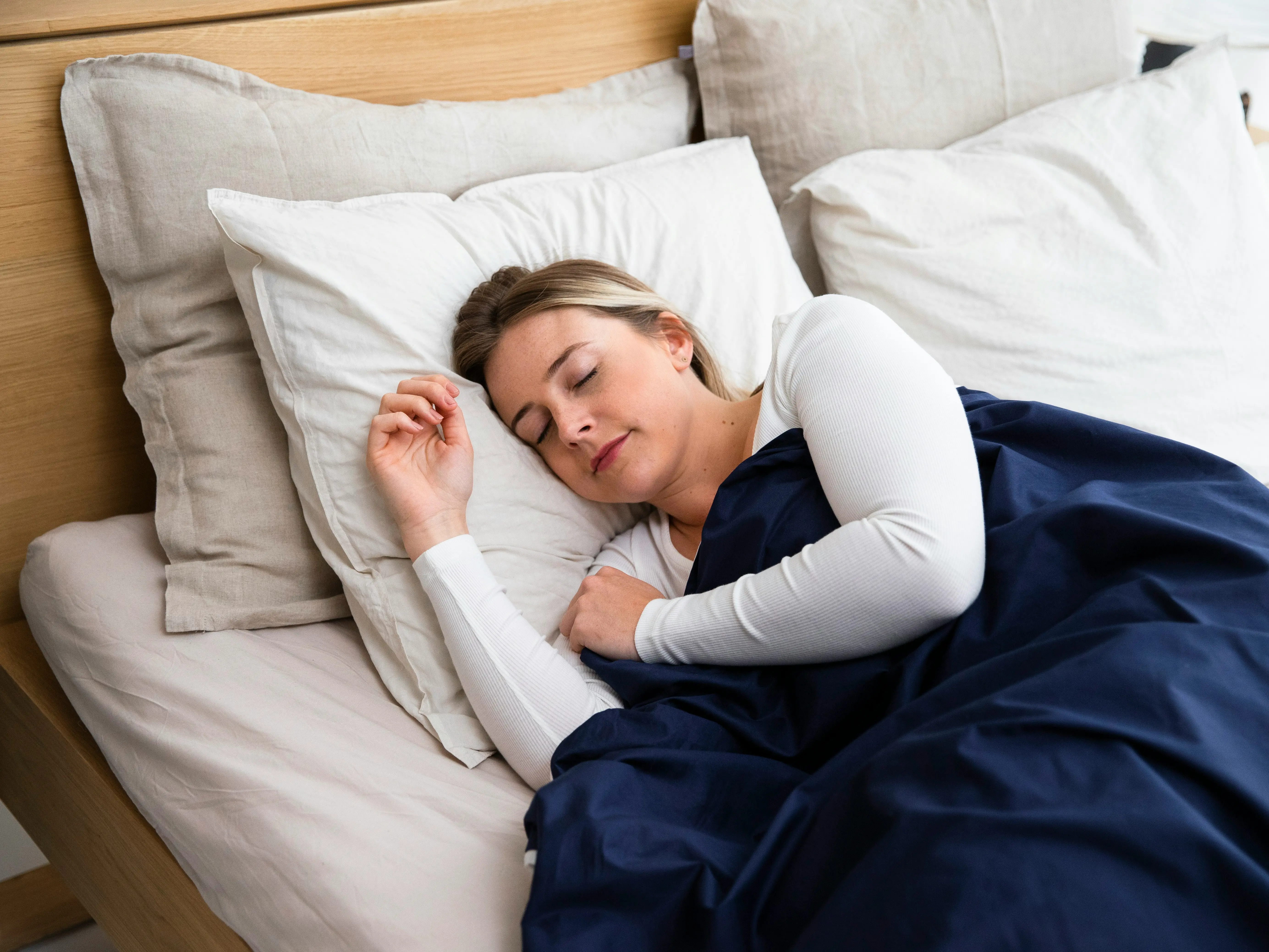
Waking up with sudden breakouts despite maintaining a strict daily skincare routine can be deeply frustrating. While many people are quick to blame their diet or hormonal changes, the actual cause might be resting right under your head. Dermatologists suggest that unwashed pillowcases are a major, yet often overlooked, trigger for acne and skin irritation. Understanding how your everyday bedding interacts with your face is essential for achieving a healthier complexion.
The Hidden Bacteria in Your Bedding
Every night, the human body sheds millions of dead skin cells. Along with natural oils, night sweats, and remnants of hair products, these microscopic particles accumulate directly on your pillowcase. According to sleep hygiene research, a pillowcase left unwashed for a single week can harbour thousands of times more bacteria than a standard toilet seat. When you press your face against this unwashed surface for seven to eight hours a night, the accumulated bacteria transfer back onto your skin, clogging pores and triggering inflammation.
Understanding Acne Mechanica
Skin problems caused by bedding are often classified as acne mechanica. This specific condition occurs when friction, heat, and pressure combine to irritate the facial skin. If you toss and turn during your sleep, the constant rubbing against the fabric damages the skin barrier. For individuals with sensitive skin or conditions like rosacea and eczema, this nightly friction worsens redness and can lead to painful, deep breakouts along the cheeks and jawline.
The Fabric Factor: Cotton Versus Silk
Trending Stories
&imwidth=180&imheight=135&format=webp&quality=medium)
Sidhu Moose Wala’s younger brother wins hearts by recreating late singer’s signature move at Toronto Hologram Show
&im=FitAndFill=(700,400)&imwidth=180&imheight=135&format=webp&quality=medium)
Navratri 2026: 9 days, 9 forms of Goddess Durga and 9 colours- Check the complete list
&imwidth=180&imheight=135&format=webp&quality=medium)
Anti-SIR protest in Mumbai: Protestors wear black masks & ribbons in Mumbai
&imwidth=180&imheight=135&format=webp&quality=medium)
Korean peninsula tensions escalate as North Korea launches multiple ballistic missiles, PACOM says 'no threat to US personnel'
&imwidth=180&imheight=135&format=webp&quality=medium)
Congress demands action against chief election commissioner
&imwidth=180&imheight=135&format=webp&quality=medium)
India's Ajit Doval, Iran's Mohsen Rezaei hold talks amid escalating West Asia tensions, discuss 'issues of mutual interest'
&imwidth=180&imheight=135&format=webp&quality=medium)
1,500 drones illuminate Mumbai sky as Cordelia Cruises unveils second ship, Cordelia Sky
&imwidth=180&imheight=135&format=webp&quality=medium)
Rahul Gandhi's plea against Election Commission delayed as Supreme Court registry flags 14 ‘defects’
&im=FitAndFill=(700,400)&imwidth=180&imheight=135&format=webp&quality=medium)
The world’s best places to live in 2026: Is your city on the list? Top 7 ranked
&imwidth=180&imheight=135&format=webp&quality=medium)
Robotic surgery, advanced treatment: What is coming to this small Gujarat town?
&imwidth=180&imheight=135&format=webp&quality=medium)
Delhi protest: CJI Surya Kant declines to meet India Bloc leaders
&imwidth=180&imheight=135&format=webp&quality=medium)
Trump says he 'may' meet North Korean leader Kim Jong Un during upcoming Asia trip
&imwidth=180&imheight=135&format=webp&quality=medium)
'Ouch!!! That must hurt': Kangana Ranaut hails Kamal Haasan's sharp reply to Elon Musk over Starlink row
&imwidth=180&imheight=135&format=webp&quality=medium)
BCCI rejects venue shift reports, India vs Sri Lanka 1st ODI to remain in Delhi
&imwidth=180&imheight=135&format=webp&quality=medium)
Trump weighs firing Kimberly Guilfoyle as US ambassador to Greece amid misconduct allegations: Report
&im=FitAndFill=(700,400)&imwidth=180&imheight=135&format=webp&quality=medium)
How does a robot decide what to do next?
&imwidth=180&imheight=135&format=webp&quality=medium)
'I am thoroughly unamused': Judge slams Trump administration after 400 trees cut at Washington golf course
&imwidth=180&imheight=135&format=webp&quality=medium)
'Absolutely disgusting': Australia slams US plan to livestream Nidal Hasan's execution; Mike Johnson raises concerns, warns of terrorist propaganda
&imwidth=180&imheight=135&format=webp&quality=medium)
I.N.D.I.A. Bloc lists 10 requests to Supreme Court
&imwidth=180&imheight=135&format=webp&quality=medium)
New Cold War: Why is China buying more gold? Explained
&imwidth=180&imheight=135&format=webp&quality=medium)
Opposition’s 10 demands in Supreme Court petition range from stay on SIR to audit of voter rolls
&imwidth=180&imheight=135&format=webp&quality=medium)
'I will not be silenced': Ilhan Omar alleges political intimidation after federal officers search her Washington home
&imwidth=180&imheight=135&format=webp&quality=medium)
‘This is just the start’: Maaya Rajeshwaran on historic ITF title, confidence boost and future goals
&imwidth=180&imheight=135&format=webp&quality=medium)
‘Fortress breached, reclaimed’: CJP leaders enter Jantar Mantar a day after loss of protest venue status | WATCH
&imwidth=180&imheight=135&format=webp&quality=medium)
Houthis warns US of 'painful response' if Washington joins Saudi war in Yemen as airlines suspend flights to Saudi Arabia
&imwidth=180&imheight=135&format=webp&quality=medium)
'Turn approver, resign, we'll forgive you': Rahul Gandhi claims receiving messages from CEC Gyanesh Kumar
&imwidth=180&imheight=135&format=webp&quality=medium)
Pakistan's government blames PTI for rise of terrorism in Khyber Pakhtunkhwa
&imwidth=180&imheight=135&format=webp&quality=medium)
Elon Musk pumps $276 million into Republican campaigns ahead of US midterm elections
&imwidth=180&imheight=135&format=webp&quality=medium)
UK school ditches technology, shifts from screen to pen and paper for learning
&imwidth=180&imheight=135&format=webp&quality=medium)
Girl 'dead' for 8 hours wakes up at her own funeral, dad insists she wasn't breathing
&imwidth=180&imheight=135&format=webp&quality=medium)
'Almost certainly': UK Prime Minister Andy Burnham says Iran's IRGC behind RAF Fairford threat
&imwidth=180&imheight=135&format=webp&quality=medium)
China’s gold rush puts billion in focus
&im=FitAndFill=(700,400)&imwidth=180&imheight=135&format=webp&quality=medium)
New OTT releases this week (October 12-18, 2026): Sacrifice, Koffee with Karan S9, Roadies Rebirth- 6 titles coming on Netflix, JioHotstar and more
&imwidth=180&imheight=135&format=webp&quality=medium)
UK PM Andy Birnham renews claims of Russian meddling in Brexit vote
The material of your pillowcase plays a major role in your overall skin health. Traditional cotton, while highly common, is very absorbent. This means it draws moisture directly from your face, which not only leaves your skin dry but also absorbs the expensive moisturisers and serums applied before bed.
In contrast, health experts frequently recommend switching to silk pillowcases. Silk creates far less friction, preventing morning sleep creases, and absorbs significantly less moisture. This helps your skin retain its natural hydration and keeps your pores free from trapped, bacteria-filled sweat.
How Frequently Should You Wash It?
To maintain clear skin, strict laundry habits are non-negotiable. Health professionals recommend washing your pillowcases at least once every seven days. If you have oily skin, go to sleep with heavy hair products, or sweat heavily during the night, changing the pillowcase every three to four days is much more effective. Always use a gentle, fragrance-free detergent, as heavy chemicals and fabric softeners leave behind a residue that further irritates facial skin.
Achieving clear skin requires more than just high-end facial cleansers and serums. By washing your pillowcases weekly, avoiding harsh laundry detergents, and considering a switch to a silk fabric, you can eliminate a major source of hidden bacteria. Small, consistent changes in your sleep hygiene can lead to significantly healthier skin.
