
&imwidth=800&imheight=600&format=webp&quality=medium "Are your daily habits helping your body or working against it?")
Many people stick to daily routines without questioning how these actions impact their long-term health. While a single day of poor posture or lack of sleep causes minimal harm, repeating these actions for years can slowly damage your body. Recognising which everyday habits support your physiological systems and which ones silently drain your energy is essential. Making minor adjustments based on scientific facts can significantly improve your daily vitality.
Sitting for long periods lowers NEAT
Modern desk jobs drastically reduce Non-Exercise Activity Thermogenesis, or NEAT, which is the energy expended for everything we do that is not sleeping or exercising. According to researchers at the Mayo Clinic, a lack of NEAT is a major contributor to metabolic issues. Lean individuals typically stand or walk for about 150 minutes more per day than those who sit constantly, burning an additional 350 calories. Taking a brief walk every hour keeps your metabolic rate active and supports healthy blood circulation.

Changing your sleep schedule on weekends
It is common to stay up late on Fridays and sleep in on Saturdays. However, this creates a condition known as social jetlag. A study published by the American Academy of Sleep Medicine revealed that shifting your sleep schedule by just 90 minutes on weekends disrupts your circadian rhythm. This disruption has been linked to higher levels of fasting insulin and increased inflammation markers. Going to bed and waking up at the exact same time every day, including weekends, protects your cardiovascular health.
Eating meals too quickly
Trending Stories
&im=FitAndFill=(700,400))
How fast can the Sukhoi Su-30 fighter jet really fly?
)
Did China ask its people 'not to respond to aliens'? Origin of bizarre claim on social media
)
MS Dhoni-CSK Fallout? Report claims failed stake sale talks triggered rift
)
Scientists reveal the SAFEST COUNTRY when catastrophe strikes the planet
)
Serial killer on the loose in South Korea's Jeju Island? Fourth body found in three days as more than a dozen people go missing
)
2/3rd of glacier detached, collapsed: ISRO satellite images reveal what triggered Nepal floods
)
Trump once again claims without him there would be ‘no Israel right now’
)
Foreign espionage attacks against German companies surge to 37%, Bitkom report reveals
)
Blake Lively wins partial legal fee from Justin Baldoni after $8M request
)
Why is Pakistan deploying Turkish Bayraktar TB2 drones near India border?
)
'OH MY GOD! We've found other agents!': Investigators discover not one or two, almost 700 OpenAI AI agents went rogue, hacked Hugging Face
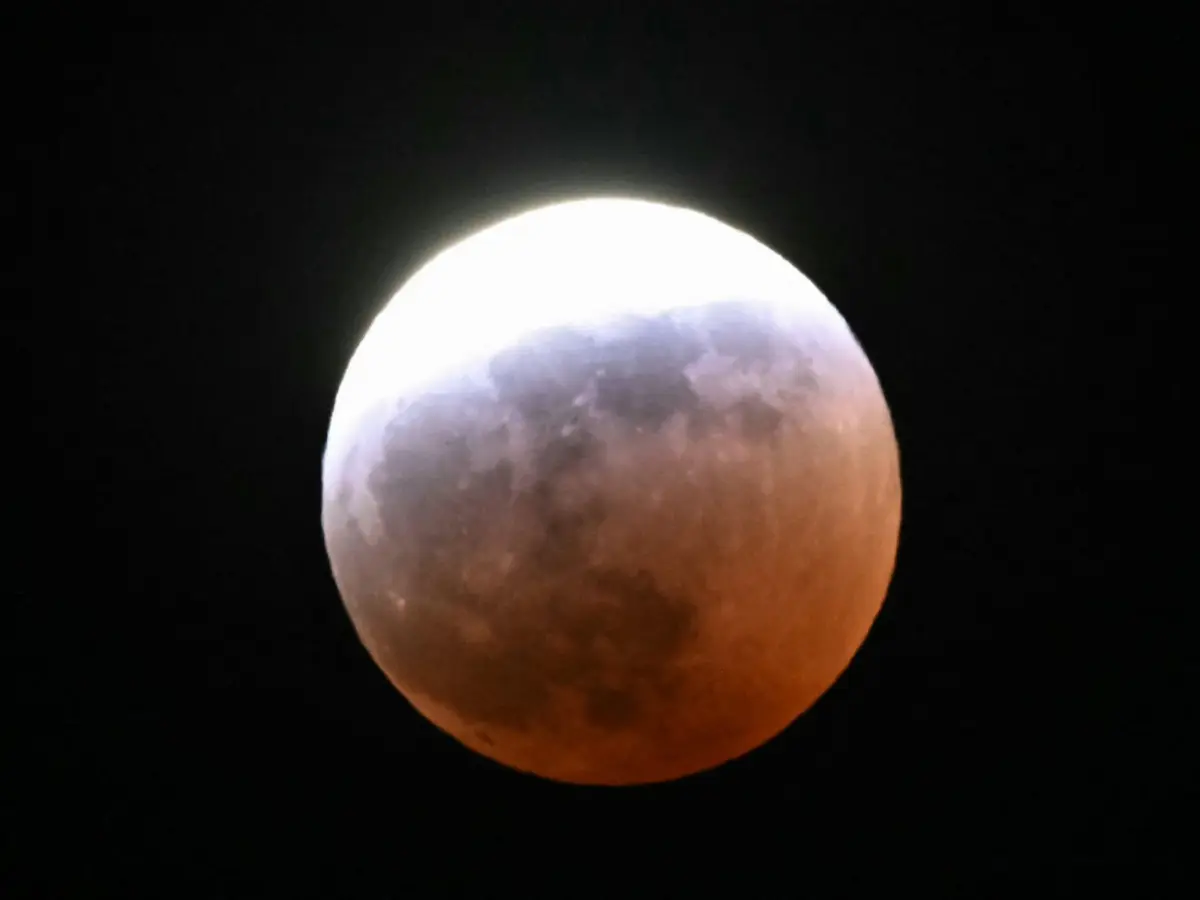)
Lunar eclipse 2026: India timings, places to see and more. August Blood moon factsheet
)
RSS chief Mohan Bhagwat on global outreach tour
)
Both pilots killed as training aircraft crashes in Lucknow – What we know
)
16-year-old charged with preparing terror attack on kindergarten in Norway
&im=FitAndFill=(700,400))
How the S-400 protects itself from enemy attacks
)
Nepal floods: Over 165 dead, 400 missing; US, India, China, World Bank mobilise aid
)
India's multi-layered watch: The new surveillance war
)
5 doomsday planes spotted in US skies hours after CIA director's secret trip to Russia
)
9/11 mastermind Khalid Sheikh Mohammed to finally face trial in 2028, nearly 27 years after horrific attacks
)
Islamabad hospital fire: What we know about one of the biggest facility that housed Imran Khan
)
Workers run for life while filming Nepal flash flood: Scary new visuals emerge from Rasuwa
)
Russian military planes enter South Korean air defence zone amid rising tensions with North Korea: What's happening
)
Ron Weasley Is Back! Rupert Grint set to return to Harry Potter universe on Broadway
)
400-year-old 'vampire' grave in Poland reveals non-existent genetic lineage
)
Dolly Parton, global icon and queen of country music, dies at 80
)
Nepal flash floods: Kailash Mansarovar yatra affected, close to 400 pilgrims out of contact
)
'If he is dead, they're putting on a pretty good show': Trump casts fresh doubt over Mojtaba Khamenei's fate
)
Man arrested near US Capitol with guillotine in pickup truck: What happened?
&im=FitAndFill=(700,400))
Why the Su-30MKI cockpit is painted bright turquoise green
With busy schedules, many people consume their meals in less than 10 minutes. This habit overloads the digestive system and often leads to overeating. Research from the American Journal of Clinical Nutrition indicates that individuals who chew their food 40 times before swallowing consume nearly 12 per cent fewer calories than those who chew only 15 times. Eating slowly allows your gut hormones enough time to signal the brain that you are full, which naturally prevents indigestion and weight gain.
Relying on generic plastic containers
Microwaving food in standard plastic containers is a daily habit in many households. However, heating plastic causes chemicals like bisphenol A and phthalates to leach directly into your food. A report by the Endocrine Society highlighted that these synthetic chemicals disrupt the body's natural hormone production, potentially leading to metabolic disorders. Transferring your meals to glass or ceramic bowls before heating is a simple, highly effective way to protect your endocrine system.
Your everyday routine should act as a strong foundation for your health, not a burden. By paying attention to how long you sit, your weekend sleep times, and how you eat, you can actively protect your body. Small, fact-based adjustments lead to lasting improvements in your overall wellbeing.
