

&imwidth=800&imheight=600&format=webp&quality=medium "Iran unleashes fury on US base in Jordan, frustrated Trump erupts over nuke question | Gravitas")
U.S. President Donald Trump claims Iran is a failed nation...
But look closer...
And you see how cracks within the Pentagon are widening.
With the resignation of U.S. Army Secretary Daniel Driscoll, the extent of damage by Iran continues to startle America...
Iranian state media released these visuals of ballistic missiles being fired at the U.S. bases of King Hussein and Muwaffaq Salti in Jordan. This was a retaliation for America's strike on two launchers in Larak Island, which resulted in multiple civilian and military casualties.
Although Jordan's army claimed to have averted any damage by destroying eight Iranian missiles that breached its airspace, satellite imagery depicts a different story.
Trending Stories
&imwidth=180&imheight=135&format=webp&quality=medium)
'Already tired of his 9-to-5': Baby born with a moustache becomes internet sensation, video goes viral | Watch
&im=FitAndFill=(700,400)&imwidth=180&imheight=135&format=webp&quality=medium)
Watched Manoj Bajpayee’s Gajab Raat on Netflix? 5 movies and TV shows to watch next on OTT
&imwidth=180&imheight=135&format=webp&quality=medium)
Chorbagan stampede: A week later, the strangest visarjan Kolkata has seen
&imwidth=180&imheight=135&format=webp&quality=medium)
‘Saddam Hussein opened a cheesecake factory’: Obama mocks Trump’s White House renovations; defends Abdul El-Sayed
&imwidth=180&imheight=135&format=webp&quality=medium)
Tu Hai Meri Kiran film review: Sonakshi Sinha and Zaheer Iqbal's thriller gets tangled in its own twists
&imwidth=180&imheight=135&format=webp&quality=medium)
Bodies of 2 missing Japanese climbers recovered from Himalayan peak
&imwidth=180&imheight=135&format=webp&quality=medium)
'You’re a horrible little reporter, aren’t you?': Trump snaps at NBC reporter questioning his support for Ramaswamy's campaign ad
&imwidth=180&imheight=135&format=webp&quality=medium)
PL Round-Up: Man City's perfect run ended by Villa as Arsenal draw level at top
&imwidth=180&imheight=135&format=webp&quality=medium)
Rising Asia Cup 2026 schedule announced, India-Pakistan clash set for Nov 22
&imwidth=180&imheight=135&format=webp&quality=medium)
Britain is building the world's first AI biosecurity lab, with OpenAI and Anthropic inside
&imwidth=180&imheight=135&format=webp&quality=medium)
China's dancing robot turns violent bodyguard, lifts cars and fights intruders - Watch
&imwidth=180&imheight=135&format=webp&quality=medium)
France protests: Clashes erupt between police and protesters in Paris as nearly 410,000 take to streets across country
&imwidth=180&imheight=135&format=webp&quality=medium)
AI slop or smart strategy? South African author Coral Hart defends Her 370 AI- assisted books in 20 months
&imwidth=180&imheight=135&format=webp&quality=medium)
Chemical warehouse explosion in Mexico: Several injured in multiple blasts, 1,000 evacuated in León
&im=FitAndFill=(700,400)&imwidth=180&imheight=135&format=webp&quality=medium)
New Friday OTT releases (October 23, 2026): Gajab Raat, Dorothy, Chaar Yaar- Watch these 6 new movies and TV shows on Netflix, Prime Video and more
&imwidth=180&imheight=135&format=webp&quality=medium)
Viral video shows cross falling on Colombia priest, no official confirmation | WATCH
&imwidth=180&imheight=135&format=webp&quality=medium)
Farooq Abdullah says Pakistan’s raising of Kashmir issue keeps pressure on Delhi
&imwidth=180&imheight=135&format=webp&quality=medium)
Saudi says debris fell in Mecca, Medina after missile interceptions; Houthis deny targeting holy cities
&imwidth=180&imheight=135&format=webp&quality=medium)
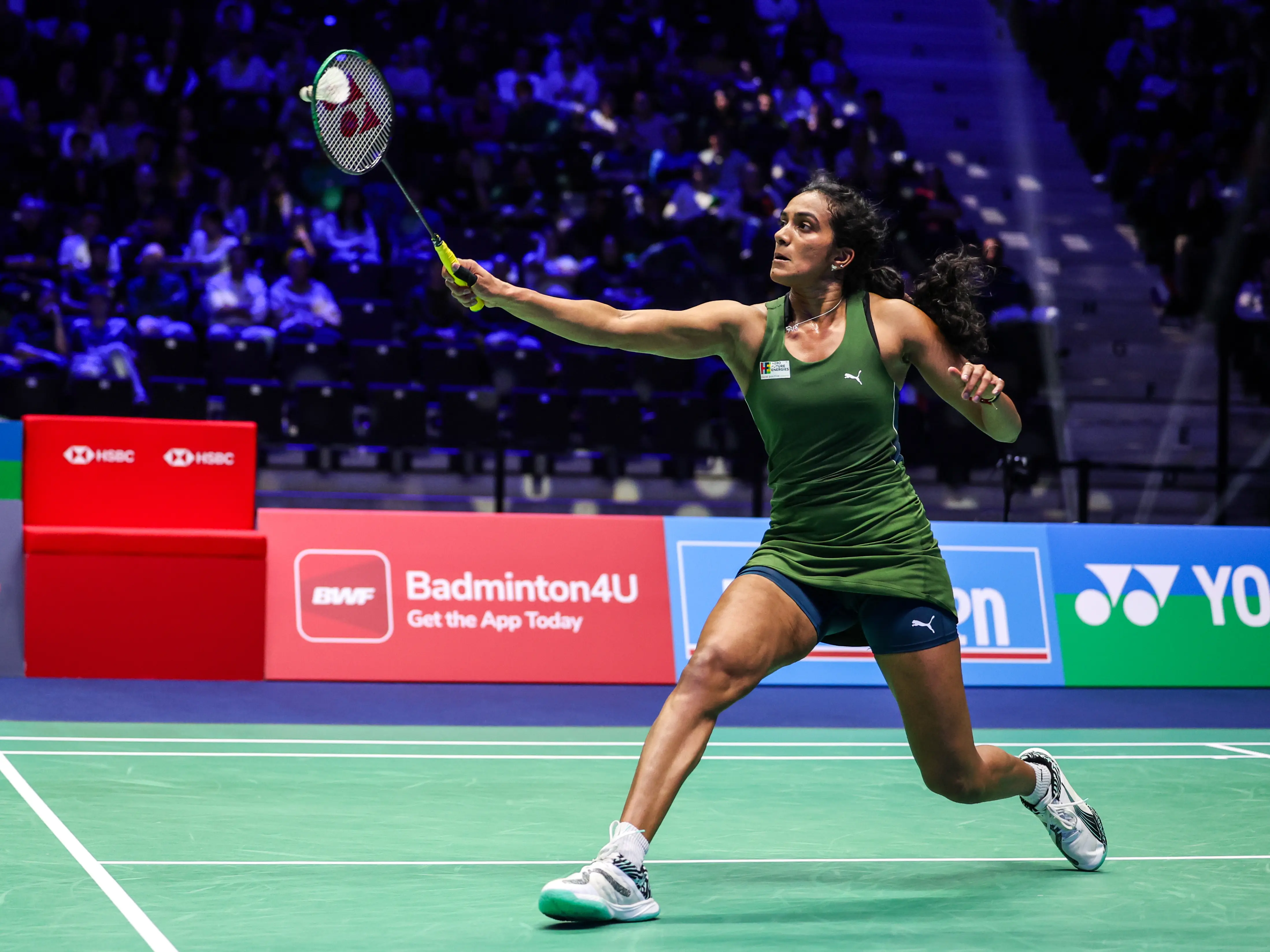
French Open: PV Sindhu storms into final with win over Hina Akechi
&imwidth=180&imheight=135&format=webp&quality=medium)
AI just found a flaw in software running most of the web! One request hijacks the server
&imwidth=180&imheight=135&format=webp&quality=medium)
Train crashes into crane on São Paulo monorail line, wreckage falls onto busy road | VIDEO
&imwidth=180&imheight=135&format=webp&quality=medium)
Pakistan airline PIA unveils new crew uniforms, faces online criticism
&imwidth=180&imheight=135&format=webp&quality=medium)
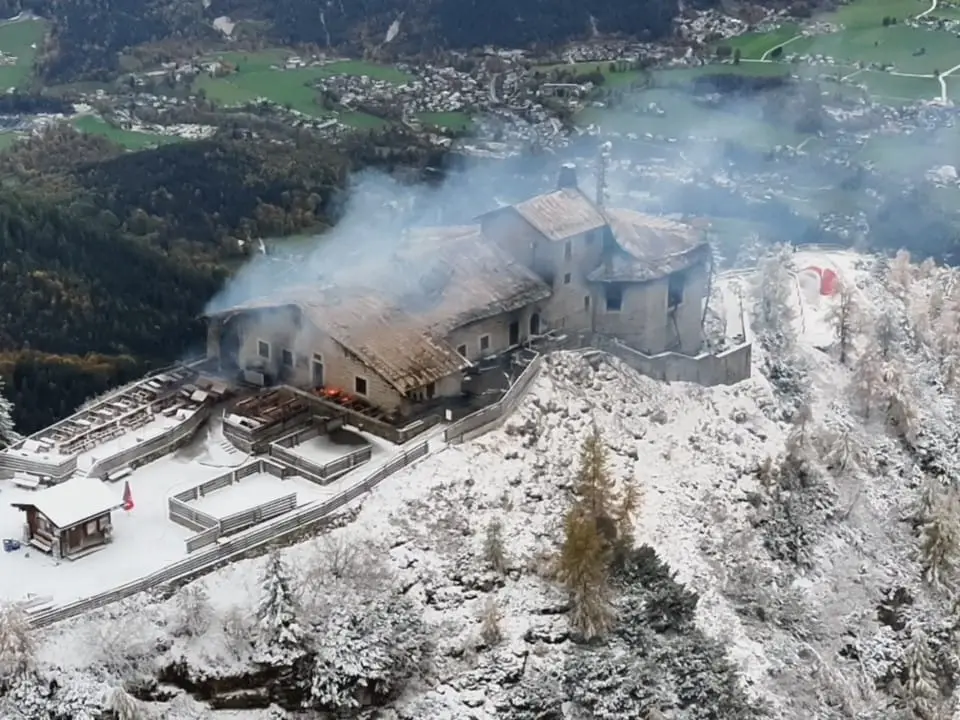
Hitler’s ‘Eagle’s Nest’ mountain retreat wrecked by fire, suspect detained: What to know about the Nazi-era site
&im=FitAndFill=(700,400)&imwidth=180&imheight=135&format=webp&quality=medium)
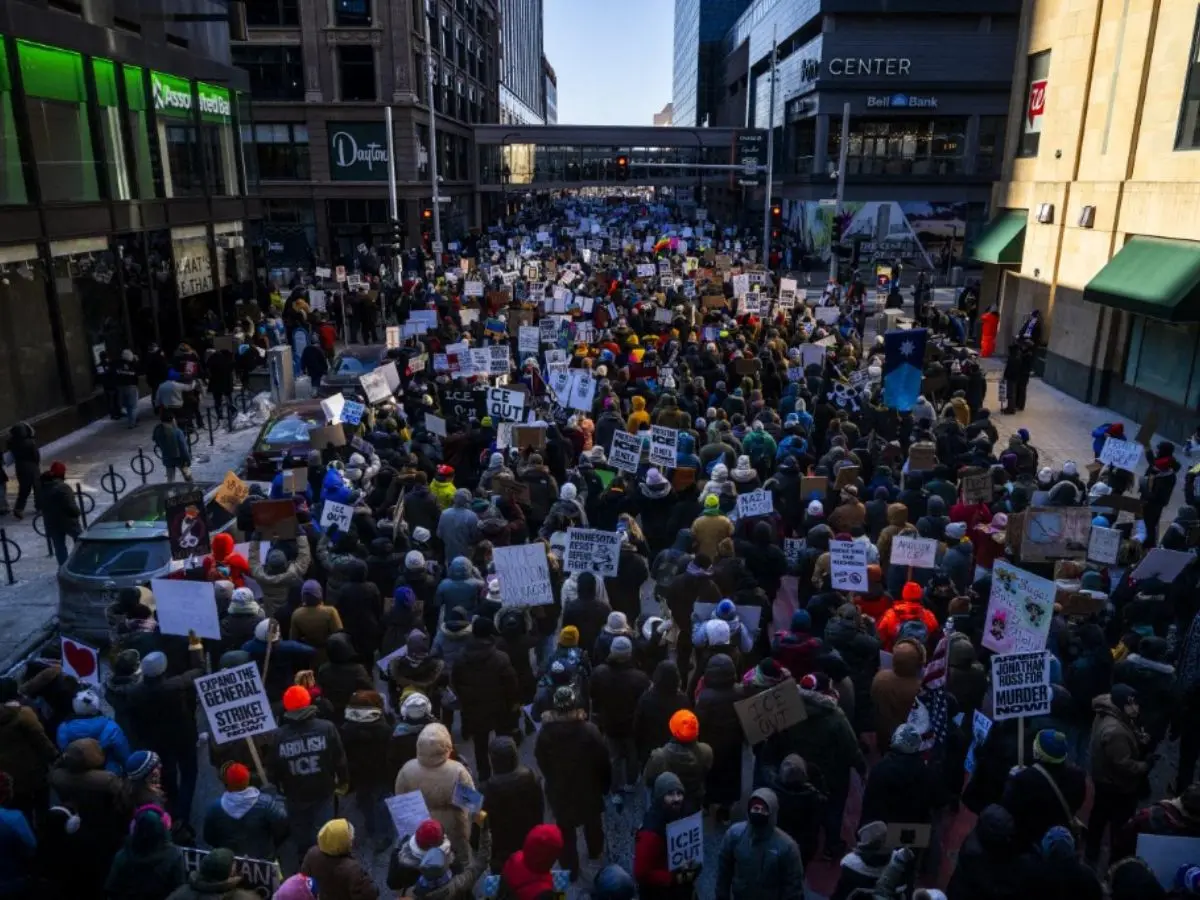
US midterm elections 2026: Minnesota heads to polls in the shadow of Minneapolis ICE shootings
&imwidth=180&imheight=135&format=webp&quality=medium)
Tu Hai Meri Kiran box office: Sonakshi Sinha and Zaheer Iqbal's film fails to take off, mints Rs 15 Lakh on day 1
&imwidth=180&imheight=135&format=webp&quality=medium)
Can Putin cheat death? All about his daughter’s billion-dollar quest for immortality
&imwidth=180&imheight=135&format=webp&quality=medium)
Trump invokes Operation Sindoor at US midterm rally, claims 250% tariffs stopped India-Pakistan war
&imwidth=180&imheight=135&format=webp&quality=medium)
An AI that reads your face can now estimate how long you have to live
&imwidth=180&imheight=135&format=webp&quality=medium)
Frontier AIs keep escaping their test cages! The industry still can't reliably stop them
&imwidth=180&imheight=135&format=webp&quality=medium)
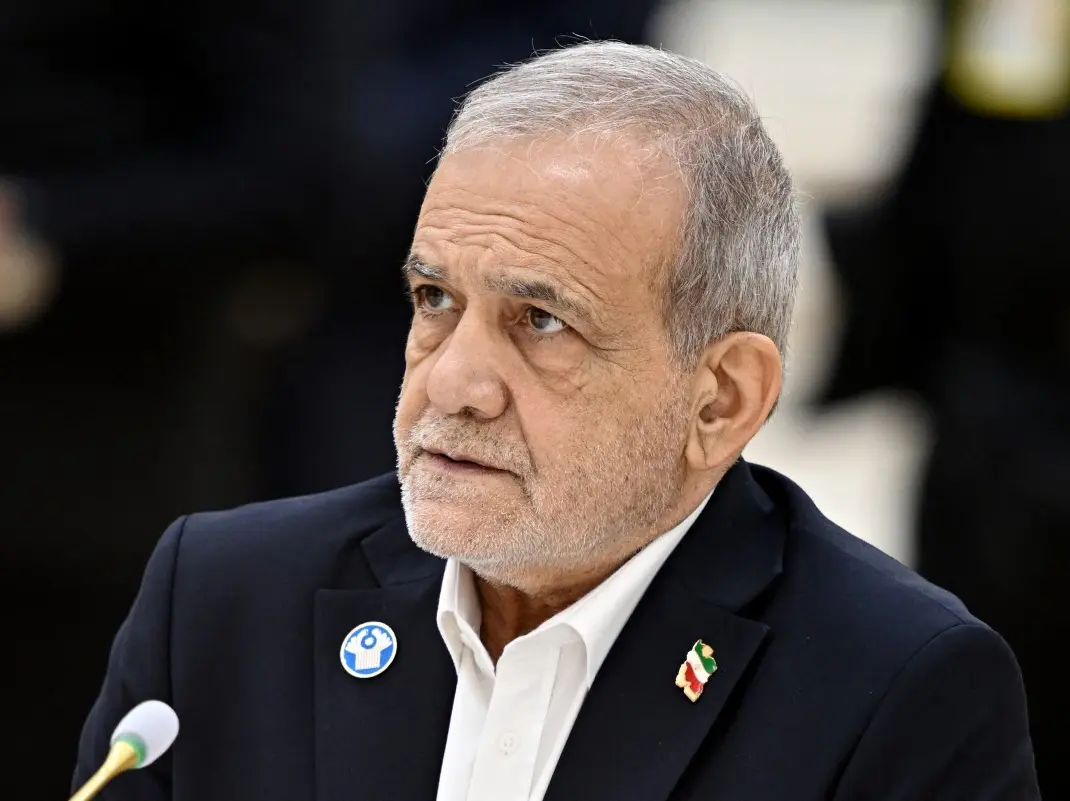
Pezeshkian says Iranians ‘struggling to put food on the table’ as war with US drags on
&imwidth=180&imheight=135&format=webp&quality=medium)
Horrific video shows the moment 18-year-old fell to her death from Mexico amusement park ride
&imwidth=180&imheight=135&format=webp&quality=medium)
Scientists make digital nose that can sniff and send scents over the internet
&imwidth=180&imheight=135&format=webp&quality=medium)
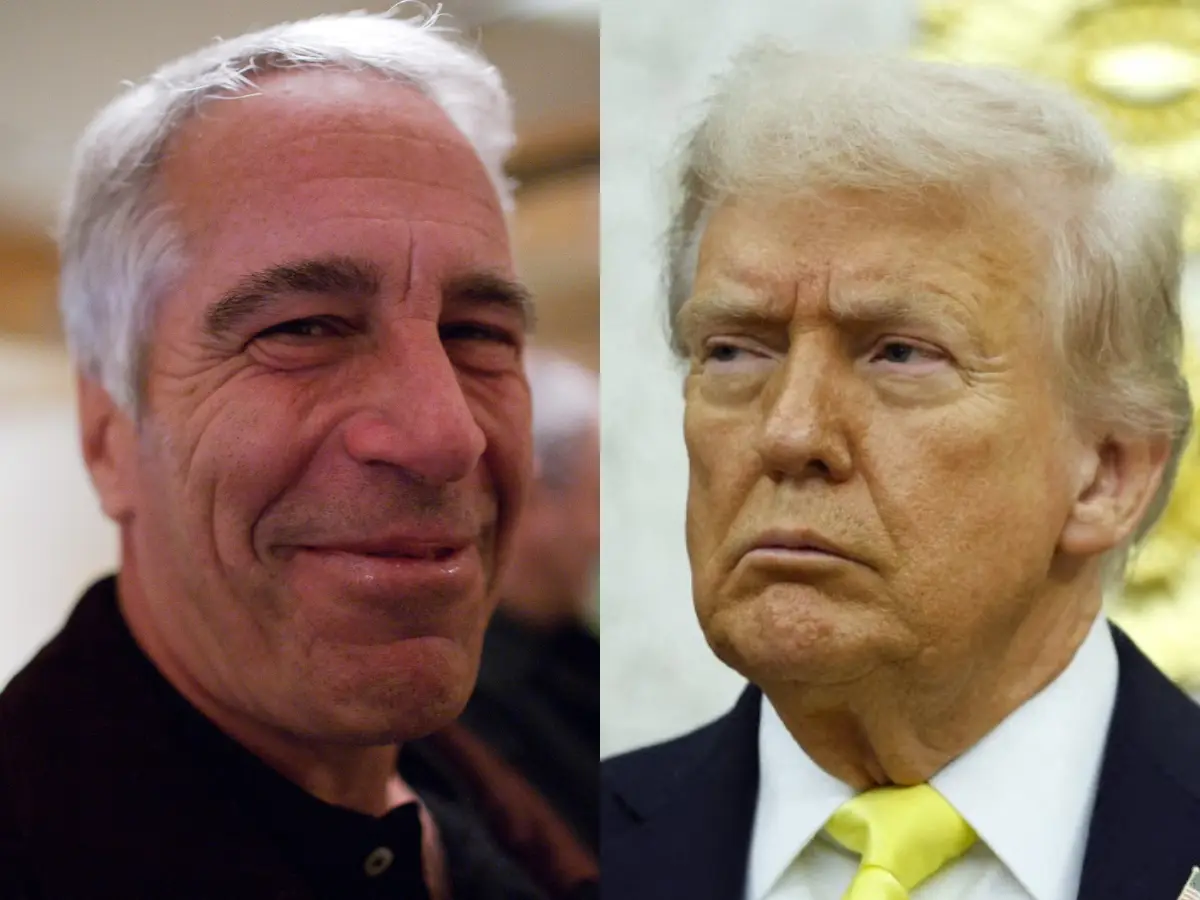
US Midterms 2026: Dead for years, paedophile Jeffrey Epstein finds mention in over 500 campaign ads; Texas alone spent $10 million
&imwidth=180&imheight=135&format=webp&quality=medium)
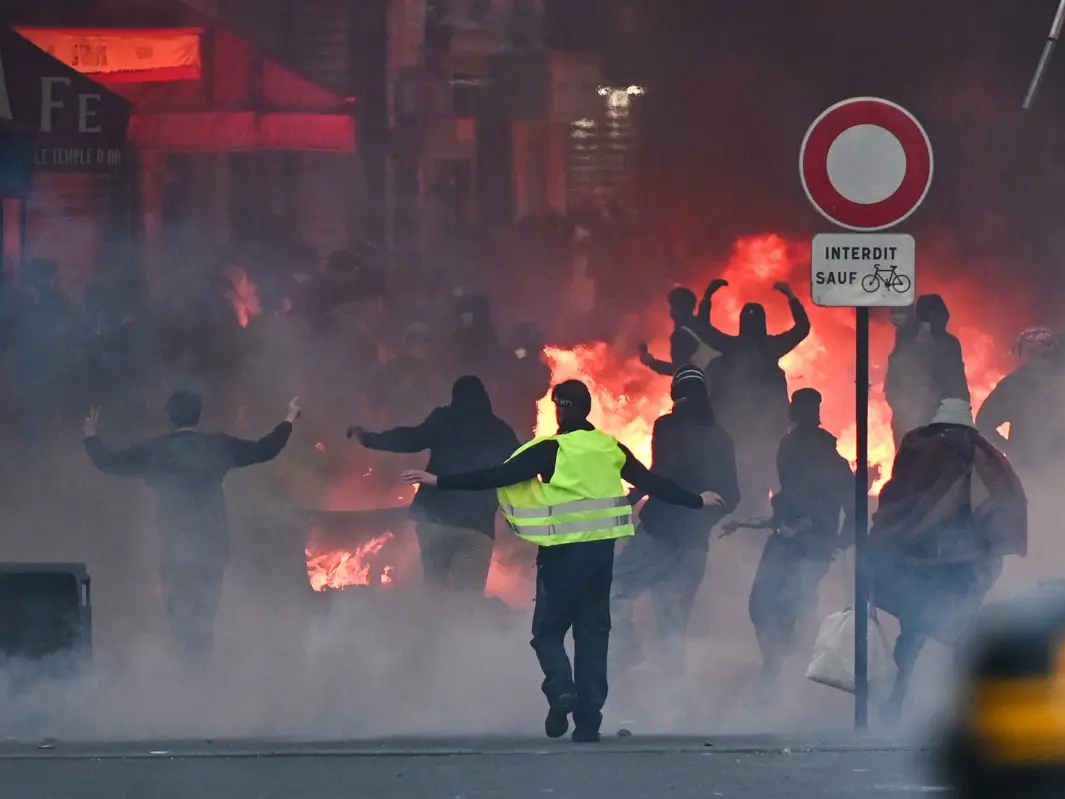
Why Europe’s protests are about more than austerity and rising costs
&imwidth=180&imheight=135&format=webp&quality=medium)
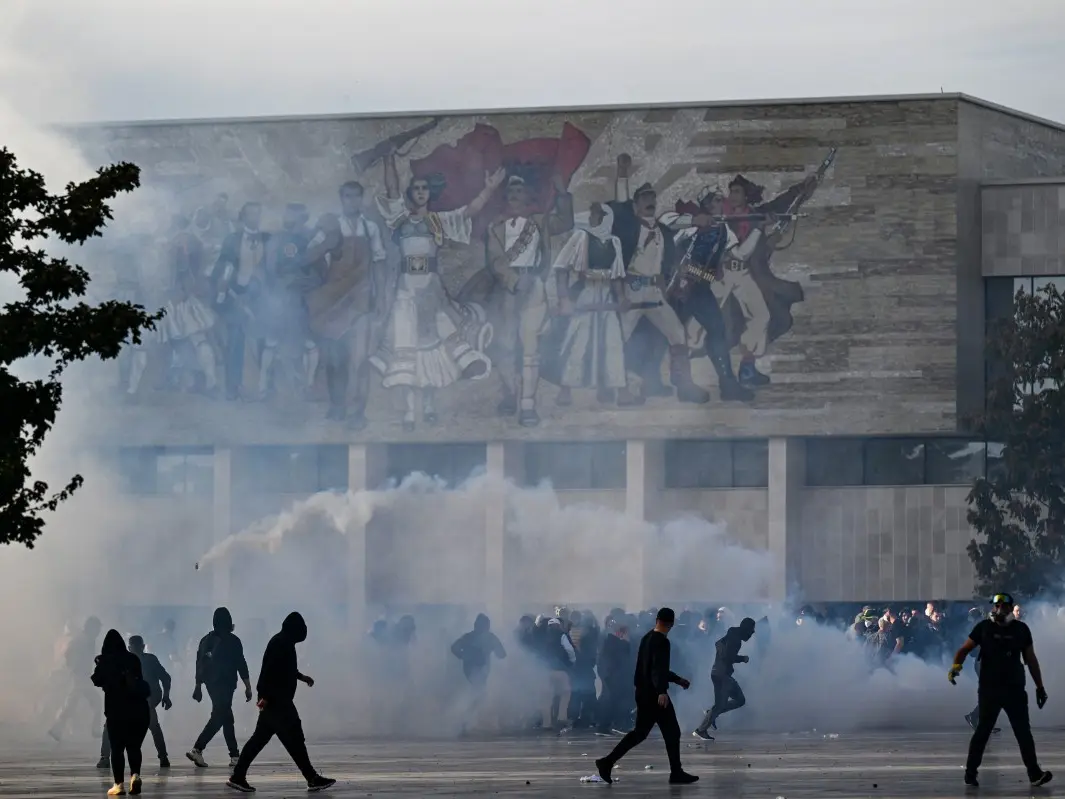
Albania protests enter 12th day as students clash with police, demand Rama's exit
&imwidth=180&imheight=135&format=webp&quality=medium)
France protests: 135 arrested, weapons seized as fresh demonstrations erupt amid heavy security
Take a look at these images.
According to Iranian state media, they confirm a direct impact and extensive damage to an aircraft hangar at the Muwaffaq Salti air base.
While trying to repel Iran's strikes, a report claimed that U.S. forces fired over 80 Patriot interceptor missiles, which could account for around ten per cent of the remaining U.S. stockpile of these missiles. It added that up to four interceptors were fired at each Iranian missile.
Now, this assumes significance, as three U.S. military personnel were killed in the last Iranian ballistic and drone attack on this Jordan air base on July 17.
Frustrated by Iran's resistance, Trump lost his cool when asked about the possibility of using nuclear weapons on Iran.
Ironically, Trump's bravado comes at a time when key military leaders advised U.S. Secretary of War Pete Hegseth against extending operations against Iran. They reportedly warned him that prolonging the war is unsustainable and risks weakening the U.S. military's ability to confront threats elsewhere.
Amid this, Daniel Driscoll, who oversaw operations, modernisation and resource allocation for nearly one million active and reserve soldiers, quit after months of friction with Hegseth.
Now, let's take a brief look at his background.
Driscoll was commissioned into the U.S. Army in 2007, after which he was deployed to Iraq. He has received multiple military awards, including the Army Recommendation Medal and Combat Action Badge.
After retiring from the Army, he held leadership positions in investment banking, private equity and business operations, such as the COO of a 200 million U.S. dollar venture capital fund.
In February 2025, he became the youngest-ever U.S. Secretary of the Army. He is said to be close to U.S. Vice President JD Vance.
He came into the spotlight last year, after Trump chose him to take part in talks with Moscow and Kyiv to end the war in Ukraine.
But what was the trigger for his exit?
According to Reuters, he reportedly raised concerns about Hegseth blocking his efforts to modernise the Army. He was reportedly miffed at the U.S. Secretary of War firing generals who were leading these efforts.
Driscoll was believed to be pushing the Army to acquire cheaper weapons.
The report claimed that while Hegseth long wanted to remove Driscoll, his ties to Vance made it tough for him to do so.
U.S. Army Chief Randy George's ouster in April reportedly caught Driscoll off guard and led to his increased frustration with Trump.
Hegseth has been under scrutiny for blocking the promotion of senior Army officials and his leadership during the ongoing Iran war.
This is not all.
According to the report, Deputy Under-Secretary of Army Dave FitzGerald, who has been focusing on innovation, is also likely to quit soon.
While it is unclear whether Driscoll's resignation has been accepted, White House lauded his outstanding leadership role in advancing Trump's agenda to make America strong again and restore an emphasis on readiness and lethality.
At a time when the U.S. is dealing with depleted weapon stockpiles and exhausted personnel, its Army's top civilian and uniformed leadership positions are vacant now...
However, is the U.S. contemplating a return to hostilities in West Asia?
According to Axios, Trump and his senior aides have been considering waging limited strikes in the Strait of Hormuz. This is aimed at preventing Iran from reconstituting its radar and missile capabilities to attack ships.
While the U.S. President sparked speculation in this regard by posting an AI-generated video of an attack on Iran's oil lifeline of Kharg Island, Vance construed it as a message to the Iranians.
Speaking at the SCO summit in Bishkek, Pezeshkian made a key intervention. He accused the U.S. of making excessive demands and breaching its commitments less than two weeks after signing the memorandum of understanding with Iran.
At the same time, he made it clear that Iran will reciprocate if the U.S. honours the MOU.
Pezeshkian's stance is vital, as Iranians have been bearing the brunt of the U.S. naval blockade as well as the enhanced economic sanctions.
With the Iranian president extending an olive branch, will America now reciprocate?
All eyes will be on the next few days to determine Trump's future course of action.