Looking for the best monsoon destination in India? Start here

&imwidth=600&imheight=450&format=webp&quality=medium "Looking for the best monsoon destination in India? Start here")
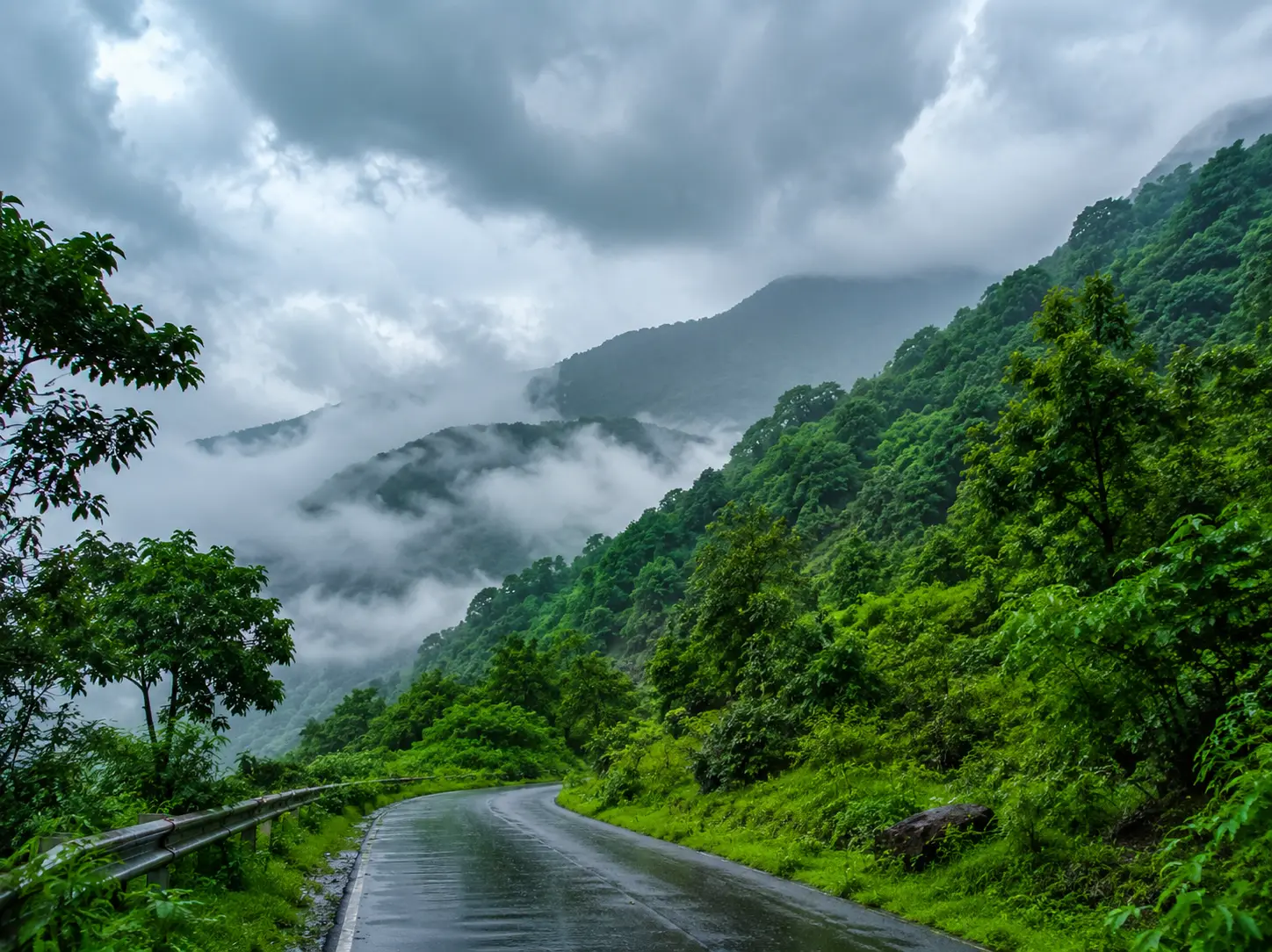
Lush Green Hills During Monsoon in India Photograph: (Wikimedia Commons)
The Indian monsoon transforms regional landscapes from June to September. Destinations like Munnar in Kerala, the Valley of Flowers in Uttarakhand, and Meghalaya offer lush greenery, high-altitude alpine blooms, and full waterfalls for nature travellers.
The Indian monsoon transforms the country's diverse landscapes between June and September. While heavy rainfall often disrupts urban routines, it simultaneously revitalises national parks, hill stations, and coastal regions. For travellers seeking cooler temperatures and vibrant greenery, specific high-altitude areas and rain-fed valleys offer ideal conditions. Planning a trip during these months requires understanding regional weather patterns and access rules.
Munnar and its tea plantations
Munnar in Kerala sits at an altitude ranging from 1,450 metres to 2,695 metres above sea level. During the monsoon months of July to September, the region experiences average temperatures between 15 degrees and 25 degrees Celsius. The heavy rainfall rejuvenates the sprawling tea plantations and fills local water bodies like the Lakkam Waterfalls. Visitors should pack waterproof gear and durable footwear, as the weather is consistently wet and humid.
The Valley of Flowers permit system
Located in Uttarakhand, the Valley of Flowers National Park base sits at an altitude of 3,658 metres. The official 2026 travel season runs from June to October, with peak blooming occurring from mid-July to mid-August. The region hosts over 600 alpine plant species. According to the state forest department portal, Indian citizens must pay an entry fee of Rs 200 for a three-day permit, while foreign nationals pay Rs 800. The forest department enforces a strict cap of 300 visitors per day to protect the local ecosystem.
Nohkalikai Falls in Meghalaya
Trending Stories
&imwidth=280&imheight=210&format=webp&quality=medium)
&im=FitAndFill=(700,400)&imwidth=280&imheight=210&format=webp&quality=medium)
&imwidth=280&imheight=210&format=webp&quality=medium)
&im=FitAndFill=(700,400)&imwidth=280&imheight=210&format=webp&quality=medium)
&imwidth=280&imheight=210&format=webp&quality=medium)
&imwidth=280&imheight=210&format=webp&quality=medium)
&imwidth=280&imheight=210&format=webp&quality=medium)
&imwidth=280&imheight=210&format=webp&quality=medium)
&imwidth=280&imheight=210&format=webp&quality=medium)
&imwidth=280&imheight=210&format=webp&quality=medium)
&imwidth=280&imheight=210&format=webp&quality=medium)
&imwidth=280&imheight=210&format=webp&quality=medium)
&imwidth=280&imheight=210&format=webp&quality=medium)
&imwidth=280&imheight=210&format=webp&quality=medium)
&imwidth=280&imheight=210&format=webp&quality=medium)
&imwidth=280&imheight=210&format=webp&quality=medium)
&imwidth=280&imheight=210&format=webp&quality=medium)
&imwidth=280&imheight=210&format=webp&quality=medium)
&imwidth=280&imheight=210&format=webp&quality=medium)
&imwidth=280&imheight=210&format=webp&quality=medium)
&imwidth=280&imheight=210&format=webp&quality=medium)
&imwidth=280&imheight=210&format=webp&quality=medium)
&im=FitAndFill=(700,400)&imwidth=280&imheight=210&format=webp&quality=medium)
&imwidth=280&imheight=210&format=webp&quality=medium)
&imwidth=280&imheight=210&format=webp&quality=medium)
&imwidth=280&imheight=210&format=webp&quality=medium)
&imwidth=280&imheight=210&format=webp&quality=medium)
&imwidth=280&imheight=210&format=webp&quality=medium)
&imwidth=280&imheight=210&format=webp&quality=medium)
&imwidth=280&imheight=210&format=webp&quality=medium)
&imwidth=280&imheight=210&format=webp&quality=medium)
&imwidth=280&imheight=210&format=webp&quality=medium)
&imwidth=280&imheight=210&format=webp&quality=medium)
&imwidth=280&imheight=210&format=webp&quality=medium)
The state of Meghalaya is famous for receiving exceptional amounts of rainfall. The monsoon dramatically increases the water volume at Nohkalikai Falls, which is located in the East Khasi Hills near Cherrapunji. Standing at 340 metres, it is officially the tallest plunge waterfall in India. A viewing area is open daily from 8:00 AM to 5:00 PM, with a basic entry fee of approximately Rs 20 per person. Heavy fog can obscure visibility, so morning visits are generally recommended.
Travelling across India during the rainy season provides unique opportunities to witness the natural environment at its peak. Ensure you verify official weather alerts and secure necessary permits online before departure. Proper preparation allows for a safe and memorable monsoon journey.