

&imwidth=800&imheight=600&format=webp&quality=medium "How extreme weather is changing global travel plans")
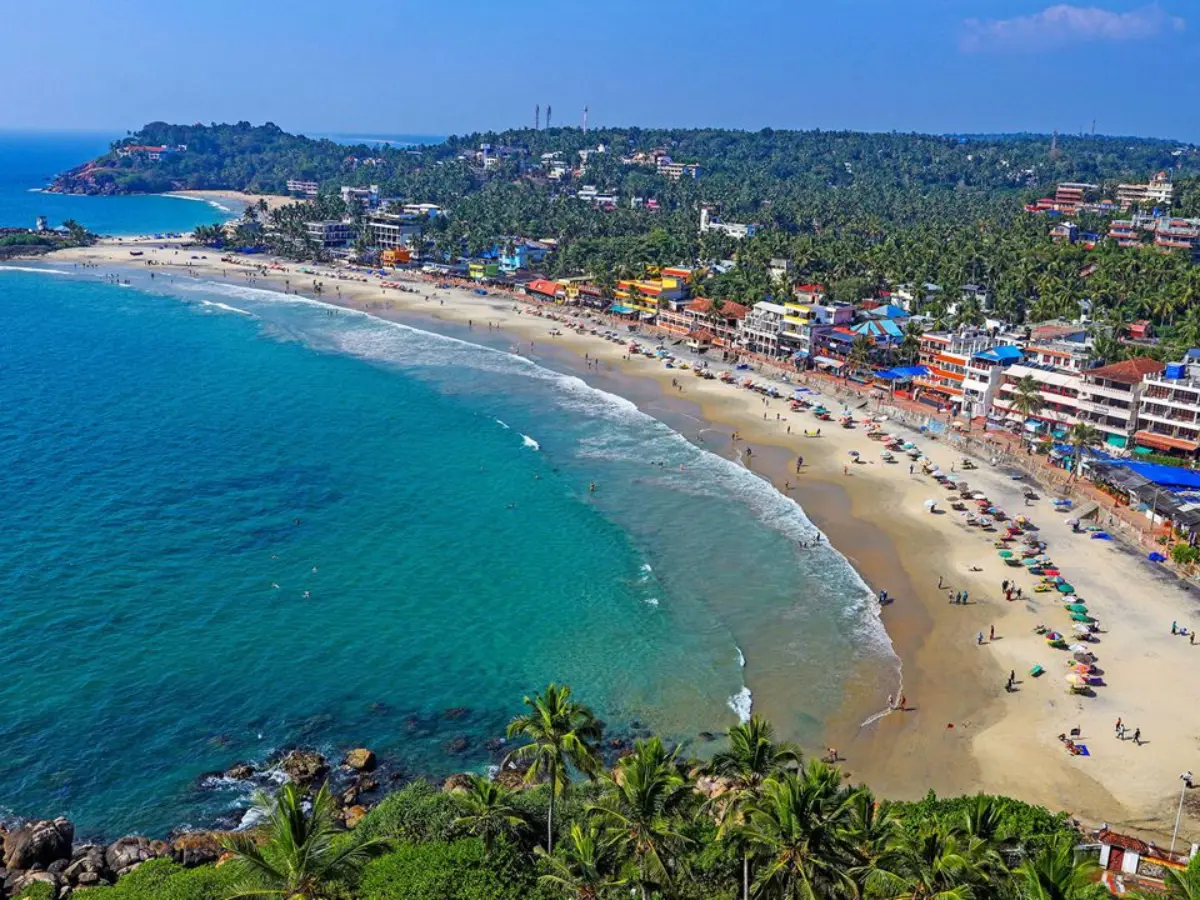
Summer holidays in Southern Europe were once a guaranteed escape, but intense heatwaves and unpredictable weather patterns are forcing a major shift in global tourism. Tourists are now actively abandoning traditional hotspots during peak months as extreme weather events become more frequent. Understanding how these climate shifts are reshaping the travel industry is essential before you book your next international holiday.
The rise of 'coolcationing'
Tourists are increasingly seeking relief from intense summer temperatures. According to a 2023 report by the European Travel Commission, the popularity of Mediterranean destinations dropped by 10 per cent during peak summer months due to extreme weather concerns. Travellers are instead booking flights to cooler countries such as Norway, Sweden, and Scotland. This growing trend, known as 'coolcationing', allows tourists to explore outdoors without facing 40-degree heat. The risk of heatstroke has made traditional beach holidays far less appealing for many families.
Shifting to shoulder seasons
Unpredictable weather is heavily altering when people choose to fly. Instead of travelling during the traditional July and August peak season, many tourists now prefer the shoulder months of April, May, and September. Data from travel analytics firm ForwardKeys highlights a notable increase in autumn airline ticket bookings for Southern Europe. This timing change helps holidaymakers avoid severe summer heatwaves and the sudden wildfires that have recently forced thousands of tourists to evacuate resort towns across the Mediterranean.
The growing need for premium insurance
Trending Stories
&imwidth=180&imheight=135&format=webp&quality=medium)
J-20 designers plan to put radar into aircraft wing; strategy to expand coverage during air combat
&imwidth=180&imheight=135&format=webp&quality=medium)
France protests: 135 arrested, weapons seized as fresh demonstrations erupt amid heavy security
&imwidth=180&imheight=135&format=webp&quality=medium)
Frontier AIs keep escaping their test cages! The industry still can't reliably stop them
&imwidth=180&imheight=135&format=webp&quality=medium)
Saudi says debris fell in Mecca, Medina after missile interceptions; Houthis deny targeting holy cities
&imwidth=180&imheight=135&format=webp&quality=medium)
Rising Asia Cup 2026 schedule announced, India-Pakistan clash set for Nov 22
&imwidth=180&imheight=135&format=webp&quality=medium)
'You’re a horrible little reporter, aren’t you?': Trump snaps at NBC reporter questioning his support for Ramaswamy's campaign ad
&imwidth=180&imheight=135&format=webp&quality=medium)
An AI that reads your face can now estimate how long you have to live
&imwidth=180&imheight=135&format=webp&quality=medium)
Viral video shows cross falling on Colombia priest, no official confirmation | WATCH
&imwidth=180&imheight=135&format=webp&quality=medium)
Tu Hai Meri Kiran film review: Sonakshi Sinha and Zaheer Iqbal's thriller gets tangled in its own twists
&imwidth=180&imheight=135&format=webp&quality=medium)
Britain is building the world's first AI biosecurity lab, with OpenAI and Anthropic inside
&imwidth=180&imheight=135&format=webp&quality=medium)
Tu Hai Meri Kiran box office: Sonakshi Sinha and Zaheer Iqbal's film fails to take off, mints Rs 15 Lakh on day 1
&imwidth=180&imheight=135&format=webp&quality=medium)
PL Round-Up: Man City's perfect run ended by Villa as Arsenal draw level at top
&imwidth=180&imheight=135&format=webp&quality=medium)
Train crashes into crane on São Paulo monorail line, wreckage falls onto busy road | VIDEO
&imwidth=180&imheight=135&format=webp&quality=medium)
'Already tired of his 9-to-5': Baby born with a moustache becomes internet sensation, video goes viral | Watch
&imwidth=180&imheight=135&format=webp&quality=medium)
Horrific video shows the moment 18-year-old fell to her death from Mexico amusement park ride
&imwidth=180&imheight=135&format=webp&quality=medium)
Farooq Abdullah says Pakistan’s raising of Kashmir issue keeps pressure on Delhi
&imwidth=180&imheight=135&format=webp&quality=medium)
AI slop or smart strategy? South African author Coral Hart defends Her 370 AI- assisted books in 20 months
&imwidth=180&imheight=135&format=webp&quality=medium)
Can Putin cheat death? All about his daughter’s billion-dollar quest for immortality
&imwidth=180&imheight=135&format=webp&quality=medium)
Pezeshkian says Iranians ‘struggling to put food on the table’ as war with US drags on
&imwidth=180&imheight=135&format=webp&quality=medium)
NEET protests: Panel to hear evidence on pellet gun use, harassment
&im=FitAndFill=(700,400)&imwidth=180&imheight=135&format=webp&quality=medium)
What is the real meaning behind Pete Hegseth's tattoos?
&imwidth=180&imheight=135&format=webp&quality=medium)
Bodies of 2 missing Japanese climbers recovered from Himalayan peak
&imwidth=180&imheight=135&format=webp&quality=medium)
‘Saddam Hussein opened a cheesecake factory’: Obama mocks Trump’s White House renovations; defends Abdul El-Sayed
&imwidth=180&imheight=135&format=webp&quality=medium)
AI just found a flaw in software running most of the web! One request hijacks the server
&im=FitAndFill=(700,400)&imwidth=180&imheight=135&format=webp&quality=medium)
New Friday OTT releases (October 23, 2026): Gajab Raat, Dorothy, Chaar Yaar- Watch these 6 new movies and TV shows on Netflix, Prime Video and more
&imwidth=180&imheight=135&format=webp&quality=medium)
China's dancing robot turns violent bodyguard, lifts cars and fights intruders - Watch
&imwidth=180&imheight=135&format=webp&quality=medium)
French Open: PV Sindhu storms into final with win over Hina Akechi
&im=FitAndFill=(700,400)&imwidth=180&imheight=135&format=webp&quality=medium)
US midterm elections 2026: Minnesota heads to polls in the shadow of Minneapolis ICE shootings
&imwidth=180&imheight=135&format=webp&quality=medium)
What was the note found inside bag of Class 12 student, who set herself on fire inside Delhi school?
&imwidth=180&imheight=135&format=webp&quality=medium)
Why Europe’s protests are about more than austerity and rising costs
&im=FitAndFill=(700,400)&imwidth=180&imheight=135&format=webp&quality=medium)
Watched Manoj Bajpayee’s Gajab Raat on Netflix? 5 movies and TV shows to watch next on OTT
&imwidth=180&imheight=135&format=webp&quality=medium)
Pakistan airline PIA unveils new crew uniforms, faces online criticism
&imwidth=180&imheight=135&format=webp&quality=medium)
Chorbagan stampede: A week later, the strangest visarjan Kolkata has seen
&imwidth=180&imheight=135&format=webp&quality=medium)
Telangana unveils AI avatar of IT minister D Sridhar Babu at Hyderabad DevFest 2026
&imwidth=180&imheight=135&format=webp&quality=medium)
'Killing people never allowed': Elon Musk admits restricting Starlink in Ukraine, explains why
&imwidth=180&imheight=135&format=webp&quality=medium)
Shooting near Florida A&M University’s Bragg Stadium; ‘shelter in place’ alert issued
Weather disruptions directly affect travel budgets and itineraries. Sudden storms and flooded transport hubs frequently lead to sudden flight cancellations, missed connections, and expensive emergency hotel stays. Standard travel insurance often excludes natural disasters, meaning travellers must now purchase premium coverage to stay fully protected. Upgraded policies that include severe weather and evacuation protection can add significant costs to an international holiday budget. Tourists are increasingly factoring in these weather-related safety nets before confirming their flights and accommodation.
Extreme weather is a permanent factor in modern global tourism. By choosing cooler destinations, travelling during off-peak months, and securing premium insurance, you can protect your holiday from unpredictable climate disruptions and ensure a safe, relaxing trip.
