Tupac Shakur murder mastermind Duane ‘Keffe D’ Davis sentenced to 40 years of imprisonment

&imwidth=600&imheight=450&format=webp&quality=medium "Tupac Shakur murder mastermind Duane ‘Keffe D’ Davis sentenced to 40 years of imprisonment")
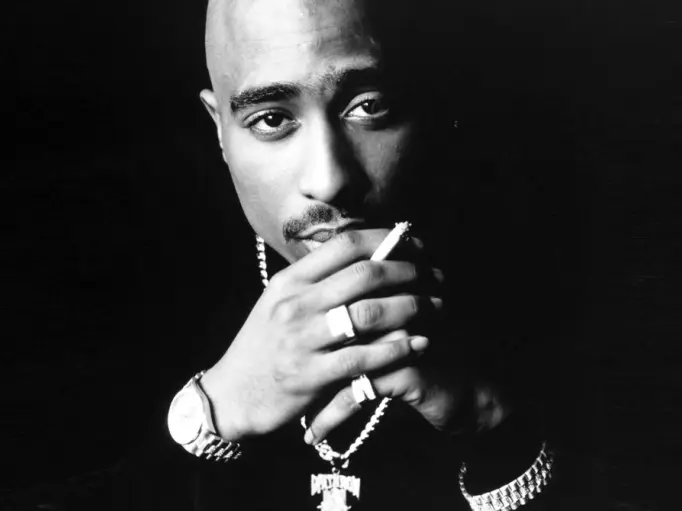
File image of Tupac Shakur
Tupac Shakur's murder case has finally found closure after 30 years. Former gang boss Duane ‘Keffe D’ Davis has been sentenced to 40 years in prison for orchestrating the rapper's muder.
30 years after rapper Tupac Shakur was murdered, former gang boss Duane ‘Keffe D’ Davis has been accussed of orchestrating his murder and sentenced to at least 40 years in prison.
The Tuesday sentencing came after a jury found Davis, 63, guilty in September of one count of murder with a deadly weapon for the rap superstar's death in a drive-by shooting in Las Vegas on 7 September 1996.
Davis has said he will appeal the verdict.
Prosecutors argued that although Davis did not fire the gun himself, but was the ringleader of the group that committed the murder. He admitted in his memoir that he had provided the gun used in the crime.
Davis' conviction is seen as a significant step in a cold case that has intrigued hip-hop fans for nearly 30 years.
Prosecutor Marc DiGiacomo argued during Tuesday's sentencing hearing that Davis spent years "publicly grandstanding" and bragging about his role on Shakur's death, which he said, "had wide-ranging effects upon the world".
Trending Stories
&imwidth=280&imheight=210&format=webp&quality=medium)
&imwidth=280&imheight=210&format=webp&quality=medium)
&imwidth=280&imheight=210&format=webp&quality=medium)
&im=FitAndFill=(700,400)&imwidth=280&imheight=210&format=webp&quality=medium)
&imwidth=280&imheight=210&format=webp&quality=medium)
&imwidth=280&imheight=210&format=webp&quality=medium)
&imwidth=280&imheight=210&format=webp&quality=medium)
&imwidth=280&imheight=210&format=webp&quality=medium)
&imwidth=280&imheight=210&format=webp&quality=medium)
&imwidth=280&imheight=210&format=webp&quality=medium)
&imwidth=280&imheight=210&format=webp&quality=medium)
&imwidth=280&imheight=210&format=webp&quality=medium)
&imwidth=280&imheight=210&format=webp&quality=medium)
&imwidth=280&imheight=210&format=webp&quality=medium)
&imwidth=280&imheight=210&format=webp&quality=medium)
&imwidth=280&imheight=210&format=webp&quality=medium)
&imwidth=280&imheight=210&format=webp&quality=medium)
&imwidth=280&imheight=210&format=webp&quality=medium)
&imwidth=280&imheight=210&format=webp&quality=medium)
&imwidth=280&imheight=210&format=webp&quality=medium)
&imwidth=280&imheight=210&format=webp&quality=medium)
&imwidth=280&imheight=210&format=webp&quality=medium)
&imwidth=280&imheight=210&format=webp&quality=medium)
&imwidth=280&imheight=210&format=webp&quality=medium)
&imwidth=280&imheight=210&format=webp&quality=medium)
&imwidth=280&imheight=210&format=webp&quality=medium)
&imwidth=280&imheight=210&format=webp&quality=medium)
&imwidth=280&imheight=210&format=webp&quality=medium)
&imwidth=280&imheight=210&format=webp&quality=medium)
&im=FitAndFill=(700,400)&imwidth=280&imheight=210&format=webp&quality=medium)
&imwidth=280&imheight=210&format=webp&quality=medium)
&imwidth=280&imheight=210&format=webp&quality=medium)
&imwidth=280&imheight=210&format=webp&quality=medium)
&imwidth=280&imheight=210&format=webp&quality=medium)
Shakur's sister, Sekyiwa Shakur, told the court on Tuesday, "The loss of Tupac, for a long time, crippled my family."He had so much promise, intentions for a better world.” She added that her brother had hoped to help his local community.
'You don't get to take a man from his family'
Sekyiwa Shakur requested the judge to give Davis the maximum sentence, telling Davis he will sit in prison and "contemplate what you've done to the world, not just to me".
Shakur's brother, Maurice Shakur, also addressed the court, asking the judge for "the longest possible sentence".
Davis was asked by Judge Carli Kierny if he had anything to say, to which he replied, "I'm good. I'm gonna appeal this case for sure."
"You don't get to take a man from his family. You don't get to take his very life, his whole future from him, and just walk away from it—especially when that man is Tupac Shakur. The world never forgot about him or his death," Judge Kierny told Davis before announcing the sentence.
The prosecution’s case rested heavily on Davis’s own self-incriminating statements, in which he repeatedly and publicly confessed to being present in the white Cadillac from which the fatal gunfire erupted.
Back in 2008, during a confidential law enforcement interview concerning the slaying of fellow hip-hop star Christopher Wallace (The Notorious B.I.G.)—who was killed in a drive-by shooting just months after Shakur—Davis had first disclosed his involvement in exchange for immunity from prosecution.
However, Davis went on to elaborate on his participation in his 2019 book, Compton Street Legend, which sparked widespread publicity and subsequent press interviews.
By publishing the book and giving interviews detailing his involvement in Shakur's assassination, Davis effectively breached the proffer agreement that had previously shielded him from criminal indictment. As a result, a judge ruled that his recorded police statements could be admitted as evidence during his murder trial.
More about Tupac Shakur
At the time of his death, Shakur was just 25 years old and at the pinnacle of his career as one of hip-hop's most influential figures. He has sold over 75 million albums worldwide.
For nearly three decades, the investigation into his murder endured as one of the most famous unsolved cases in American history, sparking endless conspiracy theories until Davis was finally convicted last month.
Throughout the legal proceedings, Davis's legal team attempted to convince the jury that his claims were purely fictional—a mix of bravado and hyperbole designed to boost book sales and generate revenue.
Conversely, prosecutors maintained that while Davis—a former leader of the South Side Compton Crips—did not personally pull the trigger, he directed the attack and supplied the weapon used by his nephew, Orlando Anderson, to open fire.
Anderson, who consistently denied any involvement in Shakur’s murder, was killed in an unrelated shooting in 1998.

