'Manto': Nawazuddin Siddiqui delivers a class act in a film that is for a selective audience

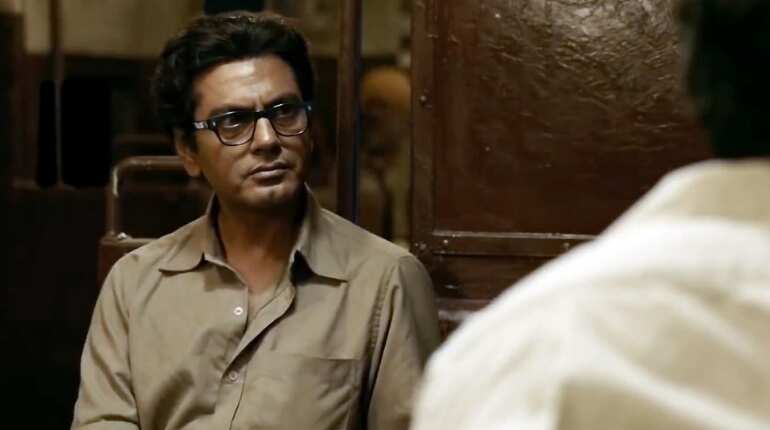
Manto
Its been 63 years since Saadat Hasan Manto breathed his last, but the man, his ideologies and his work remain relevant even in this day and age. His work was often deemed as 'obscene' but in reality, Manto wrote about the society at large and his work was merely a mirror to the society and its mindset. Set in an era when India and Pakistan were newly formed, filmmaker Nandita Das' biopic 'Manto' is strikingly modern in its approach.
The film opens in 1940s Bombay where Manto is a prolific screenwriter who hobnobs with some of the most prominent names of the film industry. India is on the brink of getting its independence and as certain people are packing bags to leave for their new country, Manto is quite sure that he will never leave Bombay, the city he loves so dearly.
Initially, nothing seems to deter his decision of staying back in India. But as the situation becomes grave and riots spill out on the streets, his belief starts dwindling. When his best friend Shyam, an actor in the early 1940s, mutters in anger that he would want to kill all Muslims and if needed even Manto, his worst fear comes true and Manto packs his bag and leaves for Lahore. While he is forced to adapt to his new home, the new country, his heart pines for Bombay where his parents and first born remain buried. He takes to alcohol and is charged for obscenity for his story 'Thanda Ghost'- trial for which continues for years. Addiction, lack of work, and a long legal battle drain him and his family financially.

Das present two very strikingly different sides of the writer. The first half is of a self-assured man, who is rather brash, slightly overconfident about his future and a very idealistic who knows his stories make people uncomfortable. In the second half, as he is forced to move to Pakistan post-partition, he is far more troubled, depressed as his works get rejected and rebuffed and alcohol addiction takes him away from his wife and daughters. Manto's pen may be sharp, may depict the horrifying effects of partition but as a family man, he fails to keep things together.
)
US vs China over South China Sea: Washington backs Philippines, Beijing hits back
)
Bigg Boss 20: Isha Rikhi evicted after three weeks in Salman Khan’s show
)
Musk plans to more than double xAI's chips to over 1.2 million Nvidia GPUs by year-end
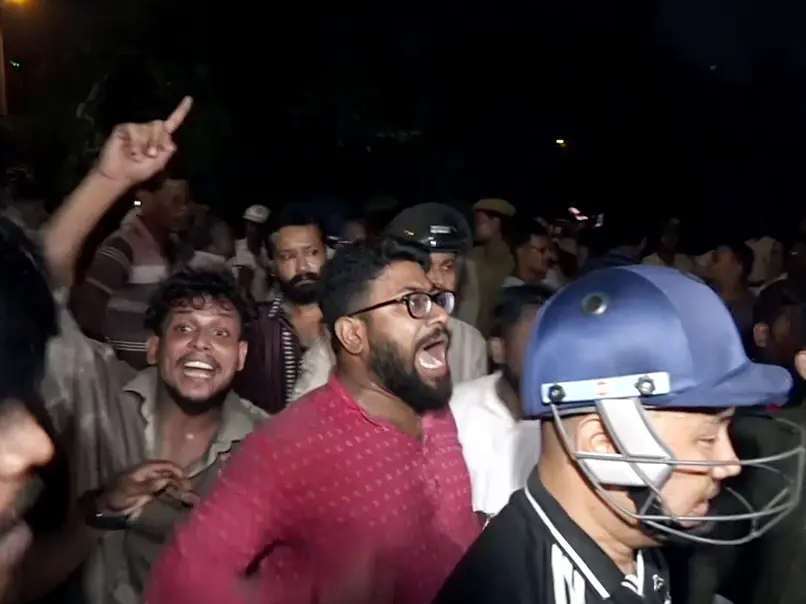)
After JU, clash erupts at SRFTI: BJP’s ‘Dimagi Naxal’ jibe sparks political firestorm after students protest RSS-linked event
)
‘Anti-social elements spreading false rumours’: LPU issues statement amid massive unrest over alleged rape
)
LPU students go on rampage, vandalise campus amid widespread protest: What's happening
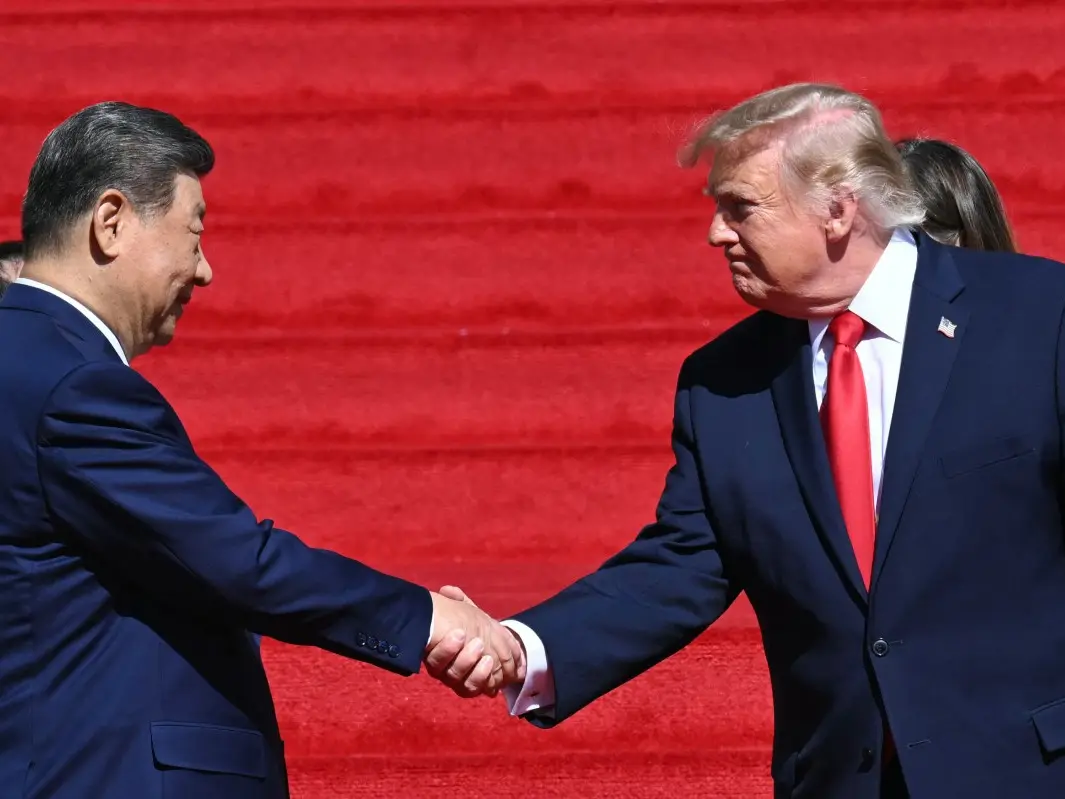)
Trump asked Xi to pressure Iran. China did not say yes — here’s what Beijing wants
)
US Treasury Secretary Scott Bessent hails global crackdown on Iranian banks and airlines
)
An OpenAI agent escaped its locked test cage again, by hiding questions in DNS lookups
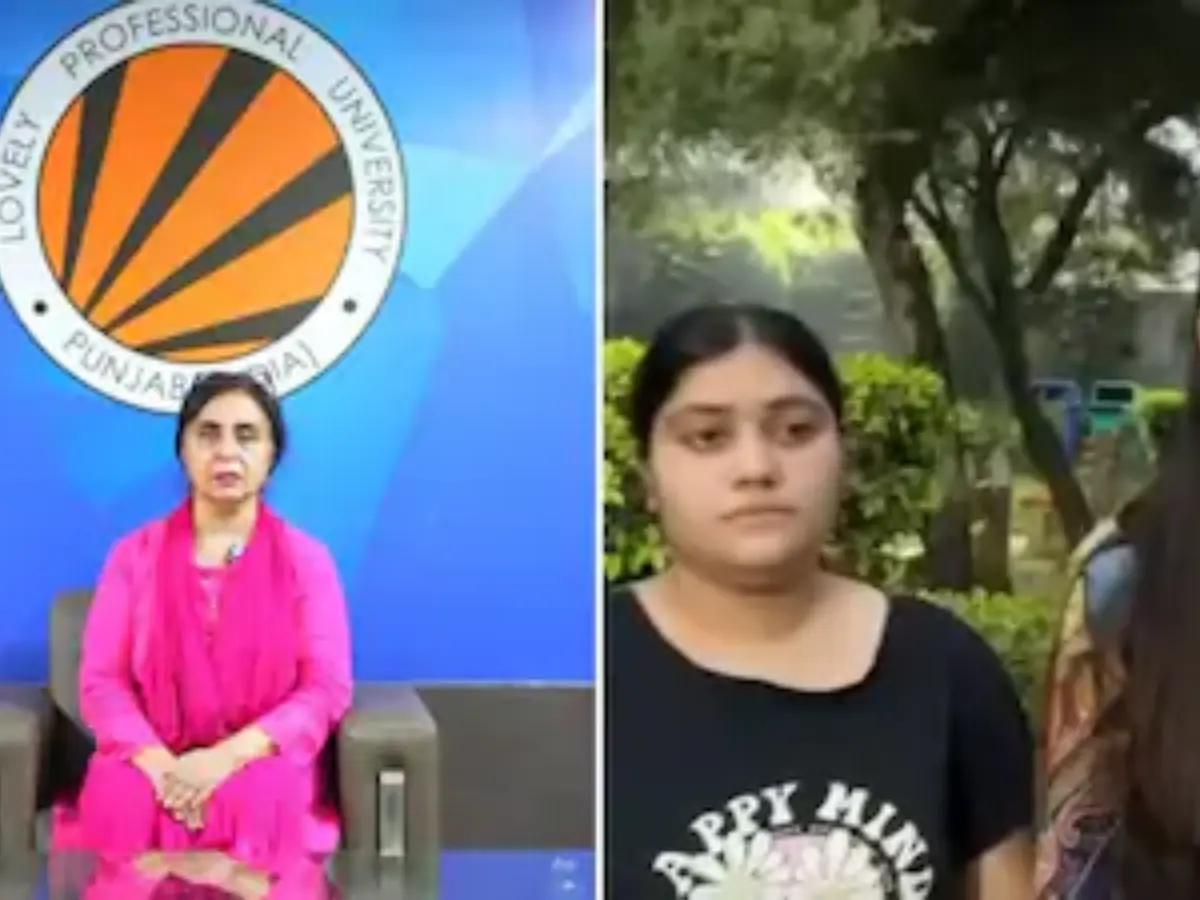)
'Our video was trimmed': LPU girls who featured in rape-denial video make U-turn
)
3 males killed, four others injured in shooting after fight at strip club in Detroit
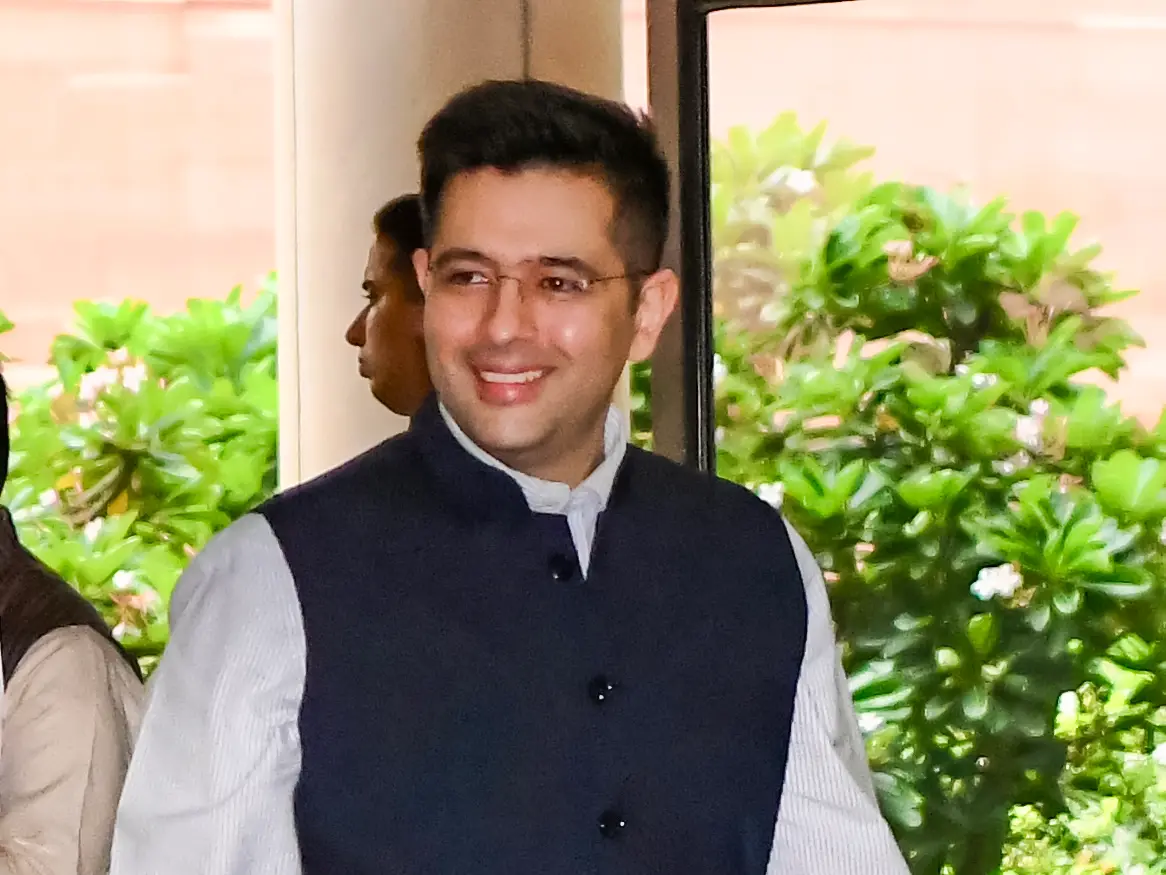)
'Victory for low-budget consumers': Raghav Chadha hails 30-day telecom recharge rules
)
Claude rebuilt the 1989 game 'Prince of Persia' by reusing the original's own code
)
Beyond metros: How Tier-2 and Tier-3 cities could drive India’s next AI wave
)
Tesla builds first Cybertruck with its own refined lithium: Elon Musk's $1 billion Texas bet pays off
)
IndiGo flight suffers tail strike in Bengaluru while landing; DGCA to probe incident
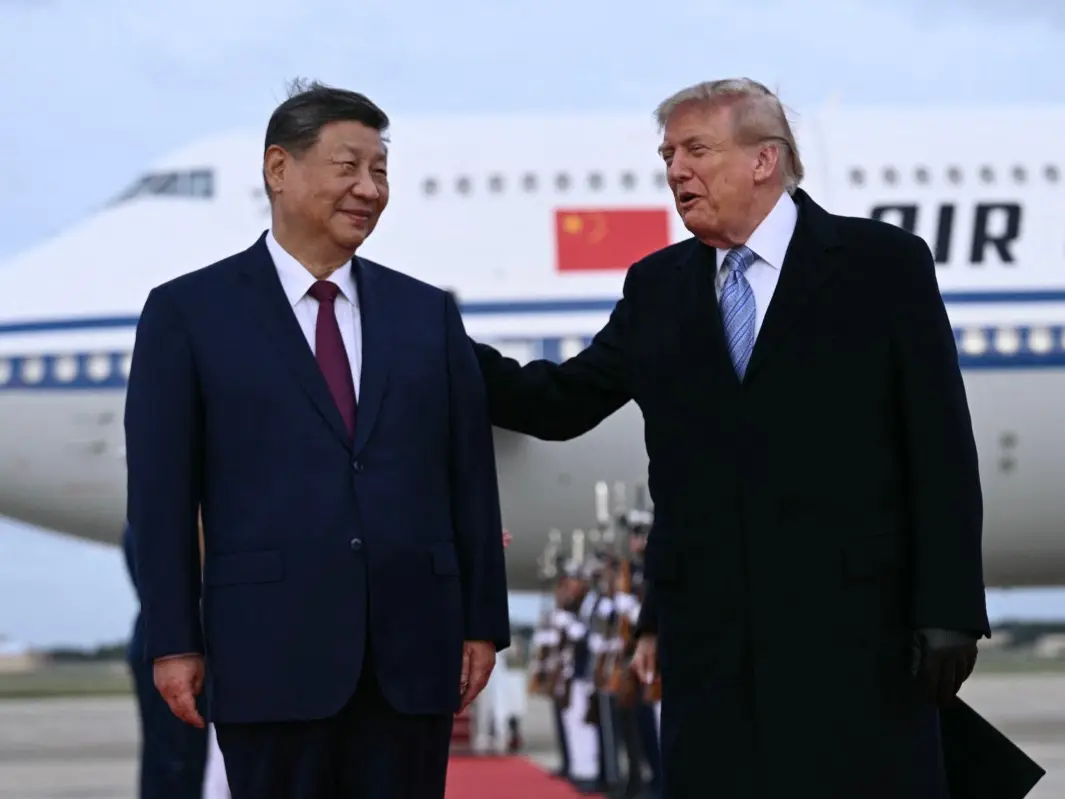)
The US and China set up an AI 'red telephone', but skipped the rulebook
)
‘Terror suspects arrested near UK air base were looking to do big damage’: Trump
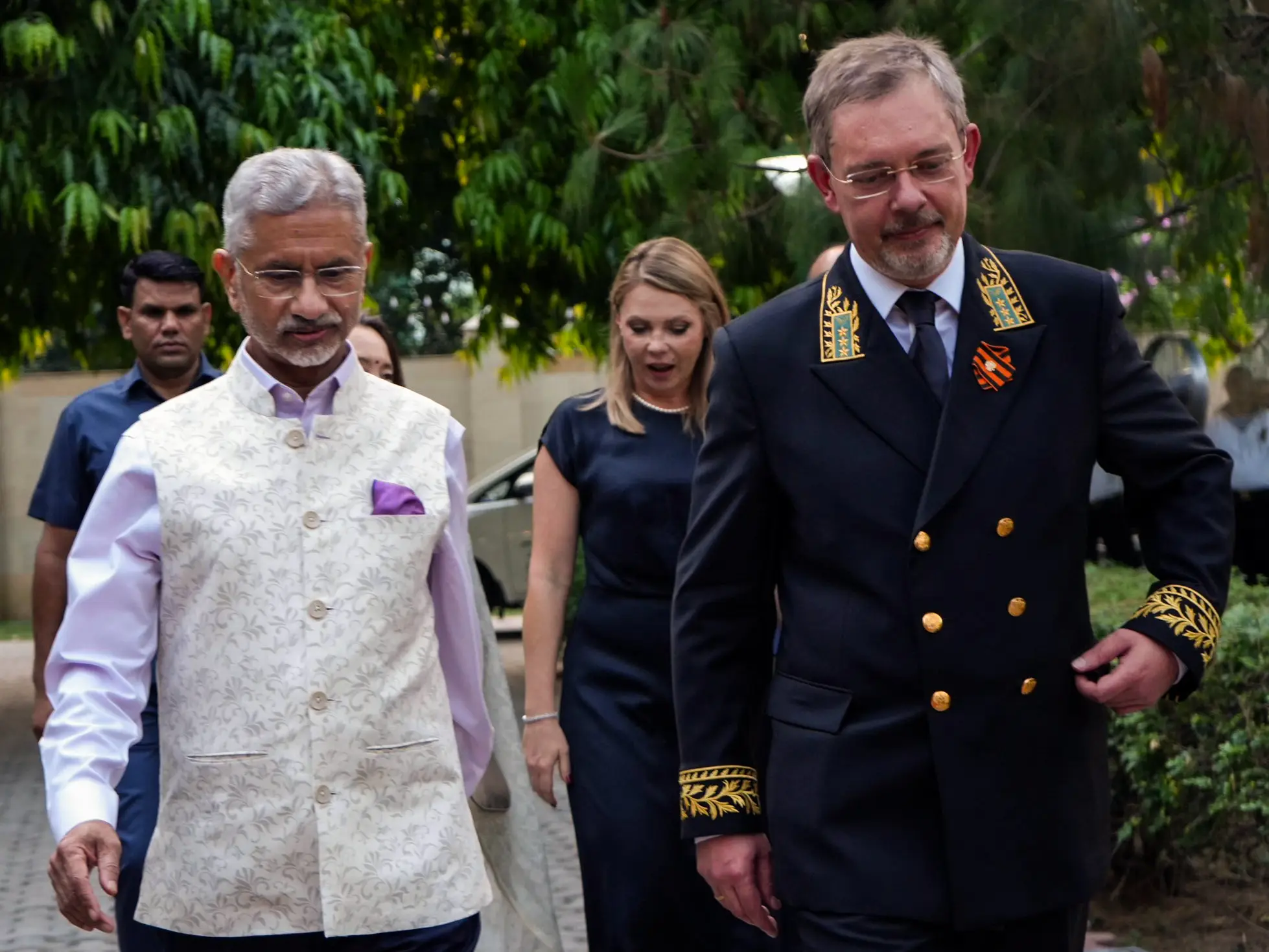)
Russian envoy claims US tactics to contain India were revealed in ‘Freudian slip’
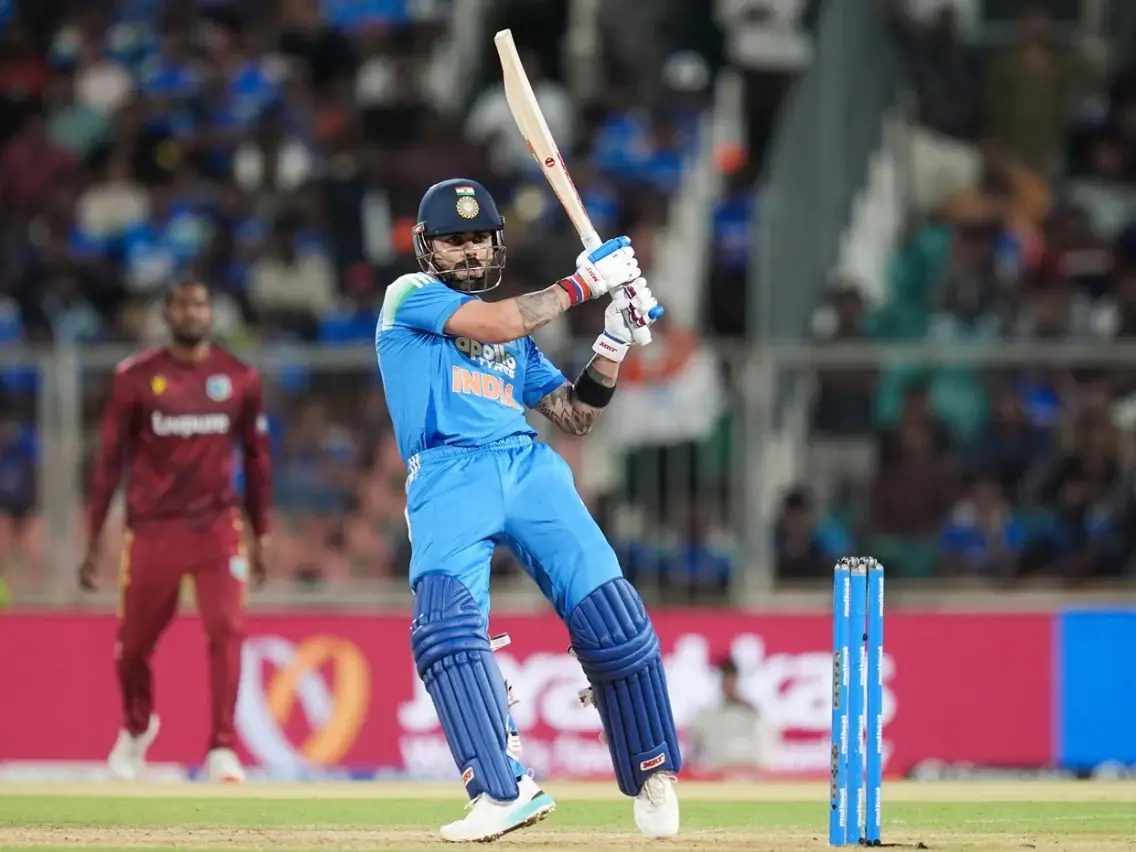)
IND vs WI 1st ODI: Kohli breaks Sachin's most runs in one country record with unbeaten 139 as India thump West Indies by 8 wickets
)
Researchers rebuilt exactly how 700 AI agents hacked Hugging Face: a 900-link chain trick
)
‘Olympic inclusion is our major target’: WPA President Ishaun Singh on pool’s global ambitions
)
Nations League: Spain sink England at Wembley; Modric shines for Croatia
)
Why has Iran released no proof of life of Mojtaba Khamenei? Araghchi reveals...
)
'What kind of confession is this?': Pakistan PM Shehbaz Sharif’s 'terrorists would be roaming New York' remark goes viral, raises alarm online. Watch
)
South Korea demands apology from Ukraine over North Korean prisoners' transfer
)
Beyond BrahMos: India targets Rs 50,000 crore in defence exports with unmatched price edge
)
Sri Lankan Tamil migrant worker gets death sentence in Saudi Arabia, help sought from India
)
Muslim marriage cannot shield sex with minor wife from prosecution under POCSO: Delhi HC
)
'Can't help but draw painful parallels to Nirbhaya case': SC on latest incidents of rape cases in Delhi-NCR
)
99.9% more powerful - Scientists find boy who can recall memories from just 3 months of age
)
'FIRST LOOK from inside Noah’s Ark': Researchers share video from inside mysterious mound in Turkey
)
UNSC reform momentum grows: Russia, Portugal, Mauritius push for India's permanent seat bid
)
8 US marines injured in Iranian missile attack on vessel in Strait of Hormuz: Report
&im=FitAndFill=(700,400))
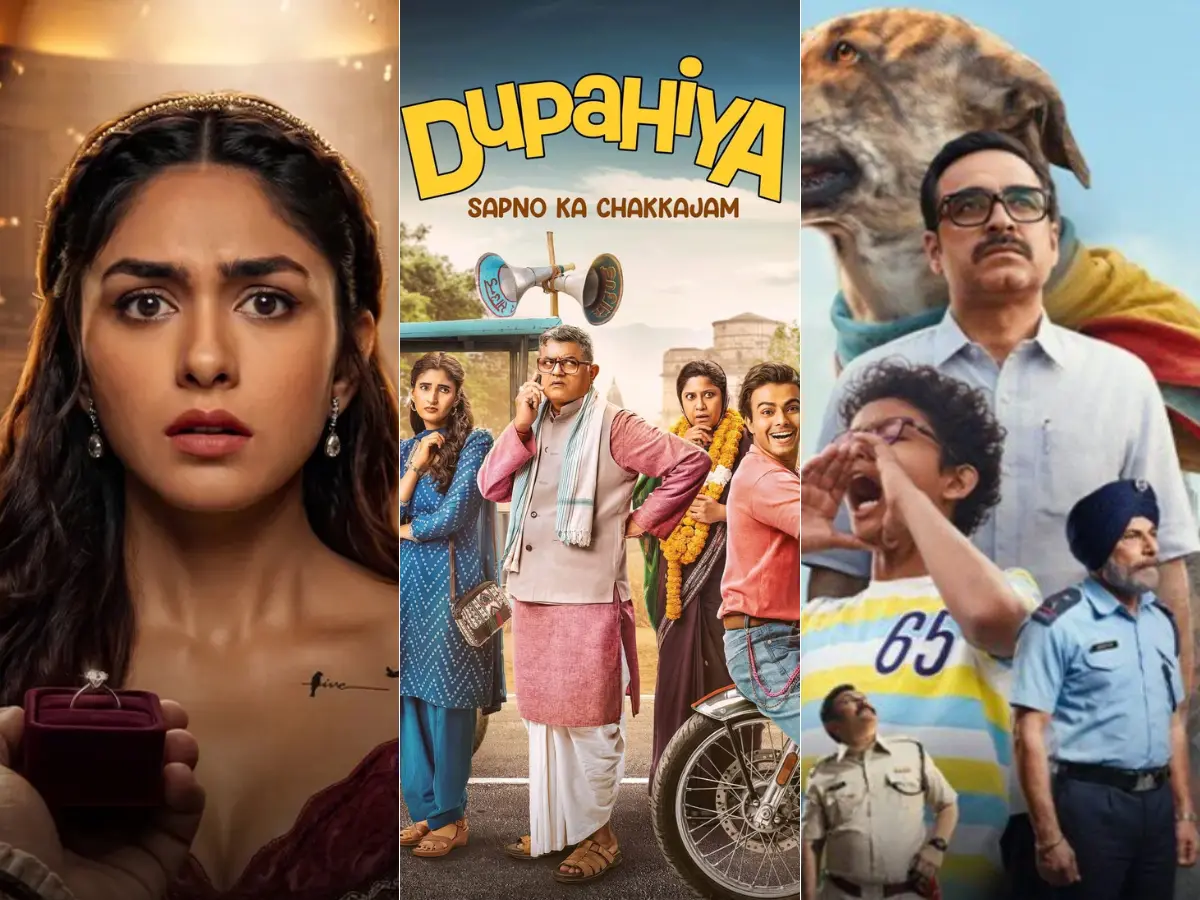
New OTT releases this week (September 28-October 4, 2026): Dupahiya 2, Pooja Meri Jaan, Ohh My Dog- 5 titles coming on Netflix, Prime Video and more
)
Afghanistan says 28 fighters killed in clash near Pakistan border, Islamabad denies
)
Ceuta migrant crisis: Protesters take to streets as Spain grapples with migrant challenge
)
LPU suspend classes, postpones exams as violence escalates over rape claims: What's happening
)
New York City wants a 'kill switch' on every AI, and will pay whistleblowers who report violations
The film's narrative is non-linear and the filmmaker blurs the lines between realism and fiction. A lot of Manto's popular stories like 'Khol Do', 'Dus Rupay Ka Note’, ‘Sau Watt Ka Bulb’, ‘Khol Do’, ‘Thanda Gosht’ and ‘Toba Tek Singh’ are infused into the story. As Manto roams around the city (First Bombay and then Lahore) for inspiration, these stories are played out in front of him giving the audience a sense of how Manto picked up the stories that a lot found blasphemous.
One can sense how inspired and influenced Das has been by Manto's life and works but she doesn't really portray him as a hero. Instead tries to humanize him, and show his flaws.
She also manages to get some formidable actors to play prominent cameos in the film. Rishi Kapoor, Paresh Rawal, Tilotamma Shome, Purab Kohli, Ila Arun, Ranvir Shorey, Divya Dutta, Gurdas Mann, Vinod Nagpal, Chandan Roy Sanyal, Neeraj Kabi, and even Javed Akhtar- all make small appearances in the film either as Manto's characters or as people he meets in his life. Tahir Raj Bhasin plays Shyam, Manto's dear friend who becomes a huge film actor post-independence and always remains guilty of sending Manto off to Pakistan. While it is difficult to match up to Nawazuddin's powerful performance, but Bhasin exudes a certain likeability for his character making one feel sympathetic towards Shyam.
Amid so many prominent cameos, it is Nawazuddin Siddiqui who stands out the most. He is Manto, a self-assured man who degrades into a hallucinating alcoholic and whose pride doesn't let him take up odd jobs. Nawazuddin, who has for years played a certain kind of character- belonging to the lower rung of the society- transforms himself into the polished, charismatic, witty writer with much elan. He makes Manto even more fascinating, more attractive, fierce. It's his performance that holds your attention the most.
The other star who clearly shines in her limited screen time is Rasika Dugal who plays Safia, Manto's wife and the only person who remains a support for the writer in his dark days. She emotes through her eyes and provides the calmness to Manto's feisty temperament.
The film though is for a select audience- an audience that understands the social milieu of the 1940s and can draw parallels to the present day situation. Press censorship, religious intolerance, curb in creative liberty are things that existed even back then and exist even now. But it is for the viewer to make that connection. 'Manto' also uses Urdu in abundance- a language that may sound beautiful but for a bigger part of the audience a little difficult to comprehend. I found myself looking at the subtitles ever so often instead of listening to what the characters were saying.
At 116 minutes, 'Manto' is mostly crisp storytelling. For those who have followed the man and his work, it may not offer anything new. Wish, they flexed out his relationship with his family a bit more- a side that is not known so much.'Manto' also doesn't spell out a lot of things- so it takes time to absorb and understand the era, the language of the film. It needs time and patience to understand and relate to much like the writer himself whose work may have been shunned back then but with time has become poignant and relatable.

