

&imwidth=800&imheight=600&format=webp&quality=medium "Rath Yatra's sacred tradition: Why does Lord Jagannath visit his aunt's house every year?")
The Jagannath Rath Yatra officially began in the holy city of Puri, Odisha, a south-eastern city, on July 16. The massive nine-day festival of chariots, running through to the return procession (Bahuda Yatra) on July 24, is celebrated on the second day (Dwitiya Tithi) of the waxing moon in the Hindu month of Ashadha. But do you know one of the oldest traditions followed every year is when Lord Jagannath visits Aunt's temple in Puri?
What is the story behind Lord Jagannath visiting Aunt's temple in Puri?
Lord Jagannath visits his aunt's temple (Mausi Maa Temple) every year during the Rath Yatra festival, but this event takes place in Puri, Odisha, not in Dharmasthala. Dharmasthala is a prominent temple town in Karnataka known for the Sri Manjunatha Temple. The "aunt's temple" is known as the Gundicha Temple. It is located about 3 kilometres from the main Jagannath Temple. During the Rath Yatra, Lord Jagannath, along with his brother Balabhadra and sister Subhadra, rides in massive, newly constructed wooden chariots to the Gundicha Temple.
According to sacred traditions, the Gundicha temple is associated with Queen Gundicha, the devoted wife of King Indradyumna, who is believed to have played a significant role in establishing the worship of Lord Jagannath.

Trending Stories
&imwidth=180&imheight=135&format=webp&quality=medium)
Viral video shows cross falling on Colombia priest, no official confirmation | WATCH
&imwidth=180&imheight=135&format=webp&quality=medium)
Rafale Marine fighter begins flight trials in Goa ahead of Indian Navy induction
&imwidth=180&imheight=135&format=webp&quality=medium)
Ranbir Kapoor apologises for Dussehra speech slip, clarifies remark at Ramayana event
&imwidth=180&imheight=135&format=webp&quality=medium)
Meta slapped with $25 billion fine in New Mexico over Facebook data practices, company plans appeal
&imwidth=180&imheight=135&format=webp&quality=medium)
WATCH: Woman IPS officer fires several rounds of AK-47, ignites debate online
&imwidth=180&imheight=135&format=webp&quality=medium)
WATCH | Mysterious haze grips Ohio city as toxic chemical leak forces mass evacuation – What is happening?
&imwidth=180&imheight=135&format=webp&quality=medium)
EU probes Booking.com under Digital Services Act
&imwidth=180&imheight=135&format=webp&quality=medium)
Pakistan signs another defence pact even as Makkah Alliance shows no teeth. This time, it's with Qatar, Indonesia, Turkey
&imwidth=180&imheight=135&format=webp&quality=medium)
Kim Jong Un death rumors explode | China accused of secretly sending troops to Pyongyang
&imwidth=180&imheight=135&format=webp&quality=medium)
Ilhan Omar breaks silence over alleged marriage to her brother; Trump thinks it's 'really good answer'
&imwidth=180&imheight=135&format=webp&quality=medium)
US-Iran war: Bibi, Trump gamble on new Iran war to save themselves in polls
&imwidth=180&imheight=135&format=webp&quality=medium)
From Agni-V to Project Kusha: How are India’s indigenous missile systems and defence shield reshaping modern warfare
&imwidth=180&imheight=135&format=webp&quality=medium)
Will Rohit and Kohli play ODI World Cup 2027? BCCI president Manhas says board 'not in a position to comment'
&imwidth=180&imheight=135&format=webp&quality=medium)
Why websites around the world are suddenly going offline? What you need to know about PHP
&imwidth=180&imheight=135&format=webp&quality=medium)
1 killed, several injured in attack on Saudi Arabia's King Fahd airport
&imwidth=180&imheight=135&format=webp&quality=medium)
US midterms 2026: What polls and prediction markets indicate about Congress
&imwidth=180&imheight=135&format=webp&quality=medium)
'You are a dummy, you are a stupid person': Trump loses temper with CNN, ABC reporters after questions about Russia sanctions
&imwidth=180&imheight=135&format=webp&quality=medium)
China's dancing robot turns violent bodyguard, lifts cars and fights intruders - Watch
&imwidth=180&imheight=135&format=webp&quality=medium)
16-foot doomsday fish in Chile triggers fears that the next earthquake is coming
&imwidth=180&imheight=135&format=webp&quality=medium)
Are the US and Israel preparing for another major attack on Iran? Here's what report claims
&imwidth=180&imheight=135&format=webp&quality=medium)
Priyanka Chopra celebrates Dussehra 2026 with Nick Jonas and daughter Malti Marie | See pics
&im=FitAndFill=(700,400)&imwidth=180&imheight=135&format=webp&quality=medium)
New OTT releases this week (October 19-25, 2026): Gajab Raat to Chaar Yaar-8 titles to watch during Dussehra week on Netflix, Prime Video and more
&imwidth=180&imheight=135&format=webp&quality=medium)
‘I caution the president...’: Trump’s ex-press secretary warns after Zacharia’s exit
&imwidth=180&imheight=135&format=webp&quality=medium)
'Father of all bombs' vs 'mother of all bombs': Iran threatens US with new weapon as Trump hints at MOAB strike
&imwidth=180&imheight=135&format=webp&quality=medium)
Australia police arrest former national 100m champ Jake Doran for alleged child abuse
&imwidth=180&imheight=135&format=webp&quality=medium)
Diljit Dosanjh's Oct 30 Delhi show hits roadblock, Delhi Police denies permission
&imwidth=180&imheight=135&format=webp&quality=medium)
'Gyanu must go': CJP's Saurav Das, Ashutosh Ranka after release, despite Jantar Mantar protest undertaking
&imwidth=180&imheight=135&format=webp&quality=medium)
Hunger makes alcohol more appealing, study finds
&imwidth=180&imheight=135&format=webp&quality=medium)
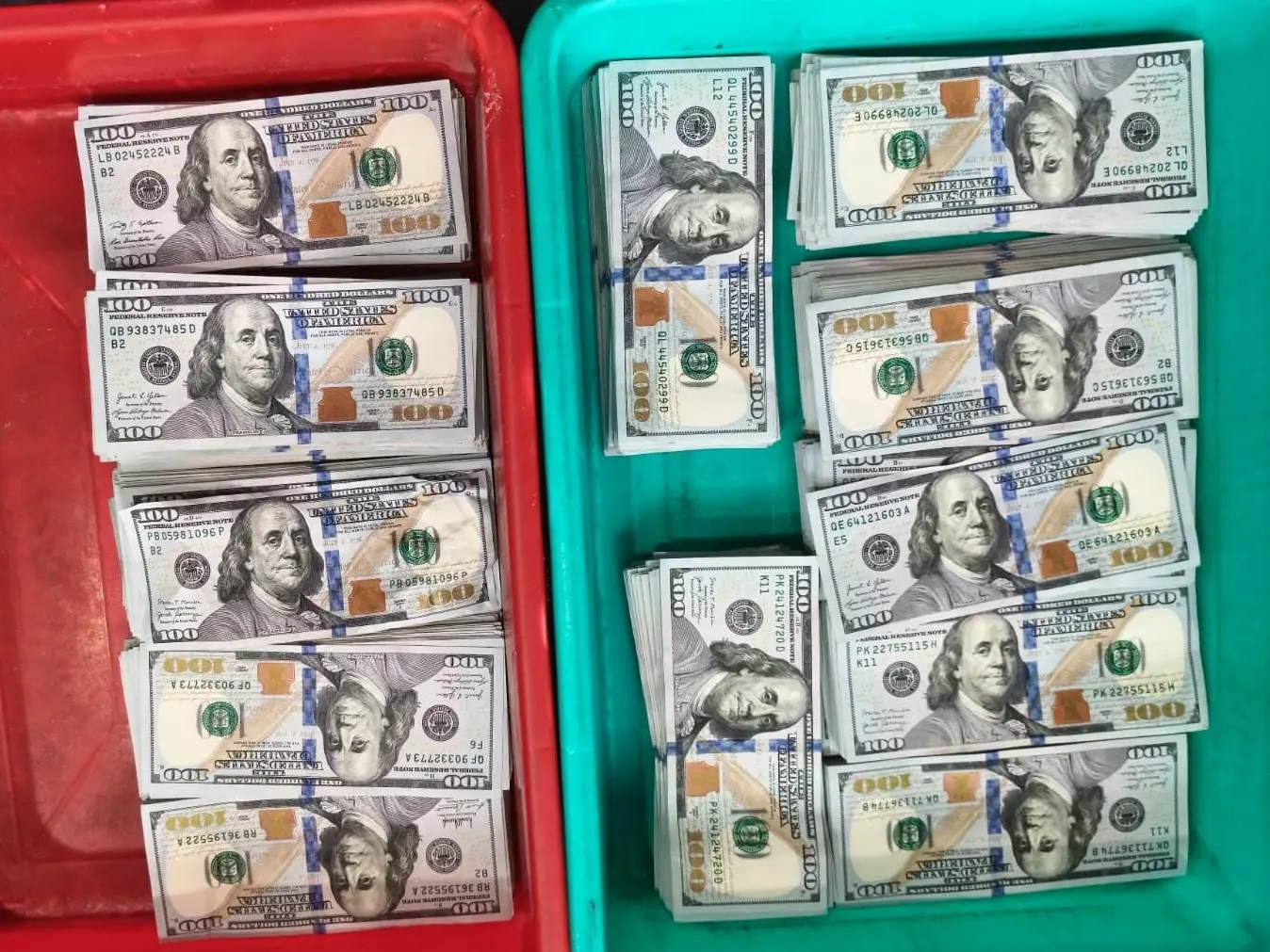
Kolkata airport: CISF detects ₹1.13 crore in US dollars hidden in bags of 2 Bangkok-bound passengers
&imwidth=180&imheight=135&format=webp&quality=medium)
Feds obtain DNA evidence that could prove Ilhan Omar married her brother: Report
&imwidth=180&imheight=135&format=webp&quality=medium)
US midterms 2026: Trump's approval rating hits record low as Democrats gain ground
As per the legend in several reports, Devi Subhadra expressed a strong desire to visit her aunt (Queen Gundicha). To fulfil her wish, Lord Jagannath and Lord Balabhadra placed her on a chariot and embarked on a grand journey from the main shrine (the Jagannath Temple in Puri, Odisha) to the Gundicha Temple. Another legend suggests that the Gundicha Temple is the exact place where Lord Brahma created the original wooden idols. Thus, the aunt’s house is also celebrated as the birthplace of the deities.
On their way back to the main temple (Bahuda Yatra), the chariots stop at the Mausi Maa Temple (the aunt's shrine). Here, the deities are lovingly offered a traditional baked sweet delicacy called Poda Pitha. During the Rath Yatra, the deities step out of the sanctum to bless everyone. This symbolises that in the eyes of the divine, there are no boundaries of caste, creed, or social status.
Why does Lord Jagannath stay away from the Jagannath Temple during Rath Yatra?
Right before the Rath Yatra, following a grand ceremonial bath during Snana Yatra, the deities supposedly catch a fever and are kept in a special sick room. For about 15 days, they stay away from public view while being treated with herbal medicines and special diets.
One of the most interesting aspects of Rath Yatra is that Lord Jagannath does not immediately return to His main temple. He leaves his sanctum sanctorum during the annual Rath Yatra to bless devotees who cannot enter the temple and during the Anasara period, when the deities ritually fall ill and are confined to a sick room to recover from the exhaustion of the Snana Yatra.

