Why all newly-married couples must focus on fertility education? Fertility 101

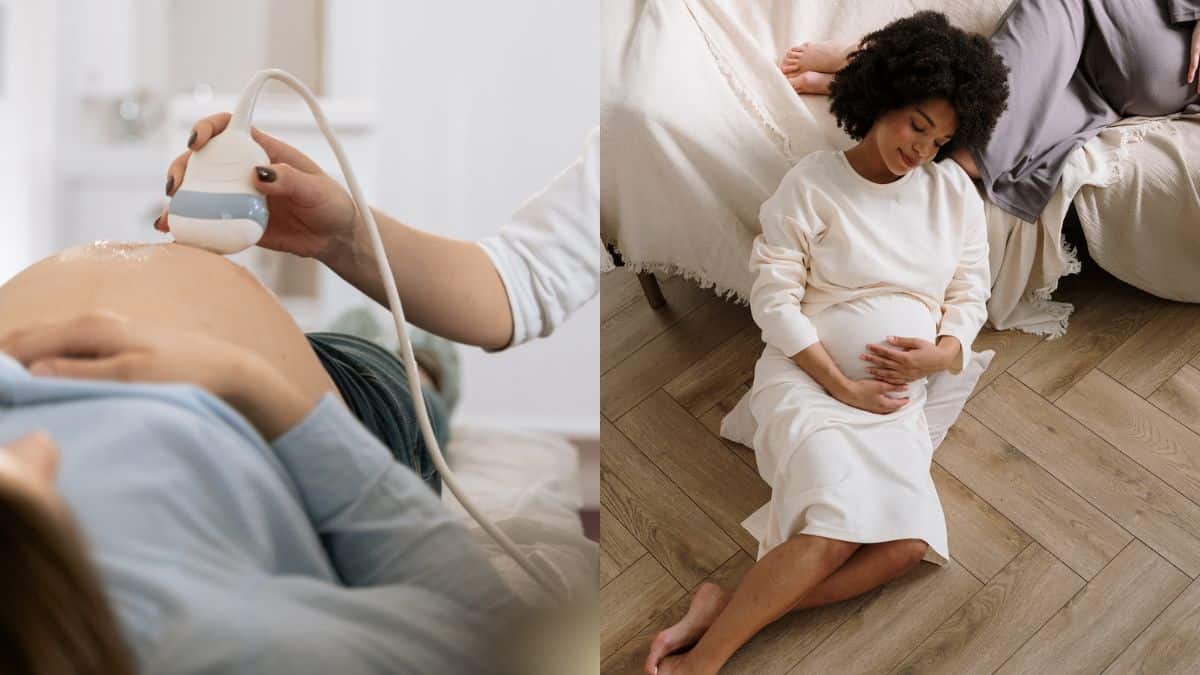
Need for fertility health education among newly married couples
Fertility rates are decreasing at a plummeting rate and have become a matter of concern worldwide. Several recent WHO and UN reports have shed light on fertility concerns, highlighting the need for appropriate measures and timely actions. According to recent research, about 17.5 per cent of the adult population in the worldexperience infertility. Factors such as couples marrying later in life, increased pollution, lifestyle changes, and financial stress have led to delayed parenthood for many.
With the help of comprehensive fertility health education, newly married couples can better understand the factors affecting their fertility, take proactive steps to optimise their reproductive health and seek appropriate assistance, if needed.
Fertility education and tests shedlight on underlying dangers and help couples make well-informed decisions in future. It can offer valuable insights into reproductive health, including identifying potential obstacles to future pregnancies and gaining a better understanding of one's biological clock.

Female Infertility
Some common female infertility conditions include:
Fallopian Tube Blockage: Scarring or blockages in the fallopian tube can make it difficult for the sperm to reach the egg and fertilise. Furthermore, fallopian tube damage is a by-product of infections such as pelvic inflammatory disease or ectopic pregnancy. Around 20 per cent of infertility cases involve fallopian tube blockage as their main cause of infertility.
)
Gaza under attack: Health chief's son killed in IDF strikes
)
Iran sets 7 conditions to end war with US: What are Tehran’s demands?
)
Nigeria: Protesters take to the streets, police fire shots
)
‘End of my career...’: NSA Doval recalls tense Sikkim mission when China captured Indian intelligence team
)
Flying cars in UAE: Ras Al Khaimah signs deal with Chinese company to test new transport
)
Kampala-Ankara rift deepens: Uganda suspends military ties, seeks Fred Lumbuye's extradition
)
Trump 2.0: Dark days ahead for America’s ‘imperial presidency’
66 years of the Indus Waters Treaty: How India and Pakistan settled a bitter river dispute
&im=FitAndFill=(700,400))
‘Not the US or China’: These are the countries leading the world in arable land
)
Arvind Kejriwal, family members, Delhi CM Rekha Gupta get SIR notices
)
Mark Carney mimics Trump in hilarious moment over C$70 billion clean-energy investment; room erupts in laughter
&im=FitAndFill=(700,400))
Meet top 5 Indian batters with fastest T20I centuries
)
US-Iran war: Tehran draws red lines — seven demands before any peace talks
)
Russia-Europe tensions: Polish PM warns Russian attacks could test NATO's unity
)
China may have gained access to US's classified F-35 jets; parts meant for repairs diverted to Hong Kong, sparking Pentagon inquiry
)
Russia holds first parliamentary elections since the beginning of the Ukraine war
)
Trump bans CNN, MS NOW and Politico from White House over ‘FAKE NEWS’
)
9 women found dead near Johannesburg: South Africans rally, demand 'enough' to femicide
)
Harry Brook targets long reign at top of T20I rankings after Sri Lanka sweep
)
Delhi voter roll shake-up: 3.31 million electors flagged in SIR review
Russia attacks Ukraine with 174 drones, kills 8; 2 vessels hit in Black Sea
)
Cochin shipyard starts building Indian Navy's next-gen missile vessels
)
Ed Sheeran addresses Macklemore's removal, Gaza conflict during Philadelphia concert: 'I cannot hide how I feel'
)
The Verdict | When precision fails: US commits war crime in Minab school strike, UN finds
)
Trump defends AI amid growing alarm, announces new 'AI force' and promises an 'AI czar'
)
US-Iran war: Tehran sets seven conditions to re-engage in talks with US
)
Trump wants to rename ‘Artificial Intelligence’, gives 3 options: Which one would you pick?
)
Trump announces ‘AI Force’ as debate grows over AI risks and regulation
)
Africa is splitting, and a lot sooner than estimated, giving way to a new ocean
)
Report: Iran rebuilding Taleghan 2, nuclear site tied to past weapons research, hit twice by Israel
)
EXCLUSIVE | Singer Hanita Bhambri on her Toxic debut, working with Vishal Mishra and more
)
Reacher star Alan Ritchson opens up about alleged blackmail, suicide attempt during difficult period
&im=FitAndFill=(700,400))
How many F-35s does Britain, Japan and Israel have?
)
Raphinha hat-trick powers Barcelona to 3-1 win over Sevilla in La Liga
)
Aravana prasadam shortage at Sabarimala temple in Kerala triggers protests, TDB questioned
)
Saudi vs Houthis: Houthis claim missiles & drones used in attack on key Saudi sites
)
‘Will go to any extent’: Pakistan vows to defend Saudi Arabia amid Houthi attacks
)
Russia's deadly Ukraine strikes kill 2 in Sumy, hit Dnipro mall
)
)
Endometriosis: Endometriosis is a condition in which uterine lining tissue grows outside the uterus, most commonly on the ovaries, fallopian tubes, bladder, and/or colon. In some instances, women with endometriosis may not experience any painful symptoms, and diagnosis often requires a laparoscopy or an outpatient surgical procedure.
Endometriosis can lead to the formation of scar tissue between the uterus, ovaries, and fallopian tubes, which can impede the movement of the egg into the fallopian tubes. Additionally, it can give rise to endometrial cysts within the ovaries, obstructing the release of the egg or its collection by the fallopian tube.
Ovulation Problems: Ovulation occurs when healthy eggs are released, which are then fertilised by the sperm. Problems in the ovulation process often stem from hormonal imbalances. The hormones LH, FSH, and estrogen, which are essential for initiating egg release in each menstrual cycle, can disrupt ovulation if they are released at incorrect times or in improper quantities. Irregular or absent periods are the primary indications of obstacles in the ovulation process.
PCOS: Polycystic ovarian syndrome (PCOS) affects approximately 10 per cent of reproductive-aged women worldwide. This condition results in a hormonal imbalance that prompts the body to produce excess testosterone, leading to potential difficulties with ovulation. Women with PCOS may exhibit symptoms such as irregular or absent periods, excess body weight, excessive hair growth on the body or face, and acne.
Uterus Problems: When an egg is unable to attach to the uterine wall properly, it cannot develop into a viable fetus. Issues with the uterus can arise from factors such as fibroids or polyps, which are non-cancerous growths originating from the uterine wall. Depending on their size and location, these growths may have an impact on fertility. Additionally, scar tissue within the uterus resulting from infection, miscarriage, or abortion could also be a contributing factor. Unexplained lower abdominal pain or bloating could be indicative of uterine problems that may affect fertility.
STIs and AutoImmune Diseases: STIs such as chlamydia and gonorrhoea, and diseases such as lupus, diabetes, thyroid disease, and rheumatoid arthritis can interfere with one’s ability to conceive.
Underlying Health Conditions: Other potential causes of infertility in women may involve conditions such as uterine fibroids, immune system disorders, kidney disease, and diabetes, as well as premature menopause, among others.
Male Infertility
Some common male infertility conditions include:
Sperm Mobility Problems: The quantity of sperm released during ejaculation, known as sperm count, greatly influences the likelihood of conception. Men with a sperm count of 10 million or less per millilitre of semen may face more fertility challenges compared to those with a normal sperm count of 20 million or more per millilitre of semen.
A low sperm count is referred to as oligospermia, while the absence of sperm production is known as azoospermia. Issues with sperm mobility can arise due to various factors, including hormonal imbalances involving testosterone or other hormones, abnormalities within the testicles, exposure to specific environmental toxins or chemicals, certain medications such as steroids, genetic conditions, infections like chlamydia and gonorrhoea, or cancer.
Sperm Production Problems: It may seem obvious, but for sperm to reach the egg, it must be expelled from the penis. Male infertility can occur when there are issues or obstructions preventing this process. The causes of such issues include sexual problems like premature ejaculation or erectile dysfunction, retrograde ejaculation (when semen flows back into the bladder instead of being ejaculated through the penis), and blockages in the testicles or the tubes responsible for carrying sperm.
Heat Exposures: Regular use of saunas, steam rooms, hot tubs, whirlpools, and hot baths can temporarily hinder sperm production and diminish sperm count.
Underlying Health Conditions: Men with a medical history of genital infections, mumps occurring after puberty, hernia surgery, undescended testicles, or scrotal varicose veins (varicocele) may also encounter a reduction in fertility.
(Inputs byDr Vandna Narula, Senior Consultant -Fertility & IVF, Motherhood Fertility & IVF, Chandigarh)
WATCH WION LIVE HERE
You can now write for wionews.com and be a part of the community. Share your stories and opinions with us here.