The gut-skin connection! Unravelling the link between bad gut health and psoriasis

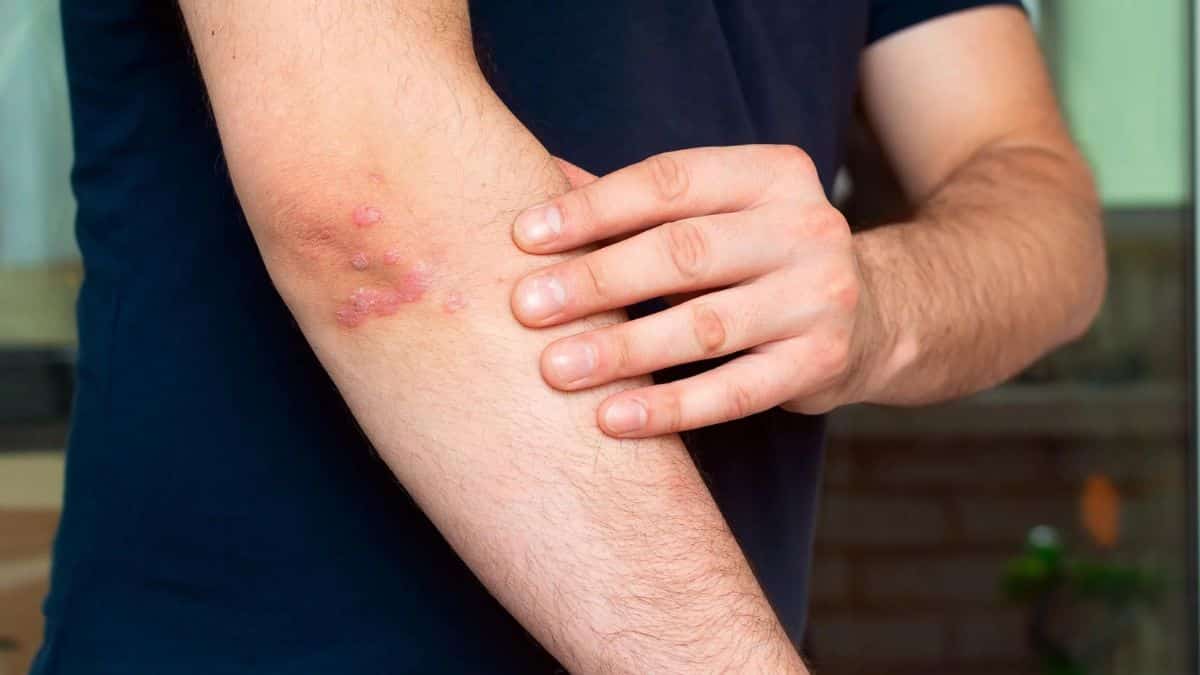
Psoriasis and gut health: Is there a link?
Psoriasis is a chronic skin condition that affects millions of people worldwide. It is characterised by red, scaly patches on the skin known as plaques, which can appear anywhere on the body but are commonly found on the elbows, knees, scalp, and lower back. The severity of psoriasis varies among individuals, with some experiencing mild, occasional flare-ups while others endure constant, extensive coverage. Thevarying degreeof severity highlights the need for comprehensive understanding and treatment. While genetics and environmental factors play a significant role in its development, recent research has shed light on the intriguing connection between gut health and psoriasis.
Factors contributing to psoriasis and gut health link
Psoriasis is a complex condition influenced by a combination of genetic, immune, and environmental factors. Recent investigations have revealed a fascinating connection between gut health and the onset or exacerbation of psoriasis. The gut microbiome, a diverse community of microorganisms residing in the digestive tract, plays a pivotal role in maintaining overall health. When the balance of this microbiome is disrupted, it can have far-reaching effects on various bodily systems, including the immune system.

The gut-skin axis, a bidirectional communication system between the gut and skin, has gained attention for its potential influence on psoriasis. Research suggests that an imbalance in the gut microbiome, known as dysbiosis, can trigger inflammation and immune responses that contribute to psoriasis development. In individuals with psoriasis, there appears to be an increased permeability of the gut lining, allowing harmful substances to enter the bloodstream. This process, often referred to as 'leaky gut',can trigger immune responses that ultimately lead to skin inflammation and the characteristic plaques seen in psoriasis.
Precautionary actions for skin health
&imwidth=180&imheight=135&format=webp&quality=medium)
'Nidal Hasan's firing-squad execution to be livestreamed', says Pentagon; first US military execution since 1961
&imwidth=180&imheight=135&format=webp&quality=medium)
Trump's naked 23-karat gold statue unveiled near European Parliament
&imwidth=180&imheight=135&format=webp&quality=medium)
Musk doubles down on Starlink India licence allegations; Rahul Gandhi says ‘wait till...’
&imwidth=180&imheight=135&format=webp&quality=medium)
Thai Actors Fourth Nattawat, Gemini Norawit face racism accusations from Indian fans over viral Bollywood act
&imwidth=180&imheight=135&format=webp&quality=medium)
Nigeria govt rolls out 30-day NNPC petrol discount, insists it is not a subsidy
&imwidth=180&imheight=135&format=webp&quality=medium)
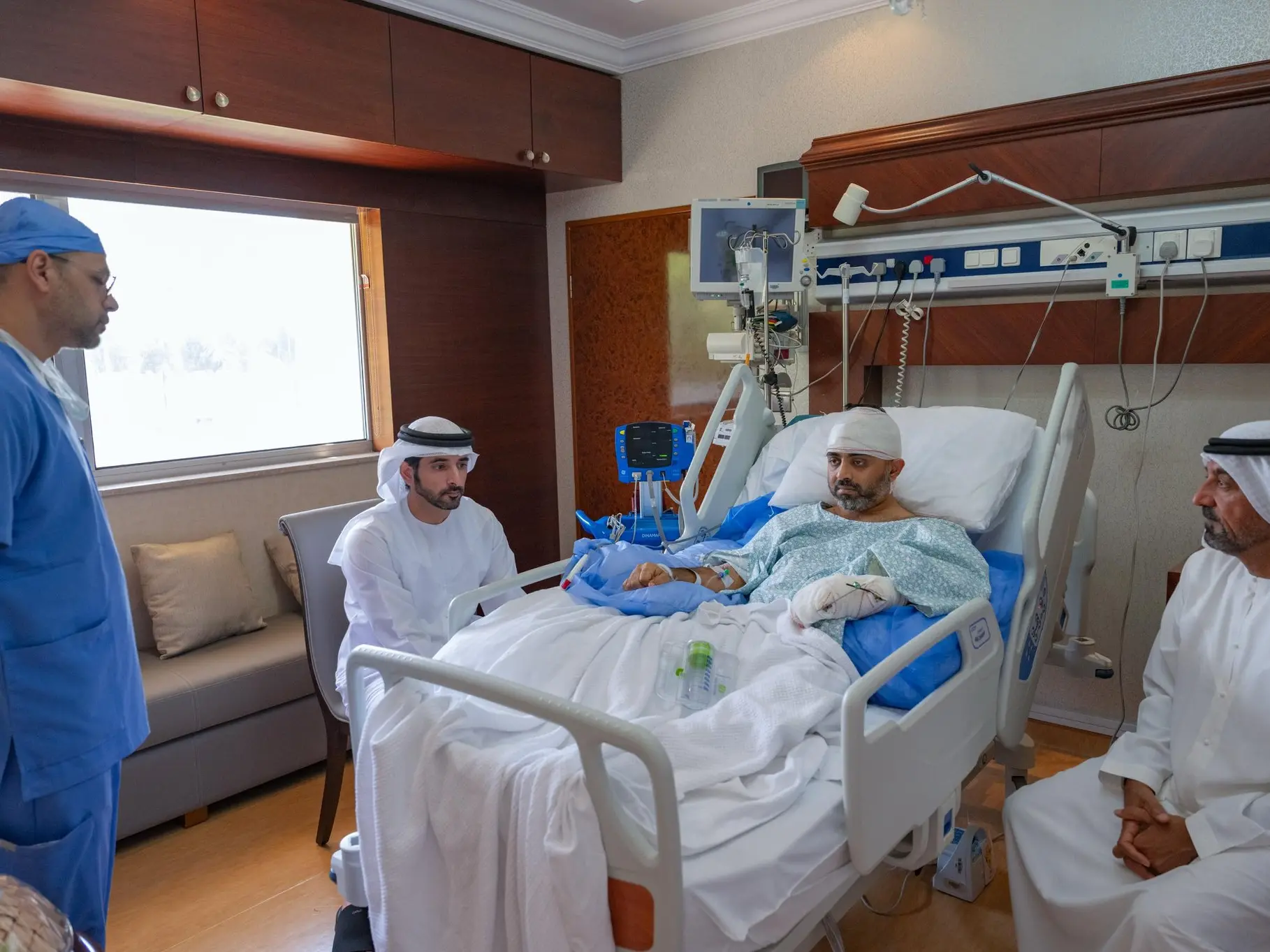
Captain Smit Machchhar on feet again, walks 10 steps as recovery continues after Flydubai flight attack
&imwidth=180&imheight=135&format=webp&quality=medium)
‘Battlespace has expanded’: Wg Cdr Priti Ojha (Retd) reflects on changing face of air power on IAF Day
&imwidth=180&imheight=135&format=webp&quality=medium)
24-year-old Sri Lankan man sentenced to death for blasphemy in Saudi Arabia
&imwidth=180&imheight=135&format=webp&quality=medium)
A Love Other Than Yours: The temptation to cheat and what pushes people over the edge
&imwidth=180&imheight=135&format=webp&quality=medium)
Russia president Putin promises to 'do everything' to help settle Middle East conflict as US-Iran negotiations stall
&imwidth=180&imheight=135&format=webp&quality=medium)
BTS agency HYBE announces first-ever Weverse Con Festival in India
&imwidth=180&imheight=135&format=webp&quality=medium)
Trump has a new 'enemy': Anyone who calls it 'artificial intelligence'. Here's what we wants instead
&imwidth=180&imheight=135&format=webp&quality=medium)
Paxton in leaked audio says Trump hurting his election chances
&imwidth=180&imheight=135&format=webp&quality=medium)
India at UN: Pak allows terror groups to operate from its soil
&imwidth=180&imheight=135&format=webp&quality=medium)
Air India, Air India Express increase fuel surcharge on domestic, international flights amid rising ATF costs
&im=FitAndFill=(700,400)&imwidth=180&imheight=135&format=webp&quality=medium)
Nana Patekar’s upcoming big-screen films: From Shakti Shalini to Eetha
&imwidth=180&imheight=135&format=webp&quality=medium)
Nobel Peace Prize 2026: Trump to Carney, who are the top contenders? Why the ISS is a surprise contender
&imwidth=180&imheight=135&format=webp&quality=medium)
42 ex-judges write open letter, express concern over allegations against Election Commission
&im=FitAndFill=(700,400)&imwidth=180&imheight=135&format=webp&quality=medium)
US midterms 2026: 10 leaders and candidates to watch in the battle for Congress
&im=FitAndFill=(700,400)&imwidth=180&imheight=135&format=webp&quality=medium)
From Kramatorsk buses to Yandex fire: Russia-Ukraine war in the last 48 hours
&imwidth=180&imheight=135&format=webp&quality=medium)
Pakistan denies reports of PAF jets being used in attacks against Iran-backed Houthis in Yemen
&imwidth=180&imheight=135&format=webp&quality=medium)
New York ICE shooting sparks protests as Mamdani to call on Trump to halt ICE operations
&imwidth=180&imheight=135&format=webp&quality=medium)
Atlantic hurricane Isaias could make landfall as a strong Category 2 storm, tornado warnings issued
&imwidth=180&imheight=135&format=webp&quality=medium)
Nana Patekar's #MeToo controversy: From Tanushree Dutta’s allegations to court ruling
&imwidth=180&imheight=135&format=webp&quality=medium)
Who is Nana Patekar's wife Neelakanti? The bank officer who earned Rs 2,500 when he earned Rs 50
&imwidth=180&imheight=135&format=webp&quality=medium)
France student protests: Over 500 arrested, govt promises 3,000 substitute teachers
&imwidth=180&imheight=135&format=webp&quality=medium)
French students light European bonfire, protests erupt in Belgium, Italy & Greece | Gravitas
&imwidth=180&imheight=135&format=webp&quality=medium)
Arizona congressional candidate claims she was sexually assaulted while repairing signs
&imwidth=180&imheight=135&format=webp&quality=medium)
New Cold War: Why is China buying more gold? Explained
&imwidth=180&imheight=135&format=webp&quality=medium)
'Understood consequences of a few mistakes': Ishan Kishan reflects on journey back to India team
&imwidth=180&imheight=135&format=webp&quality=medium)
Sri Lankan Tamil worker gets death sentence in Saudi Arabia over blasphemy, calls for pardon intensify
&imwidth=180&imheight=135&format=webp&quality=medium)
Zendaya gives The Odyssey white lace jacket a stylish twist at Paris Fashion Week 2026
&imwidth=180&imheight=135&format=webp&quality=medium)
SC asks Centre to frame mechanism against unethical pharma marketing practices
&imwidth=180&imheight=135&format=webp&quality=medium)
US suspends Microsoft, Infosys, Tata, Wipro from green card programme over alleged H-1B abuse
&imwidth=180&imheight=135&format=webp&quality=medium)
Trump honours Microsoft CEO Satya Nadella with top technology honour amid immigration scrutiny
&imwidth=180&imheight=135&format=webp&quality=medium)
Flydubai flight attack: Indian pilot Smit Machchhar to receive Israel's highest civilian bravery award for saving 174 lives
While genetics plays a significant role in psoriasis risk, there are several precautionary actions individuals can take to promote skin health and potentially reduce the risk of developing psoriasis.
A diet rich in nutrients, antioxidants, and fibre supports a diverse gut microbiome. Incorporate a variety of fruits, vegetables, whole grains, and lean proteins to nourish your gut and skin. A balanced diet also helps prevents metabolic syndrome, one of the most frequent comorbidities seen in psoriasis. In fact, weight loss is known to directly reduce the severity of psoriasis as well. Probiotics are beneficial bacteria that can help maintain gut health, while prebiotics are fibres that support their growth. Incorporating fermented foods (e.g., yoghurt, kimchi) and fibre-rich foods (e.g., garlic, onions) can enhance gut microbial diversity.
The emerging link between gut health and psoriasis offers valuable insights into preventive measures and potential treatment strategies. While genetics remain a key factor in psoriasis risk, nurturing a healthy gut microbiome through diet, stress management, and other lifestyle changes can contribute to overall skin wellness. By understanding and harnessing the gut-skin connection, we pave the way for a holistic approach to managing psoriasis and promoting skin health.
(Authored byDr Aayush Gupta, Associate Professor and Consultant Dermatologist, DPU Private Super Specialty Hospital, Pimpri, Pune)
WATCH WION LIVE HERE
You can now write for wionews.com and be a part of the community. Share your stories and opinions with us here.