Stigma around gynaecological cancers could cost lives! Expert shares three-pronged approach to break it down

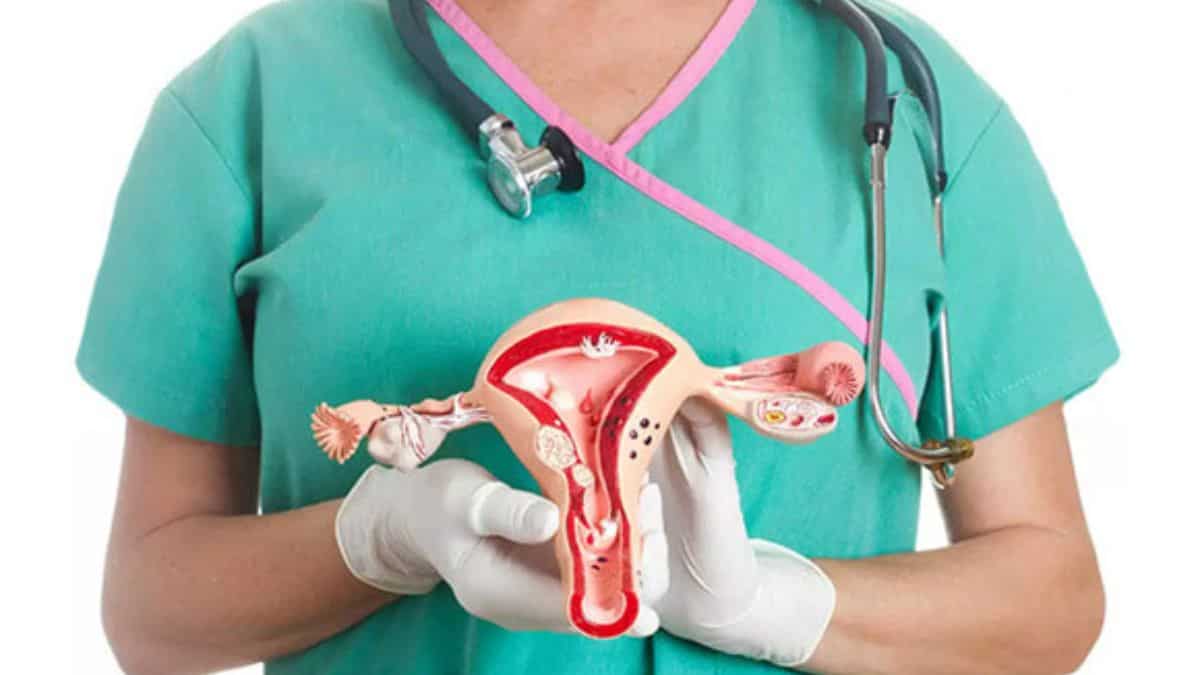
gynaecological cancer
The word "cancer" triggers anxiety, fear, and disbelief upon diagnosis. Gynaecological cancer elicits a similar response and is wrapped in misunderstanding and shame, making it harder to detect early. Women tend to miss out on the signs of gynaecological cancers simply because of the myths surrounding them. The stigma around cancer in general and the cultural myths about women's reproductive health make it that much harder to break down the misconceptions associated with gynaecological cancer.
In an attempt to break the stigma around gynaecological cancers, WION spoke to a medical expert and here's what she shared!
Piu Chatterjee, Clinical Nutritionist at CARER, said, "Gynaecological cancers affect female reproductive parts like ovaries, uterus, and more. Despite its prevalence, most people don't talk much about it due to embarrassment and fear. Gynaecological cancers typically showcase symptoms such as abnormal vaginal discharge, itching, clots with urine and stools, swelling, unusual bleeding, etc."

The expert added, "Addressing the stigma around gynaecological cancer is crucial for early detection and effective treatment. We need to dispel misconceptions and normalise discussions about reproductive health to empower women to recognise symptoms without shame. By fostering open conversations, we pave the way for timely intervention and improved outcomes in the fight against gynaecological cancer."
So the big question is, how can we break the stigma around it? According to the expert, we can do so by promoting awareness and education.
She said, "Education stands as a key catalyst in addressing myths and driving change. We need to equip women with accurate insights and empower them to identify symptoms and seek help in time. Within our society, we need to create safe spaces for women to talk about their experiences and learn more about their reproductive health.
&imwidth=180&imheight=135&format=webp&quality=medium)
Zohran Mamdani's Garba dance goes viral as he joins Indian community's Navratri celebrations | WATCH
&imwidth=180&imheight=135&format=webp&quality=medium)
India-US ties: Marco Rubio seeks India's oil & energy co-operation Ad Ad options Learn more
&imwidth=180&imheight=135&format=webp&quality=medium)
SBI confirms data breach: 3,897 records flagged on dark web. Is your money safe?
&imwidth=180&imheight=135&format=webp&quality=medium)
India to develop first indigenous aviation gun for Prachand, Rudra attack helicopters, SSS Defence CEO confirms
&imwidth=180&imheight=135&format=webp&quality=medium)
Man marries off wife of 17 years to her lover in Uttar Pradesh
&imwidth=180&imheight=135&format=webp&quality=medium)
Boeing 737 MAX10 gets FAA certification, deliveries expected to begin in 2027
&imwidth=180&imheight=135&format=webp&quality=medium)
Shastri backs Shami comeback; lauds Bhuvi and warns Bumrah on format workload ahead of World Cup
&imwidth=180&imheight=135&format=webp&quality=medium)
US midterms 2026: Red seats once deemed safe now appear shaky as Republicans spend big on ads
&imwidth=180&imheight=135&format=webp&quality=medium)
'Tap dancing through a minefield': Musk backs SpaceX-Tesla merger as AI boom fuels rocket firm's first profit
&imwidth=180&imheight=135&format=webp&quality=medium)
Dandiya Nite ’26: Indian High Commissioner hails diaspora as bridge between India and Nigeria
&imwidth=180&imheight=135&format=webp&quality=medium)
Trump says Ilhan Omar 'could go to jail' amid federal probe, calls Somalia a 's***house'
&imwidth=180&imheight=135&format=webp&quality=medium)
Punjab CM Bhagwant Mann allegedly detained for three hours at Delhi airport, fined ₹50,000: AAP
&imwidth=180&imheight=135&format=webp&quality=medium)
Trump waves at 'empty space' in viral video,' critics claim 'mental decline getting worse' | WATCH
&imwidth=180&imheight=135&format=webp&quality=medium)
What the Mecca Joint Defence Agreement says about withdrawal and military support. Read full text of the pact here
&imwidth=180&imheight=135&format=webp&quality=medium)
IND vs NZ T20Is: Will Sooryavanshi play? Skipper Shreyas Iyer clears the air on Samson vs Vaibhav debate
&imwidth=180&imheight=135&format=webp&quality=medium)
'You are not Gen Z': Delhi HC pulls up CJP's Das, Ranka over bail bond breach after Jantar Mantar trespass
&imwidth=180&imheight=135&format=webp&quality=medium)
India vs New Zealand T20I Series 2026: Complete schedule, match timings, squads and live streaming details
&imwidth=180&imheight=135&format=webp&quality=medium)
Trump considers removing White House press corps to restore historic indoor swimming pool
&imwidth=180&imheight=135&format=webp&quality=medium)
Ukrainian soldier rescued by a drone chopped off own leg while hiding for 491 days
&imwidth=180&imheight=135&format=webp&quality=medium)
US-Iran war | Tehran: Must end port blockade, oil sanctions and regional attacks
&im=FitAndFill=(700,400)&imwidth=180&imheight=135&format=webp&quality=medium)
Priyanka Chopra to Shilpa Shetty: 6 Bollywood actresses and their fitness secrets
&imwidth=180&imheight=135&format=webp&quality=medium)
Pujara says 'Samson and Vaibhav cannot be in Playing XI' for India on NZ tour
&imwidth=180&imheight=135&format=webp&quality=medium)
'What's wrong with you? Are you a sick person?': Trump at it again as he snaps at reporters, faces backlash
&imwidth=180&imheight=135&format=webp&quality=medium)
US Midterms 2026 and money: From Bloomberg to Musk, corporate donors, super PACs and lobbies, it's all about the cash
&imwidth=180&imheight=135&format=webp&quality=medium)
‘Even legends can fall ill’: Badshah, Anupam Kher and other stars defend Daler Mehndi after Uttarakhand stage controversy
&imwidth=180&imheight=135&format=webp&quality=medium)
'UN experts is an oxymoron': Rubio mocks UN over India protests criticism, refuses to comment on India's internal matter
&im=FitAndFill=(700,400)&imwidth=180&imheight=135&format=webp&quality=medium)
New OTT releases this week (October 19-25, 2026): Gajab Raat to Chaar Yaar-8 titles to watch during Dussehra week on Netflix, Prime Video and more
&imwidth=180&imheight=135&format=webp&quality=medium)
Ukrainian drone airlifts wounded soldier in what is likely a world first
&imwidth=180&imheight=135&format=webp&quality=medium)
The Verdict | Trump, Putin and Xi: A superpower triangle that could reshape global diplomacy
&imwidth=180&imheight=135&format=webp&quality=medium)
India moves to buy 10,000 more AI chips for a national compute pool open to startups
&imwidth=180&imheight=135&format=webp&quality=medium)
'They are not even telling us' - Mysterious metallic object discovered in Minnesota field
&imwidth=180&imheight=135&format=webp&quality=medium)
Cattle-feed bran in biscuits, detergent in milk: FSSAI acts against 3 companies
&imwidth=180&imheight=135&format=webp&quality=medium)
US midterms 2026: With Republicans spending big, Bloomberg opens his wallet for Democrats. Here's how much he is pouring
&imwidth=180&imheight=135&format=webp&quality=medium)
Iran rejects US talks until demands are met, rules out moving enriched uranium out of the country
&imwidth=180&imheight=135&format=webp&quality=medium)
Feds obtain DNA evidence that could prove Ilhan Omar married her brother: Report
&imwidth=180&imheight=135&format=webp&quality=medium)
Ramayana advance booking: Ranbir Kapoor, Yash's film cross $500K ahead of Diwali release
&imwidth=180&imheight=135&format=webp&quality=medium)
French military plane crashes in northeast France, one dead
&imwidth=180&imheight=135&format=webp&quality=medium)
Delhi HC agrees to hear Neha Bora's plea against 'maintain peace' directive on 'urgent basis'
"The more we talk about it, the more awareness we can create. In addition to this, organising workshops in schools and healthcare centres on reproductive health cango a long way in building awareness about gynaecological cancers and other associated symptoms."
The expert also spoke about the role of nutrition in the prevention and treatment ofgynaecological cancers.
She said, "Nutrition plays a vital role in managing and preventing gynaecological cancers. A balanced diet comprising grains, lean proteins, healthy fats, fruits and veggies can boost the immune system, causing the inflammation to come down and promote the overall well-being of the patient. However, early detection remains the most effective and crucial point in any treatment."
"Encouraging regular screening remains the key to better patient outcomes. Along with this, a healthy lifestyle before, during and after treatment aids in managing the overall side effects of the treatments. It further supports the body’s healing pattern and in maintaining overall health," she continued.
Lastly, the medical expert said that we need to builda supportive environment for the cancer patient and foster empathy.
"A supportive environment is pivotal in fostering open dialogue and assisting individuals with gynaecological cancers. Support groups and online counselling services offer psychological aid to women grappling with gynaecological cancers.
"These resources not only address emotional needs but also extend support in nutritional guidance for both patients and their families. This facilitates access to valuable information, enabling informed dietary choices that contribute to better recovery."
The way we speak about cancer serves as another essential tool in destigmatisation and voicing the needs of affected women.
Using inclusive language helps in changing perceptions and creating a comprehensive understanding of cancer and how it has an impact on patients.
Collaborative efforts from media outlets, advocacy groups, and healthcare professionals can contribute significantly to addressing the stigma around gynaecological cancers, according to Piu Chatterjee.
"Addressing the stigma around gynaecological cancer needs a three-pronged approach: raising awareness, providing education, and fostering empathy. By doing so, we can cultivate a safe space for women to openly communicate their needs and concerns to dedicated experts. Professionals can guide them through their treatment journey.
"By creating an environment that empowers women to prioritise their reproductive health, we can ensure that gynaecological cancer is addressed at the right time. This comprehensive approach is essential for optimal care and improved outcomes," the medical expert concluded.
WATCH WION LIVE HERE
You can now write for wionews.com and be a part of the community. Share your stories and opinions with us here.