Extreme heat-related heart casualties in US projected to double by midcentury at current emission pace: Study

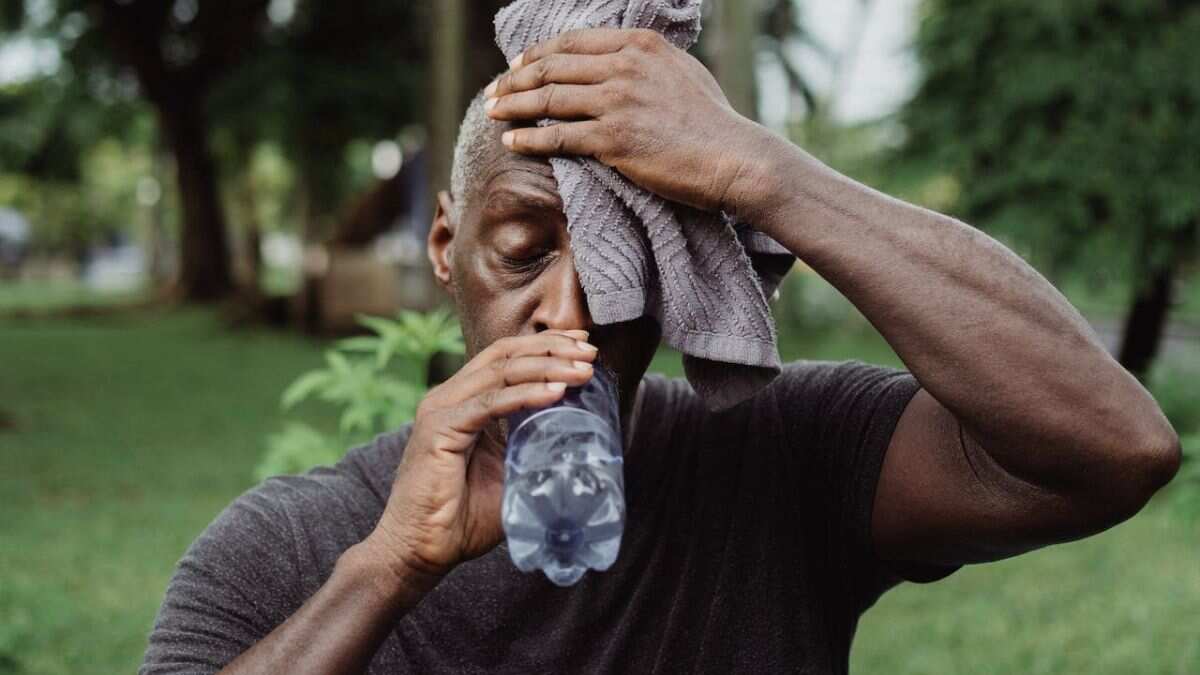
Heat-related heart deaths projected to increase in the US: Study
A new study has highlighted the deadly effects of extreme heat on the heart and suggests that the impact of climate change may lead to a surge in heat-related cardiovascular deaths in the US over the coming decades. Vulnerable groups, including Black adults, seniors, and urban residents, are at a higher risk.
The Federal Emergency Management Agency defines extreme heat days as "a period of two to three days of high humidity and temperatures above 90 degrees". Such days are increasing every year now.
Between 2008 and 2019, the heat index, which accounts for both temperature and humidity, reached at least 90 degrees on an average of 54 days each summer in the US.
During these scorching days, nearly 1,700 excess cardiovascular deaths were recorded annually, according to a study published in the journal Circulation.

If fossil-fuel development continues to expand globally and the world only makes minimal efforts to reduce planet-warming pollution, the researchers predict that the US could face 80 days of extreme heat each summer, resulting in a staggering increase in heat-related cardiovascular deaths, exceeding 5,491 excess deaths per year.
Even in a more optimistic scenario where climate change mitigation measures are enacted, the US could still experience 71 days of extreme heat each year, leading to a 2.6 times increase in heat-related mortality. By the middle of the century, this scenario could result in more than 4,320 excess cardiovascular deaths linked to excessive heat.
Dr Lawrence Fine, a senior adviser at the National Institutes of Health's National Heart, Lung, and Blood Institute, stated that heart disease is the leading cause of death in the US overall, and while extreme heat currently accounts for a relatively small fraction of total cardiovascular deaths, the increasing prevalence of hot days necessitates risk mitigation.
&imwidth=180&imheight=135&format=webp&quality=medium)
Viral video shows cross falling on Colombia priest, no official confirmation | WATCH
&imwidth=180&imheight=135&format=webp&quality=medium)
Rafale Marine fighter begins flight trials in Goa ahead of Indian Navy induction
&imwidth=180&imheight=135&format=webp&quality=medium)
Ranbir Kapoor apologises for Dussehra speech slip, clarifies remark at Ramayana event
&imwidth=180&imheight=135&format=webp&quality=medium)
Meta slapped with $25 billion fine in New Mexico over Facebook data practices, company plans appeal
&imwidth=180&imheight=135&format=webp&quality=medium)
WATCH: Woman IPS officer fires several rounds of AK-47, ignites debate online
&imwidth=180&imheight=135&format=webp&quality=medium)
EU probes Booking.com under Digital Services Act
&imwidth=180&imheight=135&format=webp&quality=medium)
Pakistan signs another defence pact even as Makkah Alliance shows no teeth. This time, it's with Qatar, Indonesia, Turkey
&imwidth=180&imheight=135&format=webp&quality=medium)
Ilhan Omar breaks silence over alleged marriage to her brother; Trump thinks it's 'really good answer'
&imwidth=180&imheight=135&format=webp&quality=medium)
US-Iran war: Bibi, Trump gamble on new Iran war to save themselves in polls
&imwidth=180&imheight=135&format=webp&quality=medium)
From Agni-V to Project Kusha: How are India’s indigenous missile systems and defence shield reshaping modern warfare
&imwidth=180&imheight=135&format=webp&quality=medium)
Will Rohit and Kohli play ODI World Cup 2027? BCCI president Manhas says board 'not in a position to comment'
&imwidth=180&imheight=135&format=webp&quality=medium)
Why websites around the world are suddenly going offline? What you need to know about PHP
&imwidth=180&imheight=135&format=webp&quality=medium)
US midterms 2026: What polls and prediction markets indicate about Congress
&imwidth=180&imheight=135&format=webp&quality=medium)
'You are a dummy, you are a stupid person': Trump loses temper with CNN, ABC reporters after questions about Russia sanctions
&imwidth=180&imheight=135&format=webp&quality=medium)
China's dancing robot turns violent bodyguard, lifts cars and fights intruders - Watch
&imwidth=180&imheight=135&format=webp&quality=medium)
16-foot doomsday fish in Chile triggers fears that the next earthquake is coming
&imwidth=180&imheight=135&format=webp&quality=medium)
US to get 850 F-35 stealth fighter jets under 10-year Pentagon-Lockheed deal
&imwidth=180&imheight=135&format=webp&quality=medium)
Are the US and Israel preparing for another major attack on Iran? Here's what report claims
&imwidth=180&imheight=135&format=webp&quality=medium)
Priyanka Chopra celebrates Dussehra 2026 with Nick Jonas and daughter Malti Marie | See pics
&im=FitAndFill=(700,400)&imwidth=180&imheight=135&format=webp&quality=medium)
New OTT releases this week (October 19-25, 2026): Gajab Raat to Chaar Yaar-8 titles to watch during Dussehra week on Netflix, Prime Video and more
&imwidth=180&imheight=135&format=webp&quality=medium)
‘I caution the president...’: Trump’s ex-press secretary warns after Zacharia’s exit
&imwidth=180&imheight=135&format=webp&quality=medium)
'Father of all bombs' vs 'mother of all bombs': Iran threatens US with new weapon as Trump hints at MOAB strike
&imwidth=180&imheight=135&format=webp&quality=medium)
Diljit Dosanjh's Oct 30 Delhi show hits roadblock, Delhi Police denies permission
&imwidth=180&imheight=135&format=webp&quality=medium)
Australia police arrest former national 100m champ Jake Doran for alleged child abuse
&imwidth=180&imheight=135&format=webp&quality=medium)
'Gyanu must go': CJP's Saurav Das, Ashutosh Ranka after release, despite Jantar Mantar protest undertaking
&imwidth=180&imheight=135&format=webp&quality=medium)
Kolkata airport: CISF detects ₹1.13 crore in US dollars hidden in bags of 2 Bangkok-bound passengers
&imwidth=180&imheight=135&format=webp&quality=medium)
Feds obtain DNA evidence that could prove Ilhan Omar married her brother: Report
&imwidth=180&imheight=135&format=webp&quality=medium)
US midterms 2026: Trump's approval rating hits record low as Democrats gain ground
Heat-related deaths tend to be concentrated during heatwaves and impact individuals who are more vulnerable due to their health conditions or other factors.
Consequently, these episodes can strain emergency rooms and the broader healthcare system and pose a severe threat to specific individuals.
The study's projections are based on population growth, migration trends, and greenhouse gas emissions data from the United Nations' Intergovernmental Panel on Climate Change. The analysis looked ahead to the years 2036 through 2065, using county-level data for the 48 contiguous states in the US.
Also read:Heart attack deaths linked to severe COVID-19 cases? India's Health Minister issues warning
The summer of 2023 has provided a stark example of the dangers posed by extreme heat. Maricopa County, Arizona, reported a significant number of deaths due to heat-associated illness, making this year the deadliest for heat deaths since the county began tracking them in 2006. Many of these deaths occurred as the Southwest experienced record-breaking temperatures and prolonged periods of extreme heat.
The human heart is particularly susceptible to the effects of extreme heat. When the body overheats, the heart has to work harder to maintain a stable temperature, which can be especially dangerous for individuals with pre-existing cardiovascular conditions. Longer exposure to heat can lead to increased inflammation and blood clotting, raising the risk of heart attacks and strokes.
The study also emphasises the disproportionate impact of extreme heat on Black adults, who could face a six-fold increase in heat-related cardiovascular deaths in the coming decades compared to a projected 2.4 times increase among White adults. Seniors over the age of 65 and individuals living in metropolitan areas are also expected to be disproportionately affected. Demographic shifts, including an ageing population and urban growth, may exacerbate these vulnerabilities.
Addressing the issue of heat-related deaths requires targeted efforts to protect those who are most vulnerable. Solutions include access to cooler environments, tree cover, and healthcare access.
WATCH WION LIVE HERE
You can now write for wionews.com and be a part of the community. Share your stories and opinions with us here.

