Boost your brain power! Here's what you should and shouldn't do to increase neurogenesis

Brain health
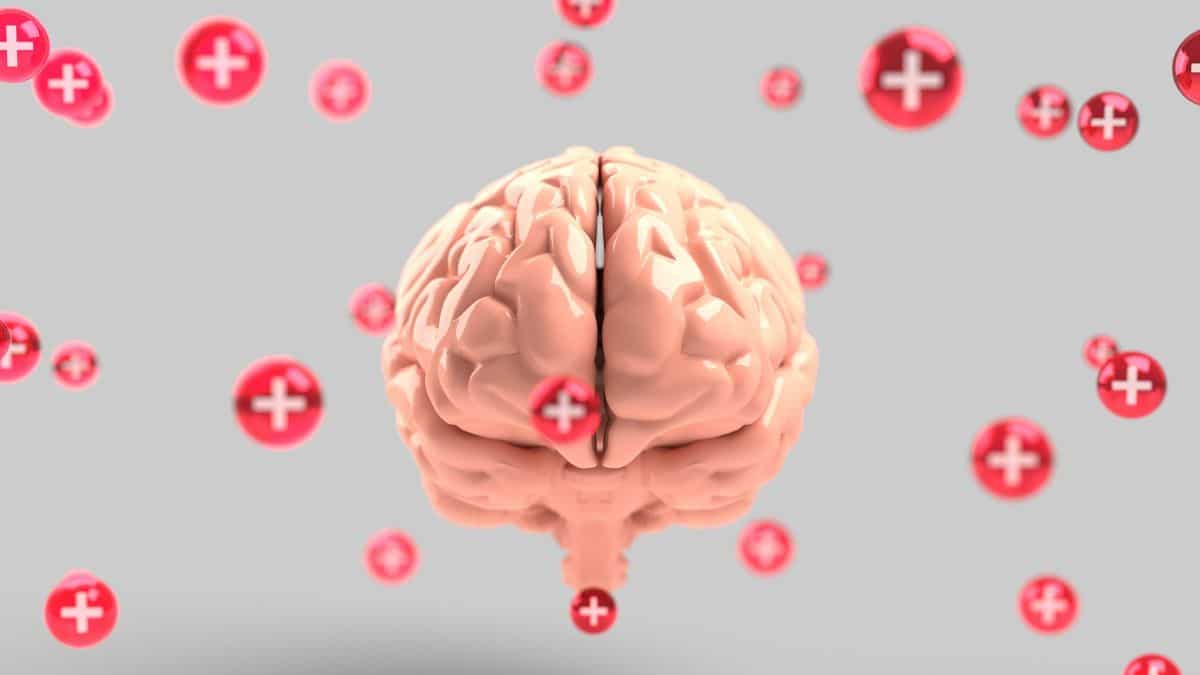
Neurogenesis is the process of forming new neurons in the brain. It is most active during embryonic development, but it also continues in certain brain regions throughout our lifespan. Neurogenesis is important for learning, memory, and emotional regulation.
In the past, it was thought that neurogenesis halted after a certain age. However, recent studies have suggested that neurogenesis can happen even after the age of 25. However, the rate of neurogenesis declines as we age. In rodents, neurogenesis continues throughout adulthood, but in humans, it is thought to peak in early adulthood and then decline gradually.
There are a number of factors that can promote neurogenesis, including exercise, learning new things, and social interaction. Conversely, stress, anxiety, and depression can inhibit neurogenesis.

Here are some things you can do to promote neurogenesis:
● Exercise regularly: Exercise releases chemicals in the brain that promote neurogenesis. Aim for at least 30 minutes of moderate-intensity exercise most days of the week.
● Learn new things: Learning new things challenges the brain and helps to create new neural pathways. According to a new study, learning a new sport, language, and musical skill is particularly good for neurogenesis.
&imwidth=180&imheight=135&format=webp&quality=medium)
Rahul Gandhi's plea against Election Commission delayed as Supreme Court registry flags 14 ‘defects’
&im=FitAndFill=(700,400)&imwidth=180&imheight=135&format=webp&quality=medium)
Navratri 2026: 9 days, 9 forms of Goddess Durga and 9 colours- Check the complete list
&imwidth=180&imheight=135&format=webp&quality=medium)
Korean peninsula tensions escalate as North Korea launches multiple ballistic missiles, PACOM says 'no threat to US personnel'
&imwidth=180&imheight=135&format=webp&quality=medium)
Trump weighs firing Kimberly Guilfoyle as US ambassador to Greece amid misconduct allegations: Report
&imwidth=180&imheight=135&format=webp&quality=medium)
Anti-SIR protest in Mumbai: Protestors wear black masks & ribbons in Mumbai
&imwidth=180&imheight=135&format=webp&quality=medium)
UK PM Andy Birnham renews claims of Russian meddling in Brexit vote
&imwidth=180&imheight=135&format=webp&quality=medium)
BCCI rejects venue shift reports, India vs Sri Lanka 1st ODI to remain in Delhi
&imwidth=180&imheight=135&format=webp&quality=medium)
'Absolutely disgusting': Australia slams US plan to livestream Nidal Hasan's execution; Mike Johnson raises concerns, warns of terrorist propaganda
&imwidth=180&imheight=135&format=webp&quality=medium)
1,500 drones illuminate Mumbai sky as Cordelia Cruises unveils second ship, Cordelia Sky
&imwidth=180&imheight=135&format=webp&quality=medium)
Houthis warns US of 'painful response' if Washington joins Saudi war in Yemen as airlines suspend flights to Saudi Arabia
&imwidth=180&imheight=135&format=webp&quality=medium)
Congress demands action against chief election commissioner
&imwidth=180&imheight=135&format=webp&quality=medium)
Robot gropes girl, makes thrusting movements in bizarre crime in Germany
&imwidth=180&imheight=135&format=webp&quality=medium)
'Turn approver, resign, we'll forgive you': Rahul Gandhi claims receiving messages from CEC Gyanesh Kumar
&imwidth=180&imheight=135&format=webp&quality=medium)
'I will not be silenced': Ilhan Omar alleges political intimidation after federal officers search her Washington home
&imwidth=180&imheight=135&format=webp&quality=medium)
Pakistan's government blames PTI for rise of terrorism in Khyber Pakhtunkhwa
&imwidth=180&imheight=135&format=webp&quality=medium)
‘This is just the start’: Maaya Rajeshwaran on historic ITF title, confidence boost and future goals
&imwidth=180&imheight=135&format=webp&quality=medium)
I.N.D.I.A. Bloc lists 10 requests to Supreme Court
&im=FitAndFill=(700,400)&imwidth=180&imheight=135&format=webp&quality=medium)
IMF World Economic Outlook: 10 economies to watch for growth in FY27 and FY28 - Where does India stand?
&im=FitAndFill=(700,400)&imwidth=180&imheight=135&format=webp&quality=medium)
How does a robot decide what to do next?
&imwidth=180&imheight=135&format=webp&quality=medium)
Is the AI chip boom already over? Global semiconductor stocks slide as investors question unbridled spending
&imwidth=180&imheight=135&format=webp&quality=medium)
L Murugan resigns as Union Minister, expresses wish to return to grassroots
&imwidth=180&imheight=135&format=webp&quality=medium)
Trump says he 'may' meet North Korean leader Kim Jong Un during upcoming Asia trip
&imwidth=180&imheight=135&format=webp&quality=medium)
'Ouch!!! That must hurt': Kangana Ranaut hails Kamal Haasan's sharp reply to Elon Musk over Starlink row
&imwidth=180&imheight=135&format=webp&quality=medium)
Sidhu Moose Wala’s younger brother wins hearts by recreating late singer’s signature move at Toronto Hologram Show
&imwidth=180&imheight=135&format=webp&quality=medium)
Girl 'dead' for 8 hours wakes up at her own funeral, dad insists she wasn't breathing
&imwidth=180&imheight=135&format=webp&quality=medium)
UK school ditches technology, shifts from screen to pen and paper for learning
&imwidth=180&imheight=135&format=webp&quality=medium)
Opposition’s 10 demands in Supreme Court petition range from stay on SIR to audit of voter rolls
&imwidth=180&imheight=135&format=webp&quality=medium)
'I am thoroughly unamused': Judge slams Trump administration after 400 trees cut at Washington golf course
&im=FitAndFill=(700,400)&imwidth=180&imheight=135&format=webp&quality=medium)
New OTT releases this week (October 12-18, 2026): Sacrifice, Koffee with Karan S9, Roadies Rebirth- 6 titles coming on Netflix, JioHotstar and more
&imwidth=180&imheight=135&format=webp&quality=medium)
China’s gold rush puts billion in focus
&imwidth=180&imheight=135&format=webp&quality=medium)
India's Ajit Doval, Iran's Mohsen Rezaei hold talks amid escalating West Asia tensions, discuss 'issues of mutual interest'
&imwidth=180&imheight=135&format=webp&quality=medium)
New Cold War: Why is China buying more gold? Explained
&imwidth=180&imheight=135&format=webp&quality=medium)
Anupam Kher joins Ranbir Kapoor's Ramayana as Jatayu, new poster unveiled
&imwidth=180&imheight=135&format=webp&quality=medium)
'Almost certainly': UK Prime Minister Andy Burnham says Iran's IRGC behind RAF Fairford threat
&imwidth=180&imheight=135&format=webp&quality=medium)
Elon Musk pumps $276 million into Republican campaigns ahead of US midterm elections
● Socialise: Social interaction helps to reduce stress and promote overall brain health. Spend time with loved ones, join a class, or volunteer in your community.
● Get enough sleep: Sleep is essential for brain health and can help to promote neurogenesis. Aim for 7-8 hours of sleep each night.
● Eat a healthy diet: A healthy diet provides the nutrients your brain needs to function properly. Include plenty of fruits, vegetables, and whole grains in your diet.
● Reduce stress levels: Stress can damage neurons and inhibit neurogenesis. Find healthy ways to manage stress, such as yoga, meditation, or spending time in nature.
● Sleep well: Sleep is essential for consolidating your memories and clearing out toxins from the brain.
● Meditate: Meditation can reduce stress and inflammation which can impair neurogenesis. It can also increase the size and the connectivity of your hippocampus, which is the main site of neurogenesis, in your brain.
Here are some things you should avoid:
● Too much alcohol: Alcohol can damage neurons and inhibit neurogenesis. Limit your alcohol intake to one or two drinks per day.
● Smoking: Smoking damages neurons and inhibits neurogenesis. If you smoke, quitting is the best thing you can do for your brain health.
● Too much caffeine: Caffeine can be stimulating in the short term, but it can also be disruptive to sleep. Limit your caffeine intake to 400 milligrams per day.
● Too much sugar: A diet high in sugar can damage neurons and inhibit neurogenesis. Limit your sugar intake to 25 grams per day.
● Too much screen time: Too much screen time can lead to stress and sleep deprivation, both of which can inhibit neurogenesis. Limit your screen time to two hours per day.
Neurogenesis is a complex process, but it is an important part of brain development and function. By understanding how neurogenesis works, we may be able to develop new treatments for neurological disorders and improve our overall cognitive health.
(Inputs byDr Karishma Jethmalani, Neuropsychologist, Rehabilitation and Sports Medicine, Sir HN Reliance Foundation Hospital)
WATCH WION LIVE HERE
You can now write for wionews.com and be a part of the community. Share your stories and opinions with us here.