Bryan Cranston leads star-studded Times Square rally amidst SAG-AFTRA strike: We will not have you...

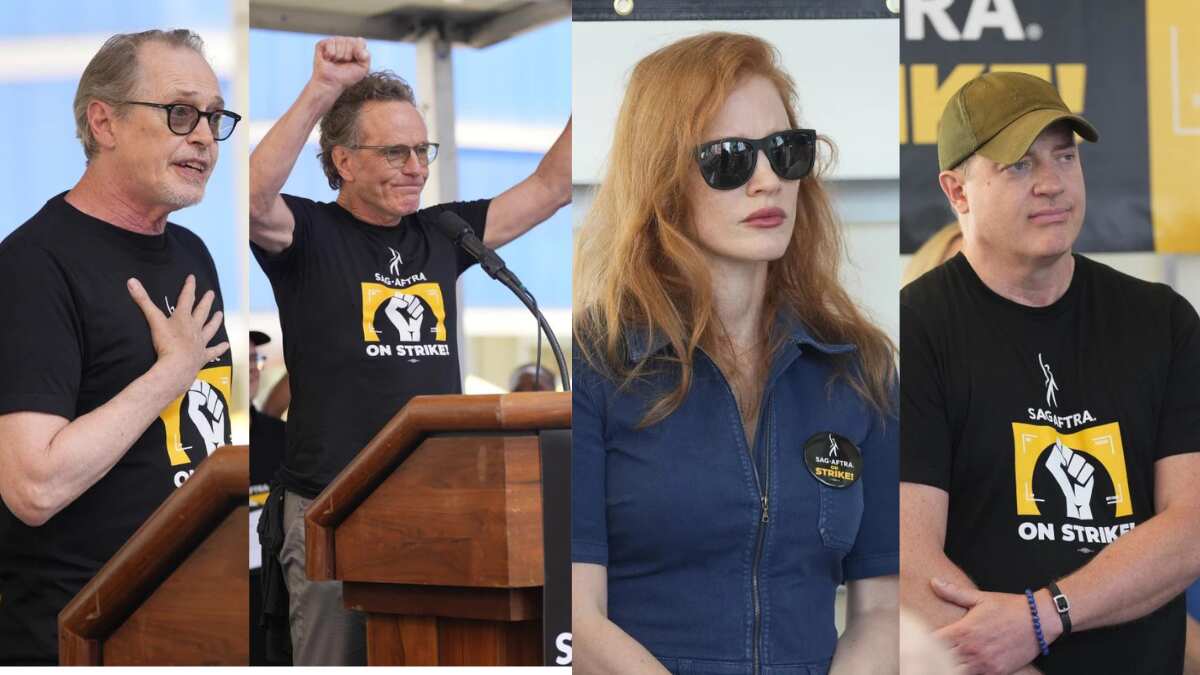
SAG-AFTRA initiated a strike on July 14.
SAG-AFTRA organised a massive and star-studded rally in Times Square to show solidarity on the twelfth day of the actors' strike. The rally, which featured more A-listers than any previous strike action, included prominent figures such as Jessica Chastain, Bryan Cranston, Brendan Fraser, Ellen Burstyn, Wendell Pierce, Steve Buscemi, Rachel Zegler, Michael Shannon, Jane Curtin, Christian Slater, and Chloe Grace Moretz. The event took up an entire city block, with actors and union representatives delivering passionate speeches on a stage at the heart of Times Square. Tourists and passing trucks showed their support with honks and gawks. Some of the actors aimed their messages at corporate giants like Walt Disney-owned ESPN and ABC studios.
Also Read:Tom Cruise had negotiated with studios over AI before SAG-AFTRA strike
SAG-AFTRA strike

SAG-AFTRA initiated a strike on July 14 after the film and television contract expired without reaching a new three-year pact with the AMPTP. The studios' and streamers' offer was considered insulting by SAG-AFTRA, while the AMPTP (Alliance of Motion Picture and Television Producers) claimed that the union rejected a favourable package offer.
Since the strike began, SAG-AFTRA members have been picketing outside studio lots and corporate sites in Los Angeles and New York, leading to the shutdown or delay of major productions. The two parties have not yet announced a date for returning to the bargaining table.
)
Russia-Ukraine war: Russian strikes knock out three of Ukraine's largest steel plants
)
China expels top generals Zhang Youxia, Liu Zhenli over ‘disloyalty’, corruption
)
Chancellor Friedrich Merz vows to stay on as exit polls signal major poll setback
)
Microsoft executive called AI training the ‘largest theft of labour in human history’
)
Samay Raina-Mukesh Chhabra controversy explained: What happened over girlfriend joke on India's Got Latent?
)
Pilot recreates Mona Lisa in sky over Oklahoma and Arkansas in four-hour flight: VIDEO
)
Mahabharat actor Saurav Gurjar arrested in Hyderabad, sent to 14-day judicial custody in sexual exploitation case
)
The Scandal: Why so scandalous? Ji Chang Wook leaves you gasping for air
)
Bessent meets China’s He Lifeng to prepare for Trump-Xi summit
)
White House TV pool halts Trump coverage after CNN barred from UNGA events
)
Delhi Air pollution: Strict crackdown on waste burning
)
Saudi Arabia exits China-led mBridge digital currency platform amid Saudi-Houthi conflict
)
WATCH | Mysterious lights over Tehran caught on video. Drone, aircraft or something else?
)
BTS fans mock iHeartRadio’s day 2 turnout after short set controversy
)
North Korea's nuclear tests triggered 1,399 earthquakes: Earth is still shaking | Gravitas
)
Putin's United Russia party wins 355 seats in Duma election; 4 other parties cross threshold to enter parliament
)
Apple reportedly building AI server with M8 Ultra chips, may use Nvidia technology
)
IIT Bombay tensions ease after three-hour open house; director’s assurances pacify students
)
J&K Assembly Session begins amid chaos: BJP, ruling alliance clash as statehood demand dominates
)
Samsung raises Galaxy S26 prices by Rs 20,000: Here’s what each model now costs
)
Four decades after leaving Kolkata, the Birlas may be coming back for more
)
AI kill switch explained: Why shutting down a dangerous AI may not be as simple as pressing a button
)
The Verdict | The Mecca Agreement is under scrutiny as Houthis attack Saudis
)
‘0% chance’: Nvidia CEO Jensen Huang dismisses AI extinction fears by 2030
)
Iranian airlines to shut worldwide on Sept 23, Bessent warns of US banking ban
)
Taylor Swift has a 'proud wife' moment as Travis Kelce scores first touchdown of season: 'That’s my husband!'
&im=FitAndFill=(700,400))
New OTT releases this week (September 21-27, 2026): Shaque: Trust No One, Hunkkaar, Don’t Be Shy- 5 new titles coming to Netflix, Prime Video and more
)
Maharashtra TET paper leak: Chargesheet reveals papers smuggled in shoe insoles for Rs 8,000
)
What is Yom Kippur and why is it celebrated? All you need to know about the Jewish Day of Atonement
)
'Lot of things to learn from experienced players': Jayasuriya backs Rohit, Virat for 2027 ODI World Cup
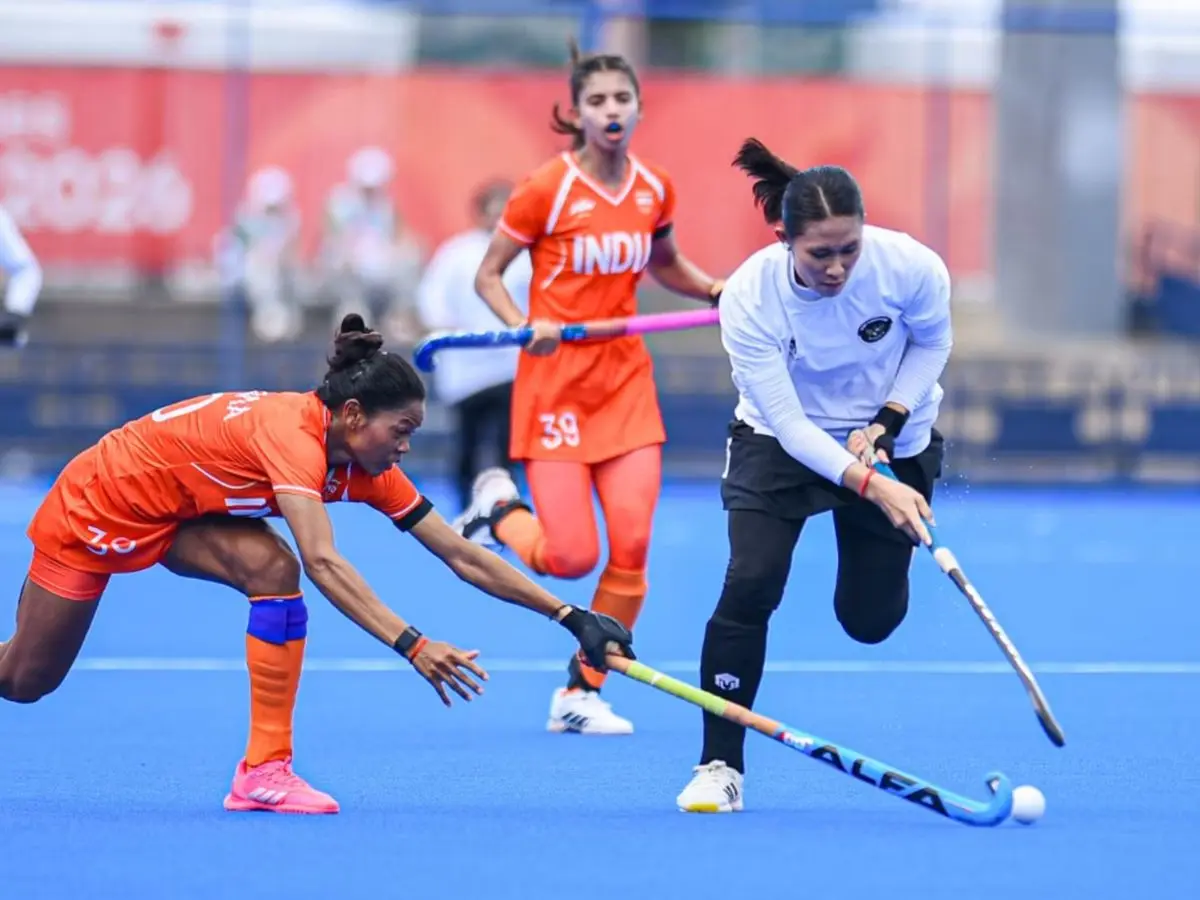)
Asian Games: Indian women's hockey team thrash Indonesia 17-1, blasts 36 goals in 2 matches
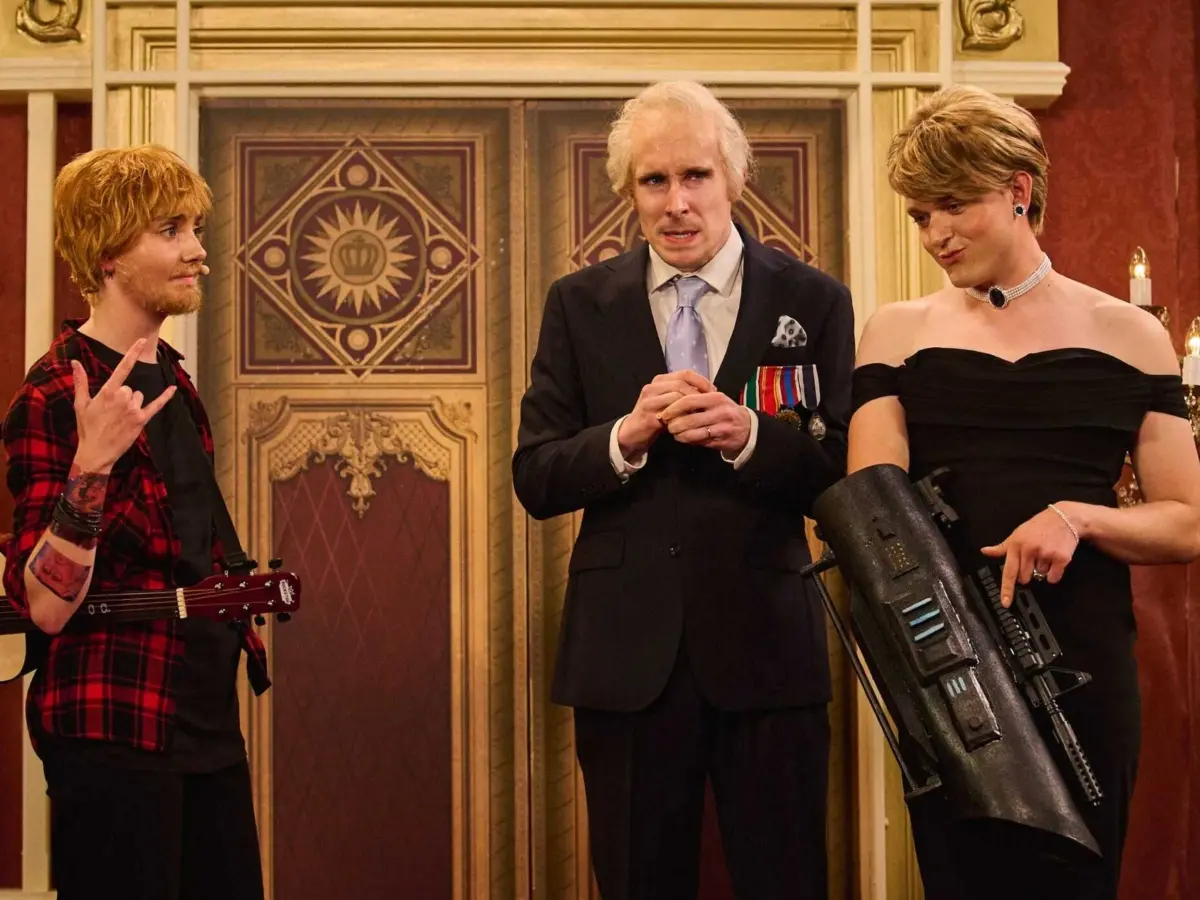)
SNL UK takes aim at Ed Sheeran with AI Princess Diana sketch
)
Glitch in the matrix caught on camera: Woman vanishes after talking to reporter
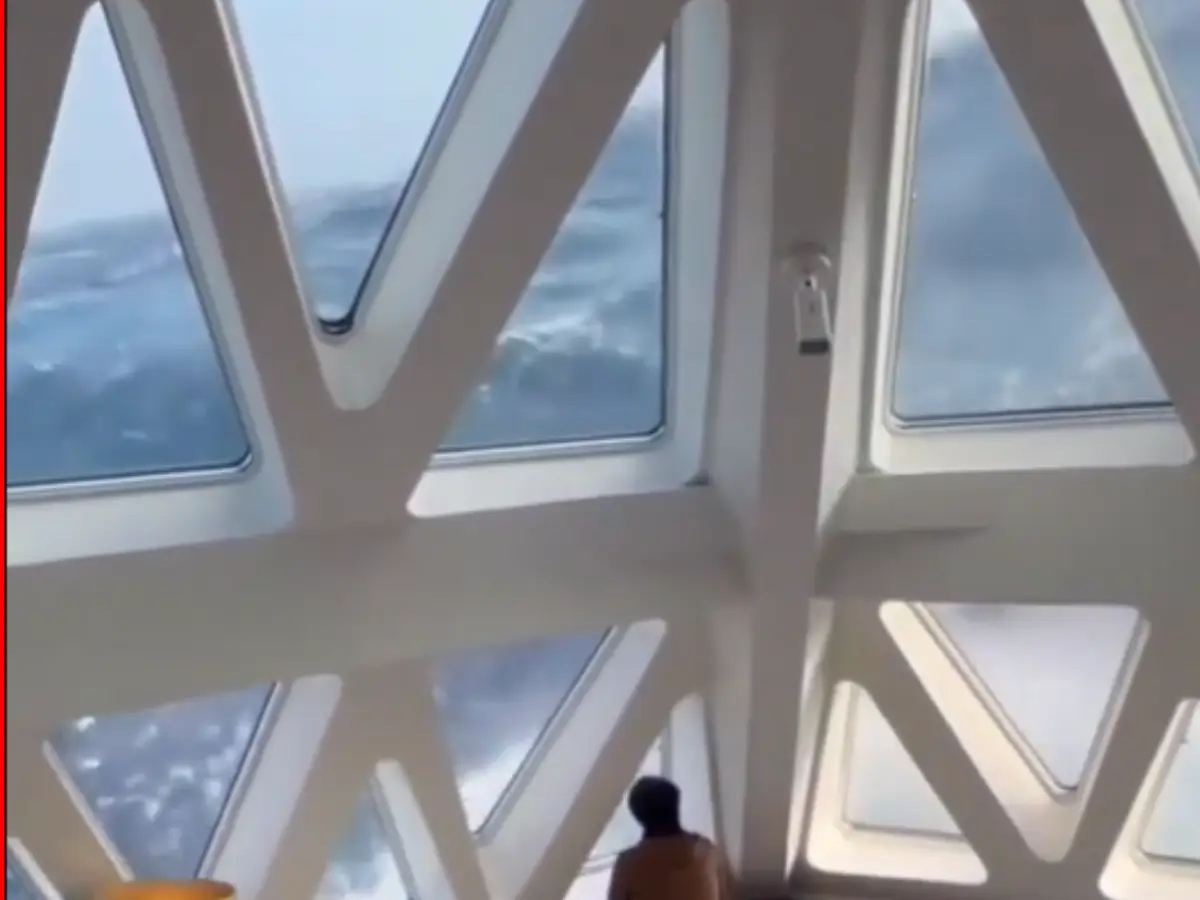)
40-foot waves crash into cruise ship in dangerous stretch near Antarctica. Watch
)
Trump says Russia has ‘lost control’ of its diesel industry, calls for end to ‘ridiculous, never-ending’ war
)
Jailer 2: Vidya Balan joins Rajinikanth's upcoming film as Kantha | Watch
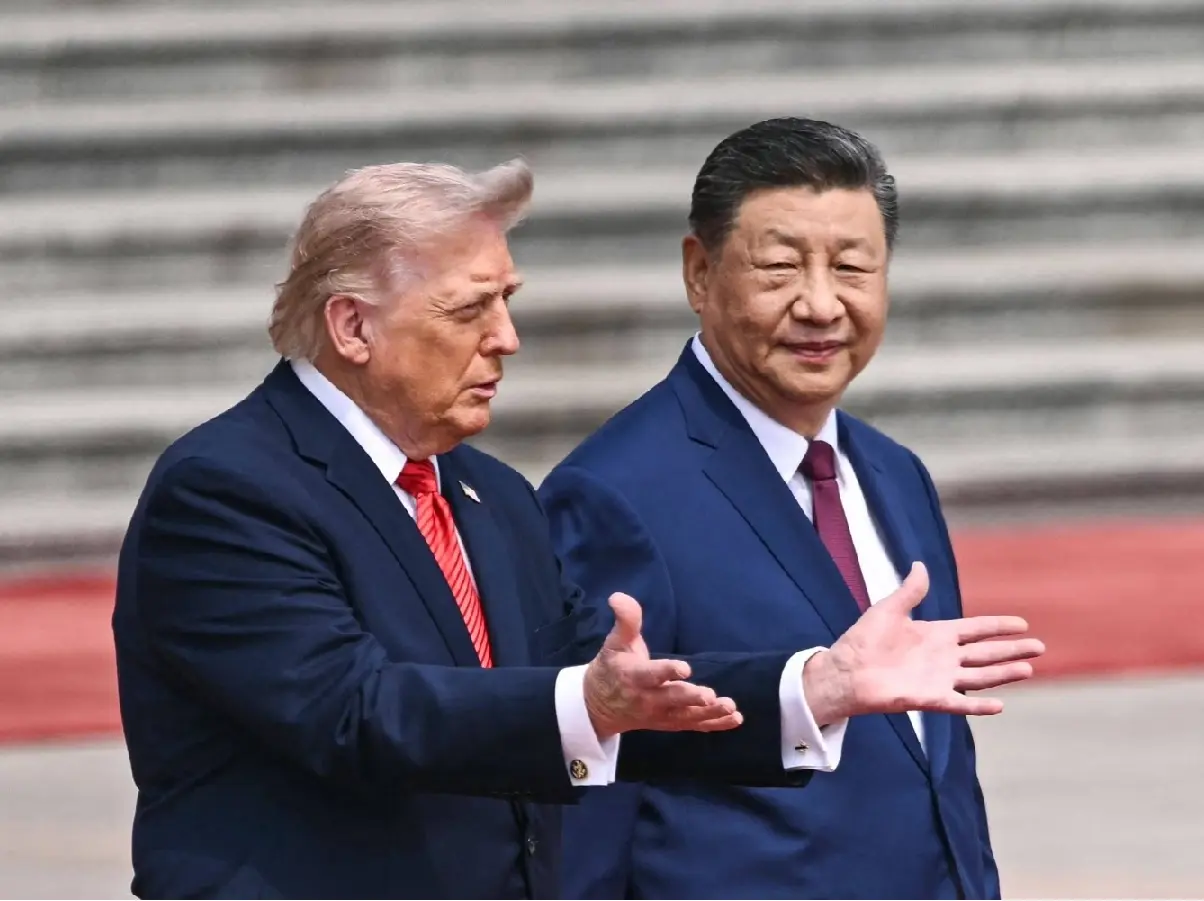)
Explainer: Why rare-earth export licences and Board of Trade are US priorities ahead of Trump-Xi summit
)
US and China vie for AI dominance as calls grow for regulation | Gravitas
)
Fitna Al-Khawarij: Decoding biggest security threat to Pakistan | Gravitas
Bryan Cranston urged Disney CEO Bob Iger to understand the actors' perspective and not take away their jobs and livelihoods, expressing concerns about the encroachment of robots in the industry. The rally, located near Broadway theatres, had a more show-business flair than typical labour rallies, with actors quoting renowned figures like Frederick Douglass and Samuel Beckett, and even singing during their speeches.
“We’ve got a message to Mr Iger. I know, sir, that you look through things from a different lens. We don’t expect you to understand who we are but we ask you to hear us, and beyond that, to listen to us when we tell you we will not be having our jobs taken away and given to robots. We will not have you take away our right to work and earn a decent living," he said.
The strike saw actors joining screenwriters who had already walked out in May, marking the first time both unions simultaneously went on strike since 1960. The actors' main concerns include the impact of the streaming revolution on their pay, the loss of residuals, and the changing working conditions. They also sought protection against the use of artificial intelligence and improvements in the union's healthcare and pension programmes.
The AMPTP, negotiating on behalf of studios, claimed it offered a generous deal that included the largest increase in minimum pay in 35 years, but talks broke off, and no further negotiations were scheduled. Despite being on strike, SAG-AFTRA expressed their willingness to return to the bargaining table.
For many actors, the strike had personal significance. Christian Slater highlighted how the union's healthcare had supported his late father, actor Michael Hawkins. Liza Colón-Zayas, from the series The Bear, emphasised the need for transparency in streaming payments, considering the dwindling residuals despite decades of hard work in the industry.
Also Read:Dwayne Johnson makes generous donation to SAG-AFTRA Foundation Relief Fund amid strike
Major issues on which SAG-AFTRA and AMPTP were at odds
One major point of contention was the general minimum rate increases sought by SAG-AFTRA. The union aimed for an 11 per cent wage boost in the first year of the new contract, followed by 4 per cent in the second and third years. However, the studios and streamers were only willing to offer 5, 4, and 3.5 per cent increases for the three-year agreement.
Another significant disagreement related to regulating generative artificial intelligence. SAG-AFTRA sought comprehensive provisions to protect human-created work and ensure fair compensation for performers when digital replicas or alterations were made using AI. The AMPTP claimed their offer was groundbreaking and protected performers' digital likenesses, requiring their consent for such use.
Other contentious issues included increasing "span" figures, boosting pension and health plan contribution "caps," relocation allowances, meal break penalties, and coverage for performance-capture work under a SAG-AFTRA contract.
(With AP inputs)
WATCH WION LIVE HERE
You can now write for wionews.com and be a part of the community. Share your stories and opinions with us here.