Berlin Interview: Director reveals how he got inspiration for Aparshakti-Ishwak starrer spy thriller

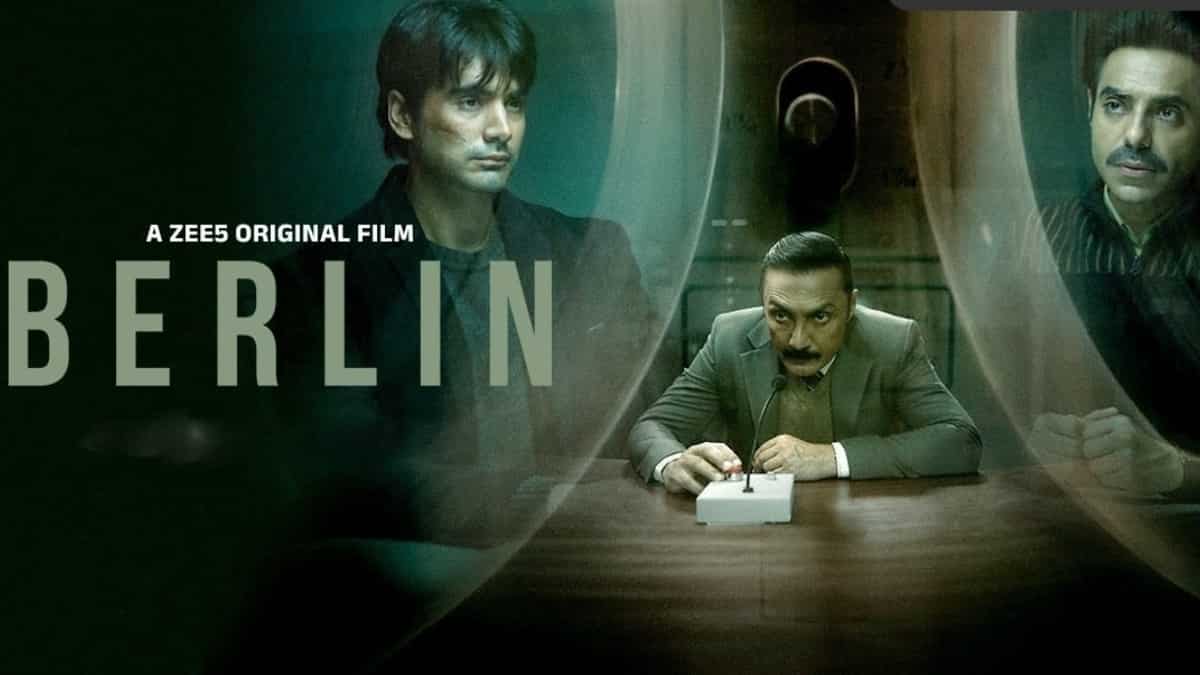
Poster for Berlin film
Indian filmmaker Atul Sabharwal recently directed a fast-paced spy thriller starring two amazing talents, Ishwak Singh and Aparshakti Khurana in a film that is set in the 90s. Sepia-toned New Delhi offered a beautiful canvas for the directorto weave a gripping world of lies and deceit and intense drama. The film was released on ZEE5 on September 13.
Atul Sabharwal spoke to WION exclusively about evoking a sense of nostalgia with Berlin, how he got the idea for the espionage thriller if he ever envisioned a different ending and more.
Here are the edited excerpts of our chat:

Q: What is Berlin, the film for you?
A: It's a story of an underdog or two underdogs who try to wrestle with the powers that are much more powerful than them. One does it out of his curiosity and inquisitiveness and the other out of his value system where he feels that he needs to protect something. If you look at it, they are both motivated to try and protect the vulnerable. Pushkin tries to protect Ashok. Ashok tries to protect the woman.
Q: The film evokes a sense of nostalgia – the colour, tone, the way it’s been shot. If you could tell us a bit about that process?
&imwidth=180&imheight=135&format=webp&quality=medium)
'Father of all bombs' vs 'mother of all bombs': Iran threatens US with new weapon as Trump hints at MOAB strike
&imwidth=180&imheight=135&format=webp&quality=medium)
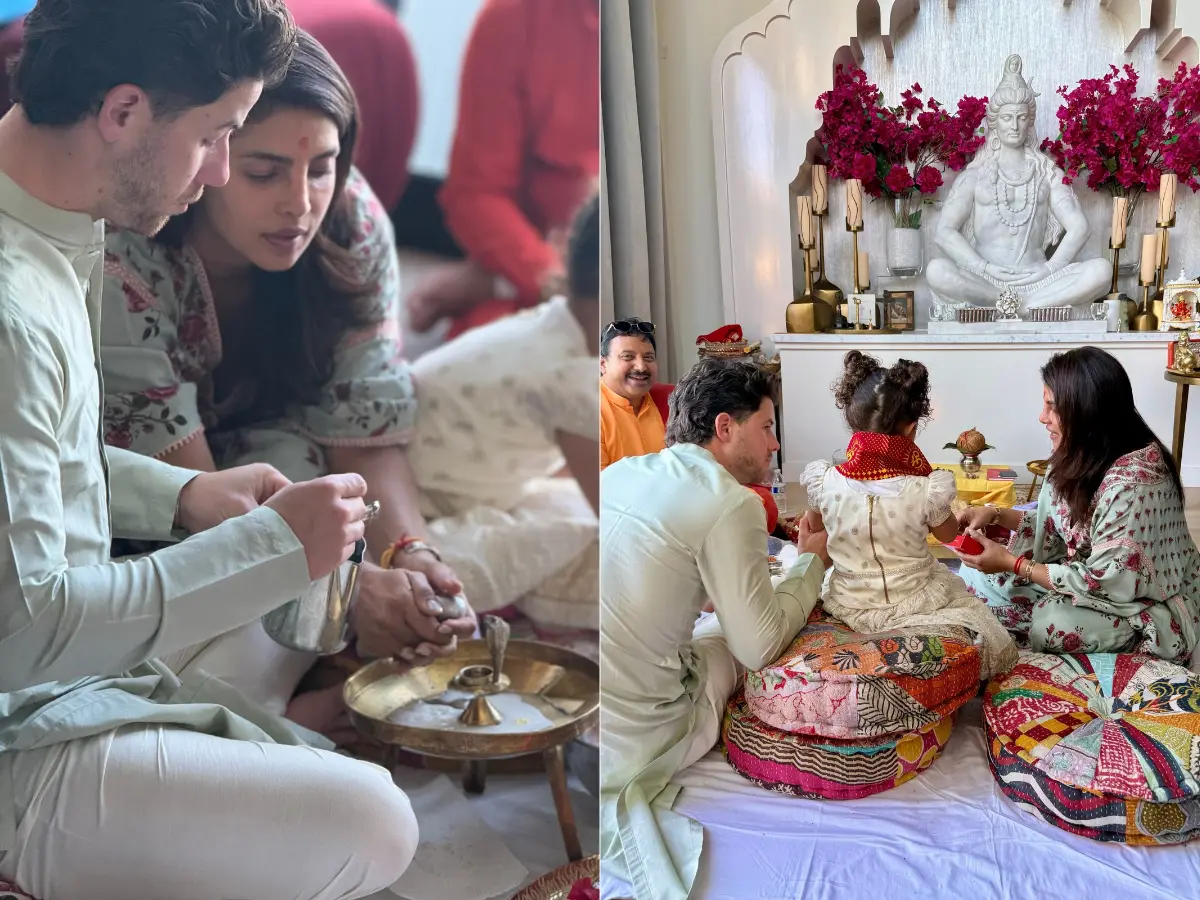
Priyanka Chopra celebrates Dussehra 2026 with Nick Jonas and daughter Malti Marie | See pics
&im=FitAndFill=(700,400)&imwidth=180&imheight=135&format=webp&quality=medium)
New OTT releases this week (October 19-25, 2026): Gajab Raat to Chaar Yaar-8 titles to watch during Dussehra week on Netflix, Prime Video and more
&imwidth=180&imheight=135&format=webp&quality=medium)
US midterms 2026: What polls and prediction markets indicate about Congress
&imwidth=180&imheight=135&format=webp&quality=medium)
'You are a dummy, you are a stupid person': Trump loses temper with CNN, ABC reporters after questions about Russia sanctions
&imwidth=180&imheight=135&format=webp&quality=medium)
Ramayana promotion takes a funny turn after Ranbir Kapoor's verbal blunder, leaves fans in splits | Watch
&im=FitAndFill=(700,400)&imwidth=180&imheight=135&format=webp&quality=medium)
What is the real meaning behind Pete Hegseth's tattoos?
&imwidth=180&imheight=135&format=webp&quality=medium)
Why websites around the world are suddenly going offline? What you need to know about PHP
&imwidth=180&imheight=135&format=webp&quality=medium)
Trump waves at 'empty space' in viral video,' critics claim 'mental decline getting worse' | WATCH
&imwidth=180&imheight=135&format=webp&quality=medium)
Shock, anger and despair in Bangladesh over the executions
&imwidth=180&imheight=135&format=webp&quality=medium)
Kim Jong Un death rumors explode | China accused of secretly sending troops to Pyongyang
&imwidth=180&imheight=135&format=webp&quality=medium)
Saudi Arabia: Drone targeted oil facility near UAE border; violence continues in Yemen's Taiz
&imwidth=180&imheight=135&format=webp&quality=medium)
Feds obtain DNA evidence that could prove Ilhan Omar married her brother: Report
&imwidth=180&imheight=135&format=webp&quality=medium)
Cattle-feed bran in biscuits, detergent in milk: FSSAI acts against 3 companies
&imwidth=180&imheight=135&format=webp&quality=medium)
US orders embassy staff, families to leave Saudi Arabia amid Houthi attacks: Report
&imwidth=180&imheight=135&format=webp&quality=medium)
Finance influencer dies by suicide in Chennai; father accuses tech CEO, who denies charge
&imwidth=180&imheight=135&format=webp&quality=medium)
US midterms: Democrats sue Trump administration over alleged 'threats and intimidation' ahead of election, Musk issues warning to Dems
&imwidth=180&imheight=135&format=webp&quality=medium)
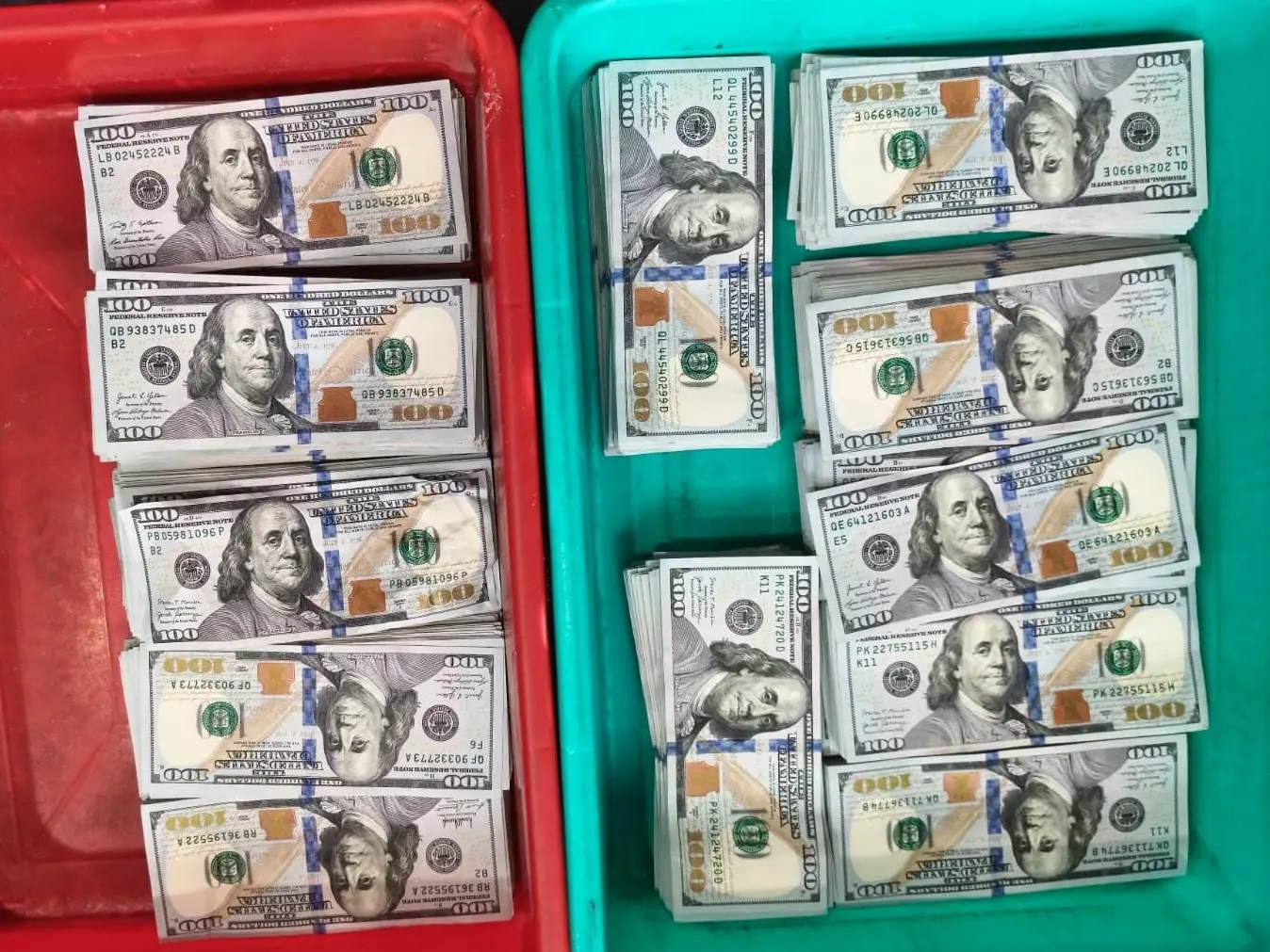
Kolkata airport: CISF detects ₹1.13 crore in US dollars hidden in bags of 2 Bangkok-bound passengers
&imwidth=180&imheight=135&format=webp&quality=medium)
Rafale Marine fighter begins flight trials in Goa ahead of Indian Navy induction
&imwidth=180&imheight=135&format=webp&quality=medium)
'I’m not saying it’s extraterrestrial' - 'Mutant' creature forces Mexicans to flee their homes
&imwidth=180&imheight=135&format=webp&quality=medium)
Man marries off wife of 17 years to her lover in Uttar Pradesh
&imwidth=180&imheight=135&format=webp&quality=medium)
Meta slapped with $25 billion fine in New Mexico over Facebook data practices, company plans appeal
&imwidth=180&imheight=135&format=webp&quality=medium)
US Midterms 2026 and money: From Bloomberg to Musk, corporate donors, super PACs and lobbies, it's all about the cash
&imwidth=180&imheight=135&format=webp&quality=medium)
‘I caution the president...’: Trump’s ex-press secretary warns after Zacharia’s exit
&imwidth=180&imheight=135&format=webp&quality=medium)
Are the US and Israel preparing for another major attack on Iran? Here's what report claims
&imwidth=180&imheight=135&format=webp&quality=medium)
Russia to send first tanker carrying 40,000 tonnes diesel to US after Trump-Putin deal – What we know
&imwidth=180&imheight=135&format=webp&quality=medium)
US-Iran war: Bibi, Trump gamble on new Iran war to save themselves in polls
&imwidth=180&imheight=135&format=webp&quality=medium)
Khawaja Asif flags ‘bureaucratic exodus’ from Pak amid Munir’s growing clout, loss of faith in govt
&imwidth=180&imheight=135&format=webp&quality=medium)
James Bond auction: Own Daniel Craig's Skyfall suit, Ana de Armas' dress and 300+ rare 007 collectibles
&imwidth=180&imheight=135&format=webp&quality=medium)
US midterms 2026: Trump's approval rating hits record low as Democrats gain ground
&imwidth=180&imheight=135&format=webp&quality=medium)
India to develop first indigenous aviation gun for Prachand, Rudra attack helicopters, SSS Defence CEO confirms
&imwidth=180&imheight=135&format=webp&quality=medium)
Explosions heard in Iran’s Hormozgan province near Strait of Hormuz: State media
&imwidth=180&imheight=135&format=webp&quality=medium)
Ranbir Kapoor apologises for Dussehra speech slip, clarifies remark at Ramayana event
&imwidth=180&imheight=135&format=webp&quality=medium)
Israel election 2026: Three possible scenarios after October 27 polls
&imwidth=180&imheight=135&format=webp&quality=medium)
US Midterms 2026: Sugar Land, Plano, Irving: How Texas’s Indian-American belt could shape poll outcomes
&imwidth=180&imheight=135&format=webp&quality=medium)
Trump says end to Ukraine war is 'closer than ever'; Witkoff's Putin remarks spark criticism
&imwidth=180&imheight=135&format=webp&quality=medium)
Hunger makes alcohol more appealing, study finds
&imwidth=180&imheight=135&format=webp&quality=medium)
WATCH | Mysterious haze grips Ohio city as toxic chemical leak forces mass evacuation – What is happening?
A: The cinematography evolved from whatever the research guided us towards. We asked questions like what did the films of that era look like? What did the buildings look like? What was the costume? Once you have all the answers, you have to narrow down the choices because, in any given era, there is not one specific shade or palette of colour that people are wearing. People at any given point wear all kinds of things.
We asked which are the colours that will stay true to the period, but also stay true to the emotion. What are the camera angles or what are the camera movements? I mean, it's a little technical, but those are the decisions that one has to very consciously make.
Q: Most spy thrillers tend to be inspired by their predecessors. Berlin has that naive authenticity though. How did you write this film?
A: When I started writing it, I had a reference point of a character who was a waiter at a cafe, who was deaf-mute because the cafe employed deaf-mute staff. It was Costa Coffee in Lokhandwala, Mumbai. I met this peculiar, enthusiastic, bubbly, chirpy kind of person who would try and make a conversation with people who were visiting the cafe. This person tried making conversation even though he could only talk in sign language.
When I wrote this, I had no idea it could be made into a film because this was a non-commercial idea. That thought gave me the freedom to go all out. My characters kept evolving. I didn’t tie them up and let them go whichever way and direction they wanted to, whatever the story demanded.
Also Read:Vihaan Samat Interview: A Guide To Getting To Date Bollywood's Newest Cute Boy
Q: Did you ever envision a different ending for Berlin?
A: No, this was the ending always. It would be slightly unreal to show that these two people found victory against very powerful organisations. But their victory was in the fight that they put up. Their victory was in the fact that one of them gets to make a choice – that I will not let that person die or be in trouble. I think any other ending would have felt fake and filmy as opposed to organic.
Watch the Berlin film trailer here:

