Robotic surgery, advanced treatment: What is coming to this small Gujarat town?

&imwidth=600&imheight=450&format=webp&quality=medium "Robotic surgery, advanced treatment: What is coming to this small Gujarat town?")
Robotic surgery, advanced treatment: What is coming to this small Gujarat town? Photograph: (Unsplash)
New initiatives aim to improve access to advanced healthcare, specialised treatments, education and essential services for underserved communities, bringing new opportunities for better care and long-term development.
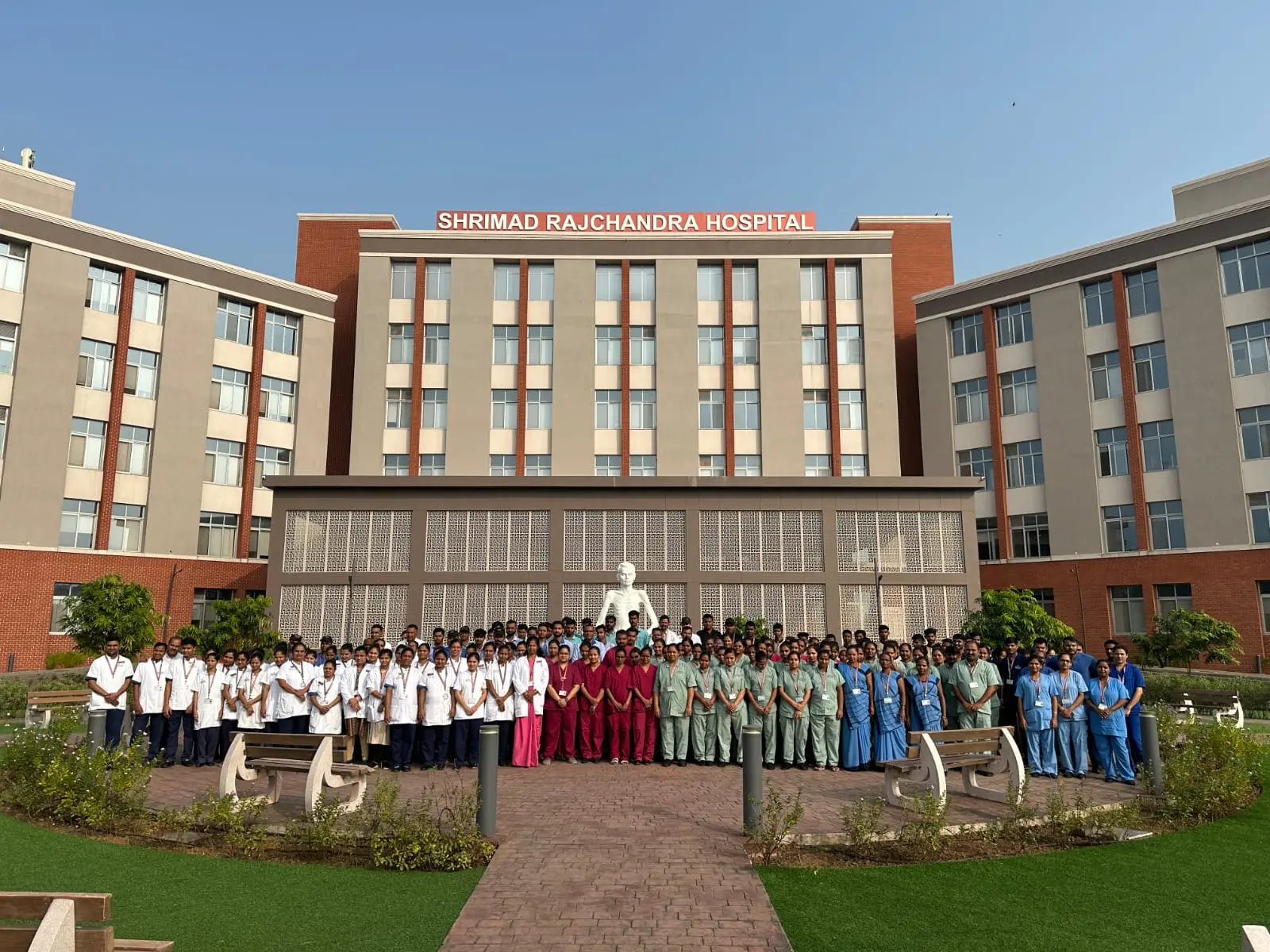
For many people living in rural India, access to specialised medical treatment can mean travelling long distances to larger cities. Advanced surgery, cancer care and organ transplants are often associated with major urban hospitals, leaving patients in remote areas dependent on the availability of specialist facilities closer to home. That could gradually change in Dharampur, a tribal town in Gujarat's Valsad district, where new healthcare facilities are being developed alongside an existing multi-speciality charitable hospital. The plans include robotic surgery, expanded cancer treatment and specialised kidney and eye care, according to Shrimad Rajchandra Mission Dharampur (SRMD).
Robotic surgery planned for rural Gujarat
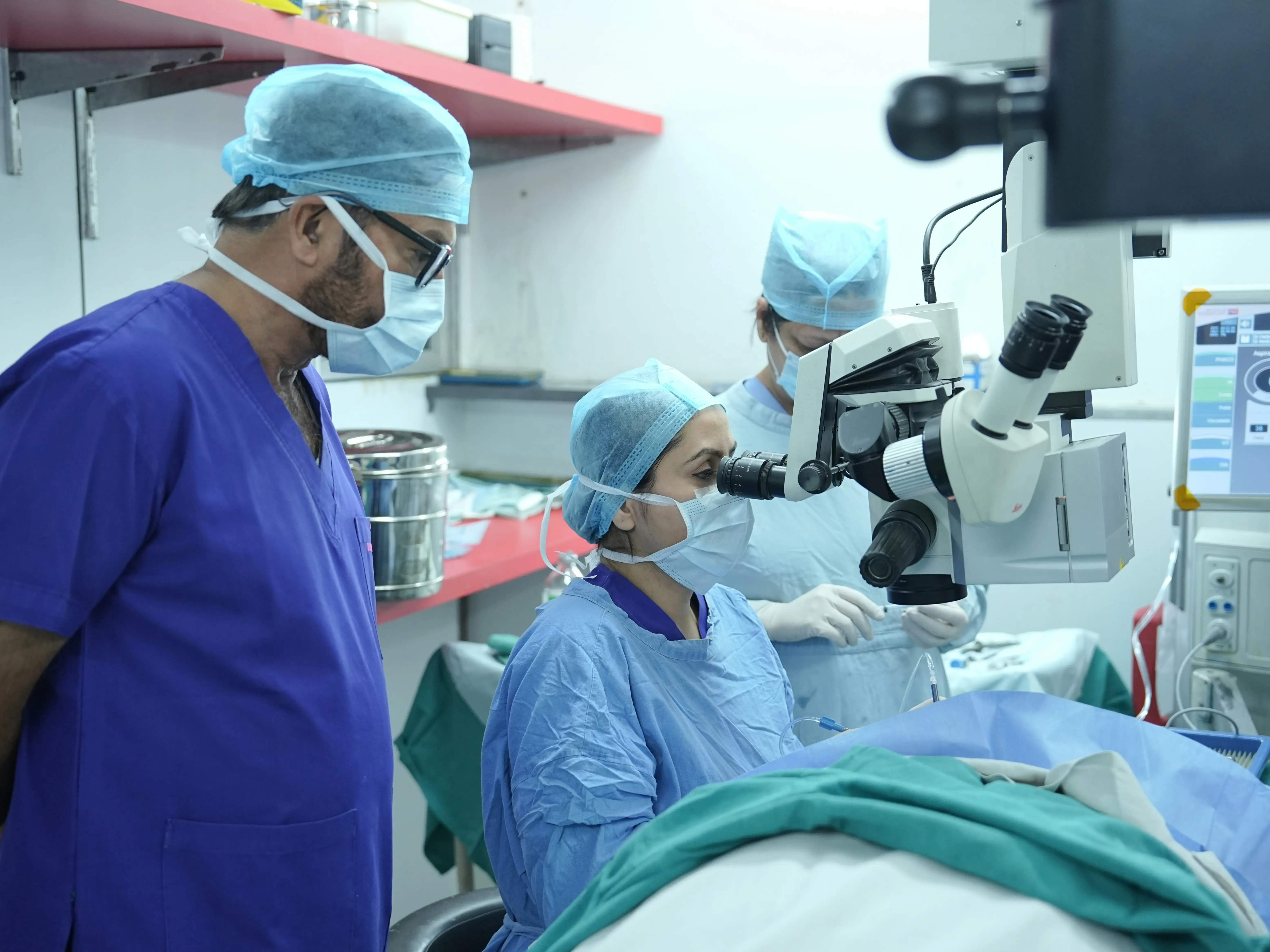
One of the planned developments is the Shrimad Rajchandra Sarvamangal Cancer Hospital in Dharampur. According to the Mission, the facility is being designed to serve more than 11 lakh tribal residents and is expected to provide 10,000 chemotherapy sessions and 1,000 surgeries annually. The proposed hospital will include Da Vinci robotic surgery technology, which uses robotic-assisted instruments to help surgeons perform certain procedures with precision. Such systems are used in specialised surgical settings, but their availability and use depend on the procedure, clinical expertise and hospital infrastructure. The planned facility is part of a broader effort to bring specialised cancer care closer to communities that might otherwise need to travel to larger cities for treatment. The Mission has also announced a kidney and eye hospital in the region. The proposed services include dialysis, kidney transplants and advanced eye care, potentially expanding the range of specialised treatments available locally. These are planned developments, and their eventual impact will depend on when the facilities become operational, the services they provide and the availability of trained medical professionals.
A hospital already serving hundreds of villages
Dharampur is already home to Shrimad Rajchandra Hospital and Research Centre, a 250-bed multi-speciality charitable hospital. According to the Mission, the hospital serves more than 500 villages and provides treatment free of charge or at highly subsidised rates. It also says the hospital performs paediatric open-heart surgeries, making it an important facility for families seeking specialised treatment in the region. The hospital's neonatal intensive care unit has treated more than 8,000 newborns, according to figures provided by the organisation. The Mission also reports that its early intervention centre for infants has treated more than 1.1 million children.
In another development, the hospital coordinated what the Mission describes as the region's first organ donation this year. The donor's heart was transported to Ahmedabad through a green corridor.
These examples illustrate the range of services the organisation says it has developed in a region where access to specialised healthcare has historically been limited.
Trending Stories
&imwidth=280&imheight=210&format=webp&quality=medium)
&im=FitAndFill=(700,400)&imwidth=280&imheight=210&format=webp&quality=medium)
&imwidth=280&imheight=210&format=webp&quality=medium)
&im=FitAndFill=(700,400)&imwidth=280&imheight=210&format=webp&quality=medium)
&imwidth=280&imheight=210&format=webp&quality=medium)
&imwidth=280&imheight=210&format=webp&quality=medium)
&imwidth=280&imheight=210&format=webp&quality=medium)
&imwidth=280&imheight=210&format=webp&quality=medium)
&imwidth=280&imheight=210&format=webp&quality=medium)
&imwidth=280&imheight=210&format=webp&quality=medium)
&imwidth=280&imheight=210&format=webp&quality=medium)
&imwidth=280&imheight=210&format=webp&quality=medium)
&imwidth=280&imheight=210&format=webp&quality=medium)
&imwidth=280&imheight=210&format=webp&quality=medium)
&imwidth=280&imheight=210&format=webp&quality=medium)
&imwidth=280&imheight=210&format=webp&quality=medium)
&imwidth=280&imheight=210&format=webp&quality=medium)
&imwidth=280&imheight=210&format=webp&quality=medium)
&imwidth=280&imheight=210&format=webp&quality=medium)
&imwidth=280&imheight=210&format=webp&quality=medium)
&imwidth=280&imheight=210&format=webp&quality=medium)
&imwidth=280&imheight=210&format=webp&quality=medium)
&im=FitAndFill=(700,400)&imwidth=280&imheight=210&format=webp&quality=medium)
&imwidth=280&imheight=210&format=webp&quality=medium)
&imwidth=280&imheight=210&format=webp&quality=medium)
&imwidth=280&imheight=210&format=webp&quality=medium)
&imwidth=280&imheight=210&format=webp&quality=medium)
&imwidth=280&imheight=210&format=webp&quality=medium)
&imwidth=280&imheight=210&format=webp&quality=medium)
&imwidth=280&imheight=210&format=webp&quality=medium)
&imwidth=280&imheight=210&format=webp&quality=medium)
&imwidth=280&imheight=210&format=webp&quality=medium)
&imwidth=280&imheight=210&format=webp&quality=medium)
&imwidth=280&imheight=210&format=webp&quality=medium)
International medical collaboration
The hospital has also attracted visiting specialists from overseas, according to the Mission. Doctors from the United States have carried out complex surgeries at the facility, including an operation to release a woman's arm after it had remained fused to her body because of burn injuries for 14 years.
The Mission further says the hospital is one of six sites globally supported by a Stanford University scholarship programme that enables students to train at the institution. It says other institutions, including Yale, Berkeley and New York University, have also followed. These affiliations and training arrangements are claims made by the Mission; their precise scope and the nature of each institution's involvement would need to be independently established to assess the extent of the collaboration.
Why access to advanced treatment matters
For patients in rural and tribal areas, the availability of specialised care can affect more than the medical procedure itself. Long-distance travel can add transport costs, accommodation expenses and logistical difficulties for patients and accompanying family members. Having treatment closer to home may reduce some of these burdens, although affordability and access will also depend on eligibility, treatment costs, specialist availability and the services offered by each facility. Robotic surgery alone does not guarantee better outcomes for every patient. Its usefulness depends on the medical condition, the procedure being performed and the experience of the surgical team. Similarly, expanding cancer care requires more than operating theatres and equipment: diagnosis, pathology, medicines, trained staff and follow-up treatment are also essential. The proposed facilities in Dharampur therefore raise a wider question about how advanced healthcare can be made accessible beyond India's major urban centres.
Beyond healthcare
Healthcare is only one part of the development taking place in Dharampur. The town also has schools for tribal children, a science college and a university campus under development, alongside vocational training and women's employment initiatives. Shrimad Rajchandra Sarvamangal University is being developed on a 27-acre campus, according to the Mission. Its foundation stone was laid in February 2025, and the organisation says the institution is intended to expand higher education opportunities for students from surrounding villages. The wider initiative reflects an approach that combines healthcare, education and skills development within the same region. However, the scale of its long-term impact will depend on the quality, accessibility and sustainability of these services. For Dharampur, the next test is whether planned facilities can translate into reliable, affordable treatment for the communities they are intended to serve. The proposed cancer hospital, robotic surgery services and specialised kidney and eye care could expand local options, but their practical value will ultimately be measured by the care patients can access once the facilities become operational.
