‘Stealth will come to Pakistan before us’: Ex-IAF Chief warns, backs fighter-mounted laser weapons

&imwidth=600&imheight=450&format=webp&quality=medium "‘Stealth will come to Pakistan before us’: Ex-IAF Chief warns, backs fighter-mounted laser weapons")
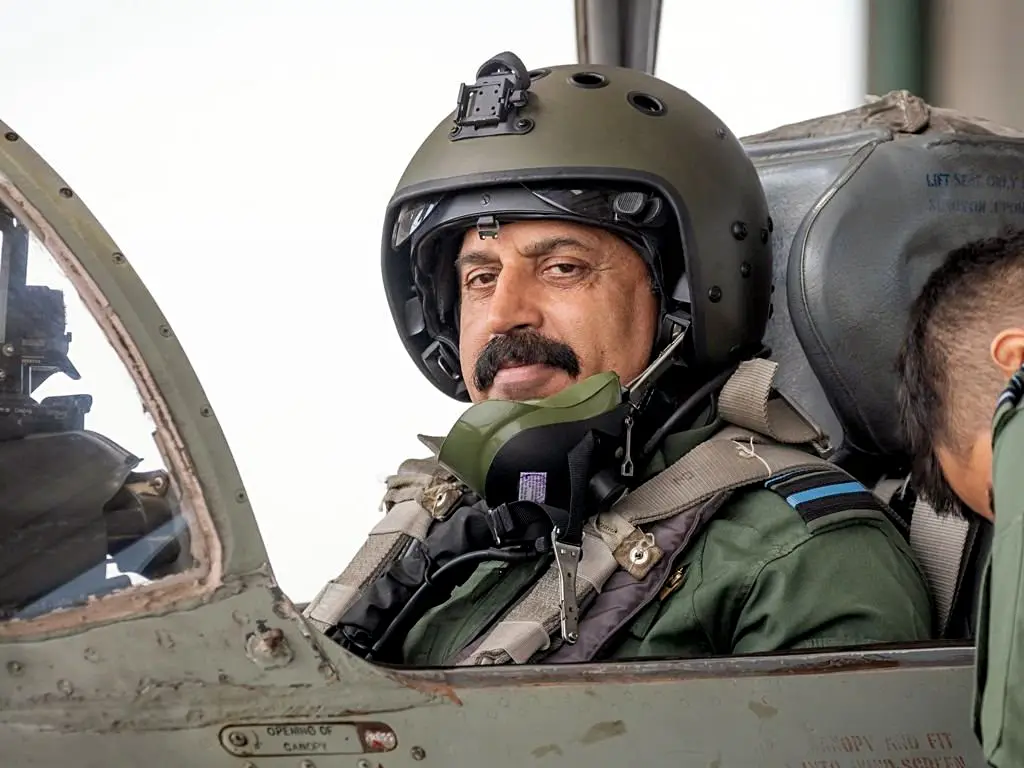
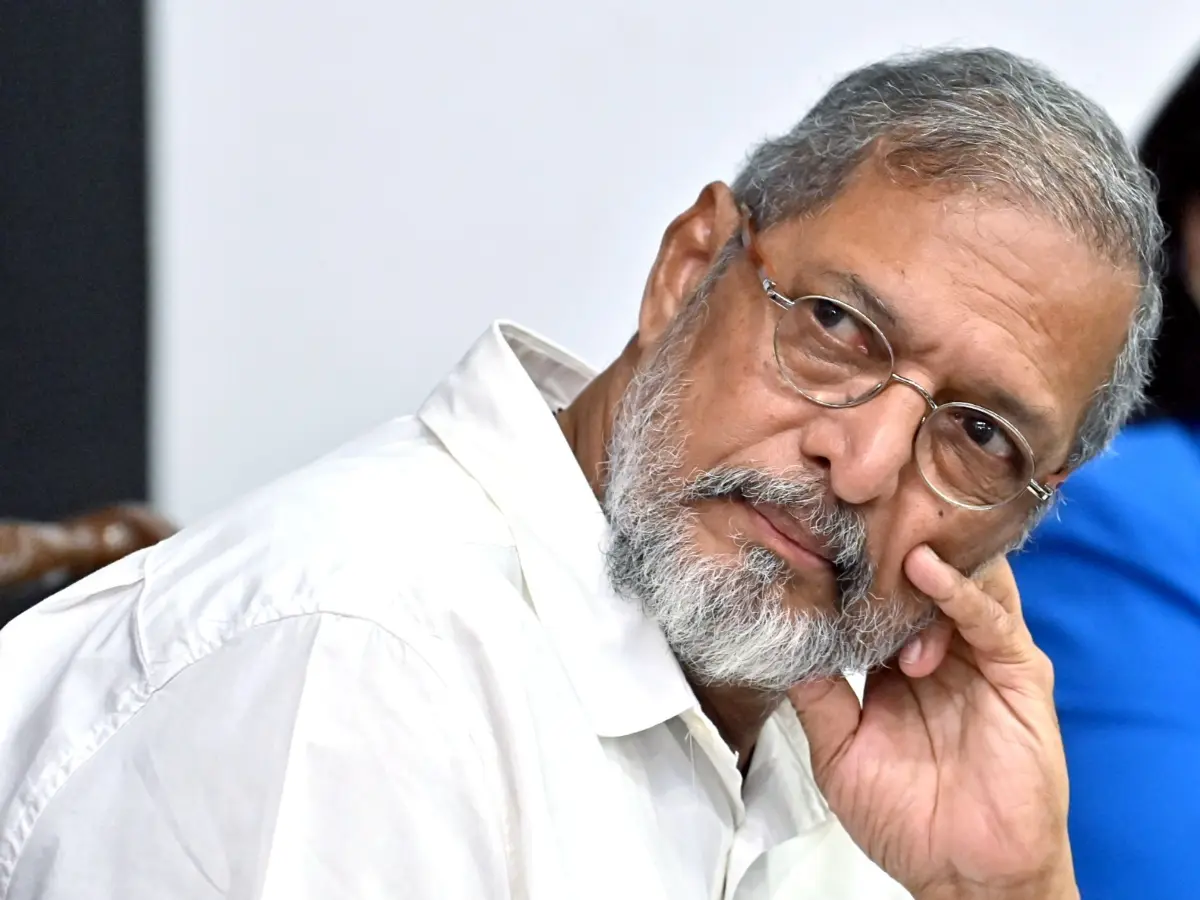
File photo of Former Indian Air Force Chief Air Chief Marshal RKS Bhadauria. Photograph: (ANI)
RKS Bhadauria explained that future directed-energy systems could employ lasers and microwaves against different threats, including drones and missiles. These remain prospective capabilities rather than systems currently operational aboard Indian fighters.
Former Indian Air Force Chief Air Chief Marshal RKS Bhadauria has outlined how India's next air war could be fought, warning that Pakistan may acquire stealth fighters before India while highlighting the growing importance of aircraft-mounted directed-energy weapons, indigenous stealth technology and military satellites.
Speaking exclusively to WION Defence Pulse, Bhadauria said sixth-generation combat aircraft could eventually carry directed-energy weapons capable of intercepting incoming missiles. “Once you talk of 6th generation technologies, you should be able to have, you know, direct energy capability within the aircraft platform, manned platforms, even unmanned ones, which can shoot incoming missiles. So, that is the future,” he said.
He explained that future directed-energy systems could employ lasers and microwaves against different threats, including drones and missiles. These remain prospective capabilities rather than systems currently operational aboard Indian fighters.
Pakistan May Get Stealth Fighters Before India
Bhadauria offered a significant assessment of the emerging regional air-power balance. “In all likelihood, stealth will come to Pakistan before us,” he said. The former Air Chief stressed that India must prepare countermeasures, including integrated sensor networks, longer-range air-to-air and air-to-ground weapons and the ability to prevent hostile aircraft from taking off. He also warned that Pakistan would be better prepared following Operation Sindoor, making more capable, longer-range weapons increasingly important.
Trending Stories
&imwidth=280&imheight=210&format=webp&quality=medium)
&imwidth=280&imheight=210&format=webp&quality=medium)
&imwidth=280&imheight=210&format=webp&quality=medium)
&imwidth=280&imheight=210&format=webp&quality=medium)
&imwidth=280&imheight=210&format=webp&quality=medium)
&imwidth=280&imheight=210&format=webp&quality=medium)
&imwidth=280&imheight=210&format=webp&quality=medium)
&im=FitAndFill=(700,400)&imwidth=280&imheight=210&format=webp&quality=medium)
&imwidth=280&imheight=210&format=webp&quality=medium)
&imwidth=280&imheight=210&format=webp&quality=medium)
&im=FitAndFill=(700,400)&imwidth=280&imheight=210&format=webp&quality=medium)
&imwidth=280&imheight=210&format=webp&quality=medium)
&imwidth=280&imheight=210&format=webp&quality=medium)
&imwidth=280&imheight=210&format=webp&quality=medium)
&imwidth=280&imheight=210&format=webp&quality=medium)
&imwidth=280&imheight=210&format=webp&quality=medium)
&imwidth=280&imheight=210&format=webp&quality=medium)
&imwidth=280&imheight=210&format=webp&quality=medium)
&imwidth=280&imheight=210&format=webp&quality=medium)
&imwidth=280&imheight=210&format=webp&quality=medium)
&imwidth=280&imheight=210&format=webp&quality=medium)
&imwidth=280&imheight=210&format=webp&quality=medium)
&imwidth=280&imheight=210&format=webp&quality=medium)
&imwidth=280&imheight=210&format=webp&quality=medium)
&imwidth=280&imheight=210&format=webp&quality=medium)
&imwidth=280&imheight=210&format=webp&quality=medium)
&imwidth=280&imheight=210&format=webp&quality=medium)
&imwidth=280&imheight=210&format=webp&quality=medium)
&imwidth=280&imheight=210&format=webp&quality=medium)
&imwidth=280&imheight=210&format=webp&quality=medium)
&imwidth=280&imheight=210&format=webp&quality=medium)
&imwidth=280&imheight=210&format=webp&quality=medium)
&imwidth=280&imheight=210&format=webp&quality=medium)
&imwidth=280&imheight=210&format=webp&quality=medium)
&imwidth=280&imheight=210&format=webp&quality=medium)
&imwidth=280&imheight=210&format=webp&quality=medium)
AMCA and Tejas Mk2 Must Move Faster
On India's indigenous fighter programmes, Bhadauria emphasised that the Advanced Medium Combat Aircraft (AMCA) and Tejas Mk2 were progressing in parallel. He clarified that AMCA design and development had not stopped while the process for involving private industry continued. However, he acknowledged that Tejas Mk2 development needed acceleration. Bhadauria also backed the IAF's ambition to induct 36 to 40 fighters annually, pointing to higher Tejas production and a future multirole fighter manufacturing programme as potential contributors.
Project Kusha as Important as Indigenous Stealth Technology
Bhadauria placed India's indigenous long-range air-defence programme alongside its most important fighter projects.
“The success of Project Kusha is as important as the success of, let's say, the Mark 2, success of developing stealth technology,” he said. He argued that India must develop its own long-range interception capabilities and progressively improve their range and integration.
India Needs Its Own Eyes in Space
The former IAF Chief also called for round-the-clock intelligence, surveillance and reconnaissance through indigenous space-based sensors. “We need to work on putting sensors in space, putting our own sensors, not imported sensors, our own sensors in space,” he said.
Bhadauria stressed the importance of integrating satellite intelligence with military command networks to provide continuous battlefield awareness. He also flagged India's slow progress in manned-unmanned teaming, envisioning a future where one fighter aircraft could control four, six or even eight unmanned combat aircraft.
His central message was that India's future air superiority would depend not simply on acquiring more fighter jets, but on developing an interconnected combat ecosystem combining stealth aircraft, drones, precision weapons, advanced air defence and space-based intelligence.

