S-400 to Kusha: India builds multi-layered sky shield

&imwidth=600&imheight=450&format=webp&quality=medium "S-400 to Kusha: India builds multi-layered sky shield")
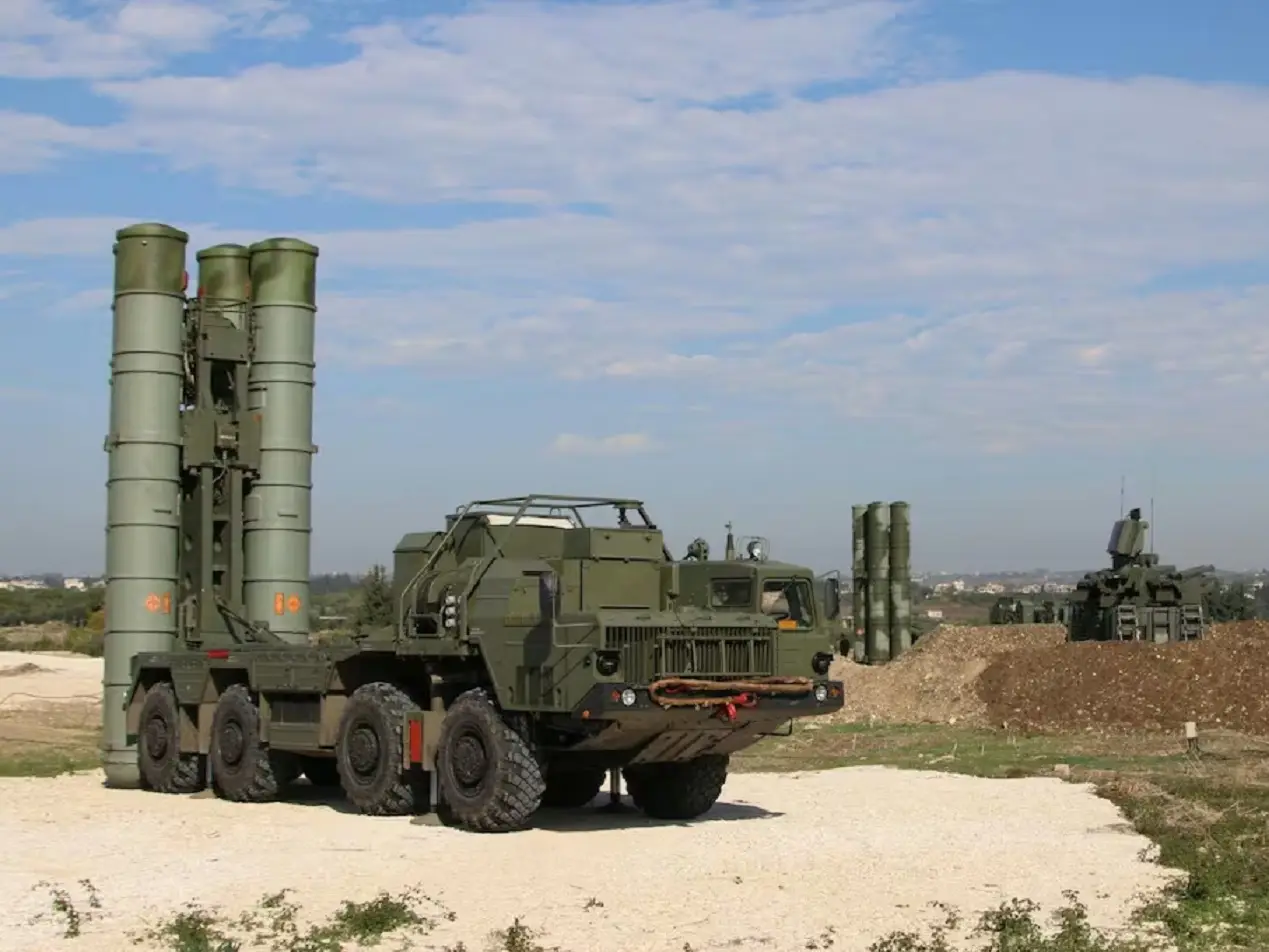
Expensive long-range interceptors cannot be used against every inexpensive drone. Photograph: (AFP)
The indigenous air defence programme is being developed around multiple interceptor types and is intended to give India the ability to engage threats at extended ranges. In the age of saturation attacks, the decisive factor may not be one missile system but how every layer works together.
Hostile skies can turn into a battlefield within seconds. Ballistic missiles, cruise missiles, fighter aircraft and cheap loitering munitions can arrive in waves, giving air defence systems only moments to detect, identify and intercept incoming threats.
The wars in Ukraine and West Asia have demonstrated this challenge. For India, the answer is an increasingly layered air defence architecture designed to protect critical military and civilian infrastructure.
At the heart of this shield is the Russian-made S-400 Triumf. Russia has reportedly submitted a proposal worth more than ₹50,000 crore for five additional S-400 squadrons, alongside hundreds of interceptor missiles. The system can engage certain targets at ranges of up to 400 kilometres.
But India’s longer-term objective is increasingly indigenous.
Air Marshal Anil Chopra (Retd.) believes imported systems can bridge the capability gap while Indian alternatives mature.
“While we are making Indian systems and some of the systems take their own time to mature, these are interim,” Chopra said, adding that eventually “S-400 will phase out and we would have had by then many, many new and better Indian systems.”
Trending Stories
&imwidth=280&imheight=210&format=webp&quality=medium)
&imwidth=280&imheight=210&format=webp&quality=medium)
&imwidth=280&imheight=210&format=webp&quality=medium)
&imwidth=280&imheight=210&format=webp&quality=medium)
&im=FitAndFill=(700,400)&imwidth=280&imheight=210&format=webp&quality=medium)
&imwidth=280&imheight=210&format=webp&quality=medium)
&imwidth=280&imheight=210&format=webp&quality=medium)
&imwidth=280&imheight=210&format=webp&quality=medium)
&imwidth=280&imheight=210&format=webp&quality=medium)
&imwidth=280&imheight=210&format=webp&quality=medium)
&imwidth=280&imheight=210&format=webp&quality=medium)
&imwidth=280&imheight=210&format=webp&quality=medium)
&imwidth=280&imheight=210&format=webp&quality=medium)
&imwidth=280&imheight=210&format=webp&quality=medium)
&imwidth=280&imheight=210&format=webp&quality=medium)
&imwidth=280&imheight=210&format=webp&quality=medium)
&imwidth=280&imheight=210&format=webp&quality=medium)
&imwidth=280&imheight=210&format=webp&quality=medium)
&imwidth=280&imheight=210&format=webp&quality=medium)
&imwidth=280&imheight=210&format=webp&quality=medium)
&imwidth=280&imheight=210&format=webp&quality=medium)
&imwidth=280&imheight=210&format=webp&quality=medium)
&imwidth=280&imheight=210&format=webp&quality=medium)
&imwidth=280&imheight=210&format=webp&quality=medium)
&imwidth=280&imheight=210&format=webp&quality=medium)
&imwidth=280&imheight=210&format=webp&quality=medium)
&imwidth=280&imheight=210&format=webp&quality=medium)
&imwidth=280&imheight=210&format=webp&quality=medium)
&imwidth=280&imheight=210&format=webp&quality=medium)
&imwidth=280&imheight=210&format=webp&quality=medium)
&imwidth=280&imheight=210&format=webp&quality=medium)
&imwidth=280&imheight=210&format=webp&quality=medium)
&imwidth=280&imheight=210&format=webp&quality=medium)
&im=FitAndFill=(700,400)&imwidth=280&imheight=210&format=webp&quality=medium)
India is already constructing a multi-tiered network. Indigenous Akash surface-to-air missiles provide one layer, while MRSAM provides another. Ballistic missile defence capabilities add protection against higher-speed threats.
The challenge is integration. Expensive long-range interceptors cannot be used against every inexpensive drone. Sensors, command networks and different interceptor systems must therefore work together to select the most appropriate weapon for each threat.
This is where Project Kusha could become critical.
The indigenous long-range air defence programme is being developed around multiple interceptor types and is intended to give India the ability to engage threats at extended ranges.
Chopra believes Kusha could eventually become the backbone of India’s long-range architecture.
“Kusha will come in much, much larger numbers in the long term because we have mastered the radar missile technologies as far as ground-based systems is concerned,” he said, adding, “I think we should be able to suffice with S-400 and the Kusha with larger numbers.”
India’s strategy is therefore moving beyond individual weapons towards an integrated shield.
In the age of saturation attacks, the decisive factor may not be one missile system, but how effectively every layer works together.

