
&imwidth=800&imheight=600&format=webp&quality=medium "India’s skies go global: Why the world’s fighter jets are coming to train")
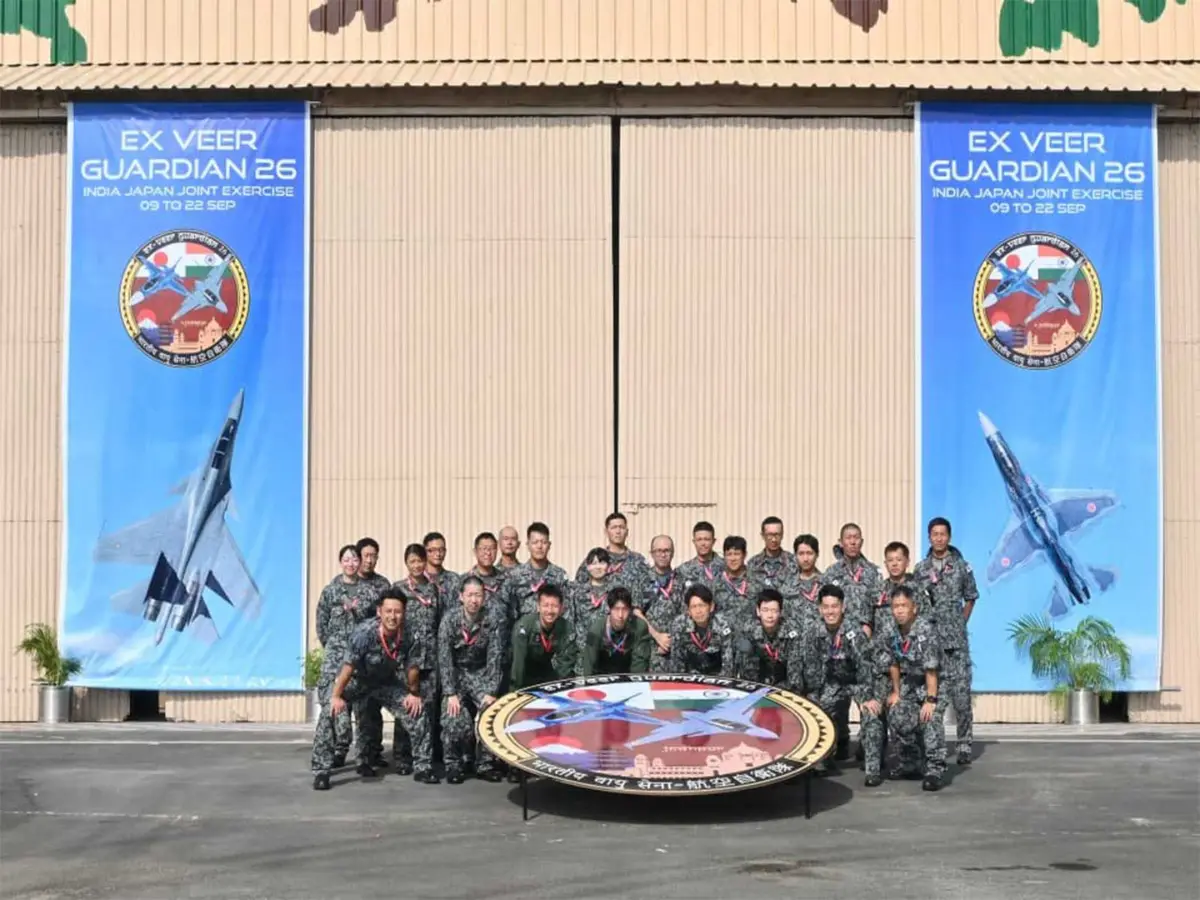
India is emerging as an increasingly important classroom for modern air combat. The immediate example is Veer Guardian 2026, where Japan’s F-2 fighters are operating from Indian soil for a joint exercise for the first time. At Jodhpur, they are training alongside three very different Indian fighters: the Russian-origin Su-30MKI, French Rafale and indigenous Tejas. The attraction goes beyond flying another country’s aircraft.
India offers an unusual combination of dissimilar fighters, large training airspace and diverse operating environments. The Indian Air Force has spent decades operating aircraft, weapons and sensors originating from different technological ecosystems. It creates a distinctive training environment for visiting forces.

India's geography adds another dimension, from Rajasthan’s deserts and vast airspace to high-altitude and maritime operating environments.
And Veer Guardian is part of a larger trend. With multinational Tarang Shakti 2026 expected to follow, India is increasingly becoming a place where different air forces can test interoperability, mission planning and tactics against unfamiliar aircraft and operating philosophies.
On WION's Defence Pulse, I asked former Vice Chief of the Air Staff Air Marshal Nagesh Kapoor, what pilots actually learn when unfamiliar fighters meet?
Trending Stories
)
The Early Spring is proof not everyone can talk about their real feelings, and it is perfectly OK
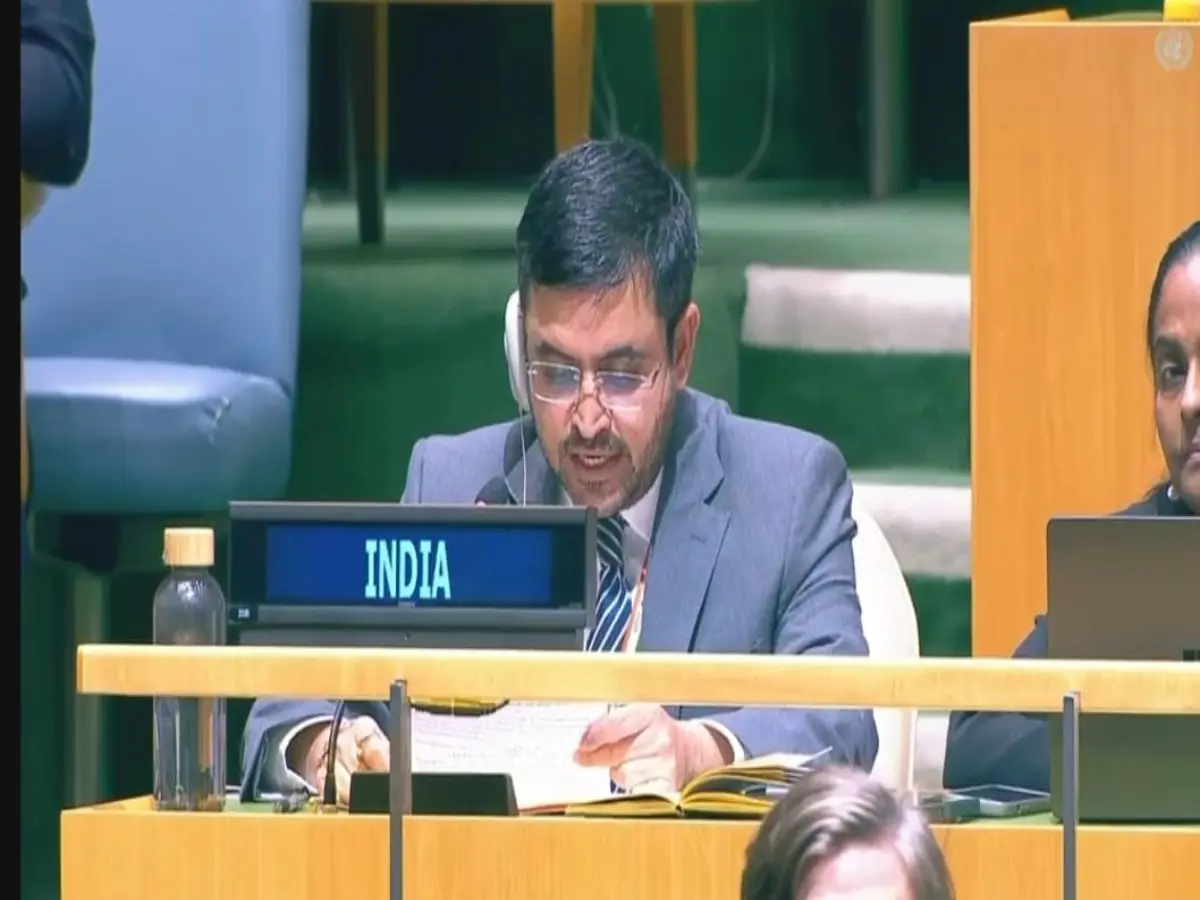)
UN votes to ‘correct the map’ as India backs fairer world view
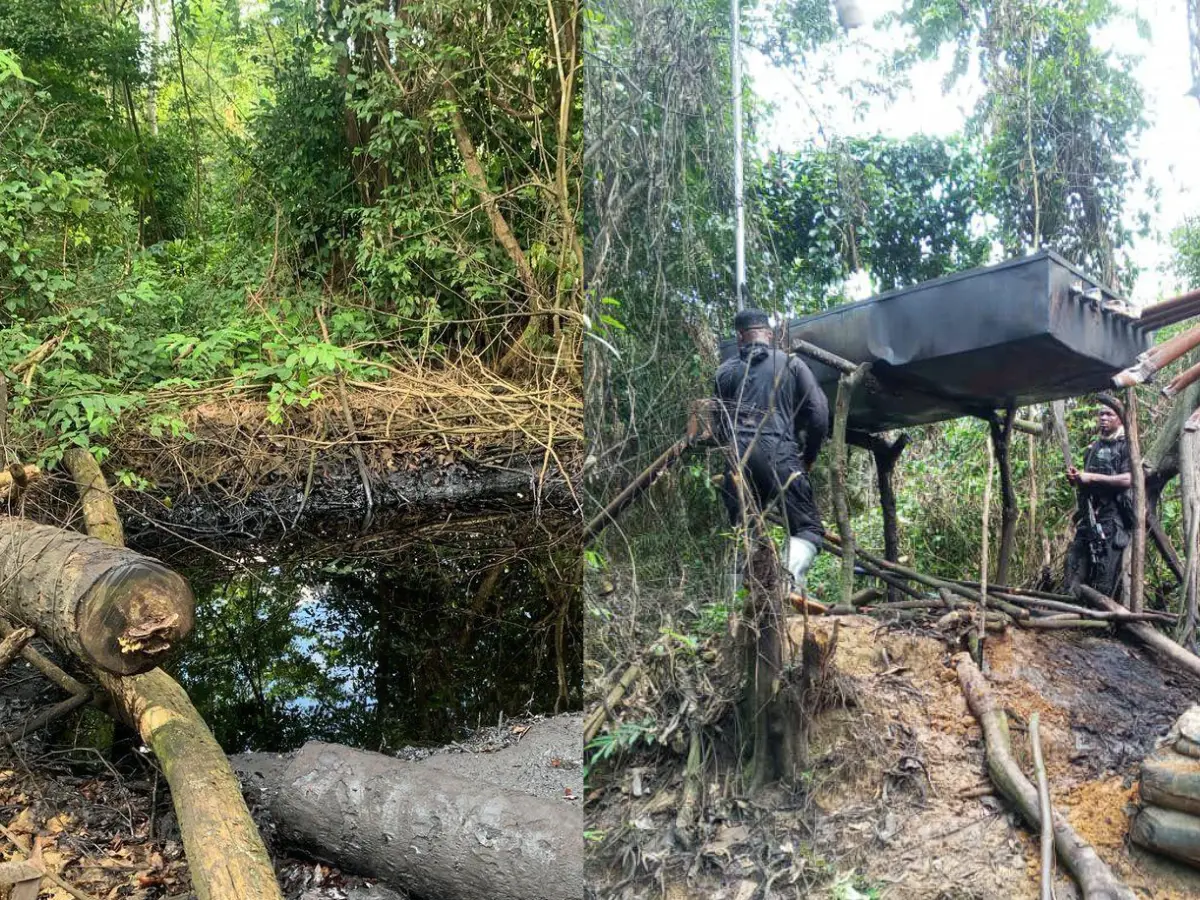)
Nigerian Navy discovers 99,000 litres of suspected stolen, illegally refined products as it intensifies anti-crude oil theft operations
)
Who is Aditi Paudel? 17-year-old becomes Japan's first literacy ambassador
)
Bengaluru: Officials find 40 kg expired chilli at chairman's club
)
Jaishankar rejects trade link to ending Ukraine war
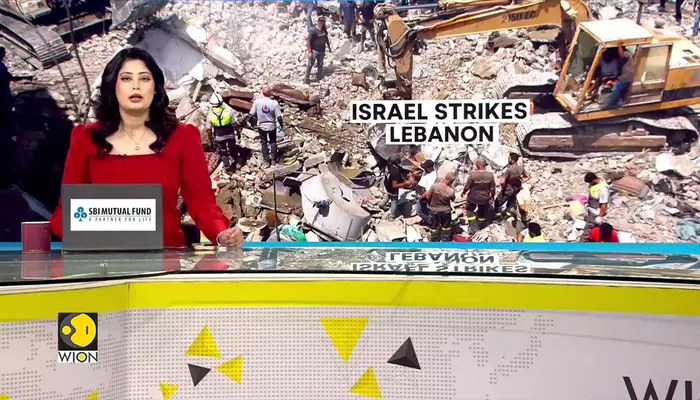)
Israeli strikes on Lebanon kill three, injure 23 despite truce
)
Alpine glacier was covered with sheep wool sheets to prevent melting. It worked
)
South Korea mulls deploying military assets to Strait of Hormuz
)
World's fifth-largest economy, British army can't afford to train
)
Breaking | Vance takes the podium: First White House briefing since Leavitt's exit
)
Taiwan raises 'concerns' over China's missile test
)
BRICS 2026: $1 trillion sovereign capital set to converge in Delhi for first iBRICS Summit
)
What is Iran's Pickaxe Mountain that Trump has again threatened to bomb?
)
UN votes to correct world map that visually shrank Africa for 450 years
)
Former NewJeans member Danielle launches YouTube channel, hints at new solo journey
)
Bangladesh batter Towhid Hridoy creates history with 350 not out in South Africa
)
Brendan Fraser’s transformation fuels The Mummy 4 excitement as fans welcome back Rick O’Connell
&im=FitAndFill=(700,400))
Krishna Janmashtami 2026: From Dhaniya Panjiri to Makhana Kheer- 5 best sweet dishes perfect for celebrating Lord Krishna’s birth
)
Donald Trump plans to travel to Ireland on Qatari-donated jet amid security concerns
)
Nazi-looted art to return to Jewish heirs
)
Eight killed in Kerala’s Thrissur after car rams into lorry parked on highway
&im=FitAndFill=(700,400))
Why Russian fighter jets use bulky, low-pressure tyres compared to US jets
)
FBI-wanted fraud accused arrested in Jalandhar over $600,000 scam
&im=FitAndFill=(700,400))
Why US tanks weigh over 20 tons more than Russian tanks
&im=FitAndFill=(700,400))
New Friday OTT releases (September 4, 2026): GDN, Dhamaal 4, Jagamae Sangeetham- Watch 6 new movies and TV shows on Netflix, Prime Video and more
)
Killing the Himalayas slowly: Human urine is melting a glacier on Mount Everest
He said modern air combat is no longer about comparing individual aircraft characteristics alone. “A fighter aircraft today is not simply a platform. There are a whole lot of sensors.” Kapoor said the real exercise involves understanding how information is collected, communicated from command-and-control systems, absorbed by pilots and ultimately converted into combat action.
I also asked Air Marshal Kapoor about how much information is revealed even to friendly forces in a joint drill, he explained there are limits to what participating countries reveal. Kapoor said such exercises are planned six to eight months in advance, with missions and boundaries agreed beforehand. “Whatever is in the open domain is laid out.”
So why travel thousands of kilometres to India?
Kapoor points to India’s Russian, French and indigenous aircraft mix, its extensive airspace, geography, climate and growing experience of multinational exercises. He described India’s diverse fleet as offering visiting air forces a “huge platter to choose from.” And the learning works both ways. “They come to us because we’ve got the experience, and when we fly with them, we get the experience.” That may ultimately explain India’s growing attraction. Foreign air forces are not simply coming to India to fly. They are coming to encounter aircraft, environments and ways of fighting they do not encounter at home.

