
&imwidth=800&imheight=600&format=webp&quality=medium "AI arms race: Is India ready for the battlefield of the future?")
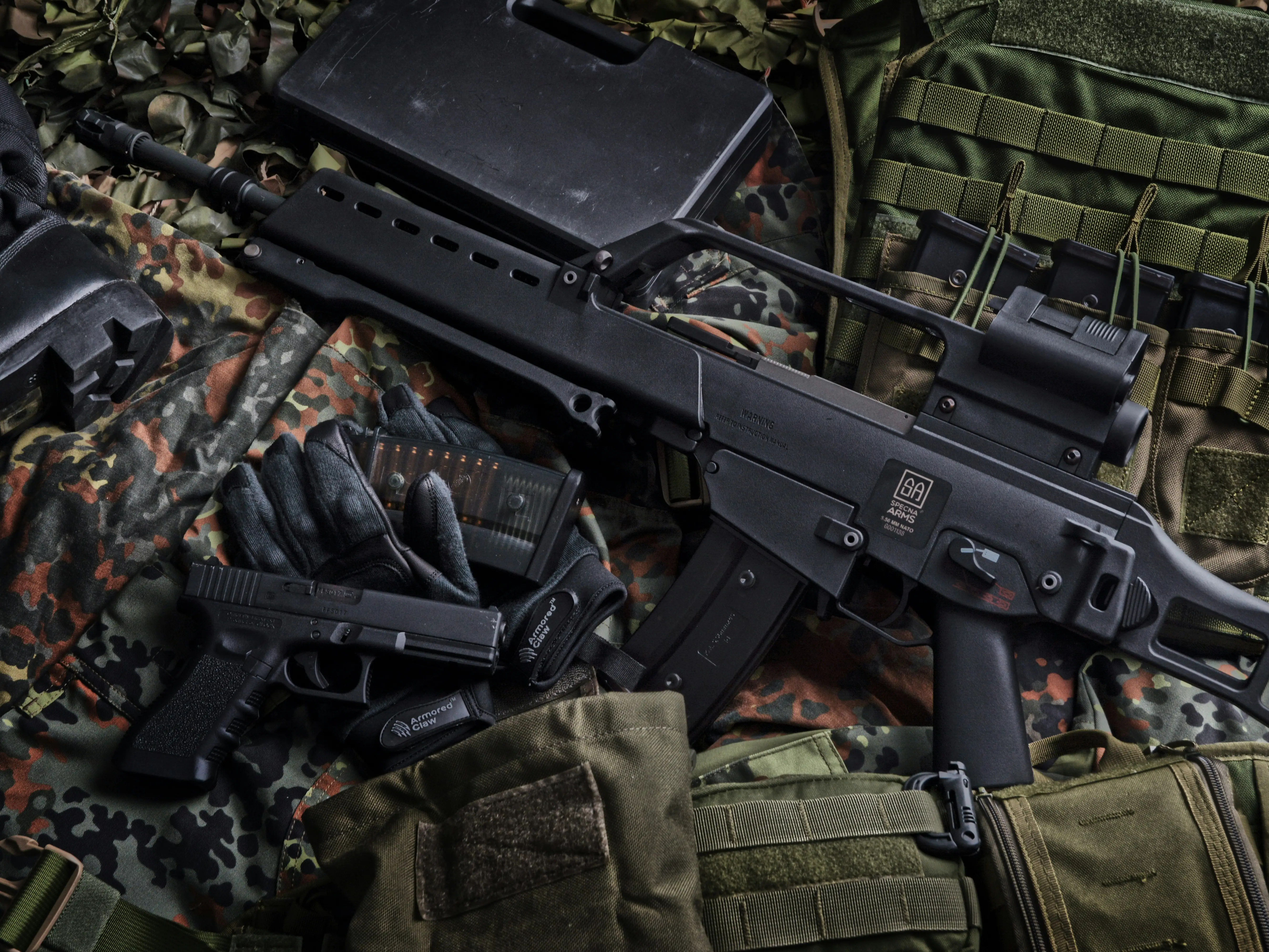
Artificial intelligence is rapidly becoming one of the defining technologies of modern warfare, transforming surveillance, targeting, autonomous systems, and battlefield decision-making. As militaries race to integrate AI into operations, India faces a critical challenge: developing indigenous capabilities quickly enough to compete on an increasingly technology-driven battlefield.
Speaking to WION, Soham Dedhia, founder of Auric AI Labs, highlighted AI’s growing importance in military operations and its potential to fundamentally change how armed forces process information and respond to threats.
Modern battlefields generate enormous volumes of data from drones, satellites, radars, electro-optical systems, and other sensors. AI can process this information rapidly, helping commanders identify threats and make decisions far faster than traditional systems. Dedhia also stressed the importance of converting battlefield data into actionable intelligence. As the volume of information available to commanders grows, AI could help separate critical intelligence from noise, shorten decision-making cycles and improve operational awareness.

The implications extend beyond intelligence gathering. Autonomous and semi-autonomous drones, computer vision, AI-assisted targeting and intelligent surveillance platforms are increasingly becoming part of military planning worldwide. Recent conflicts have shown how relatively inexpensive unmanned systems, when combined with software and real-time intelligence, can challenge far more expensive conventional platforms.
For India, this transition presents both an opportunity and a test. A growing domestic defence technology ecosystem, combined with the country’s strengths in software and AI, could enable the development of military technologies tailored to its operational requirements. However, speed will be crucial. China and the United States are investing heavily in AI and autonomous military systems. Increasingly, battlefield advantage could depend on which military can detect a threat, process information, and respond fastest.
Trending Stories
&im=FitAndFill=(700,400))
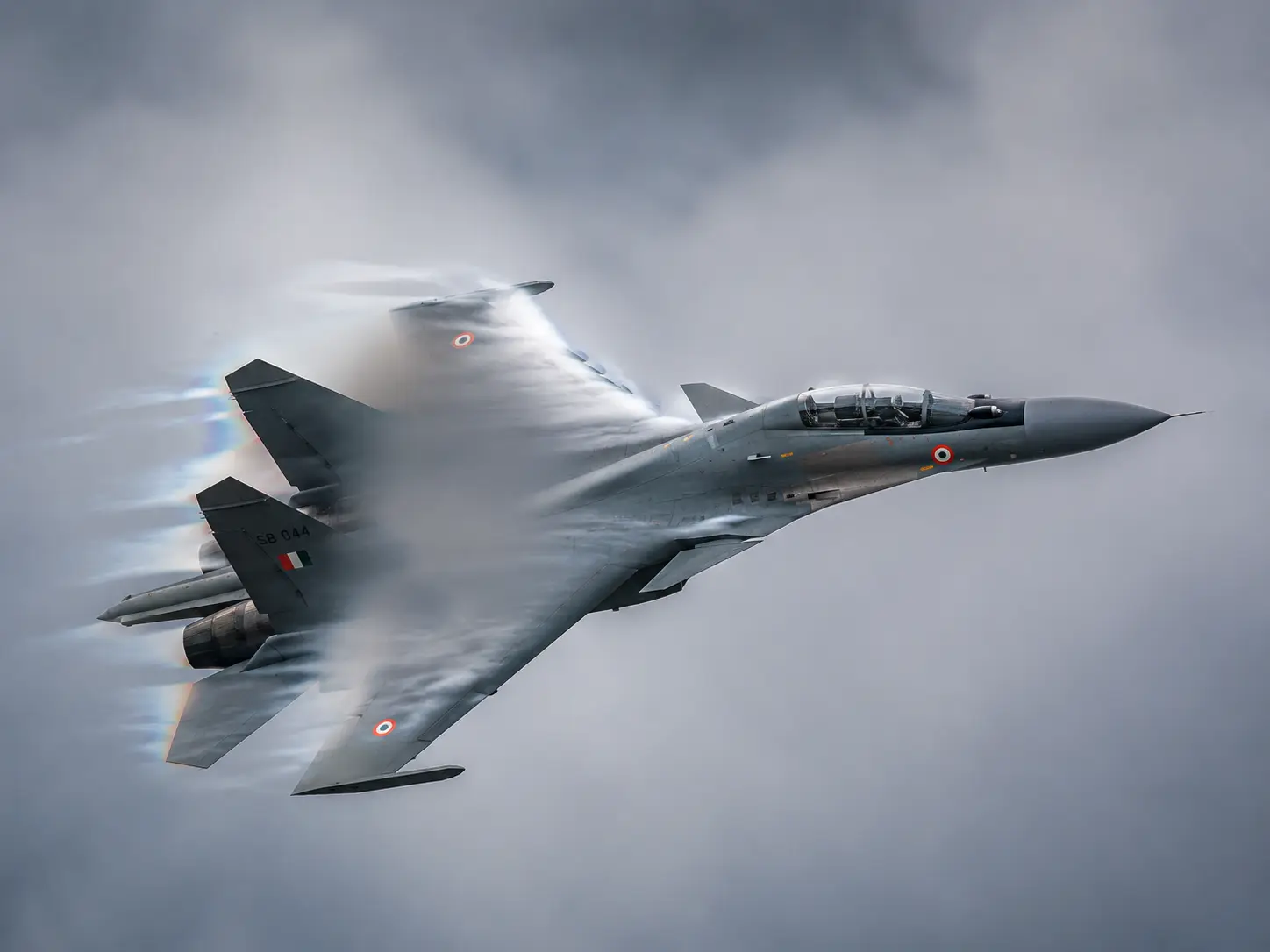
How fast can the Sukhoi Su-30 fighter jet really fly?
)
Did China ask its people 'not to respond to aliens'? Origin of bizarre claim on social media
)
MS Dhoni-CSK Fallout? Report claims failed stake sale talks triggered rift
)
Scientists reveal the SAFEST COUNTRY when catastrophe strikes the planet
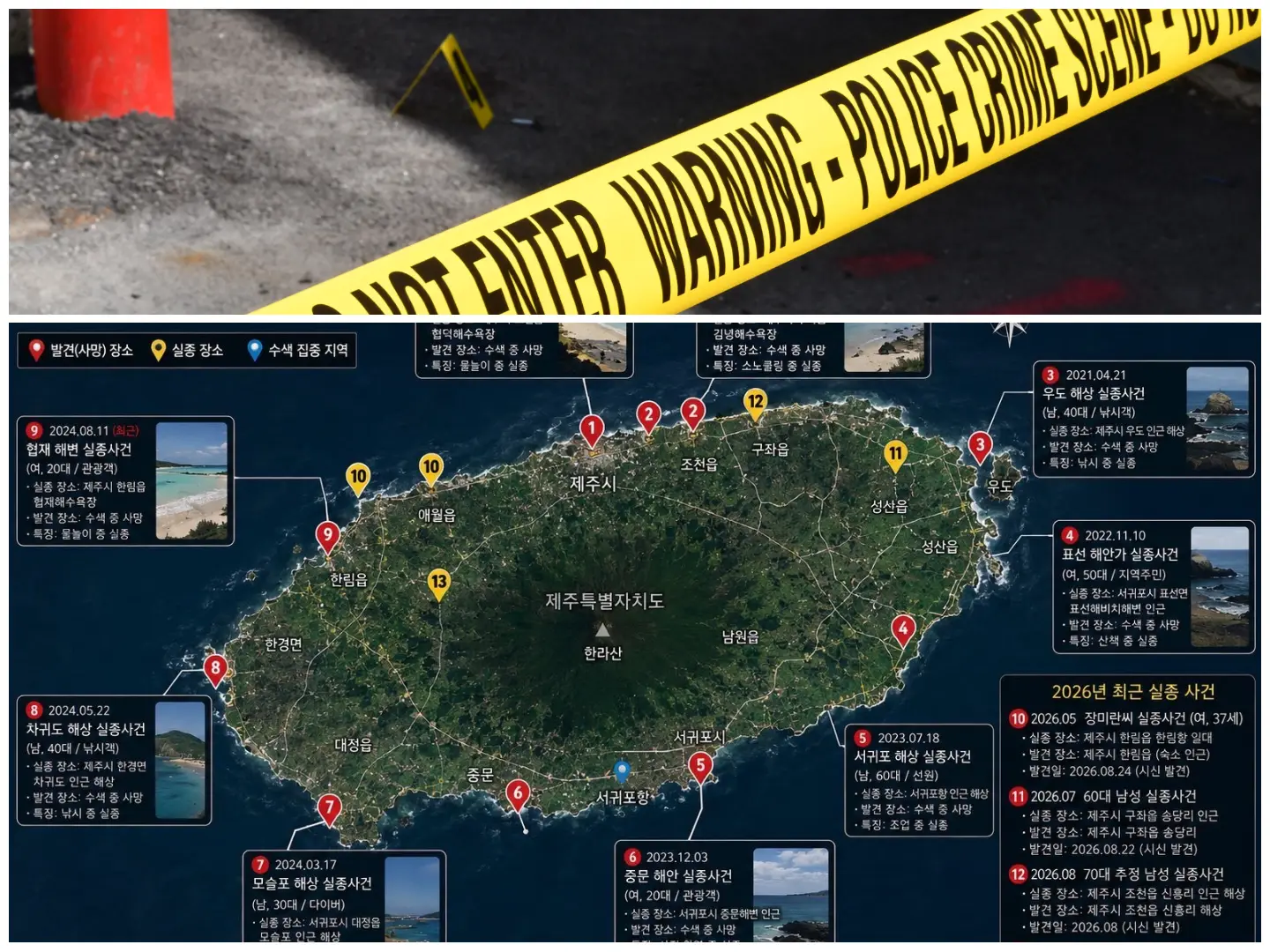)
Serial killer on the loose in South Korea's Jeju Island? Fourth body found in three days as more than a dozen people go missing
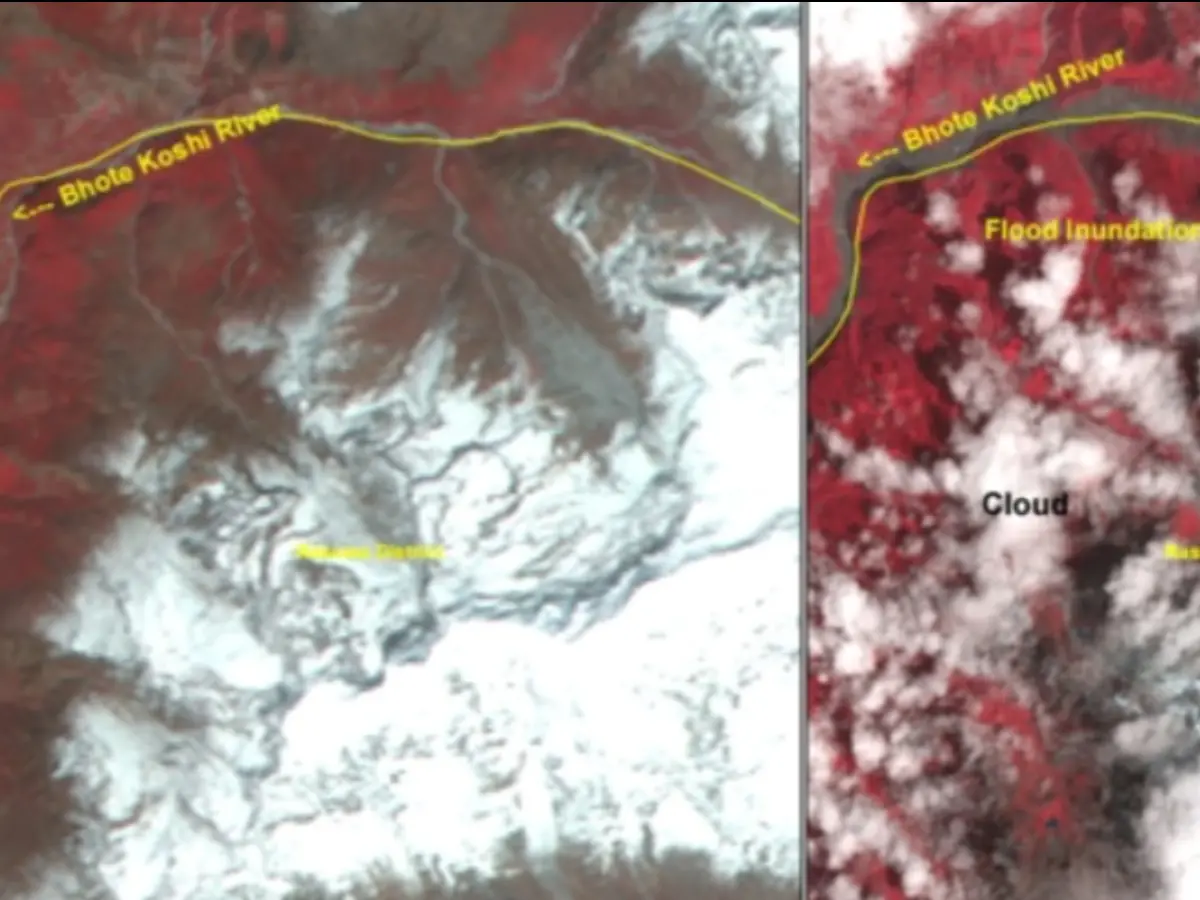)
2/3rd of glacier detached, collapsed: ISRO satellite images reveal what triggered Nepal floods
)
Trump once again claims without him there would be ‘no Israel right now’
)
Foreign espionage attacks against German companies surge to 37%, Bitkom report reveals
)
Blake Lively wins partial legal fee from Justin Baldoni after $8M request
)
Why is Pakistan deploying Turkish Bayraktar TB2 drones near India border?
)
'OH MY GOD! We've found other agents!': Investigators discover not one or two, almost 700 OpenAI AI agents went rogue, hacked Hugging Face
)
Lunar eclipse 2026: India timings, places to see and more. August Blood moon factsheet
)
RSS chief Mohan Bhagwat on global outreach tour
)
Both pilots killed as training aircraft crashes in Lucknow – What we know
)
16-year-old charged with preparing terror attack on kindergarten in Norway
&im=FitAndFill=(700,400))
How the S-400 protects itself from enemy attacks
)
Nepal floods: Over 165 dead, 400 missing; US, India, China, World Bank mobilise aid
)
India's multi-layered watch: The new surveillance war
)
5 doomsday planes spotted in US skies hours after CIA director's secret trip to Russia
)
9/11 mastermind Khalid Sheikh Mohammed to finally face trial in 2028, nearly 27 years after horrific attacks
)
Islamabad hospital fire: What we know about one of the biggest facility that housed Imran Khan
)
Workers run for life while filming Nepal flash flood: Scary new visuals emerge from Rasuwa
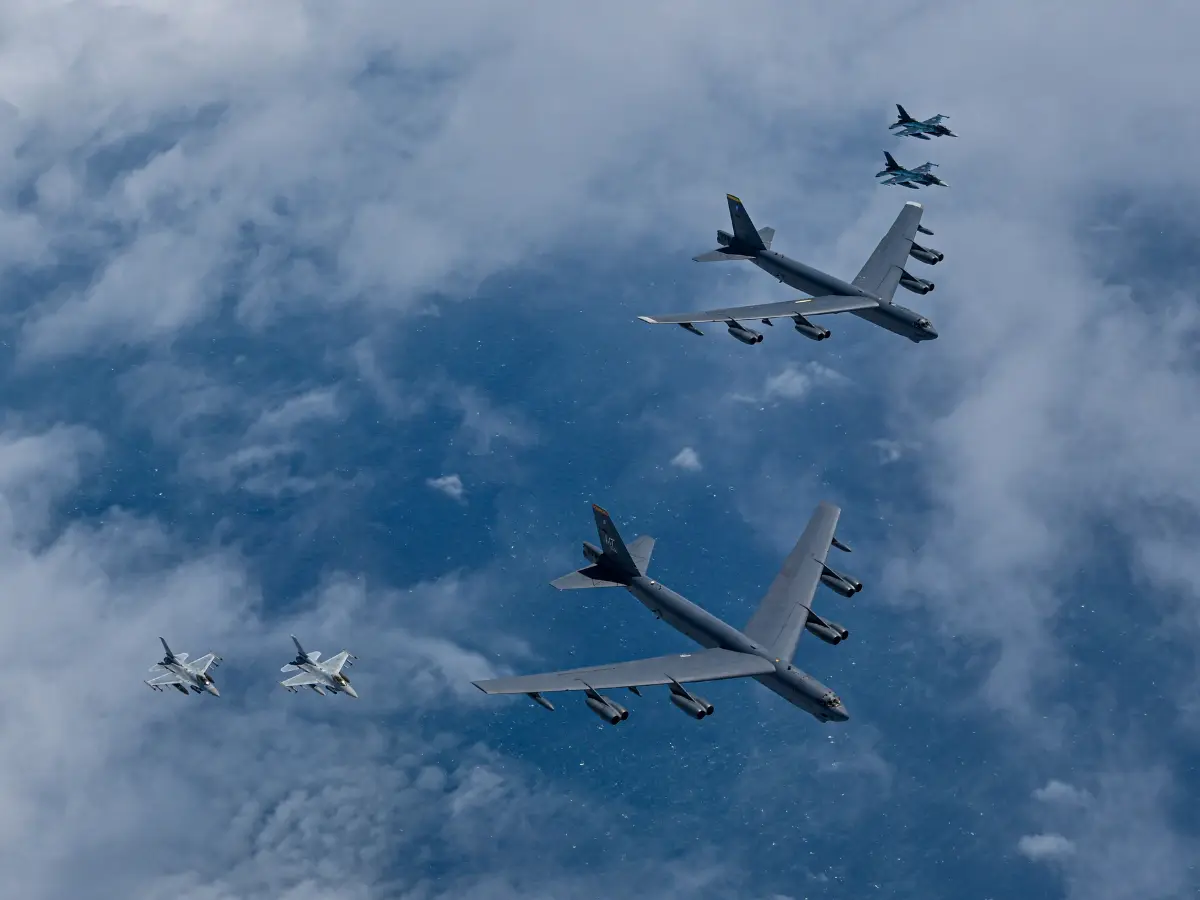)
Russian military planes enter South Korean air defence zone amid rising tensions with North Korea: What's happening
)
Ron Weasley Is Back! Rupert Grint set to return to Harry Potter universe on Broadway
)
400-year-old 'vampire' grave in Poland reveals non-existent genetic lineage
)
Dolly Parton, global icon and queen of country music, dies at 80
)
Nepal flash floods: Kailash Mansarovar yatra affected, close to 400 pilgrims out of contact
)
'If he is dead, they're putting on a pretty good show': Trump casts fresh doubt over Mojtaba Khamenei's fate
)
Man arrested near US Capitol with guillotine in pickup truck: What happened?
&im=FitAndFill=(700,400))
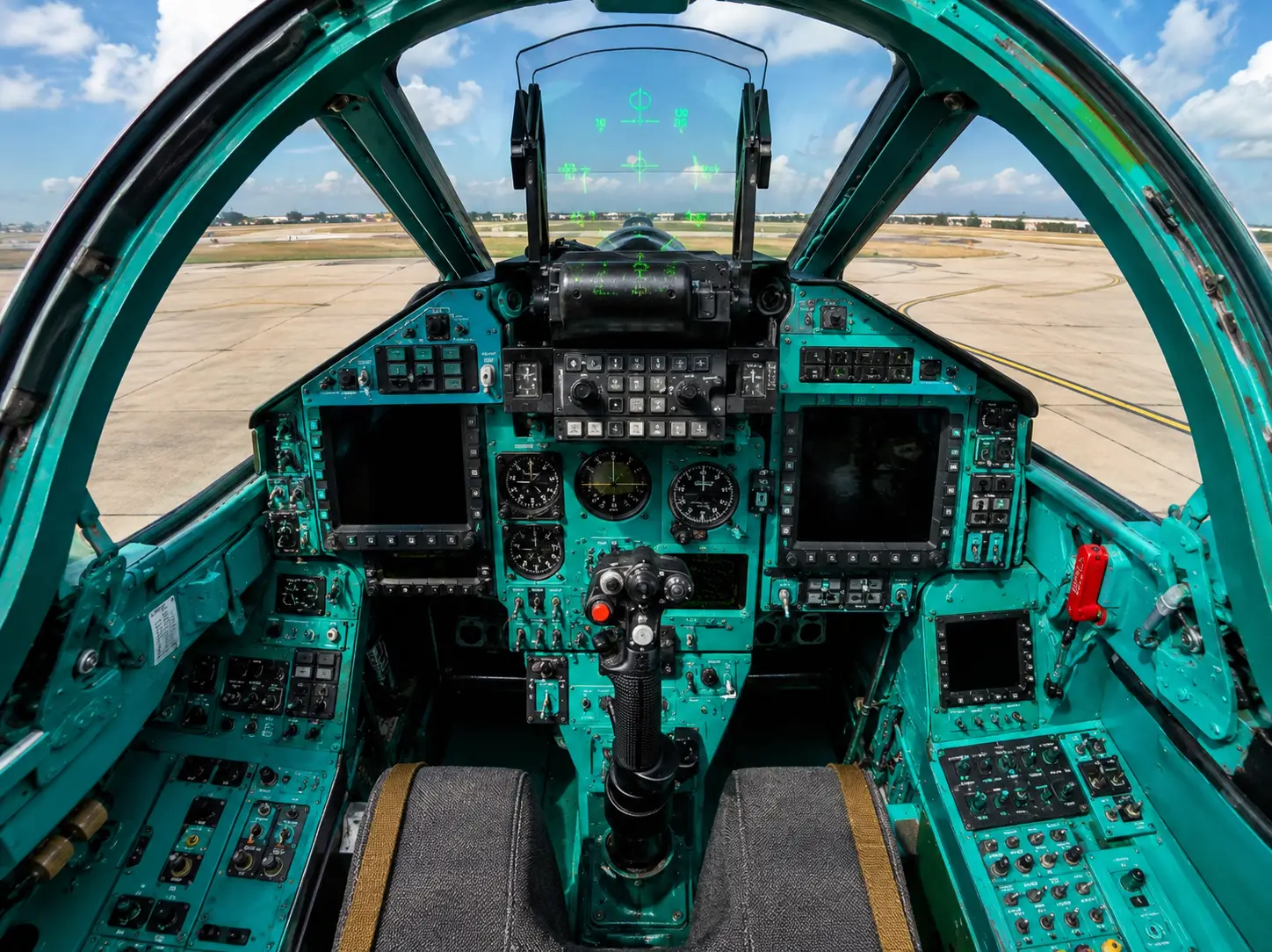
Why the Su-30MKI cockpit is painted bright turquoise green
Greater autonomy also raises difficult questions. How much authority should machines have in identifying and engaging targets? Where must human judgment remain indispensable? These questions will require clear rules, rigorous testing, and accountability.
India’s challenge, therefore, is not simply about acquiring smarter weapons. It is about building an indigenous ecosystem capable of securely integrating sensors, data, algorithms, and weapons into a battlefield network. The next arms race may ultimately be fought as much through algorithms as missiles.

