

&imwidth=800&imheight=600&format=webp&quality=medium "Why is Procter & Gamble exiting cash-strapped Pakistan after 34 years?")
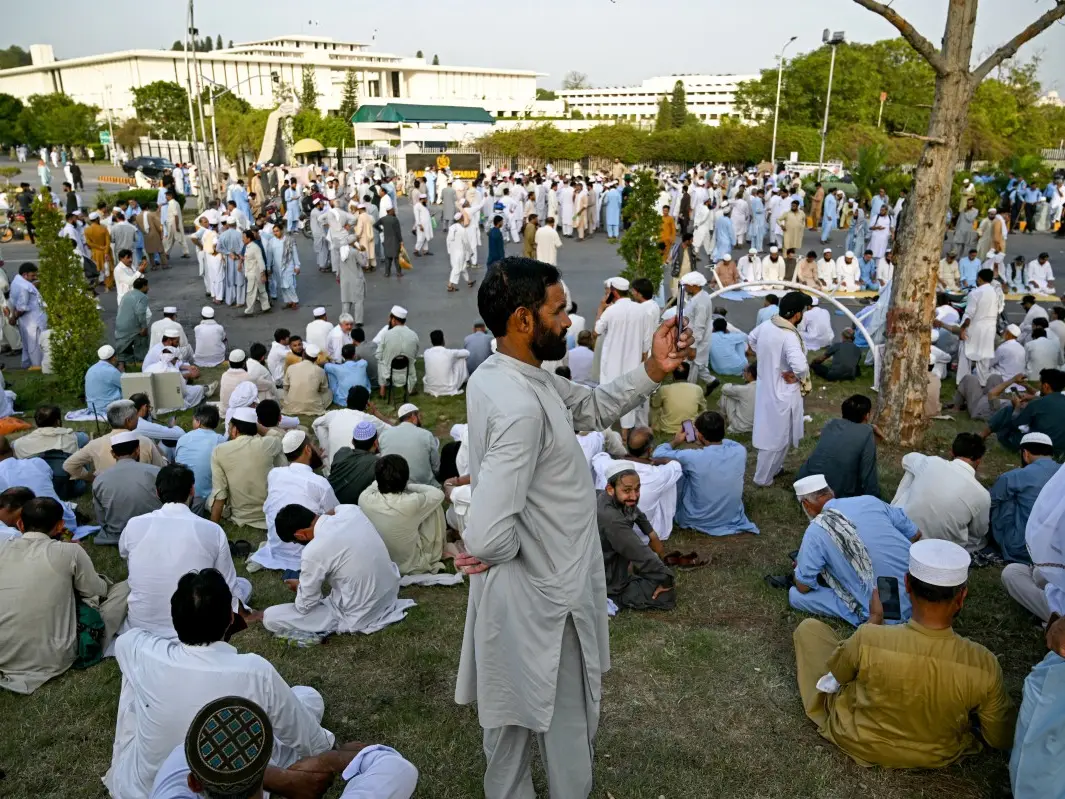
Procter & Gamble Company, one of the world's largest FMCG companies, is reportedly planning to exit cash-strapped Pakistan. The announcement came weeks after the giant announceda global restructuring drive. The company is planning to shut down its manufacturing in Pakistan, including its razors division, Gillette Pakistan Ltd. It is also mulling over delisting from the Pakistan Stock Exchange.
Gillette Pakistan’s board will make the decisions in this regard. The company's shares surged to a three-week high after the announcement.
In June, P&G announced its plans to streamline its brand portfolio and slash as many as 7,000 jobs over two years.
The company has reportedly been facing challenges in Pakistan, which has been experiencing several political and economic challenges. The country has a weak consumer demand. The company is also facing challenges emanatingfrom restrictions on profit repatriation, reported Bloomberg.
Gillette Pakistan’s revenue nearly halved in the fiscal year ended June 2025.
P&G entered Pakistan in 1991. It sells brands like Pampers, Safeguard, Ariel, Head & Shoulders, and Pantene in Pakistan.
Trending Stories
&imwidth=180&imheight=135&format=webp&quality=medium)
Global energy crisis hits Indian economy
&im=FitAndFill=(700,400)&imwidth=180&imheight=135&format=webp&quality=medium)
New OTT releases this week (October 12-18, 2026): Sacrifice, Koffee with Karan S9, Roadies Rebirth- 6 titles coming on Netflix, JioHotstar and more
&imwidth=180&imheight=135&format=webp&quality=medium)
Nobel Peace Prize winner Navi Pillay calls on US to 'get back to' being defender of human rights
&imwidth=180&imheight=135&format=webp&quality=medium)
Iranian woman, 23, handed death sentence for ‘blasphemy’ in social media post; appeals for help
&imwidth=180&imheight=135&format=webp&quality=medium)
Afghan FM Muttaqi to CdA Yatin Patel: We attach importance to relations with India
&imwidth=180&imheight=135&format=webp&quality=medium)
‘600,000 people without electricity’: Zelensky calls for ‘strong’ US sanctions on Russia, accuses Moscow of violating Trump’s energy ceasefire
&im=FitAndFill=(700,400)&imwidth=180&imheight=135&format=webp&quality=medium)
Which jobs are safest from humanoid robots?
&imwidth=180&imheight=135&format=webp&quality=medium)
Zelensky feels betrayed by Trump, urges Musk to restore Starlink in Ukraine; Musk responds
&imwidth=180&imheight=135&format=webp&quality=medium)
Three Indians killed in suspected arson attack in Germany, Romanian resident arrested
&imwidth=180&imheight=135&format=webp&quality=medium)
After flydubai co-pilot attack, Air France bans Pakistani, Muslim-majority crew on Israel flights
&imwidth=180&imheight=135&format=webp&quality=medium)
US judge blocks Trump administration sanctions on human rights groups supporting Gaza war crimes investigation
&imwidth=180&imheight=135&format=webp&quality=medium)
‘Rise up, young patriots!’: American singer Mary Millben says US donors funding CJP, backs Modi govt
&imwidth=180&imheight=135&format=webp&quality=medium)
Did the US withhold missile warnings? Ukraine questions Washington's 'bad weather' explanation after Russian strikes kill six, cut power to 600,000
&imwidth=180&imheight=135&format=webp&quality=medium)
Girl 'dead' for 8 hours wakes up at her own funeral, dad insists she wasn't breathing
&imwidth=180&imheight=135&format=webp&quality=medium)
F1 set to return to Africa for first time since 1993
&imwidth=180&imheight=135&format=webp&quality=medium)
Durga Puja 2026: Power banks, water bottles and more, a foolproof guide to pandal hopping
&imwidth=180&imheight=135&format=webp&quality=medium)
FBI refutes media report claiming Kash Patel is in Russia for talks, says he is in Virginia
&imwidth=180&imheight=135&format=webp&quality=medium)
'Don't ever mess with nature!': Trump’s tiger attack post triggers social media backlash as victim's family issues heartbreaking tribute
&imwidth=180&imheight=135&format=webp&quality=medium)
‘My president, I mean my husband’: Trump's new press secretary Katie Zacharia's first briefing goes off the rails in 14 minutes
&imwidth=180&imheight=135&format=webp&quality=medium)
'Turn approver, resign, we'll forgive you': Rahul Gandhi claims receiving messages from CEC Gyanesh Kumar
&imwidth=180&imheight=135&format=webp&quality=medium)
'Girls are uncomfortable': Salman Khan calls out paparazzi for bad angles, speaks on PR on Koffee With Karan
&imwidth=180&imheight=135&format=webp&quality=medium)
'FWD Supreme' to use AI for flight and threat identification
&imwidth=180&imheight=135&format=webp&quality=medium)
'Ouch!!! That must hurt': Kangana Ranaut hails Kamal Haasan's sharp reply to Elon Musk over Starlink row
&imwidth=180&imheight=135&format=webp&quality=medium)
Arijit Singh 9-city India stadium tour to start from January: Check venue and ticket prices
&imwidth=180&imheight=135&format=webp&quality=medium)
US Singer Mary Millben alleges foreign funding for CJP, warns against anti-Modi forces: All you need to know
&imwidth=180&imheight=135&format=webp&quality=medium)
Mars is not for man: Human heart is too weak to survive the trip, study shows
&imwidth=180&imheight=135&format=webp&quality=medium)
Durga Puja 2026: Kolkata roads get a splash of colours
&imwidth=180&imheight=135&format=webp&quality=medium)
Russian woman and Bihar boy's love story goes viral after she reaches India to marry him
&imwidth=180&imheight=135&format=webp&quality=medium)
Somaliland celebrates after Trump calls it 'a totally different country', raise hopes of US recognition
&imwidth=180&imheight=135&format=webp&quality=medium)
'Leakers should be shot': Trump rages over leak of US military plans to attack Iran, slams media
&imwidth=180&imheight=135&format=webp&quality=medium)
Trump's $100,000 H-1B fee: Why neither Republicans nor Democrats want to make it a 2026 US Midterm issue
&imwidth=180&imheight=135&format=webp&quality=medium)
Sheikh Hasina warns of 'deep sense of insecurity' among Bangladesh's minorities in Durga Puja message
&imwidth=180&imheight=135&format=webp&quality=medium)
'Totally unacceptable': MEA slams attacks on Saudi civilian infrastructure after Indian national's death
&imwidth=180&imheight=135&format=webp&quality=medium)
US midterms: Trump rallies behind Husted as Brown mounts challenge in crucial Ohio race
&im=FitAndFill=(700,400)&imwidth=180&imheight=135&format=webp&quality=medium)
Navratri 2026: 9 days, 9 forms of Goddess Durga and 9 colours- Check the complete list
The firm said in a statement that it has decided to use a third-party distribution model "to serve consumers in Pakistan at this time". The current employees of the firm might be considered for placements abroad. They may also be offered severance packages.
Saad Amanullah Khan, a former chief executive officer at Gillette Pakistan, said that the exits must make the rulers of the country aware that the economy is in doldrums. He cited regulatory pressures and high energy costs for the company's decision.
Several countries have already exited Pakistan, including Shell Plc, Pfizer Inc., TotalEnergies SE, and Telenor ASA.
P&G sold its soap manufacturing facility last year.
"Shell, Pfizer, Total, and Telenor have all pulled back from Pakistan in recent years as multinationals retreat despite its status as the world’s fifth-most populous nation. Pakistan has wider business and economic challenges, including profit-repatriation curbs and weak demand," Bloomberg journalist Faseeh Mangi wrote on X.