US plans AI chip curbs on Malaysia, Thailand amid China smuggling concerns

&imwidth=600&imheight=450&format=webp&quality=medium "US plans AI chip curbs on Malaysia, Thailand amid China smuggling concerns")
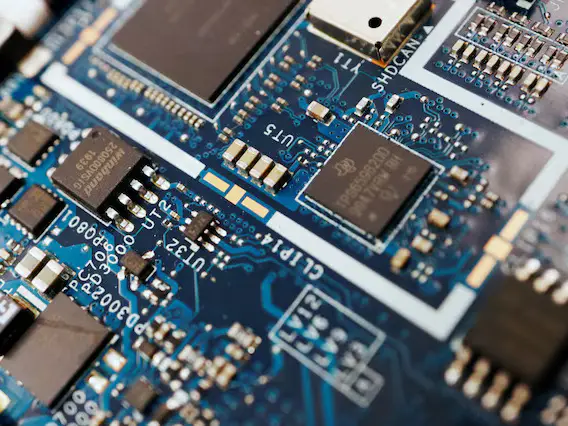
Semiconductor chips are seen on a circuit board of a computer in this illustration picture taken February 25, 2022. Photograph: (Reuters)
The new curbs are seen as a continuation and reshaping of the 2022 and 2023 restrictions imposed under President Joe Biden’s administration, which targeted direct and indirect AI technology transfers to China.
The Trump administration is preparing to impose new restrictions on exports of advanced artificial intelligence (AI) chips to Malaysia and Thailand as part of a broader effort to block the illegal flow of US semiconductors to China. The move, still in draft form at the US Commerce Department, signals Washington’s growing concern that these Southeast Asian nations may be used as intermediaries to bypass longstanding export bans. The regulation would prevent leading American firms like Nvidia Corp. from shipping their high-performance AI processors to companies in Malaysia and Thailand unless specific conditions are met.
These new curbs are seen as a continuation and reshaping of the 2022 and 2023 restrictions imposed under President Joe Biden’s administration, which targeted direct and indirect AI technology transfers to China. According to a report by Bloomberg, the draft rule aims to halt the so-called “AI diffusion” that could give Chinese firms access to restricted chips via third countries. The regulation could still be amended, but it reflects the Trump administration’s first concrete step in rewriting the US export control framework for sensitive technologies.
Suspected diversion routes spark alarm
While the US has already barred direct sales of Nvidia’s most powerful chips to Chinese entities, officials believe some of these processors may be reaching China through partner firms or cloud servers located in Southeast Asia. A key concern is the potential for Chinese AI companies to remotely access advanced computing power via data centres in Malaysia or Thailand, sidestepping the export bans.
In June, Malaysian authorities acknowledged they were investigating claims that a Chinese company operating locally was using servers equipped with Nvidia hardware to train large language models. The new restrictions would seek to close these loopholes.
The policy also reflects growing unease in Washington about the rising role of Southeast Asia in the global semiconductor supply chain. Malaysian and Thai facilities are integral to chip packaging and testing, which are essential stages in chip production. But recent surges in chip exports to Malaysia have drawn scrutiny from US regulators.
Trending Stories
)
)
)
)
)
)
)
)
&im=FitAndFill=(700,400))
)
)
)
)
)
)
)
)
)
)
)
)
)
)
)
)
)
)
)
)
)
)
)
)
&im=FitAndFill=(700,400))
)
In a related case, Singaporean prosecutors recently charged three individuals for allegedly defrauding clients about the true destination of Nvidia-powered AI servers shipped to Malaysia. Nvidia has not been accused of any wrongdoing.
Transitional relief and ongoing review
The draft rule includes temporary relief measures to reduce the immediate impact on US and allied companies operating in the region. For a few months after the rule takes effect, businesses headquartered in the US or approved allied nations would be able to ship AI chips to Malaysia and Thailand without applying for special licenses. Additional exemptions are expected to avoid disrupting global chip supply chains.
Officials from the Commerce Department have not commented on the specifics of the draft rule, but Secretary Howard Lutnick previously told lawmakers that allies would still be allowed to buy AI chips, provided they’re managed by US-approved data centre operators and cloud service providers.
Nvidia CEO Jensen Huang has stated in the past that there is “no evidence” of chip diversion, although he did not reference any country in particular. Meanwhile, Malaysian and Thai officials have yet to formally respond, though Malaysia has emphasised the need for consistent and transparent policy from the US.
This move marks a critical shift in US tech policy, one that could reshape the landscape for AI development in Southeast Asia and further deepen the technological divide between China and the West. Whether more countries will be added to the restricted list remains to be seen, but officials have not ruled out broader measures.